
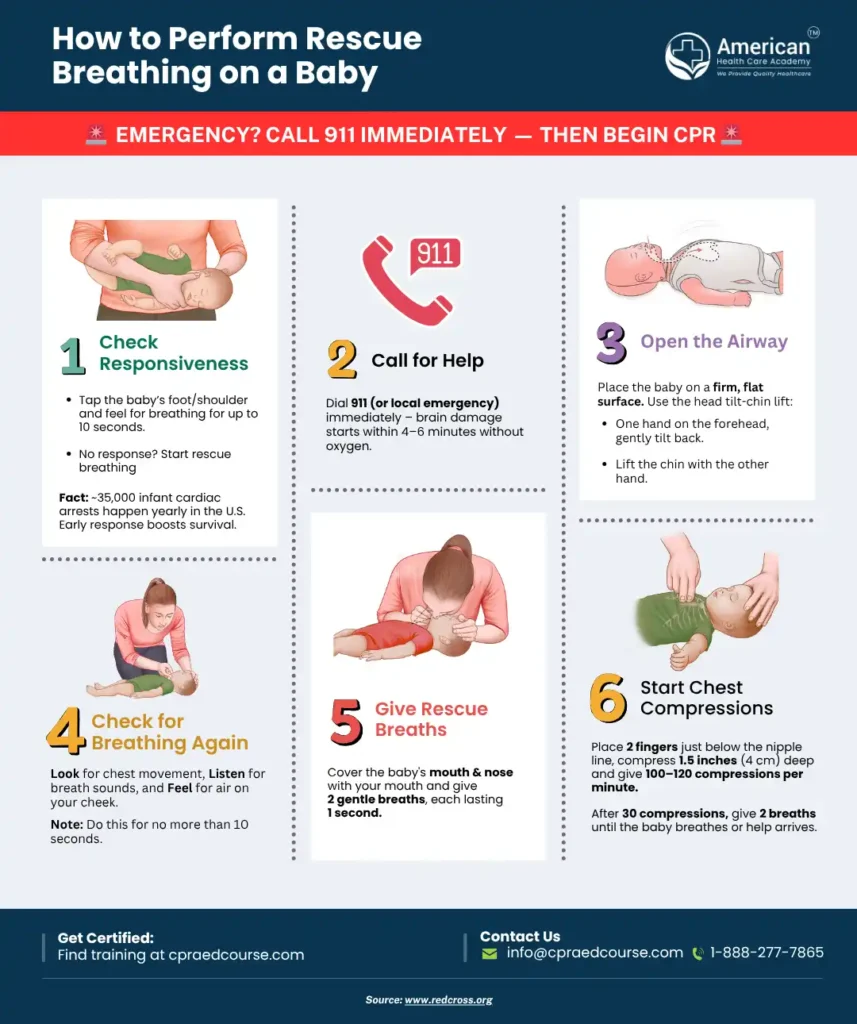
When someone’s life depends on your quick action, every second counts. If you find yourself performing rescue breathing, knowing the correct ventilation rate isn’t just important—it can make the difference between saving a life and causing harm.
Are you confident that you’re giving breaths at the right pace? Getting this wrong can lead to serious complications, but mastering the proper rate is simpler than you might think. Keep reading to discover exactly how to deliver rescue breaths effectively and boost your chances of helping someone in a critical moment.
Basics Of Rescue Breathing
Rescue breathing is a vital emergency skill. It helps provide oxygen to a person who cannot breathe on their own. Understanding the basics of rescue breathing can save lives. Knowing the correct ventilation rate is key to performing it effectively and safely.
Purpose And Importance
Rescue breathing delivers air to the lungs when normal breathing stops. It keeps oxygen flowing to the brain and organs. This prevents damage and keeps the person alive until help arrives. Proper technique ensures the right amount of air enters the lungs. Too much or too little air can cause harm. Rescue breathing supports life in emergencies like drowning, choking, or cardiac arrest.
When To Perform Rescue Breathing
Perform rescue breathing if a person is not breathing but has a pulse. Check for normal breathing by looking for chest movement or feeling breath on your cheek. If there is no breathing or only gasping, start rescue breathing immediately. Do not perform rescue breathing if the person is breathing normally. Always call emergency services before starting rescue breathing. Quick action can improve the chances of survival.
Credit: www.chegg.com
Ventilation Rate Fundamentals
Understanding the correct ventilation rate is vital during rescue breathing. Proper air delivery helps maintain oxygen flow to the lungs and brain. Delivering breaths too fast or too slow can harm the patient. Knowing the basics ensures effective and safe rescue efforts.
Recommended Breaths Per Minute
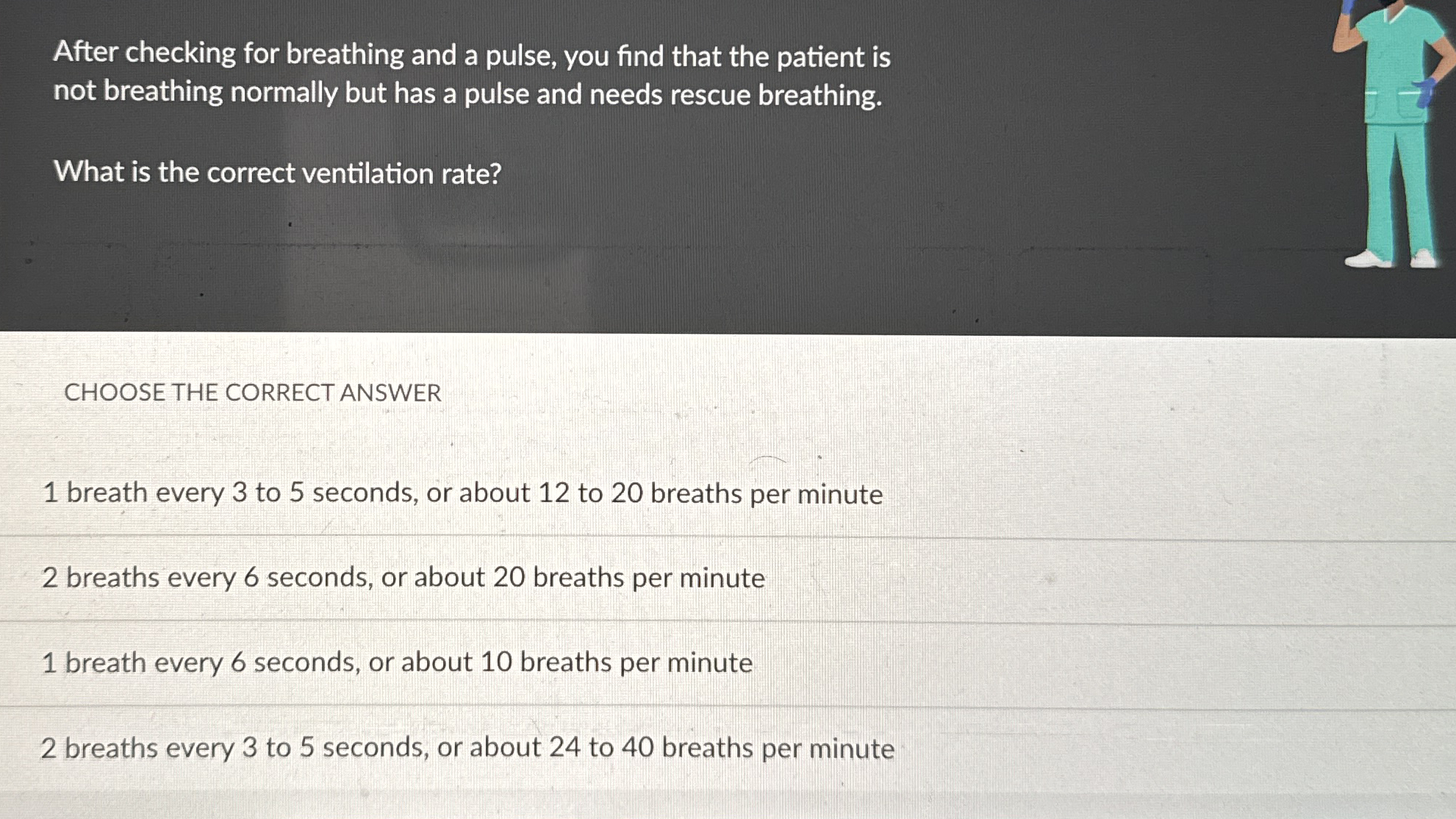
The ideal number of breaths depends on the patient’s age and condition. For adults, give about 10 to 12 breaths per minute. This equals one breath every 5 to 6 seconds. For children and infants, provide 12 to 20 breaths per minute. That means one breath every 3 to 5 seconds.
Each breath should last about one second. Deliver enough air to make the chest rise visibly. Avoid forceful or rapid breaths to prevent lung injury.
Factors Influencing Ventilation Rate
Several factors change the needed ventilation rate. These include:
- Patient age and size
- Cause of breathing difficulty
- Presence of trauma or injury
- Whether the patient has a pulse
- Use of advanced airway devices
For example, patients without a pulse may require faster breaths. Trauma victims need careful breath delivery to avoid worsening injuries. Adjusting breaths based on these factors improves care quality and patient safety.
Ventilation Rates By Age Group
Correct ventilation rates vary by age during rescue breathing. Different lungs and body sizes need different breaths per minute. Giving the right rate helps oxygen reach the body well. Too fast or too slow can cause harm. Below are the recommended ventilation rates for each age group.
Infants
Infants need gentle and careful breaths. The usual rate is about 12 to 20 breaths per minute. Each breath should last about 1 second. Watch the chest rise with each breath. Avoid blowing too hard to prevent lung injury.
Children
Children require a rate close to infants but slightly slower. Aim for 12 to 16 breaths per minute. Give steady breaths that make the chest rise. Keep each breath around 1 second long. Proper ventilation supports healthy oxygen flow.
Adults
Adults need fewer breaths per minute than children. The recommended rate is 10 to 12 breaths per minute. Each breath should take about 1 second. Watch for visible chest rise with every breath. Correct rate helps maintain oxygen without over-inflation.

Credit: www.youtube.com
Techniques To Deliver Effective Breaths
Delivering breaths effectively during rescue breathing can make a life-saving difference. The key is not just to provide air but to ensure it reaches the lungs properly. Understanding the right techniques improves oxygen delivery and increases the chances of recovery.
Proper Mouth-to-mouth Method
Start by tilting the person’s head back to open the airway. Pinch the nose shut and create a tight seal over their mouth with yours. Deliver a slow, steady breath lasting about one second, watching for the chest to rise.
Don’t blow too hard or too fast; this can cause air to enter the stomach, leading to complications. If the chest doesn’t rise, reposition the head and try again. Effective breaths mean you’re pushing air into the lungs, not just the mouth.
Using Bag-valve-mask Devices
Bag-valve-mask (BVM) devices can deliver breaths more efficiently when used correctly. Ensure a proper mask seal on the face, covering the nose and mouth completely. Squeeze the bag gently to provide a breath lasting about one second, watching for chest rise.
Using two hands to hold the mask can improve the seal and ventilation effectiveness. If you haven’t practiced with a BVM, it’s easy to either under-ventilate or over-inflate, so training is critical. Have you ever noticed how much easier it is to maintain control with two hands?
Common Mistakes To Avoid
Rescue breathing is crucial in emergencies. Mistakes can cause harm. Knowing common errors helps ensure safety and effectiveness. Pay attention to proper ventilation rates. Avoid these typical mistakes in rescue breathing.
Over-ventilation Risks
Breathing too fast or forcefully is over-ventilation. It can harm the patient. Over-ventilation increases pressure in the chest. This pressure can reduce blood flow to the heart. Excess air can enter the stomach, causing discomfort. It may lead to vomiting and aspiration. Always use gentle breaths to avoid these risks.
Under-ventilation Consequences
Insufficient air can be life-threatening. Under-ventilation means the patient gets too little oxygen. This can cause the brain and organs to suffer. Timely and adequate breaths are vital. Watch for chest rise to ensure effectiveness. Practice helps maintain a steady rhythm. Proper technique ensures oxygen reaches where it’s needed.
Adjusting Ventilation In Special Situations
Adjusting ventilation during rescue breathing is crucial in special situations. Different emergencies require tailored approaches to ensure effective oxygen delivery. Understanding these adjustments improves patient outcomes and safety.
Trauma Cases
In trauma cases, avoid excessive ventilation. Over-ventilating can increase pressure inside the chest. This may reduce blood flow to the heart. Deliver slow and steady breaths. Aim for about 10 breaths per minute. Watch for chest injuries that affect breathing. Use a pocket mask or bag-valve mask if available. Always protect the spine during ventilation.
Drowning Incidents
Drowning victims need immediate rescue breaths. Their lungs often lack oxygen but contain water. Give gentle breaths to avoid lung damage. Use a slower rate, around 12 breaths per minute. Check the airway for obstructions carefully. Prioritize clearing the airway before starting breaths. Keep the head tilted slightly back to open the airway. Continue rescue breathing until the victim breathes independently.
Covid-19 Considerations
COVID-19 requires extra caution during rescue breathing. Use a barrier device to reduce infection risk. Limit breaths to only what is necessary. Avoid mouth-to-mouth contact if possible. Prefer bag-valve masks with filters. Wear personal protective equipment (PPE) at all times. Monitor the victim’s breathing closely. Maintain a calm and controlled pace to protect yourself and the patient.
Training And Certification
Training and certification play a vital role in performing rescue breathing correctly. Knowing the right ventilation rate is crucial, but practicing the technique ensures confidence and effectiveness. Proper training helps responders act quickly and safely during emergencies.
Importance Of Regular Practice
Regular practice keeps skills sharp and responses quick. Rescue breathing is a hands-on skill that can fade without use. Practicing helps maintain the correct ventilation rate and timing. It also builds muscle memory for smooth and calm actions. Frequent drills reduce mistakes in real situations.
Available Courses And Resources
Many organizations offer training courses for rescue breathing. These courses cover ventilation rates, chest compressions, and overall CPR techniques. Some popular providers include:
- American Heart Association (AHA)
- Red Cross
- Local hospitals and community centers
Courses often include videos, hands-on practice, and written materials. Online resources and apps can supplement learning. Certification usually requires passing a test to confirm knowledge and skills. Keeping certification current ensures up-to-date practices.

Credit: baysidecpr.com
Frequently Asked Questions
What Is The Standard Ventilation Rate For Rescue Breathing?
The standard ventilation rate is one breath every 5 to 6 seconds for adults. This equals about 10 to 12 breaths per minute. Maintaining this rate ensures adequate oxygen delivery without causing lung injury or stomach inflation.
How Does Ventilation Rate Differ For Children And Infants?
For children and infants, give one breath every 3 to 5 seconds. This is around 12 to 20 breaths per minute. Their smaller lung capacity requires a slightly faster rate to maintain proper oxygen levels.
Why Is Correct Ventilation Rate Important In Rescue Breathing?
Correct ventilation rate prevents oxygen deficiency and avoids lung damage. Too slow causes hypoxia; too fast leads to air trapping and stomach inflation. Proper rate maintains effective oxygen exchange and improves survival chances.
Can Incorrect Ventilation Rate Harm The Patient?
Yes, too fast ventilation can cause lung injury and gastric inflation. Too slow ventilation results in inadequate oxygen supply. Both can worsen patient outcomes and complicate resuscitation efforts.
Conclusion
Knowing the correct ventilation rate saves lives during rescue breathing. Giving breaths too fast or too slow can cause harm. Follow the recommended rate of one breath every five to six seconds. This helps keep oxygen flowing to the brain and body.
Practice this skill regularly to stay confident in emergencies. Proper rescue breathing can make a real difference. Stay calm, breathe steadily, and help someone in need. Understanding the right rate is simple but very important. Keep learning and stay prepared to act quickly.



