
Have you ever wondered what keeps your home comfortable no matter the season? The answer lies in something called HVAC.
But what exactly is HVAC, and why should you care about it? Understanding HVAC can help you make smarter choices for your heating, cooling, and air quality needs. You’ll discover the clear definition of HVAC and why it plays a key role in your everyday comfort.
Keep reading to unlock the secrets behind the system that works quietly behind the scenes to make your space just right.
Basics Of Hvac
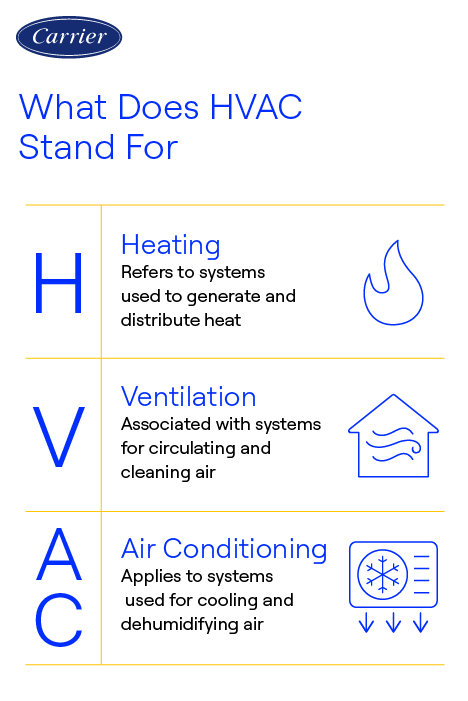
Understanding the basics of HVAC is essential if you want to improve your home’s comfort or save on energy costs. HVAC stands for Heating, Ventilation, and Air Conditioning. These systems work together to control the indoor environment, making your space warm, cool, and fresh as needed.
Meaning Of Hvac
HVAC refers to the technology used to regulate indoor temperature, air quality, and humidity. It combines three critical functions:
- Heating:Keeps your space warm during cold weather.
- Ventilation:Circulates fresh air and removes odors or pollutants.
- Air Conditioning:Cools the indoor air during hot weather.
Have you ever wondered how one system can handle all these tasks so efficiently?
Components Of Hvac Systems
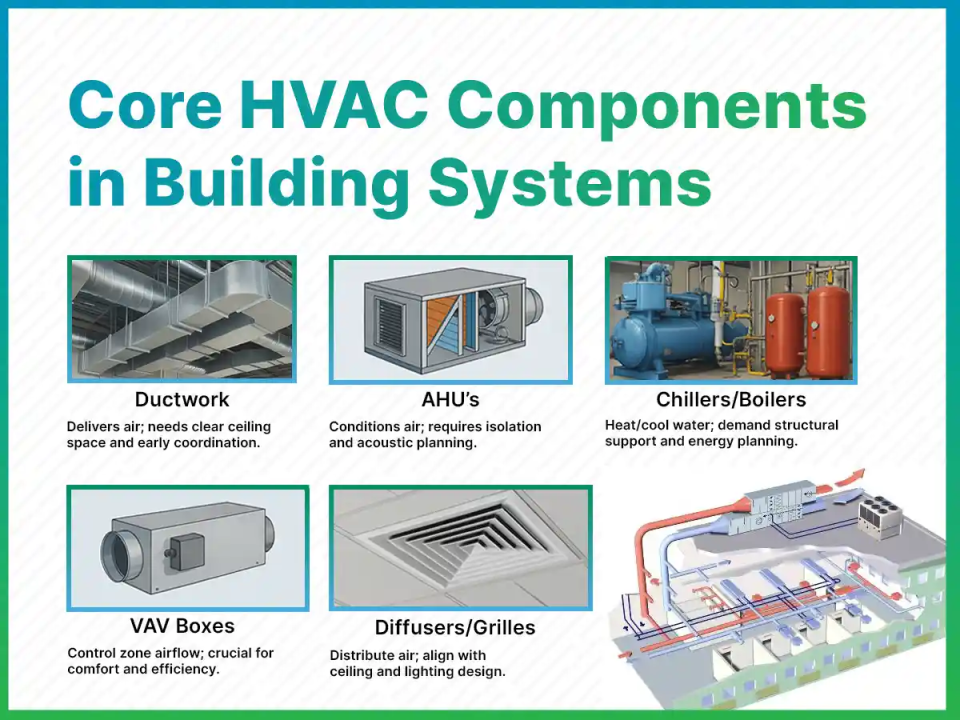
At the heart of any HVAC system are several key components that work together seamlessly. These include:
- Furnace or Heat Pump:Generates heat for warming your home.
- Air Conditioner:Removes heat from inside and cools the air.
- Ductwork:Channels air throughout your building.
- Thermostat:Controls and maintains your preferred temperature.
- Ventilation Fans:Ensure proper airflow and air exchange.
Each part has a specific role, but together they create a balanced and comfortable indoor climate. When was the last time you checked your thermostat settings to save energy?
How Hvac Works
The system starts by detecting the temperature you set on your thermostat. If the room is too cold, the furnace or heat pump kicks in to warm the air. When it’s too hot, the air conditioner removes heat and cools the air.
Ventilation keeps the air moving, removing stale air and bringing in fresh air from outside. This cycle runs continuously to maintain comfort and air quality.
Think about how much energy you could save by simply adjusting your thermostat during different times of the day.
Credit: www.tejjy.com
Types Of Hvac Systems
HVAC systems vary widely to meet different needs in homes and buildings. Each type offers unique ways to heat, cool, and ventilate spaces efficiently. Understanding these types helps in choosing the best system for comfort and energy savings.
Split Systems
Split systems have two main parts: an indoor unit and an outdoor unit. The indoor unit contains the evaporator coil and blower. The outdoor unit holds the compressor and condenser coil. These systems use ducts to move air inside the building. They are common and easy to install.
Hybrid Systems
Hybrid systems combine a heat pump with a furnace. The system switches between electricity and gas for heating. This switch helps save energy and reduce costs. It works well in areas with mild winters and hot summers. Hybrid systems offer flexibility and efficiency.
Duct-free Systems
Duct-free systems, also called mini-split systems, do not use ducts. They have an outdoor compressor and one or more indoor air handlers. Each room can be controlled separately. These systems are ideal for older homes or additions without ductwork. They provide direct and efficient heating and cooling.
Packaged Heating And Air
Packaged systems place all components in one unit. This unit is usually installed outside or on the roof. It combines heating and cooling in a compact design. Packaged systems save indoor space and are easy to maintain. They suit small commercial buildings and homes without basements.
Key Hvac Terms
Understanding key HVAC terms helps you grasp how heating, ventilation, and air conditioning work. These terms explain the main parts and functions of HVAC systems. Clear knowledge makes it easier to maintain comfort in your home or office. Let’s explore the basics of heating, ventilation, and air conditioning.
Heating
Heating provides warmth to indoor spaces during cold weather. It uses equipment like furnaces, boilers, or heat pumps. These devices generate heat by burning fuel or using electricity. The heat spreads through ducts or pipes to reach every room. Proper heating keeps homes cozy and safe from cold.
Ventilation
Ventilation moves fresh air inside and removes stale air. It controls humidity, odors, and airborne pollutants. Good ventilation improves air quality and comfort. It can be natural, like open windows, or mechanical, using fans and vents. Ventilation prevents buildup of harmful gases and moisture.
Air Conditioning
Air conditioning cools indoor air during hot weather. It removes heat and humidity to create a comfortable atmosphere. AC units use refrigerants and compressors to cool air. The cooled air flows through ducts to different rooms. Air conditioning helps maintain a pleasant environment year-round.
Credit: www.carrier.com
Importance Of Hvac
Heating, ventilation, and air conditioning (HVAC) systems play a vital role in homes and buildings. They control temperature, humidity, and air quality, making spaces comfortable and healthy. Proper HVAC systems improve daily life and reduce energy use, which saves money and protects the environment.
Comfort And Air Quality
HVAC systems keep indoor spaces warm in winter and cool in summer. They balance humidity levels to avoid dryness or dampness. Clean air filters remove dust, pollen, and allergens. This creates a fresh and pleasant environment for everyone.
Energy Efficiency
Modern HVAC units use less energy to maintain comfort. Efficient systems reduce electricity bills and lower carbon footprints. Proper maintenance helps systems run smoothly and last longer. Energy-saving HVAC solutions benefit both homeowners and the planet.
Health Benefits
Good HVAC systems improve indoor air quality by filtering harmful particles. They reduce risks of respiratory problems and allergies. Proper ventilation removes stale air and brings in fresh oxygen. Healthy air supports better sleep, focus, and overall well-being.
Choosing The Right Hvac System
HVAC means heating, ventilation, and air conditioning. It controls indoor temperature and air quality. Choosing the right system keeps your home comfortable and energy-efficient.
Choosing the right HVAC system can be challenging. With various options available, making an informed decision is vital. The right HVAC system will ensure comfort and efficiency in your home. Here are some factors to consider.Assessing Your Needs
Understand the climate of your area. A colder climate might need a more robust heating system. In warmer regions, a strong cooling system is important. Consider the size of your home. A larger home requires a more powerful system. Also, think about energy efficiency. Energy-efficient systems reduce utility bills. Assess your specific needs carefully.Budget Considerations
Establish a clear budget for your HVAC system. Higher efficiency systems often cost more upfront. But they save money in the long run. Compare different models and their costs. Look for systems with rebates or incentives. Remember, a cheaper system might cost more in repairs. Weigh initial costs against long-term savings.Professional Installation
Professional installation ensures your system works efficiently. Hire a certified technician for installation. Proper installation prevents future problems. It also extends the lifespan of your system. Check the reputation and reviews of the installer. A good installer offers maintenance tips. Regular maintenance keeps your system running smoothly.Maintenance Tips
Maintaining your HVAC system is crucial for keeping your home comfortable and energy bills low. Simple upkeep can prevent costly repairs and extend the life of your equipment. Let’s look at practical maintenance tips that you can apply easily to keep your HVAC running smoothly.
Regular Inspections
Checking your HVAC system regularly helps catch small problems before they become big. Look for unusual noises, leaks, or strange smells. These signs often point to underlying issues that need attention.
Set a reminder to inspect your system at least twice a year, ideally before summer and winter. This way, you ensure it’s ready for heavy use during extreme weather. A quick visual check can save you from unexpected breakdowns.
Filter Replacement
Dirty filters reduce airflow and make your system work harder, raising your energy costs. Replace or clean your HVAC filters every 1 to 3 months depending on usage and air quality. If you have pets or allergies, consider changing filters more often.
Keeping a clean filter improves air quality and protects your system’s components. Have you noticed your home getting dusty quickly? That might be a sign it’s time to swap the filter.
Troubleshooting Common Issues
Sometimes your HVAC might not cool or heat properly. Start by checking the thermostat settings and batteries. Small things like this can often fix the problem without a service call.
Other issues include frozen coils or uneven airflow. If you spot ice on your unit or certain rooms feel too hot or cold, it’s a signal to investigate further. Would you rather deal with these early signs or wait until the system fails completely?
Taking these simple steps helps you stay ahead of problems and keeps your HVAC system efficient and reliable all year long.
Credit: www.tejjy.com
Frequently Asked Questions
What Does Hvac Stand For In Building Systems?
HVAC stands for Heating, Ventilation, and Air Conditioning. It refers to systems that regulate indoor temperature, air quality, and humidity for comfort and safety.
How Does Hvac Improve Indoor Air Quality?
HVAC systems filter and circulate air, removing pollutants and controlling humidity. This process helps maintain a healthy and comfortable indoor environment.
What Are The Main Components Of An Hvac System?
Key HVAC components include heaters, air conditioners, ventilation ducts, filters, and thermostats. Together, they control temperature and air quality efficiently.
Why Is Hvac Important For Energy Efficiency?
Modern HVAC systems optimize energy use by regulating temperature precisely. Efficient HVAC reduces energy bills and lowers environmental impact significantly.
Conclusion
HVAC means heating, ventilation, and air conditioning. It helps keep indoor air clean and comfortable. People use HVAC systems in homes, offices, and stores. These systems control temperature and air flow. Knowing what HVAC stands for makes it easier to choose the right system.
Good HVAC improves health and saves energy. It keeps spaces warm in winter and cool in summer. Now, you understand the basic idea of HVAC and why it matters.



