
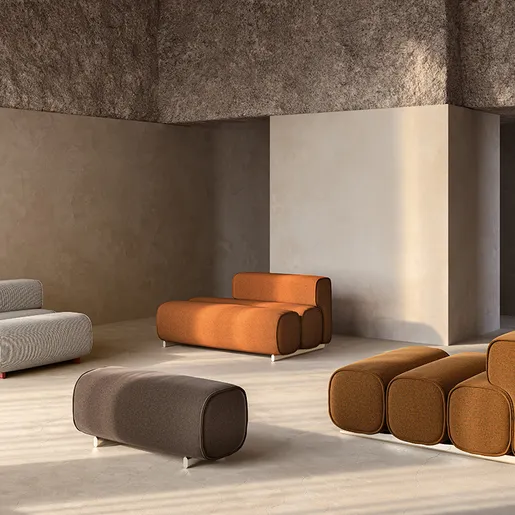
Are you confused about whether to choose a pouf or an ottoman for your living space? You’re not alone.
These two pieces of furniture may look similar, but they serve different purposes and can change the feel of your room in unique ways. Understanding the difference between a pouf and an ottoman can help you pick the perfect addition to your home.
Keep reading, and by the end, you’ll know exactly which one fits your style and needs best.

Credit: georgefurniture.com
Design And Shape
The design and shape of poufs and ottomans play a big role in their function and style. Both pieces add comfort and charm to any room. Yet, their forms and appearances differ quite a bit. Understanding these differences helps you pick the right one for your space.
Common Pouf Shapes
Poufs often come in soft, rounded shapes. These shapes make them easy to move and cozy to use. Popular pouf shapes include:
- Round – the most popular, easy to place anywhere
- Square – gives a neat and tidy look
- Hexagonal – adds a modern and unique touch
Poufs usually have a soft, cushion-like feel. They often lack legs and sit directly on the floor. This makes them casual and inviting.
Typical Ottoman Designs
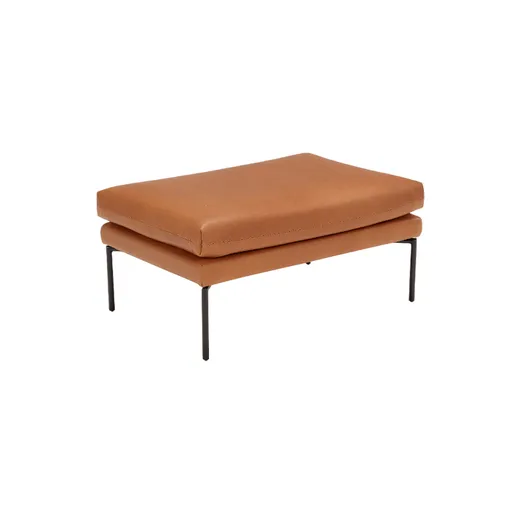
Ottomans tend to have more structure and variety in design. They often include legs or bases, lifting them off the ground. Common ottoman designs are:
- Rectangular – works well as a coffee table or bench
- Square – classic and versatile
- Round – softer look but with a firm frame
Many ottomans have storage inside, making them practical. Their upholstery is usually firm and tailored. This adds elegance and formality to a room.
Credit: haute-living.com
Function And Use
Understanding the function and use of poufs and ottomans can help you choose the right piece for your space. Both serve as versatile additions to your living area, but their roles often differ in subtle yet meaningful ways. Knowing these differences can improve how you use them daily and enhance your room’s comfort and style.
Seating And Footrest Options
Both poufs and ottomans can provide extra seating when you have guests over. Poufs tend to be lightweight and easy to move around, making them ideal for casual seating spots anywhere in the room. They often have a soft, cushioned top that doubles as a comfortable footrest.
Ottomans, on the other hand, are usually sturdier and more structured. They’re designed not only for seating but also as a supportive footrest, often paired with sofas or armchairs. If you want something that feels like a natural extension of your furniture, an ottoman might be the better choice.
Storage Features In Ottomans
One major advantage ottomans have over poufs is built-in storage. Many ottomans come with a hinged top or removable lid, letting you tuck away blankets, magazines, or remote controls. This hidden storage can help keep your living area neat without adding extra furniture.
Poufs usually don’t offer storage, as they focus more on portability and lightness. If you often find yourself wishing for extra storage in your seating options, an ottoman with a storage compartment could be a practical solution. Would having a multi-functional piece change how you organize your living space?
Materials And Construction
Poufs are usually soft, stuffed with fabric or foam, and lack a solid frame. Ottomans often have a sturdy wooden frame and may include storage inside. Both use different materials and construction, affecting their shape, firmness, and function in a room.
Understanding the materials and construction of poufs and ottomans can greatly influence your decision in choosing the right piece for your living space. Both furniture pieces serve as versatile additions, but their make and build set them apart significantly. Recognizing these differences can help you match your personal style and practical needs.Pouf Materials
Poufs are often crafted from soft, flexible materials that emphasize comfort and style. They are frequently made using fabrics such as cotton, wool, or jute, lending a cozy texture to your décor. Some poufs are filled with soft materials like polyester or foam beads, making them lightweight and easy to move around your space. The exterior of a pouf can be woven, knitted, or even crocheted, adding a handcrafted touch that can express your personal style. If you’ve ever sat on a pouf, you might have noticed its slight give, which makes it ideal for casual seating or a footrest. Does this kind of relaxed vibe appeal to you?Ottoman Materials
Ottomans, on the other hand, are typically built with sturdier materials, providing a more structured and supportive seating option. They often incorporate wooden frames, upholstered with leather, velvet, or sturdy fabrics for a polished look. This construction ensures durability, making ottomans suitable for regular use. Many ottomans have a padded top, which can be firm or soft, depending on the intended use—be it additional seating or a coffee table substitute. Some ottomans even offer storage capabilities, with a hollow interior accessible through a lift-top. This dual-purpose design can be a game-changer for those looking to optimize space without compromising on style. In your quest for the perfect piece, consider how the materials and construction of poufs and ottomans align with your lifestyle and aesthetic. Do you prefer the casual, flexible nature of a pouf, or the structured, multi-functional design of an ottoman?Size And Portability
Size and portability are key factors that often influence your choice between a pouf and an ottoman. Understanding these differences can help you decide which piece fits best into your living space and lifestyle. Let’s look at how these two pieces stack up in terms of their size and ease of movement.
Compact Poufs
Poufs are generally smaller and lighter than ottomans. Their compact size makes them easy to move around your room or even carry to another space when needed.
This portability allows you to use poufs flexibly—as extra seating, a footrest, or even a small side table. If you often rearrange your furniture or need something versatile, a pouf can be a practical choice.
Have you noticed how a pouf can instantly create a cozy corner without taking up much space? That’s the charm of its compact design.
Bulkier Ottomans
Ottomans tend to be larger and heavier, often built with sturdier frames and additional storage inside. Their bulkier size means they usually stay put in one spot.
This size offers more surface area, which can be great for resting your feet, placing trays, or even doubling as a coffee table. However, their weight can limit how easily you can move them around.
Think about your space—do you want a piece that stays anchored or one you can shift quickly? Ottomans suit rooms where a substantial, stable piece is needed, while poufs fit more dynamic spaces.
Styling And Decor
Styling and decor play a crucial role in deciding whether a pouf or an ottoman fits best in your space. Both pieces offer unique vibes and functionality, shaping the atmosphere of a room. Understanding their styling differences can help you make a choice that complements your design goals.
Poufs In Modern Spaces
Poufs bring a relaxed and playful touch to modern interiors. Their soft shapes and vibrant colors add a pop of personality without overwhelming the space.
Think about using a pouf as a casual seat or a footrest in a minimalist living room. It effortlessly blends with sleek furniture while introducing texture and warmth.
Have you noticed how a knitted or leather pouf can instantly soften the edges of a room filled with clean lines? This small addition can make your modern space feel more inviting and lived-in.
Ottomans In Traditional Settings
Ottomans usually carry a more structured and classic look, perfect for traditional decor styles. Their often larger size and upholstered design add a sense of luxury and formality.
Consider placing an ottoman in front of a vintage sofa or next to a wooden coffee table. It can serve as extra seating, a coffee table alternative, or even hidden storage.
Do you want a focal point that also offers practicality? An ottoman with tufted details or carved legs can anchor the room while enhancing its elegance.
Price And Durability
Price and durability are key factors when choosing between a pouf and an ottoman. Understanding their cost and how long they last helps make a smart choice for your home. Both offer comfort and style, but their materials and build affect their price and lifespan.
Cost Differences
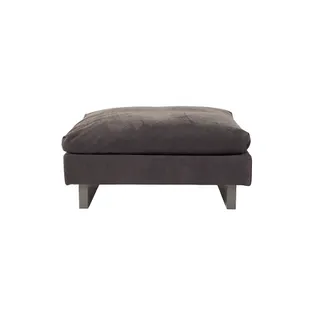
Poufs generally cost less than ottomans. They often use simpler materials like fabric or knitted yarn. Ottomans usually have a sturdier frame and higher-quality upholstery. This makes ottomans pricier but also more durable.
Here is a quick comparison:
| Type | Average Price Range |
|---|---|
| Pouf | $30 – $100 |
| Ottoman | $100 – $400 |
Longevity And Maintenance
Poufs are lightweight and easy to move. Their soft fabrics may wear out faster with heavy use. Ottomans have solid frames that last longer under daily wear. They can handle more weight and use as extra seating.
Maintenance is simpler with ottomans. Many have removable covers for easy cleaning. Poufs may need gentle care to avoid damage. Choosing the right fabric can increase durability for both.
Credit: haute-living.com
Frequently Asked Questions
What Defines A Pouf Compared To An Ottoman?
A pouf is typically soft, round, and used as a footrest or extra seating. An ottoman is often sturdier, rectangular, and can include storage space. Both serve decorative and functional purposes but differ mainly in shape, firmness, and additional features.
Can Poufs And Ottomans Be Used Interchangeably?
Yes, poufs and ottomans can be used interchangeably as footrests or extra seats. However, ottomans often offer storage, making them more versatile. Poufs provide a casual, cozy vibe, while ottomans suit structured, formal settings better.
Do Ottomans Always Have Storage Options?
Not always, but many ottomans feature hidden storage inside. This makes them practical for living rooms, helping to store blankets or magazines. Poufs rarely have storage, focusing more on comfort and style than functionality.
Which Is Better For Small Spaces, Pouf Or Ottoman?
Poufs are generally better for small spaces due to their compact and lightweight design. Ottomans can be bulkier but offer storage, which also saves space. Your choice depends on whether you prioritize seating comfort or storage needs.
Conclusion
A pouf and an ottoman both add comfort and style to any room. Poufs are usually soft and lightweight, perfect for casual seating or footrests. Ottomans tend to be sturdier and often offer storage space inside. Choosing between them depends on your needs and space.
Both pieces can blend well with different decor styles. Now you can decide which fits best in your home. Simple, useful, and stylish options for everyday living.



