
Have you ever wondered why your home sometimes feels stuffy or drafty, even when the windows are closed? Understanding the difference between infiltration and ventilation could be the key to solving this mystery.
These two terms might sound similar, but they play very different roles in how air moves through your living space. Knowing how each works can help you improve your comfort, save energy, and keep your indoor air fresh. Keep reading to discover what sets infiltration apart from ventilation—and how this knowledge can make a real difference for your home.
Basics Of Infiltration
Understanding the basics of infiltration is essential if you want to maintain a comfortable and healthy indoor environment. Infiltration happens naturally in buildings, but it can have both positive and negative effects depending on how it’s managed. Let’s break down what infiltration really means and why it matters to your living space.
Definition And Causes
Infiltration is the unintentional flow of outdoor air into your home through cracks, gaps, and openings. This air enters without any control, often sneaking in through places you might not even notice. Common causes include poorly sealed windows, door frames, and even tiny spaces around plumbing or electrical outlets.
Think about the last time you felt a cold draft near a window or door—that’s infiltration in action. It’s important to ask yourself: how much air is slipping through unnoticed in your home?
Effects On Indoor Air Quality
Infiltration brings fresh air inside, but it also carries dust, pollen, and pollutants from outside. This can worsen allergies and respiratory problems, especially if you live in a polluted or dusty area. On the upside, it can help reduce indoor moisture, preventing mold growth if balanced correctly.
However, too much infiltration can make your heating or cooling system work harder, driving up energy bills. How often do you check if your indoor air feels stuffy or overly humid?
Common Sources Of Infiltration
- Gaps around windows and doors
- Cracks in the foundation or walls
- Vents and chimneys without proper seals
- Spaces around plumbing and electrical wiring
Spotting these common sources can be your first step toward improving your home’s comfort and energy efficiency. Have you ever inspected these areas closely in your home?
Credit: www.nationalhogfarmer.com
Essentials Of Ventilation
Understanding the essentials of ventilation is key to maintaining a healthy and comfortable indoor environment. Ventilation is not just about letting fresh air in; it’s about controlling airflow to remove pollutants, moisture, and odors efficiently. This section will break down what ventilation really means and how it impacts your daily living.
Purpose And Methods
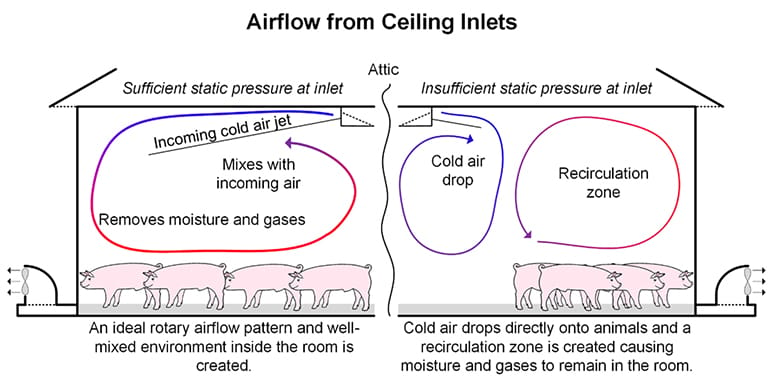
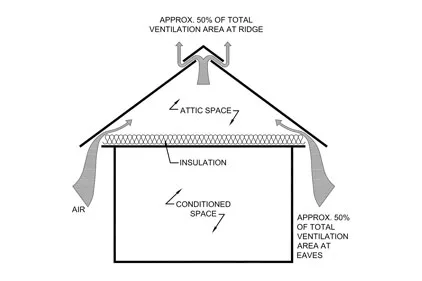
The main purpose of ventilation is to exchange stale indoor air with fresh outdoor air. This helps reduce indoor air pollution and controls humidity levels. You can improve ventilation naturally by opening windows or doors, or mechanically using fans and HVAC systems.
Have you noticed how stuffy a room feels when there’s no airflow? That’s exactly what proper ventilation prevents. You might think opening a window is enough, but depending on your home’s design, you might need more controlled methods to keep air moving effectively.
Types Of Ventilation Systems
Ventilation systems come in three main types:
- Natural Ventilation:Uses windows, vents, and other openings to let air flow without fans.
- Mechanical Ventilation:Relies on fans and ducts to move air in and out.
- Hybrid Ventilation:Combines natural and mechanical methods to optimize airflow.
Each system has its strengths. Mechanical systems, for instance, can filter and condition air, while natural systems are cost-effective and simple. What kind of ventilation does your home use, and does it meet your needs?
Benefits For Health And Comfort
Good ventilation directly improves your health by reducing allergens, dust, and harmful gases like carbon dioxide and radon. It also helps control moisture, preventing mold growth that can trigger asthma and allergies.
Comfort-wise, ventilation helps regulate indoor temperature and eliminates unpleasant odors. Imagine coming home to a fresh-smelling room with breathable air; it can make a huge difference in your mood and productivity.
Are you paying enough attention to your indoor air quality? Small changes in your ventilation can lead to big improvements in how you feel every day.
Comparing Infiltration And Ventilation
Infiltration and ventilation both affect the air quality inside buildings. They control how fresh air enters and how stale air leaves. Understanding their differences helps improve comfort and energy use.
Natural Vs Controlled Airflow
Infiltration happens naturally. It is the air leaking through cracks, windows, and doors. This airflow is not planned or controlled. Ventilation is a designed process. It uses fans or vents to move air in and out. This airflow is controlled and intentional.
Impact On Energy Efficiency
Infiltration often wastes energy. It can let warm or cool air escape, making heating or cooling systems work harder. Ventilation systems can save energy. They bring fresh air while reducing heat loss. Proper ventilation balances air quality and energy use.
Role In Moisture And Pollution Control
Infiltration may bring unwanted moisture and pollutants inside. It can cause dampness and poor air quality. Ventilation helps remove moisture and pollutants. It keeps the indoor environment healthier and dryer. Controlled airflow reduces risks of mold and allergens.

Credit: itsairborne.com
Measuring Airflow And Quality
Measuring airflow and air quality is crucial to understanding how well a building breathes. It helps distinguish between controlled ventilation and uncontrolled infiltration. Accurate measurement ensures comfort, health, and energy efficiency in indoor spaces.
Airflow measurement involves checking how much air moves in and out of a space. Air quality assessment looks at pollutants, humidity, and oxygen levels. Both are essential to identify problems and improve indoor environments.
Tools And Techniques
Several tools help measure airflow and air quality effectively. Anemometers gauge airspeed in ducts or open spaces. Manometers measure pressure differences that drive airflow. Smoke pencils or fog machines visualize air movement paths.
Air quality meters detect carbon dioxide, humidity, and volatile organic compounds (VOCs). Data loggers record changes over time for detailed analysis. Blower door tests quantify infiltration by creating pressure differences.
Indicators Of Poor Ventilation
- Stale or stuffy air in rooms.
- Excess moisture causing condensation on windows.
- Unpleasant odors lingering indoors.
- High levels of carbon dioxide or indoor pollutants.
- Frequent headaches or allergies among occupants.
Signs Of Excessive Infiltration
- Cold drafts near windows and doors.
- Uneven temperatures inside the building.
- Dust accumulation on surfaces.
- Increased energy bills without obvious cause.
- Noise from outside entering easily.
Improving Indoor Air Management
Infiltration happens when air leaks into a building through gaps and cracks. Ventilation is the planned exchange of indoor and outdoor air to keep the space fresh and healthy. Understanding both helps improve indoor air quality and comfort.
Improving Indoor Air Management Indoor air quality significantly affects health and comfort. Proper air management is crucial. It involves controlling both infiltration and ventilation. Infiltration refers to unplanned air entry through gaps. Ventilation involves intentional air exchange for freshness. Understanding these concepts helps optimize indoor environments.Reducing Unwanted Infiltration
Unwanted infiltration wastes energy and reduces comfort. Seal gaps in doors and windows. Install weather stripping to block drafts. Use caulk for cracks in walls. Insulate attics and basements to minimize heat loss. Regular maintenance ensures seals remain effective.Enhancing Ventilation Effectiveness
Effective ventilation removes stale air and pollutants. Use exhaust fans in kitchens and bathrooms. Ensure air vents are unobstructed. Regularly clean and maintain HVAC systems. Install energy-efficient ventilation systems. Natural ventilation involves opening windows for fresh air. Balance indoor and outdoor air pressures.Balancing Air Exchange Rates
Balance air exchange to maintain comfort. Measure air exchange rates using specialized equipment. Adjust ventilation settings to match occupancy levels. Use programmable thermostats for precise control. Monitor indoor air quality with sensors. Maintain a comfortable temperature and humidity level. Proper balance enhances energy efficiency.Practical Tips For Homeowners
Understanding the difference between infiltration and ventilation helps keep your home comfortable and healthy. Practical tips make it easier to manage air flow and energy use. Focus on sealing leaks, choosing proper ventilation, and regular maintenance for best results.
Sealing Leaks And Drafts
Air leaks cause unwanted infiltration, letting cold or hot air enter your home. Check windows, doors, and walls for gaps. Use weatherstripping or caulk to seal these openings. This reduces drafts and saves energy. Pay attention to attic hatches and electrical outlets too. Sealing leaks stops outside air from disturbing indoor comfort.
Choosing Ventilation Solutions
Ventilation controls fresh air flow, improving indoor air quality. Select systems that fit your home size and climate. Options include exhaust fans, trickle vents, and whole-house ventilation. Mechanical ventilation helps in tightly sealed homes. Natural ventilation works well in mild climates. Proper ventilation balances air exchange without wasting energy.
Maintenance And Monitoring
Keep ventilation systems clean and working well. Change filters regularly and check fan operation. Inspect sealed areas to ensure they stay tight. Use a carbon monoxide detector to monitor indoor air safety. Watch for mold or moisture, signs of poor ventilation. Regular upkeep helps maintain a healthy and energy-efficient home environment.
Credit: www.roofingcontractor.com
Frequently Asked Questions
What Is Infiltration In Building Ventilation?
Infiltration is the unintentional air leakage into buildings through cracks and openings. It affects indoor air quality and energy efficiency by allowing uncontrolled air exchange.
How Does Ventilation Differ From Infiltration?
Ventilation is the intentional exchange of indoor and outdoor air, improving air quality. Infiltration happens unintentionally and can cause energy loss and discomfort.
Why Is Controlling Infiltration Important?
Controlling infiltration reduces energy waste, prevents moisture problems, and maintains indoor comfort. Proper sealing minimizes unwanted air leaks and enhances HVAC system efficiency.
What Are Common Ventilation Types In Buildings?
Common ventilation types include natural, mechanical, and hybrid systems. Each type controls airflow to ensure fresh air supply and remove indoor pollutants effectively.
Conclusion
Infiltration and ventilation both involve air movement in buildings. Infiltration happens naturally through cracks and gaps. Ventilation uses fans or systems to control airflow. Each affects indoor air quality and energy use differently. Understanding their differences helps keep homes comfortable and healthy.
Good ventilation can reduce moisture and odors. Controlling infiltration saves energy and prevents drafts. Both play important roles in building design. Knowing how they work improves air quality and comfort. Choose the right method for your home’s needs. Simple steps make a big difference indoors.



