
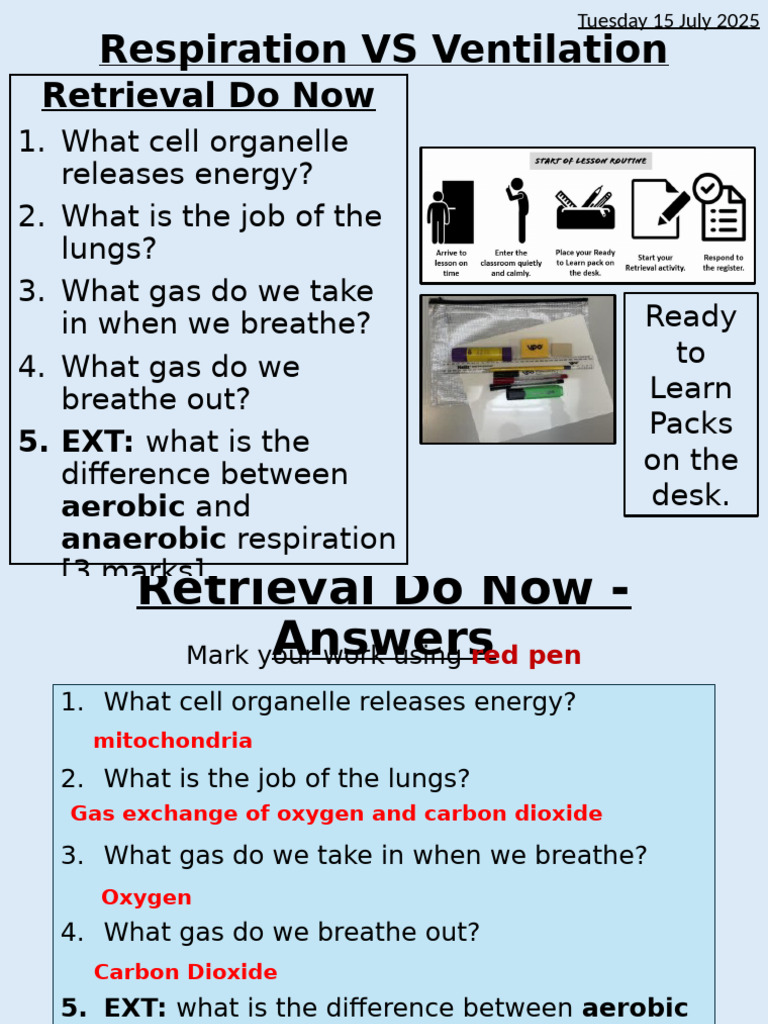
Have you ever wondered why breathing and respiration are not exactly the same thing? You might think they’re just two words for the same process, but there’s more to it than that.
Understanding the difference between respiration and ventilation can help you appreciate how your body works to keep you alive and healthy. You’ll discover what sets these two vital processes apart and why knowing this can make a difference in how you think about your own breathing and energy.
Keep reading, and by the end, you’ll see your body’s amazing functions in a whole new light.
Credit: www.pearson.com
Respiration Basics
Understanding the basics of respiration helps you see why it’s different from ventilation, yet closely connected. Respiration is the process your body uses to obtain energy from oxygen and release carbon dioxide. It happens at both the whole-body level and inside your cells, making it a vital function for survival.
Types Of Respiration
Respiration comes in two main types: aerobic and anaerobic. Aerobic respiration needs oxygen and produces a lot of energy. Anaerobic respiration doesn’t use oxygen but generates less energy and produces byproducts like lactic acid.
- Aerobic Respiration:Common in humans and many animals, it’s efficient and keeps your muscles going during activities like running or swimming.
- Anaerobic Respiration:Happens when oxygen is scarce, such as during intense exercise, causing muscle fatigue and soreness.
Cellular Respiration Process
Cellular respiration takes place inside your cells, especially in structures called mitochondria. It breaks down glucose molecules to release energy in the form of ATP, which powers everything your body does.
The process has three main stages:
- Glycolysis:Glucose splits into smaller molecules, producing a small amount of energy.
- Krebs Cycle:These molecules are further broken down, releasing carbon dioxide and transferring energy carriers.
- Electron Transport Chain:This final stage uses oxygen to create a large amount of ATP and water as a byproduct.
Have you noticed how your body feels after a sprint compared to a slow walk? That’s your cells switching between these types of respiration depending on oxygen availability. Knowing this can help you tailor your workouts or manage breathing better during physical stress.
Credit: biologynotesonline.com
Ventilation Essentials
Ventilation is the process that moves air in and out of the lungs. It helps bring fresh oxygen into the body and remove carbon dioxide. Understanding ventilation is key to knowing how breathing supports life. This section explains the basics of ventilation and the main parts involved.
Mechanics Of Breathing
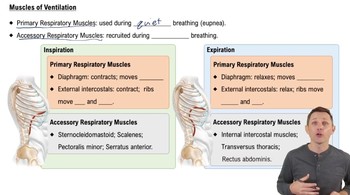
Breathing involves two main actions: inhalation and exhalation. During inhalation, the chest expands and air flows into the lungs. Exhalation happens when the chest gets smaller, pushing air out. This movement depends on pressure changes inside the chest cavity. Air flows from high pressure to low pressure, making breathing possible.
The lungs do not have muscles. They expand and contract because of the movement of the chest wall and diaphragm. This mechanical process is vital for keeping the air moving in and out.
Role Of Respiratory Muscles
Respiratory muscles control the movement of the chest and lungs. The diaphragm is the main muscle used for breathing. It moves down during inhalation, creating space for the lungs to expand. The intercostal muscles between the ribs also help by lifting the rib cage.
These muscles work together to change the size of the chest cavity. This change creates the pressure difference needed for air flow. Strong respiratory muscles improve breathing efficiency and oxygen intake.
Respiration Vs Ventilation
Understanding the difference between respiration and ventilation is essential for grasping how your body manages oxygen and carbon dioxide. Though these terms are often used interchangeably, they refer to distinct processes that work together to keep you alive. Let’s break down how they differ and why each plays a unique role in your body’s function.
Primary Functions
Ventilation is the physical act of moving air in and out of your lungs. It’s about breathing — inhaling oxygen-rich air and exhaling carbon dioxide-rich air.
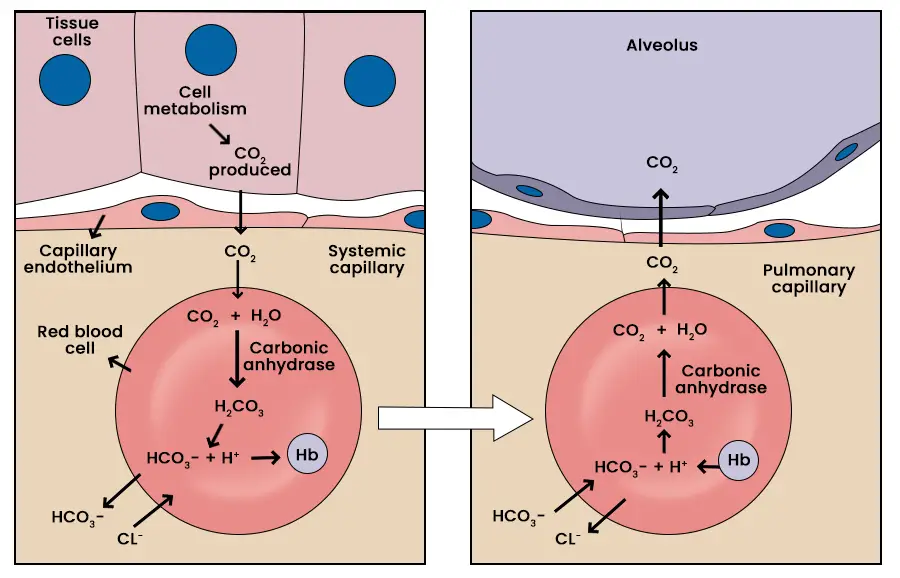
Respiration, on the other hand, refers to the chemical process where your cells use oxygen to produce energy and release carbon dioxide as a waste product. It happens inside your body’s cells, not just in your lungs.
Think of ventilation as the delivery system, while respiration is the actual energy-making process.
Physiological Differences
Ventilation involves muscles like the diaphragm and intercostals to expand and contract your chest cavity. It’s controlled by your nervous system based on signals like carbon dioxide levels in your blood.
Respiration happens at the cellular level, primarily in mitochondria, where oxygen is used to convert nutrients into energy (ATP). This process is biochemical and doesn’t require muscle movement.
Have you ever noticed how your breathing changes when you exercise? That’s your ventilation adjusting to meet the increased demand for respiration at the cellular level.
Gas Exchange Sites
Ventilation moves air to the alveoli, tiny air sacs in your lungs where gas exchange begins. Here, oxygen passes from the air into your blood, and carbon dioxide moves from blood into the alveoli to be exhaled.
Respiration’s gas exchange occurs inside your body’s cells, where oxygen is used, and carbon dioxide is produced as a byproduct. This internal exchange is vital for producing energy.
Understanding where gas exchange happens helps you see why both ventilation and respiration are critical. Without ventilation bringing fresh air in, cellular respiration can’t occur efficiently.
Importance In Human Body
Respiration and ventilation play vital roles in keeping the human body alive and healthy. Both processes work together but serve different purposes. Understanding their importance helps us appreciate how our body functions every day.
Energy Production
Respiration is essential for energy production in cells. It breaks down glucose and uses oxygen to create energy. This energy powers all body activities, from moving muscles to thinking clearly. Without respiration, cells cannot produce the energy needed to survive.
Oxygen Supply
Ventilation brings fresh air into the lungs. This air contains oxygen, which moves into the bloodstream. Oxygen is then carried to all body parts. A steady oxygen supply keeps organs and tissues healthy and working well.
Carbon Dioxide Removal
Ventilation also helps remove carbon dioxide, a waste gas from cells. Carbon dioxide builds up in the blood and can be harmful if not removed. Breathing out carbon dioxide prevents toxicity and maintains the body’s balance.
Common Disorders
Respiration is the process of exchanging gases between the body and the environment. Ventilation refers to the physical movement of air in and out of the lungs. Both are essential but focus on different parts of breathing.
Common disorders affecting respiration and ventilation can significantly impact your health and quality of life. Understanding these disorders is crucial for early detection and management. Let’s explore the common respiratory system diseases and ventilation problems that you might encounter.Respiratory System Diseases
Respiratory system diseases often involve issues with the lungs and airways, affecting how well your body gets oxygen. Asthma, for instance, causes your airways to narrow, making it hard to breathe. You might experience wheezing, coughing, and shortness of breath. Chronic Obstructive Pulmonary Disease (COPD) is another prevalent condition, often caused by smoking. It involves long-term breathing problems and poor airflow. It’s crucial to recognize early symptoms like a persistent cough and frequent respiratory infections. Pneumonia is an infection that inflames the air sacs in one or both lungs. These air sacs may fill with fluid, causing cough, fever, chills, and difficulty breathing. Are you aware of how quickly pneumonia can escalate if not treated promptly?Ventilation Problems
Ventilation problems relate to issues with the mechanical process of moving air in and out of the lungs. Sleep apnea is a common disorder where breathing repeatedly stops and starts during sleep. It can lead to daytime fatigue and other health complications. Hyperventilation, often triggered by anxiety, is when you breathe out carbon dioxide faster than your body produces it. This can cause dizziness, tingling in your limbs, and a feeling of shortness of breath. Have you ever noticed how your breathing changes in stressful situations? In cases of hypoventilation, the body doesn’t get enough oxygen, and carbon dioxide levels rise. This can be due to obesity, neuromuscular disorders, or chest wall deformities. Recognizing hypoventilation symptoms early can prevent serious health issues. Understanding these common disorders empowers you to take charge of your health. If you notice any unusual symptoms, don’t hesitate to consult a healthcare professional. Your respiratory health is vital for overall well-being.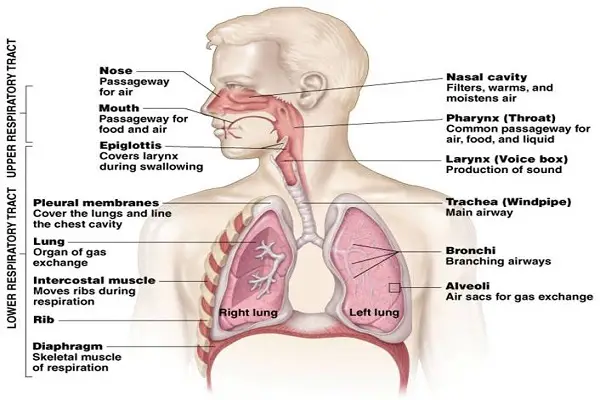
Credit: biologynotesonline.com
Measuring And Monitoring
Measuring and monitoring respiration and ventilation are crucial for understanding how well your body is exchanging gases. While these processes are related, the ways we track them differ significantly. Knowing how to measure each can help you spot health issues early and take timely action.
Respiration Rate
The respiration rate counts how many breaths you take per minute. It’s one of the simplest ways to monitor your breathing. You can measure it by watching your chest rise and fall or by feeling air flow through your nose or mouth.
Healthcare providers often check respiration rate during routine exams. A normal adult rate usually falls between 12 and 20 breaths per minute. If your rate is too high or low, it might signal a problem like respiratory distress or metabolic issues.
Have you ever noticed your breathing speed up after climbing stairs or during stress? That’s your respiration rate adjusting to your body’s needs. Tracking this at different times can reveal patterns about your lung and overall health.
Ventilation Assessment Techniques
Ventilation refers to the movement of air in and out of your lungs, so assessing it requires more detailed techniques. One common tool is spirometry, which measures the volume and speed of air you breathe out. This test helps detect conditions like asthma or chronic obstructive pulmonary disease (COPD).
Other techniques include pulse oximetry, which checks oxygen saturation in your blood, and arterial blood gas analysis, which measures oxygen and carbon dioxide levels directly. These methods provide a deeper understanding of how effectively your lungs are ventilating.
Monitoring ventilation can be as simple as using a handheld device at home or as complex as lab tests in hospitals. Each approach gives you insights into how well your lungs supply oxygen and remove waste gases. Have you ever thought about how your body keeps this balance every second?
Frequently Asked Questions
What Is The Main Difference Between Respiration And Ventilation?
Respiration is the biochemical process of energy production using oxygen. Ventilation is the physical movement of air in and out of the lungs.
How Does Ventilation Support Respiration In The Body?
Ventilation supplies fresh oxygen to the lungs. This oxygen is then used in respiration to produce energy inside cells.
Can Respiration Occur Without Ventilation?
No, respiration requires oxygen supplied by ventilation. Without ventilation, oxygen levels drop, stopping respiration and energy production.
What Organs Are Involved In Ventilation Versus Respiration?
Ventilation involves the lungs and diaphragm to move air. Respiration occurs at the cellular level inside mitochondria where oxygen is used.
Conclusion
Respiration and ventilation are two different but connected processes. Ventilation moves air in and out of the lungs. Respiration uses oxygen to make energy inside cells. Both are vital for life and health. Understanding their difference helps in learning how the body works.
It also aids in grasping basic biology and health topics. Remember, breathing is just the start; respiration happens inside your body’s cells. Keep these ideas clear and simple for better knowledge.



