
Do you ever wonder what kind of HVAC system you have in your home? Knowing this can save you time, money, and frustration when it’s time for maintenance or repairs.
Whether you want to improve your comfort or lower your energy bills, understanding your HVAC system is the first step. Keep reading, and by the end of this article, you’ll easily identify your system and know exactly what it means for your home.
Common Hvac System Types
Understanding common HVAC system types helps you identify what you have at home. Each system works differently to heat or cool your space. Knowing the type can guide maintenance and energy choices.
Central Air Conditioners
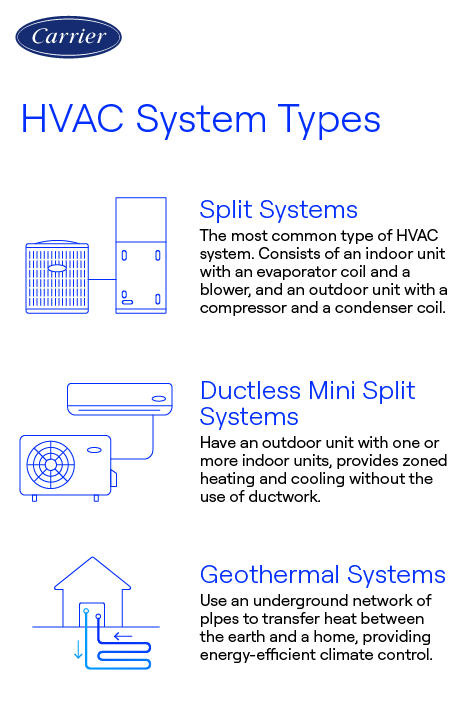
Central air conditioners cool your entire home through ducts. They pull warm air inside, cool it, and push it back. These systems use a compressor and refrigerant for cooling. Most homes with ducts use central air conditioning.
Heat Pumps
Heat pumps heat and cool by moving air or heat energy. They work like air conditioners but can reverse to heat your home. Heat pumps are energy-efficient and good for mild climates. They often replace separate heating and cooling units.
Ductless Mini-splits
Ductless mini-splits heat or cool individual rooms without ductwork. Each indoor unit connects to an outdoor compressor. These systems save energy by targeting specific areas. Ideal for homes without existing ducts or room additions.
Furnaces
Furnaces heat air using gas, electricity, or oil. They blow warm air through ducts to heat rooms. Common in colder regions, furnaces provide steady warmth. Regular maintenance keeps furnaces running safely and efficiently.
Boilers
Boilers heat water to warm your home via radiators or underfloor pipes. They use gas, oil, or electricity as fuel. Boilers offer consistent, quiet heat without blowing air. Often found in older homes or places with cold winters.
Credit: www.lennox.com
Spotting Your Hvac Components
Spotting your HVAC components helps identify the system type in your home. It shows how heating, cooling, and ventilation work together. Recognizing these parts makes maintenance easier and improves system efficiency. Each component plays a unique role in keeping your indoor air comfortable.
Indoor Units
Indoor units handle air distribution inside the home. They include air handlers, furnace, or evaporator coils. Air handlers blow air through ducts. Furnaces heat the air using gas or electricity. Evaporator coils cool the air by removing heat and moisture. These units are usually found in basements, attics, or closets.
Outdoor Units
Outdoor units are visible outside the house. They contain the compressor and condenser coil. The compressor pressurizes refrigerant to move heat. The condenser coil releases heat from the refrigerant. These units cool your home by transferring heat outdoors. Look for a large metal box with a fan on top.
Thermostats
Thermostats control your HVAC system’s temperature. They can be simple dials or digital displays. Programmable thermostats allow setting different temperatures for times of day. Smart thermostats connect to Wi-Fi for remote control. They sense room temperature and tell the system when to run.
Identifying System Features
Identifying the features of your HVAC system helps understand its design and operation. Knowing these details can guide maintenance and upgrades. Start by examining key aspects like fuel source, air distribution, and heating and cooling methods.
Fuel Source
The fuel source powers your HVAC system. Common types include:
- Natural gas
- Electricity
- Oil
- Propane
Look for a gas line or electrical connections near your furnace or heat pump. This helps pinpoint the energy type your system uses.
Air Distribution
Air moves through your home using ducts or other methods. Most systems use ductwork to deliver warm or cool air. Some have ductless setups with wall units or vents in each room. Notice if your system blows air through vents or uses radiant panels on floors or ceilings.
Cooling And Heating Methods
Check how your system cools and heats your home. Central air conditioners remove heat using refrigerant. Heat pumps provide both heating and cooling by reversing the refrigerant flow. Furnaces burn fuel to generate heat. Boilers use hot water or steam for warming. Knowing these methods helps identify your HVAC type clearly.
Checking Model And Manufacturer Labels
Checking model and manufacturer labels is key to identifying your HVAC system. These labels hold important details about the system’s type, capacity, and age. Finding and understanding these labels helps with repairs, maintenance, and upgrades.
Locating Labels
Labels are usually on the outdoor unit or near the indoor air handler. Look for metal or sticker tags. Common places include:
- The side or back of the outdoor condenser unit
- Inside the air handler or furnace cabinet
- Near the control panel or blower compartment
- On the ductwork close to the unit
Labels may be small and hard to see. Use a flashlight and check carefully.
Decoding Model Numbers
Model numbers provide key information about your HVAC system. Each part of the number means something specific. Common details found in model numbers include:
- Brand or manufacturer
- Unit size or capacity
- Type of system (heat pump, air conditioner, furnace)
- Series or model line
- Year of manufacture
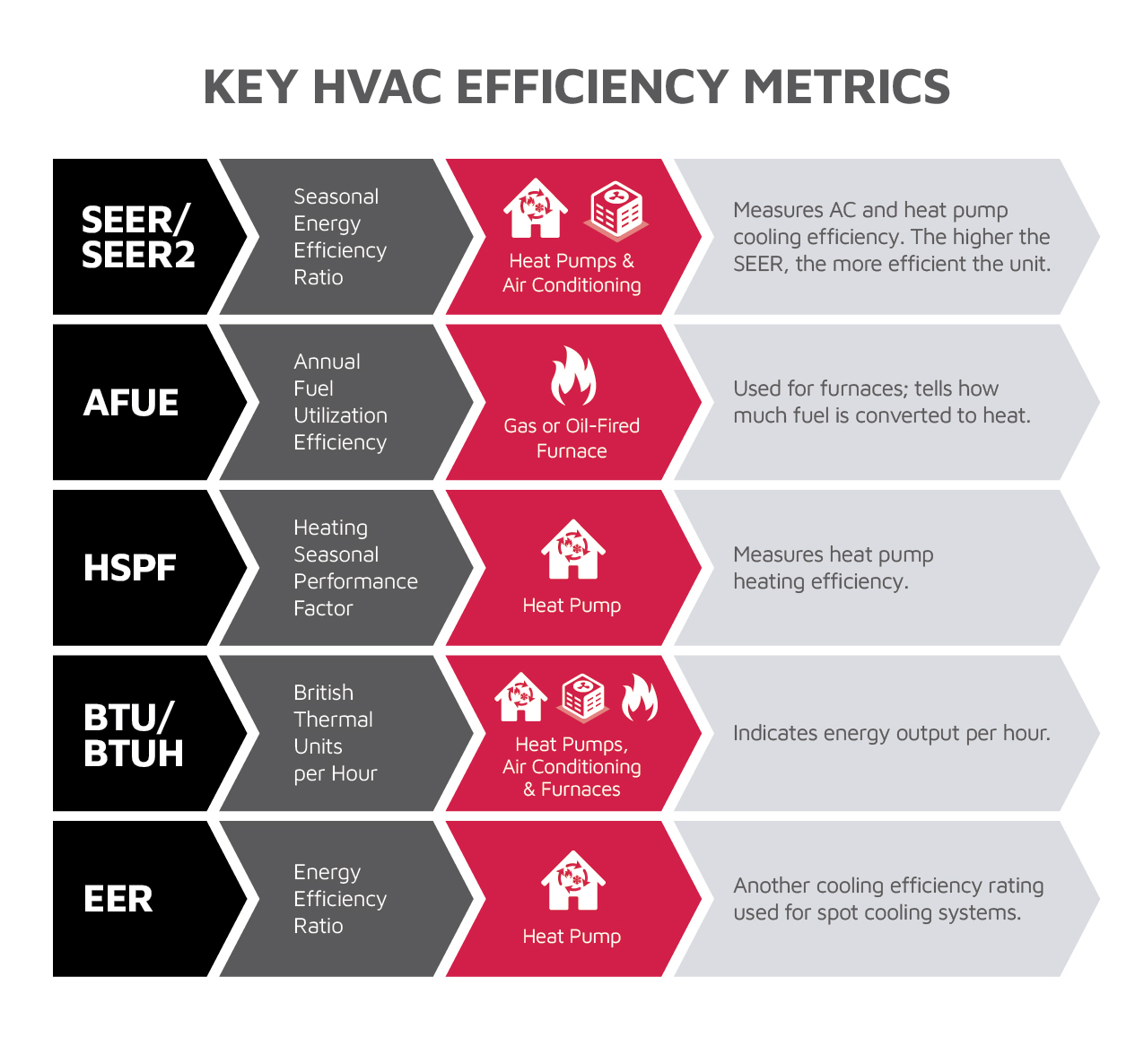
For example, a model number might start with letters for the brand, followed by numbers showing the cooling capacity in BTUs. Understanding these codes helps you identify your system’s exact type and size.
Using System Manuals And Documentation
System manuals and documentation provide clear details about your HVAC system type. Checking these papers helps identify model numbers and system features quickly. This information guides you in understanding and maintaining your HVAC system properly.
Using System Manuals and Documentation Understanding your HVAC system can be daunting. Manuals and documentation simplify this task. They are essential for identifying system features. Knowing what kind of HVAC system you have is crucial. It helps in maintenance, repairs, and upgrades. Manuals provide comprehensive insights. They are a treasure trove of information.Finding Your Manual
Locate your manual in the original packaging. Check any designated home files or folders. Manufacturers often offer digital versions. Visit their official website for downloads. Ensure you have the correct model number. This guarantees you get the right manual.Key Information To Look For
Identify the HVAC system type. Is it a split, ductless, or packaged system? Note the model and serial numbers. They are critical for parts and services. Look for maintenance schedules. These help extend the life of your system. Check warranty information. Understand what parts are covered and for how long. Find troubleshooting tips. They can solve common issues without professional help.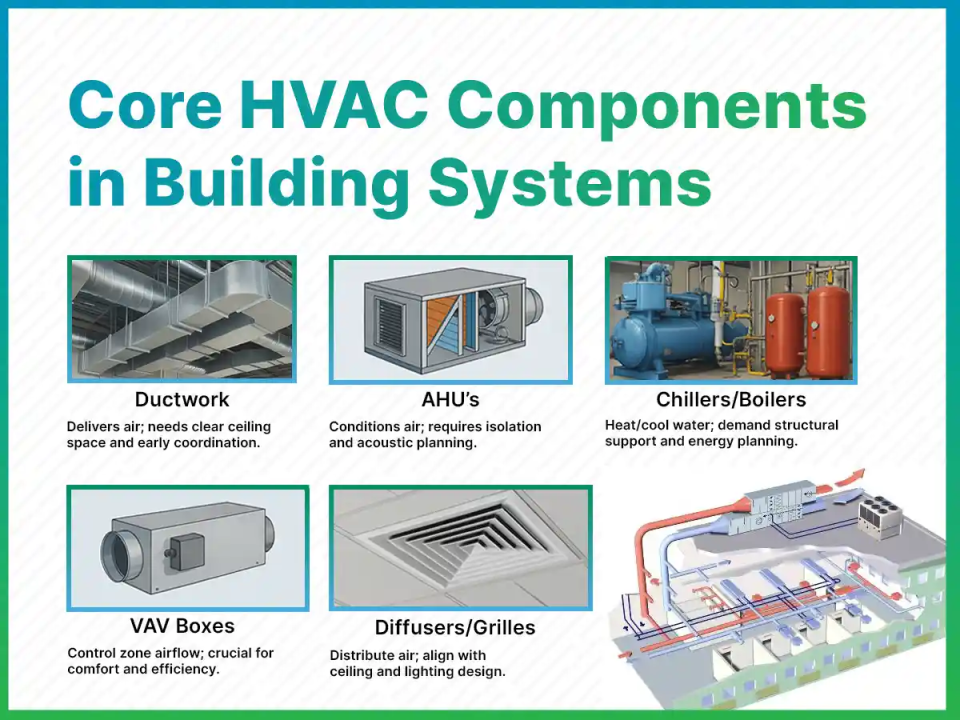
Credit: www.tejjy.com
When To Call A Professional
Knowing when to call a professional for your HVAC system can save you time, money, and stress. While some maintenance tasks are easy to handle, certain issues require expert attention to avoid further damage or safety risks. Recognizing the right moment to seek help ensures your home stays comfortable and your system runs efficiently.
Signs You Need Expert Help
Have you noticed strange noises coming from your HVAC unit? Grinding, rattling, or banging sounds often signal internal problems that need a technician’s diagnosis. Similarly, inconsistent temperatures or weak airflow can indicate clogged filters, duct leaks, or failing components.
If your energy bills suddenly spike without a change in usage, your system might be working harder due to inefficiency or malfunction. Another clear warning is when your HVAC system frequently turns on and off, which can strain the unit and lead to breakdowns.
Don’t ignore unpleasant odors either. A burning smell might mean electrical issues, while a musty scent could point to mold growth inside ducts or the unit itself. These issues are best handled by professionals equipped with the right tools and knowledge.
Preparing For A Technician Visit
Before the technician arrives, gather relevant information to help speed up the diagnosis. Know your HVAC system’s make, model, and age, as this can influence the repair approach and parts needed.
Make a list of symptoms you’ve observed, including when they started and how often they occur. This detail helps the technician identify patterns and pinpoint the root cause more quickly.
Clear access to your HVAC unit and thermostat to allow easy inspection and testing. Also, note any recent changes to your home environment that might affect the system, like new insulation or windows.
Have you ever delayed calling for help only to face a bigger bill later? Preparing well for the visit can minimize service time and get your system back to working order faster.

Credit: www.reddit.com
Frequently Asked Questions
How Can I Identify My Hvac System Type?
Check your system’s outdoor and indoor units. Look for labels or model numbers. Common types include split systems, packaged units, and heat pumps.
What Are The Signs Of A Central Hvac System?
Central systems use ducts to distribute air. They have a furnace or air handler inside and an outdoor condenser unit.
How Do I Know If I Have A Heat Pump?
Heat pumps both heat and cool your home. They look like an air conditioner outside but can reverse operation for heating.
Can I Identify My Hvac System By The Thermostat?
Some thermostats display system type. Digital or smart thermostats may indicate if it’s a heat pump, furnace, or central AC.
Conclusion
Knowing your HVAC system helps you keep your home comfortable. It also makes maintenance easier and saves money. Check your system’s parts and labels to identify it. Understanding your HVAC type helps you choose the right service and repairs. Regular care keeps your system running longer and more efficiently.
Take time to learn about your HVAC system today. It’s a smart step for every homeowner.



