
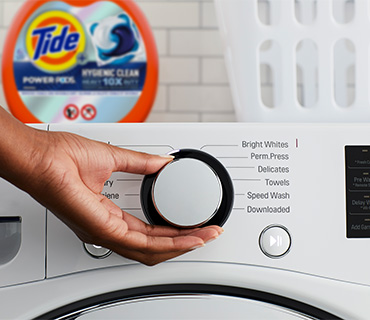
You spend a third of your life on your bed, so keeping your sheets clean is more important than you might think. But do you know the best washing setting to use for your bed sheets?
Using the wrong settings can wear out your sheets faster or leave them less fresh than you want. You’ll discover the perfect washing settings that protect your sheets and keep them soft, fresh, and long-lasting. Keep reading to learn how a simple change in your laundry routine can make a big difference to your comfort every night.
Choosing The Right Water Temperature
Choosing the right water temperature for washing your bed sheets can make a big difference in their cleanliness and longevity. The temperature you select affects how well stains are removed, how much bacteria is killed, and how gentle the wash is on the fabric. Understanding which setting fits your needs helps you keep your sheets fresh without causing damage.
Cold Water For Delicate Fabrics
Cold water is gentle on delicate fabrics like silk or satin sheets. It helps prevent shrinking and color fading, which can ruin the look and feel of your bedding. If your sheets have sensitive materials or vibrant colors, washing in cold water protects them while still removing light dirt and sweat.
Have you noticed how some sheets lose their softness after a few washes? Switching to cold water might keep that fresh, smooth texture longer.
Warm Water For Regular Cleaning
Warm water works well for everyday washing of cotton or polyester sheets. It balances effective cleaning with fabric care, removing oils and dirt without being too harsh. Most people find warm water sufficient for maintaining cleanliness and comfort in their bedding.
Try using warm water if your sheets don’t have heavy stains but need a thorough refresh. It’s a simple way to keep allergens and dust mites at bay.
Hot Water For Deep Sanitizing
Hot water is best when you want to kill bacteria, dust mites, and allergens deeply embedded in your sheets. Use it for white cotton sheets or when someone in your home is sick. Hot water can also tackle tough stains like blood or sweat more effectively.
Keep in mind that hot water may shrink or fade some fabrics. Always check your sheet’s care label before washing hot to avoid damaging your bedding.

Credit: www.rd.com
Selecting The Best Washing Cycle
Choosing the right washing cycle for your bed sheets can make a huge difference in how long they last and how fresh they feel. Each fabric type demands a specific cycle to protect its texture and maintain cleanliness. Understanding these settings helps you get the best results every time you wash your sheets.
Normal Cycle For Cotton Sheets
Cotton sheets are durable and can handle a regular wash cycle without damage. This setting uses a faster agitation and higher spin speed, which effectively removes dirt and sweat.
If you want your cotton sheets to stay crisp and clean, the normal cycle is usually the best choice. It’s tough enough to clean well but gentle enough to avoid excessive wear.
Gentle Cycle For Silk And Linen
Silk and linen are delicate fabrics that need special care to maintain their softness and structure. The gentle cycle uses slower agitation and a lower spin speed, reducing the risk of fabric damage.
Try to wash these sheets with cold water on the gentle cycle to prevent shrinking and fading. This approach extends the life of your luxurious bedding.
Heavy Duty Cycle For Stains And Allergens
If your sheets have stubborn stains or you suffer from allergies, the heavy duty cycle is your best bet. It uses a longer wash time and stronger agitation to tackle tough dirt and allergens.
Consider adding an extra rinse to remove detergent residues, which can irritate sensitive skin. This cycle works well for deep cleaning, especially during allergy season or after illness.
Detergent Tips For Bed Sheets
Choosing the right detergent for washing bed sheets matters a lot. It affects the fabric’s softness, color, and lifespan. Using harsh chemicals can damage fibers and cause skin irritation. Gentle detergents keep sheets fresh and comfortable to sleep on. Below are some useful detergent tips to help care for your bedding.
Choosing Mild Detergents
Select detergents labeled as gentle or mild. These have fewer harsh chemicals and no strong fragrances. They clean well without breaking down fabric fibers. Look for products that say “for sensitive skin” or “hypoallergenic.” Powder or liquid detergents both work fine. Avoid detergents with bleach or enzymes that may weaken sheets.
Avoiding Fabric Softeners
Fabric softeners can reduce towel and sheet absorbency. They leave a coating that traps dirt and oils in fibers. This buildup makes sheets feel less clean over time. Skip fabric softeners or use vinegar as a natural alternative. Vinegar helps remove detergent residue and keeps sheets soft without chemicals.
Using Whitening Agents Safely
Whitening agents brighten white sheets but may harm fabric. Use oxygen-based bleach instead of chlorine bleach for safety. Oxygen bleach is gentler and breaks down stains naturally. Always follow the package instructions and test on a small area first. Avoid overuse to prevent fabric thinning or yellowing.
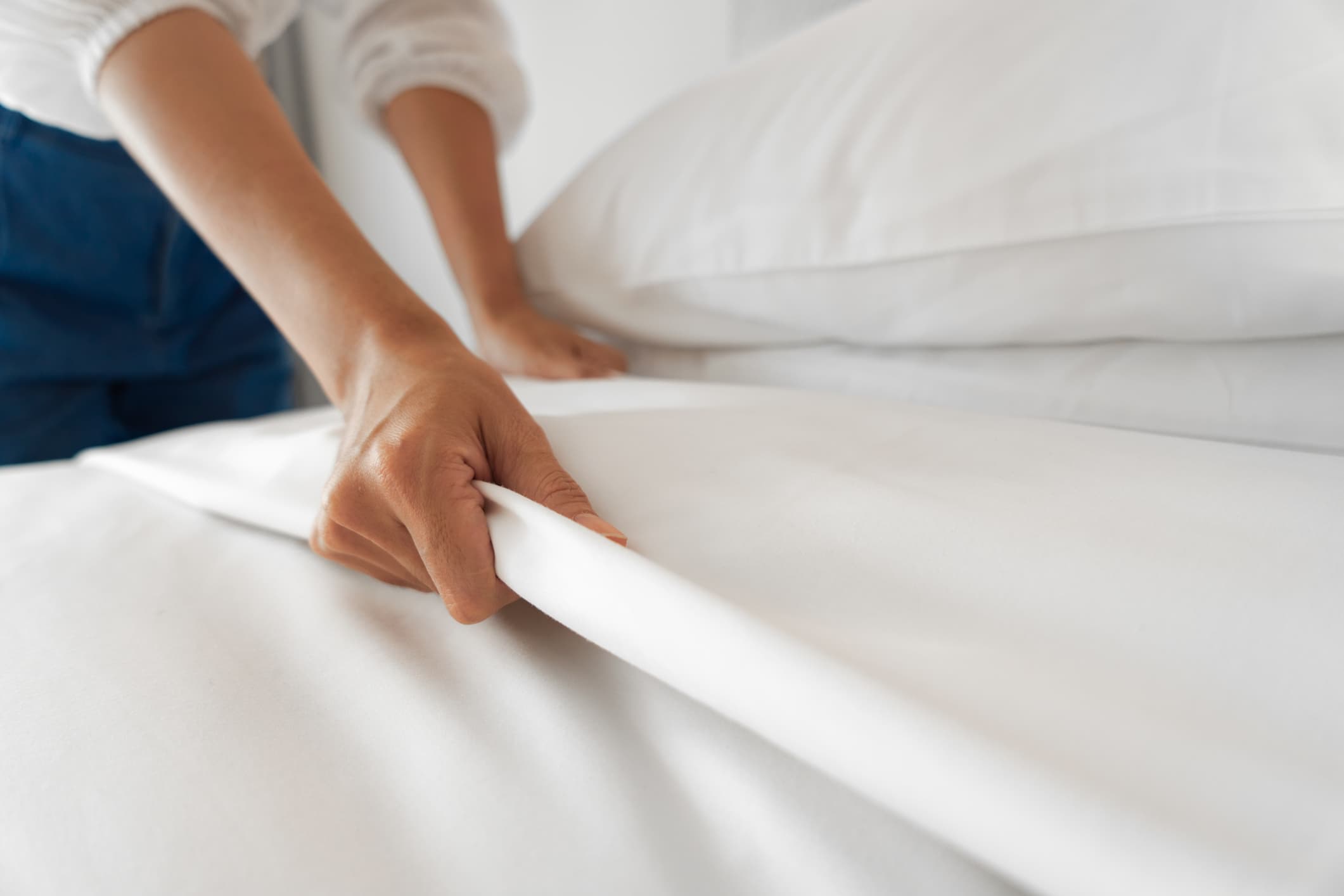
Credit: www.leesa.com
Additional Settings To Consider
Washing bed sheets can be simple, yet some settings make a difference. Adjusting these settings can enhance cleanliness and care for your sheets. Consider these additional settings for optimal results.
Extra Rinse For Residue Removal
Detergent residue can irritate sensitive skin. An extra rinse ensures thorough removal. This setting is perfect for those with allergies or sensitivities. It leaves sheets feeling fresh and clean.
Spin Speed Adjustments
Spin speed affects how much water is left in the sheets. A higher speed removes more water, reducing drying time. For delicate sheets, a lower speed prevents damage. Choose based on fabric type for best results.
Pre-soaking For Tough Stains
Stains can be stubborn. Pre-soaking helps loosen dirt and grime. Use this setting for heavily soiled sheets. It prepares them for a more effective wash cycle. Always check care labels for soaking advice.
Frequency Of Washing Bed Sheets
How often you wash your bed sheets directly affects your sleep quality and hygiene. Dirt, sweat, and oils build up quickly, creating a less-than-ideal sleeping environment. Knowing the right frequency helps you keep your sheets fresh and your bed inviting.
Weekly Washing Recommendations
Washing your bed sheets once a week is a solid routine to maintain cleanliness. This frequency removes accumulated sweat, skin cells, and dust mites effectively. It also prevents odors from settling in, ensuring you climb into a fresh bed every night.
If you struggle with allergies or sensitive skin, weekly washing becomes even more important. Keeping a consistent schedule helps reduce irritants and improves your overall comfort. Have you noticed how much better you sleep on freshly washed sheets?
When To Wash More Often
Sometimes, weekly washing isn’t enough. You might need to wash your sheets more frequently if you sweat heavily at night or if you share your bed with pets. Illness or allergies are other reasons to increase washing frequency.
Think about your lifestyle: Do you eat in bed or exercise late in the day? These habits can speed up how quickly your sheets get dirty. Adjust your washing routine to fit your personal needs for the best results.
Signs Your Sheets Need Cleaning
Not sure if it’s time to wash your sheets? Pay attention to these clear signs:
- Visible stains or discoloration:Any noticeable marks mean it’s time to clean.
- Odor:If your sheets smell musty or sweaty, don’t wait—wash them.
- Itchy or irritated skin:This could indicate allergens or dust mites buildup.
Ignoring these signs can affect your sleep quality and skin health. How often do you check your sheets for these clues?
Drying Tips For Fresh Sheets
Drying your bed sheets properly is just as important as washing them. The right drying method keeps your sheets soft, fresh, and long-lasting. It also prevents damage that can occur from heat or improper handling.
Choosing Dryer Settings
Use the low or medium heat setting on your dryer to protect the fabric. High heat can shrink or weaken the fibers, making your sheets rough and uncomfortable. If your dryer has a “fluff” or “air dry” option, that’s even better for delicate sheets.
Adding dryer balls can help sheets dry evenly and reduce static. Have you noticed how some sheets come out stiff? That’s often from overdrying or too much heat. Adjust your settings and check sheets halfway through the cycle to avoid this.
Air Drying Benefits
Air drying your sheets outdoors or indoors is gentle on the fabric. It keeps the fibers intact and gives your sheets a natural fresh scent. Hanging sheets on a clothesline can also save energy and reduce wear from the dryer’s tumbling action.
Try to avoid direct sunlight for too long, especially on colored sheets, to prevent fading. Have you ever felt the difference between sheets dried in the sun versus a dryer? The air-dried ones often feel lighter and more breathable.
Avoiding Overdrying
Check your sheets regularly during drying to prevent overdrying. Overdrying can make sheets stiff and prone to wrinkles. It also breaks down fabric fibers faster, shortening the life of your sheets.
Use a moisture sensor if your dryer has one, or stop the drying cycle early and let sheets finish drying on a rack. This small step makes a big difference in keeping your sheets soft and fresh for longer. How often do you find your sheets still damp after the cycle? A quick air-dry finish can fix that easily.
:max_bytes(150000):strip_icc()/GettyImages-1082479798-d4882646df994b109cc67f2524b02816.jpg)
Credit: www.marthastewart.com
Frequently Asked Questions
What Is The Best Water Temperature For Washing Bed Sheets?
Use warm water to wash bed sheets. Warm water effectively removes dirt and allergens without damaging fabric. It balances cleanliness and fabric care, making it ideal for most materials.
Should I Use A Gentle Cycle For Bed Sheets?
Yes, a gentle cycle is recommended. It reduces wear and tear on the fabric, keeping sheets soft and durable. This cycle is especially important for delicate or high-thread-count sheets.
Can I Wash Bed Sheets With Other Laundry Items?
It’s best to wash bed sheets separately or with similar fabrics. Mixing with heavy or rough items can cause damage. Washing sheets alone ensures thorough cleaning and prevents fabric wear.
How Often Should Bed Sheets Be Washed?
Wash bed sheets every one to two weeks. Frequent washing keeps them hygienic and fresh. This routine helps remove sweat, oils, and allergens for better sleep quality.
Conclusion
Washing bed sheets on the right setting keeps them clean and fresh. Use warm water for most sheets to remove dirt and germs. Delicate fabrics need a gentle cycle to avoid damage. Always check the care label before washing. Dry sheets fully to prevent mold and odors.
Clean sheets help you sleep better and stay healthy. Small steps make a big difference in sheet care. Choose the right wash setting and enjoy fresh bedding every night.



