
Choosing the right bulb size for your desk lamp might seem simple, but it can make a huge difference in how well you see and feel while working or reading. If you pick a bulb that’s too big or too bright, it could strain your eyes or even damage your lamp.
On the other hand, a bulb that’s too small might leave your workspace dim and frustrating. You want the perfect balance—just the right size and brightness to keep you comfortable and focused. Keep reading, and you’ll discover exactly what size bulb fits your desk lamp, how to pick it, and why it matters more than you think.

Credit: blog.1000bulbs.com
Choosing The Right Bulb Size
Choosing the right bulb size for your desk lamp is important for good lighting and safety. The size affects how the bulb fits and how much light it gives. Picking the correct size helps avoid damage to the lamp and improves your workspace comfort.
Common Bulb Sizes For Desk Lamps
Desk lamps often use a few standard bulb sizes. These sizes match the lamp socket and shape. Knowing these sizes helps find a bulb that fits well.
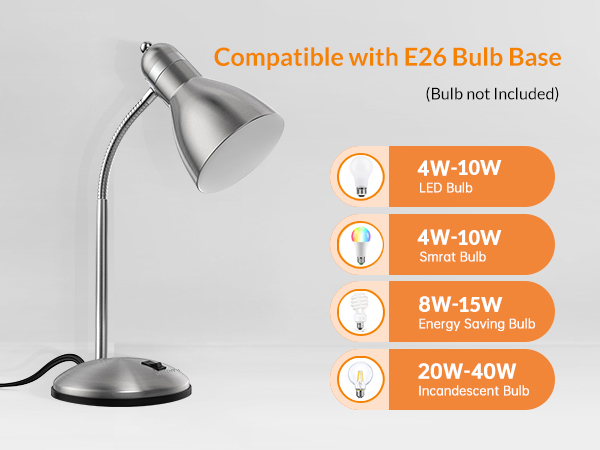
- E26:The most common size in the US, fits many desk lamps.
- E12:Smaller candelabra base, used in decorative or small lamps.
- GU10:Twist-and-lock base, often for spotlight-style desk lamps.
- B10:Bulb shape that is small and round, good for compact lamps.
Check your lamp’s socket before buying a bulb. The size must match exactly for safety.
How Bulb Size Affects Lighting
Bulb size impacts how light spreads and the lamp’s look. Larger bulbs often give more light. Smaller bulbs focus light better in one area.
The bulb size also affects heat. Bigger bulbs may get hotter and need better lamp ventilation. Smaller bulbs stay cooler, safe for tight spaces.
Choosing the right size ensures your lamp works well and lights your desk properly.
Matching Bulb Wattage To Your Needs
Choosing the right bulb wattage for your desk lamp affects comfort and productivity. Too bright can strain your eyes. Too dim makes tasks harder. Matching the wattage to your needs helps create a perfect light for reading or working. It also impacts your energy use. Understanding how much light you need guides you to the right bulb choice.
Optimal Wattage For Reading And Working
For reading and working, bulbs between 40 and 60 watts are usually best. This range gives clear, bright light without glare. Soft white or daylight bulbs improve focus and reduce eye strain. Use bulbs under 40 watts for gentle lighting or mood. For detailed work, 60 watts or more can help. Adjust the wattage based on your desk lamp’s size and shade.
Energy Efficiency Considerations
Energy-saving bulbs use less power and last longer than traditional bulbs. LED bulbs offer bright light with low wattage. A 10-watt LED can replace a 60-watt incandescent bulb. This lowers electricity bills and helps the environment. Look for bulbs labeled “energy-efficient” or “LED” to save energy. Also, check the lumen output to ensure enough brightness for your tasks.
Bulb Shape And Lamp Compatibility
Choosing the right bulb for your desk lamp is more than just picking a wattage. The shape of the bulb plays a crucial role in ensuring your lamp functions efficiently and safely. Understanding bulb shapes and how they fit with your lamp can make all the difference in your workspace lighting.
Standard Bulb Shapes For Desk Lamps
Desk lamps typically use a variety of standard bulb shapes. The most common include A19 bulbs, which are the classic, rounded bulbs you see everywhere. These are versatile and fit most desk lamps.
If you’re looking for something more decorative, globe bulbs offer a stylish touch with their round shape. These are perfect if your desk lamp is also part of your room’s aesthetic.
Another popular option is the candle bulb, which is narrower and looks like a flame. These are often used in smaller lamps where space is limited.
Ensuring Proper Fit And Safety
Always check the socket size and shape before purchasing a bulb. A mismatched bulb can not only fail to fit but may also pose safety risks.
Consider the maximum wattage your lamp can handle. Using a bulb with too high a wattage can lead to overheating, which might cause a fire hazard.
LED bulbs are an excellent choice for desk lamps as they offer great energy efficiency and produce less heat. They come in various shapes and can fit most lamp sockets with ease.
Have you ever bought a bulb that just wouldn’t fit? It’s a common problem but easily avoidable with a quick check of your lamp’s socket and recommended bulb specifications.
Choosing The Right Color Temperature
Choosing the right color temperature for your desk lamp is essential to create an environment where your eyes feel comfortable and your productivity stays high. The color temperature affects how light looks and feels, influencing your mood and focus. Understanding the difference between warm and cool light helps you pick the best bulb for your workspace.
Warm Vs Cool Light For Desk Work
Warm light usually has a color temperature between 2700K and 3000K. It gives off a cozy, yellowish glow, similar to traditional incandescent bulbs. This type of light is great for relaxing and winding down but might not be ideal for detailed tasks.
Cool light ranges from 4000K to 6500K and appears more white or blueish. It mimics daylight and can make colors appear sharper and clearer. If your work involves reading, writing, or any task that needs high attention to detail, cool light often works better.
Consider what kind of work you do most at your desk. Would you benefit from a calm, warm atmosphere, or do you need bright, focused light to stay alert?
Impact On Eye Comfort And Productivity
Choosing the wrong color temperature can strain your eyes and reduce your productivity. Warm light tends to be easier on the eyes during long sessions, preventing fatigue and headaches. However, it might make you feel sleepy if you need to stay alert.
Cool light can boost your alertness and concentration but may cause glare or discomfort if it’s too harsh or bright. Balancing brightness with the right color temperature is key. You might want to try adjustable lamps that allow you to switch between warm and cool light based on the time of day or task.
Have you noticed how different lighting affects your work focus? Experimenting with color temperature could be the simple change that improves your desk setup dramatically.
Led Vs Incandescent Vs Cfl Bulbs
Choosing the right bulb for your desk lamp means understanding the differences between LED, incandescent, and CFL bulbs. Each type offers unique benefits and drawbacks that affect your lighting experience, energy use, and overall cost. Knowing these differences helps you pick the best bulb size and type to match your needs.
Benefits And Drawbacks Of Each Type
- LED Bulbs: LEDs are energy-efficient and last a long time. They produce bright, clear light without heating up your desk. However, they can be pricier upfront compared to other bulbs.
- Incandescent Bulbs: These bulbs give off warm light that many find comfortable for reading and relaxing. They are cheap to buy but waste a lot of energy and burn out quickly.
- CFL Bulbs: Compact Fluorescent Lamps use less energy than incandescent bulbs and last longer. They may take a moment to reach full brightness and contain small amounts of mercury, which requires careful disposal.
Long-term Cost And Performance
LED bulbs often cost more initially but save money over time thanks to low energy use and long lifespan. You might only need to change your LED bulb once in several years, making it convenient and budget-friendly.
Incandescent bulbs are cheap upfront but lead to higher electricity bills and frequent replacements. If you switch bulbs a lot, this can add up quickly.
CFLs strike a middle ground in cost and energy savings. They last longer than incandescent bulbs but not as long as LEDs. Consider how often you use your desk lamp before deciding if CFL is right for you.
Have you thought about how much you want to spend on bulb replacements versus your electric bill? Sometimes investing a bit more now can save you headaches later.
Credit: www.amazon.com
Adjusting Bulb Brightness With Dimmers
Adjusting bulb brightness with dimmers transforms your desk lamp from a simple light source into a versatile tool tailored to your needs. Instead of settling for one level of brightness, you gain control over how much light fills your workspace. This flexibility can impact your mood, productivity, and eye comfort significantly.
Compatibility With Desk Lamps
Not every desk lamp works smoothly with dimmer switches. You need to check if your lamp’s wiring and bulb type support dimming. Many LED bulbs require specific dimmable versions, while incandescent bulbs generally work well with most dimmers.
Some desk lamps come with built-in dimmers, but if yours doesn’t, you can add an inline dimmer switch or replace the bulb with a dimmable one. Always verify the dimmer’s wattage rating to match your bulb’s power. Using incompatible bulbs or switches can cause flickering or even damage.
Creating Custom Lighting Ambiance
Dimmers let you set the perfect light level for any task or time of day. Bright light helps when you’re reading or writing, while a softer glow creates a calm atmosphere for brainstorming or relaxing. Have you noticed how harsh overhead lights can feel draining? Dimming your desk lamp can reduce that strain.
With dimmers, you can easily adjust lighting without getting up. This is especially handy during late-night work sessions when you want enough light to stay alert but not so much that it disrupts your sleep cycle later. Experimenting with different brightness levels helps you discover what enhances your focus and comfort the most.

Credit: www.amazon.ca
Frequently Asked Questions
What Bulb Size Fits Most Desk Lamps?
Most desk lamps use standard E26 or E27 bulb bases. These sizes fit common screw-in bulbs. Always check your lamp’s socket size before buying.
How To Choose The Right Wattage For Desk Lamps?
Choose wattage based on lamp specs and room lighting needs. Typically, 40-60 watts work well for desk lamps. LED bulbs offer bright light with lower wattage.
Can I Use Led Bulbs In Desk Lamps?
Yes, LED bulbs are ideal for desk lamps. They consume less energy, last longer, and produce less heat than incandescent bulbs. Make sure the base size matches.
What Bulb Brightness Is Best For Reading Lamps?
A brightness of 450 to 800 lumens is best for reading. This range provides clear, comfortable light without straining your eyes. Use warm or neutral white bulbs for comfort.
Conclusion
Choosing the right bulb size for your desk lamp matters a lot. It affects how bright your workspace will be. Too big or too small can cause problems. Always check your lamp’s label for size limits. Think about what you use the lamp for.
Reading needs more light than decoration. A good bulb makes work easier and eyes less tired. Keep these tips in mind to find the best bulb for your desk lamp. Bright, comfortable light helps you focus and enjoy your space.



