
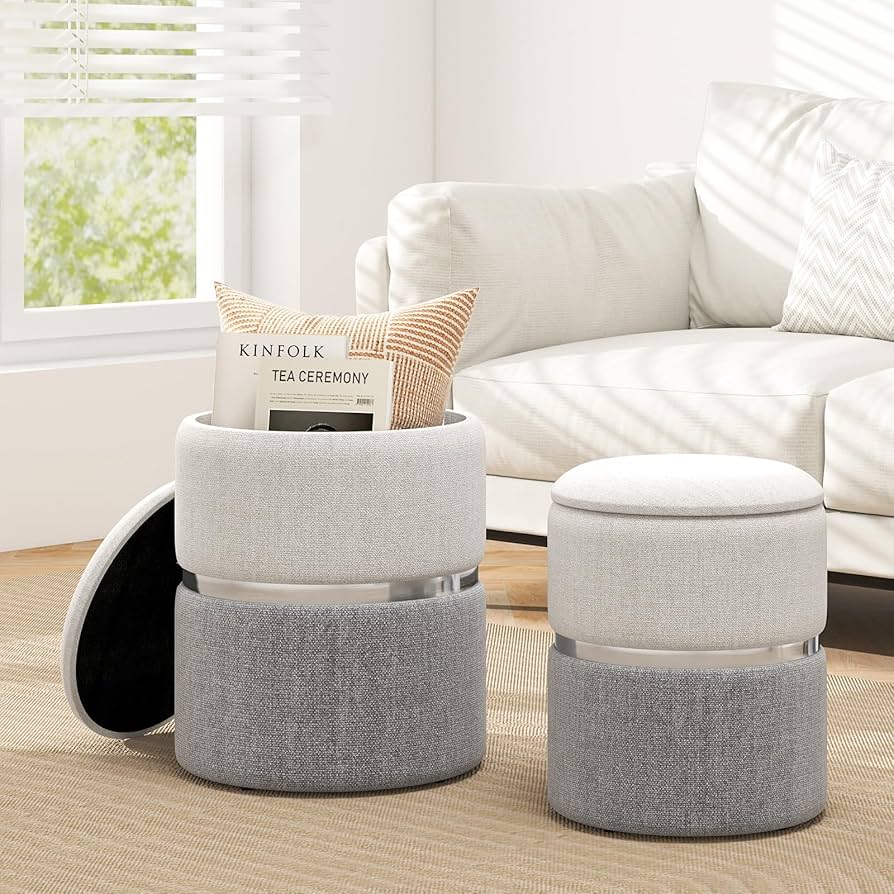
Choosing the right size ottoman or pouf can transform your living space, making it more comfortable and stylish. But how do you know which size fits best?
Picking the wrong size can leave your room feeling cramped or empty, and that’s frustrating. You want a piece that matches your space perfectly, blends with your furniture, and serves your needs—whether for extra seating, a footrest, or storage. Keep reading, and you’ll discover simple tips to find the perfect ottoman or pouf size that suits your home and lifestyle.
Your ideal cozy spot is just a few steps away.
Ottomans And Poufs Basics
Ottomans and poufs are versatile pieces that add comfort and style to any room. They serve multiple purposes, from extra seating to footrests. Understanding their basics helps in choosing the right size for your space. Both come in various shapes and materials, fitting different decor styles and needs.
Differences Between Ottomans And Poufs
Ottomans usually have a solid frame and may include storage inside. They often match sofas or chairs and have a structured look. Poufs are typically soft, lightweight, and smaller. They lack a frame and can be moved easily around the room. Poufs often serve as casual seating or decorative accents.
Common Uses In Home Decor
- Extra seating for guests in living rooms or bedrooms
- Footrests to enhance comfort while sitting
- Storage solutions hidden inside ottomans
- Accent pieces that add color or texture
- Coffee table substitutes with a tray on top
Choosing the right size depends on the room’s layout and purpose. Small poufs fit well in tight spaces. Larger ottomans work better in spacious areas or next to sofas. Both pieces improve functionality and style efficiently.

Credit: www.amazon.com
Choosing The Right Size
Choosing the right size ottoman or pouf affects both comfort and room flow. The right size fits your space and complements other furniture pieces. It helps keep the area balanced and inviting. Careful selection avoids overcrowding or awkward gaps.
Measuring Your Space
Start by measuring the area where you want to place the ottoman or pouf. Use a tape measure to note length and width. Allow extra room around the piece for easy movement. Check doorways and pathways to ensure the ottoman fits well.
Mark the space on the floor with painter’s tape. This visual guide helps you see how much room the ottoman will take. Think about how the piece will interact with your existing furniture.
Considering Furniture Scale
Look at the size of your sofa, chairs, and tables. The ottoman or pouf should not overpower or disappear among them. A small ottoman can get lost next to a large sectional. A very large ottoman can block views or walkways.
Choose a size that matches or complements your main furniture. For example, a medium pouf works well with a standard sofa. A bigger ottoman can replace a coffee table in a spacious living room.
Proportions For Comfort And Style
The height of the ottoman or pouf matters for comfort. It should be close to the seat height of nearby furniture. This makes it easy to rest your feet or use as extra seating.
Shape and size also impact style. Round poufs fit casual spaces, while rectangular ottomans suit formal rooms. Think about how the piece will look and feel in your room’s design.
Ottoman Size Recommendations
Choosing the right size for ottomans and poufs can transform your space. The right fit adds both style and functionality to your room. Let’s explore the different size recommendations for ottomans and poufs.
Standard Ottoman Dimensions
Standard ottomans come in various sizes. A typical ottoman is about 18 inches tall. Most ottomans range from 14 to 20 inches in height. The width and length often range from 18 to 36 inches. This size works well for most seating areas. It provides a comfortable resting place for your feet. It can also serve as extra seating or a coffee table.
Sizes For Small Spaces
In small spaces, every inch matters. Choose compact ottomans for tight areas. Consider ottomans with a width of 16 to 18 inches. Height should remain around 14 to 16 inches. Poufs are great for small spaces. They often measure about 14 to 16 inches in diameter. Their soft, rounded shape fits well in cozy corners.
Sizes For Large Rooms
Large rooms offer more flexibility. You can opt for bigger ottomans. Think about dimensions of 24 to 36 inches wide. The height can remain standard at 18 inches. Large poufs work well in open spaces. They can be 20 inches or more in diameter. These sizes fill the space without overwhelming it. They also provide ample seating and comfort.

Credit: www.amazon.com
Pouf Size Guide
Choosing the right pouf size is key for comfort and style. The right size makes your space cozy and practical. This pouf size guide helps you find the perfect fit for every room and use.
Popular Pouf Sizes
Standard poufs usually range from 16 to 20 inches in diameter. Square poufs often measure around 18 to 20 inches on each side. These sizes fit well in living rooms and bedrooms. They offer enough space to sit or rest your feet comfortably. Medium sizes blend easily with most furniture layouts.
Best Sizes For Kids’ Rooms
Small poufs work best for kids’ rooms. Sizes between 12 and 16 inches are ideal. These are easy for children to move and sit on. Lightweight poufs in bright colors add fun to play areas. Smaller sizes keep the room open and safe for kids to play.
Sizes For Multifunctional Use
For multiple uses, choose poufs around 18 to 24 inches. Larger sizes can serve as extra seating or a small table. Round or square shapes both work well. Consider soft yet firm poufs for stability. This size fits well in living rooms, offices, or guest areas.
Shape And Height Considerations
Choosing the right shape and height for your ottomans and poufs can dramatically affect both the style and functionality of your space. These elements don’t just fill space—they interact with your furniture and influence how comfortable and practical your room feels. Paying attention to these details helps you pick pieces that fit naturally into your daily life.
Round Vs. Square Ottomans And Poufs
Round ottomans and poufs add softness to a room’s design. Their curved edges create a relaxed, inviting vibe, perfect if you want to break up the sharp lines of sofas or tables. They also work well in tighter spaces since they allow easy movement around the room without sharp corners in the way.
Square ottomans and poufs offer a more structured look. They can double as extra seating or even a coffee table when topped with a tray. If you often entertain guests, a square shape might give you more surface area to place drinks or snacks.
- Round shapes soften a room and improve flow.
- Square shapes provide more flat surface area for practical use.
- Consider your room layout—do you want flow or formality?
Ask yourself: Do you want your ottoman to blend in or stand out? The shape you pick can help you achieve either goal.
Height Matching With Chairs And Sofas
The height of your ottoman or pouf should complement the seating around it. If it’s too low, it feels awkward to use as a footrest or table. Too high, and it becomes uncomfortable or looks out of place.
Ideally, your ottoman should be the same height or just a little lower than your sofa or chair seat. This ensures your legs rest naturally when you kick back. Matching heights also create a cohesive look that feels intentional, not accidental.
| Seating Type | Recommended Ottoman Height |
|---|---|
| Standard Sofa (18″ – 20″) | 16″ – 18″ |
| Armchair (18″ – 20″) | 16″ – 18″ |
| Low Lounge Chair (14″ – 16″) | 12″ – 14″ |
Try sitting down and testing the height before buying. Does your foot rest comfortably? Does the ottoman feel like a natural extension of your seating? If not, keep looking until you find the right match.

Credit: chitaliving.com
Styling Tips By Size
Choosing the right size ottoman or pouf can change the entire look and feel of your living space. Understanding how to style them based on their size helps you maximize both function and aesthetics. Let’s break down practical ways to use small, large, and mixed-size ottomans to elevate your room.
Pairing Small Ottomans And Poufs
Small ottomans and poufs are incredibly versatile. You can easily move them around, making them perfect for extra seating or footrests.
Try pairing two or three small poufs in a cozy corner to create a casual seating area. This works well if you like hosting guests but don’t want bulky furniture taking up space.
Consider patterns and textures that complement your sofa or rug. A bright pouf can add a pop of color without overwhelming your room’s design.
Using Large Ottomans As Coffee Tables
Large ottomans can double as stylish coffee tables. Their soft surfaces make them safe around kids and pets, unlike glass or wood tables.
Add a sturdy tray on top to hold drinks, books, or decorative items. This keeps things stable and organized while maintaining the ottoman’s cozy appeal.
Think about scale here: your ottoman should be roughly the same height as your sofa seat. This makes it easy to reach and visually balanced.
Layering Different Sizes
Combining various ottoman sizes adds depth and interest to your space. For example, a large ottoman paired with a couple of smaller poufs invites movement and flexibility.
Use the smaller pieces to fill in gaps or create mini seating zones. This layering technique can make your living area feel dynamic without cluttering it.
Have you tried arranging different sizes in your room? Notice how it encourages interaction and adapts to different needs throughout the day.
Material And Durability Factors
Choosing the right material and durability for ottomans and poufs is essential. These factors affect not just the look but also the size you should pick. Different materials change how big or small the piece should be. Durability matters more in busy spaces. It determines how long your ottoman or pouf will last. Understanding these helps you select the perfect size and style for your home.
Impact Of Material On Size Choices
Materials like leather, fabric, or woven fibers each have unique traits. Leather tends to be stiffer and holds shape well. This allows for larger ottomans without sagging issues. Soft fabrics may stretch or wrinkle, so smaller sizes work better. Woven or knitted poufs often compress with use. Choosing a smaller size avoids a bulky look in your room. The feel and weight of materials also influence size decisions. Heavier materials need more support and space. Lighter materials offer flexibility in size and placement.
Durability For High-traffic Areas
Durability is key in busy rooms like living rooms or play areas. Strong fabrics resist stains and tears better. Consider materials with reinforced stitching for longer life. Hard-wearing surfaces support larger ottomans that get frequent use. Durable materials help keep shapes intact over time. Avoid delicate fabrics in high-traffic zones to prevent fast wear. Opt for easy-to-clean materials for convenience. This ensures your ottoman or pouf stays useful and attractive.
Budgeting For Ottomans And Poufs
Budgeting for ottomans and poufs is a smart step before making your purchase. These pieces come in various sizes and styles, each affecting the price differently. Knowing what to expect can help you find the perfect balance between your needs and your wallet.
Price Differences By Size
The size of an ottoman or pouf plays a big role in its price. Smaller poufs often cost less because they use less material and require simpler construction. Larger ottomans usually come with a higher price tag due to more fabric, padding, and sometimes added features like storage.
For example, a small round pouf might cost around $50 to $100, while a large rectangular ottoman with storage can range from $200 to $500 or more. You might ask yourself, how much space do you really need to fill? Choosing a size that fits your room well can save you money and avoid overcrowding your space.
Cost Vs. Value Considerations
Price isn’t the only factor to consider. Think about how often you’ll use the ottoman or pouf and what functions it will serve. A pricier piece with durable materials and versatile uses might save you money in the long run.
For instance, a mid-sized ottoman with storage can double as a coffee table and extra seating. This versatility adds value beyond the initial cost. Ask yourself, what features matter most to you? Focusing on value helps you invest wisely rather than just buying the cheapest option.
Frequently Asked Questions
What Size Ottoman Fits Best In A Small Living Room?
A small ottoman around 18-22 inches works well in compact spaces. It provides comfort without crowding the room. Choose lightweight designs for easy movement and space flexibility.
How To Choose The Right Pouf Size For Seating?
Pick a pouf about 16-20 inches high for comfortable seating. Ensure it complements your sofa height and offers enough surface area for resting feet or sitting.
Can Ottoman Size Affect Room Flow And Layout?
Yes, oversized ottomans can block pathways and make rooms feel cramped. Select sizes proportional to your furniture and space to maintain smooth traffic flow.
What Ottoman Size Is Ideal For Use As A Coffee Table?
Choose a larger ottoman, typically 36-48 inches long and 18-20 inches high. It should provide ample surface area and match the height of your sofa.
Conclusion
Choosing the right size ottoman or pouf makes your space feel balanced. Small ottomans fit well in cozy areas or beside chairs. Larger poufs work great as extra seats or coffee table substitutes. Measure your room and think about how you will use it.
Comfort and style both matter. Pick a size that suits your needs and space. This way, your ottoman or pouf will add both function and charm to your home. Simple and smart choices create the best living spaces.



