
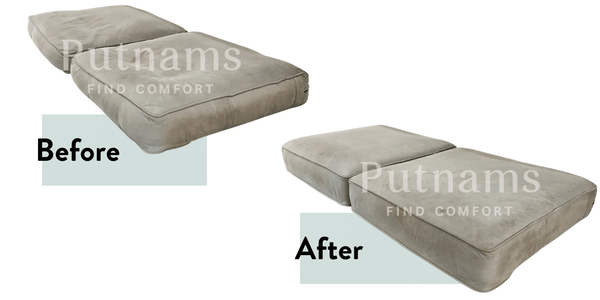
Is your pouf starting to look flat and lifeless? You’re not alone.
Over time, poufs can lose their volume and comfort, making them less inviting and less functional. But don’t worry—there are simple and effective ways to bring your pouf back to life. If you want to restore its fluffiness and make it feel as cozy as the day you bought it, keep reading.
You’ll discover easy tips and tricks that will save you money and time, and help you enjoy your pouf like new again.
Signs Of A Deflated Pouf
Noticing your pouf losing its volume can be frustrating. But before rushing to replace it, look closely for specific signs that show your pouf is deflating. Recognizing these signs early can help you decide if a simple fix is possible or if it’s time to consider other options.
Visible Sagging And Flattening
One clear sign your pouf is losing volume is visible sagging. Instead of a plump, inviting seat, it looks sunken and uneven.
You might see the fabric wrinkling or the filling shifting to one side. Has your pouf lost its bounce and looks more like a cushion than a sturdy seat?
Loss Of Comfort And Support
Does your pouf feel less comfortable than before? If you notice it no longer supports your weight well, that’s a red flag.
Your pouf should give gentle resistance when you sit or lean on it. If it feels flat and offers no support, it’s likely lost a lot of its filling or the filling has compacted.
Changes In Shape And Firmness
Check if your pouf’s shape has altered significantly. A round pouf might become lumpy or misshapen over time.
Firmness matters too—if it’s too soft or too hard in spots, the filling inside may have shifted or degraded. Do you find yourself adjusting your sitting position because the pouf no longer feels balanced?
Common Causes Of Volume Loss
Understanding why your pouf loses volume helps in fixing it properly. Poufs lose their firmness due to a few common reasons. Knowing these causes can save you time and effort in restoring comfort.
Wear And Tear Over Time
Poufs go through daily use, which wears down their structure. Continuous sitting and movement cause the filling to break down. The outer fabric may also stretch or thin, reducing support. This natural aging results in less volume and firmness.
Leaks And Air Escapes
Some poufs use air or foam beads inside for volume. Small holes or weak seams can let air escape slowly. Over time, this causes the pouf to deflate and lose shape. Checking for leaks helps keep the pouf firm and full.
Material Compression
The filling inside poufs compresses with pressure and weight. Foam and beads lose their bounce after repeated use. This compression means the pouf looks flat and feels less comfortable. Adding or replacing filling can restore its original volume.
Quick Fixes To Restore Volume
Fluffing the pouf by shaking it helps bring back its shape and volume quickly. Adding extra filling or replacing flattened beads restores comfort and firmness. Regularly rotating the pouf prevents uneven wear and keeps it looking full longer.
Having a pouf that has lost its volume can be frustrating, especially when it’s a centerpiece in your living space. But don’t worry, there are quick fixes to bring it back to life. Whether it’s flattening, sagging, or just looking tired, these simple solutions can help restore its shape and fluffiness. Let’s dive into some practical tips to rejuvenate your pouf.Fluffing And Shaking Techniques
One of the simplest methods to bring back volume to your pouf is by fluffing and shaking it. Start by giving it a good shake, holding it by its sides. This helps to redistribute the internal filling evenly. You can also use your hands to knead and massage the pouf, just as you would with a pillow. This will help to break up any clumps inside and restore its original shape. Do this regularly to keep your pouf looking lively and inviting.Adding Extra Filling
If your pouf still looks deflated after fluffing, consider adding extra filling. This is a great way to give it a new lease on life. You can use materials like polyester fiberfill, old clothes, or even bean bag refill beads. Open up the pouf, typically by unzipping or unstitching, and add the filling gradually. Ensure you evenly distribute the material to maintain a balanced shape. This simple addition can significantly increase the volume and comfort of your pouf.Reinflating Air-filled Poufs
Air-filled poufs, while convenient, can lose air over time. If you have one of these, reinflation is your best friend. Use a hand pump or electric pump to restore its firmness. Make sure not to overinflate, as this can strain the seams and lead to leaks. Test the pouf by pressing down to feel if it has the right bounce and support. This quick fix can instantly make your pouf look and feel brand new. — By addressing these issues promptly, you can ensure your pouf remains a stylish and comfortable part of your home decor. Which method will you try first to revive your pouf’s volume?Credit: www.costco.com
Diy Filling Options
When your pouf loses volume, refilling it at home can bring it back to life. DIY filling options are easy and budget-friendly. They let you customize the firmness and comfort of your pouf. Each option uses common materials that are often available around the house or at local stores.
Using Polyester Fiberfill
Polyester fiberfill is soft, lightweight, and easy to work with. It adds fluffiness and helps the pouf regain shape. Buy polyester fiberfill at craft or fabric stores. Simply open your pouf, add the fiberfill evenly, and close it up.
- Distribute the fiberfill to avoid lumps.
- Use small amounts at first, then add more as needed.
- Fluff the pouf after filling to spread the fibers.
Recycling Old Pillows
Old pillows are a great source of filling material. They often contain polyester, feathers, or foam. Open the pillow carefully and take out the filling. Add the filling to your pouf for a thicker, cushioned feel.
- Check pillow filling for comfort and durability.
- Mix fillings from different pillows if needed.
- Seal the pouf tightly to keep the filling inside.
Adding Foam Pieces
Foam pieces offer firm support and long-lasting volume. Cut foam into small chunks or strips for easy filling. Use upholstery foam or old foam cushions from furniture.
- Combine foam pieces with fiberfill for softness and support.
- Pack the foam tightly for better shape retention.
- Cover sharp foam edges to prevent punctures inside the pouf.
Preventing Future Deflation
Preventing future deflation of your pouf helps keep it comfortable and attractive. Small efforts in care and use extend its life and maintain volume. Understanding key tips and habits stops early sagging and keeps the pouf full.
Regular Maintenance Tips
Check your pouf regularly for signs of wear or leaks. Fluff the filling often to redistribute it evenly inside. Clean the cover as recommended to avoid dirt buildup. Repair small holes or tears quickly to stop air loss.
Choosing Durable Materials
Select poufs made from strong fabrics like leather or heavy canvas. Choose fillings that resist compression, such as high-density foam or memory foam. Materials that hold shape longer reduce the chance of quick deflation. Investing in quality prevents frequent refills or replacements.
Proper Usage Guidelines
Use the pouf only for sitting or light resting. Avoid standing or jumping on it, which damages the filling and cover. Place it on flat surfaces to prevent uneven pressure points. Follow weight limits given by the manufacturer to protect the structure.

Credit: www.youtube.com
When To Replace Your Pouf
Knowing when to replace your pouf is key to keeping your space comfortable and stylish. Poufs lose volume over time, but some damage cannot be fixed. Timely replacement saves money and avoids frustration. Recognize the signs that your pouf no longer serves its purpose well.
Signs Of Irreparable Damage
- The pouf feels hard or flat even after refilling.
- Fabric is torn, worn out, or stained beyond cleaning.
- Seams are splitting or stuffing is escaping.
- Structure inside is broken or misshapen.
- Unpleasant odors persist despite cleaning efforts.
Cost Vs. Repair Considerations
Compare the cost of repair with buying a new pouf. Repairs can be expensive if stuffing or fabric replacement is needed. Sometimes, fixing one problem reveals more damage. New poufs often come with warranties and better materials. Spending too much on an old pouf may not be worth it.
Choosing A New Pouf
Pick a pouf that fits your room’s style and size. Consider materials that hold volume longer, such as memory foam or high-density filling. Look for durable fabric that is easy to clean. Think about the pouf’s purpose: extra seating, footrest, or decor. Choose a pouf that blends with your home and lasts.
Credit: www.walmart.ca
Frequently Asked Questions
How Can I Restore My Pouf’s Lost Volume Quickly?
To restore volume, fluff the pouf by shaking and kneading it. Add new stuffing like polyester fiberfill if needed. Regularly fluffing prevents flattening and keeps it comfortable and plump.
What Causes A Pouf To Lose Its Volume Over Time?
Poufs lose volume due to compression from frequent use and weight. The stuffing breaks down and settles, reducing puffiness. Exposure to moisture or poor-quality filling also accelerates volume loss.
Can I Refill My Pouf With Household Materials?
Yes, you can use old pillows, foam scraps, or fabric scraps to refill your pouf. Ensure materials are clean and soft for comfort. This is an affordable way to restore volume and extend pouf life.
How Often Should I Fluff My Pouf To Maintain Volume?
Fluff your pouf weekly or after heavy use. Regular fluffing redistributes filling and prevents permanent flattening. Consistent care keeps your pouf looking fresh and supportive longer.
Conclusion
A pouf that loses volume can feel less comfy. Fixing it is easier than you think. Fluff it up or add some new stuffing. Regular care helps keep it soft and full. Small steps make your pouf look fresh again.
Enjoy your cozy spot without spending much. Try these tips and bring life back to your pouf. Simple actions make a big difference in comfort. Keep your space inviting and your pouf ready to use.



