
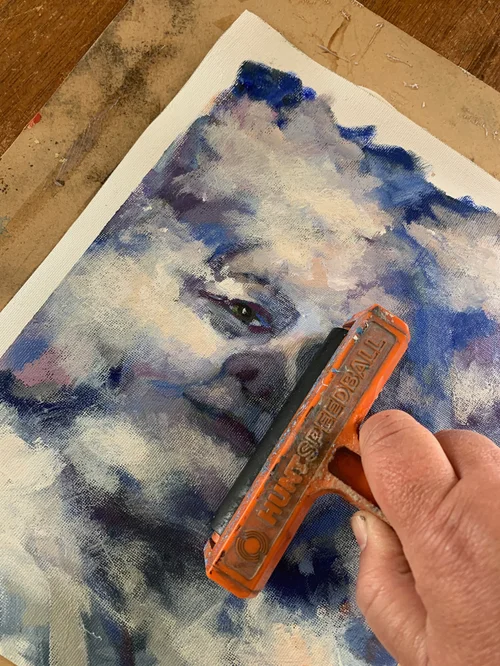
You’ve got a blank canvas staring back at you. It’s full of potential, but also a little intimidating.
What can you do with it? Whether you’re an artist, a DIY lover, or just someone looking to add a personal touch to your space, this blank canvas is your playground. You’ll discover simple, creative ideas that turn that empty surface into something amazing.
Ready to unlock your canvas’s true potential? Keep reading and let your creativity flow.
Choosing The Right Canvas
Choosing a canvas depends on the project and surface texture needed. Different materials suit various paints and styles. Consider size, fabric type, and durability before starting your artwork.
Choosing the right canvas is essential for any art project. The canvas is the foundation for your masterpiece. It impacts the final look of your artwork. Selecting the best canvas involves understanding types, sizes, and preparation.Different Canvas Types
Canvas comes in various types. Cotton is the most common. It’s affordable and stretches well. Linen is more expensive. It offers a smoother surface. Synthetic canvases are durable. They resist moisture and are less prone to damage. Each type has unique benefits. Consider your project’s needs before choosing.Selecting Canvas Sizes
Canvas size matters. It affects your artwork’s impact. Small canvases are great for detail. Large canvases are bold and eye-catching. Consider your space and style. Match the canvas size to your vision.Preparing The Canvas Surface
Preparation ensures a smooth surface. Start by priming the canvas. This seals the fibers. It also prevents paint absorption. Gesso is a common primer. Apply it evenly. Let it dry completely before painting. Proper preparation enhances color and texture. It ensures your artwork lasts.Classic Painting Techniques
Classic painting techniques provide a timeless way to bring your canvas to life. They offer a solid foundation whether you’re a beginner or looking to refine your skills. Understanding these techniques can help you express your creativity with more control and confidence.
Acrylic Painting Tips
Acrylic paint dries quickly, which lets you build layers fast. Use thin layers to avoid cracking and allow colors to stay vibrant.
Try working with a palette knife for texture or blending colors while wet for smooth transitions. Remember, you can always add water to thin acrylics for a watercolor-like effect.
Have you experimented with adding mediums to acrylic paint? These can change drying time and finish, giving your canvas a unique look.
Oil Painting Basics
Oil paints take longer to dry, which gives you more time to blend and create smooth gradients. Use this to your advantage when working on detailed portraits or landscapes.
Start with a thin “lean” layer and build up to thicker “fat” layers to avoid cracking. Patience is key here—oil painting rewards slow, deliberate work.
Have you noticed how oil paints can produce richer colors? This makes them perfect for deep shadows and glowing highlights on your canvas.
Watercolor On Canvas
Watercolor on canvas is less common but can produce stunning effects. Use a specially prepared canvas or apply a watercolor ground to allow the paint to absorb properly.
Unlike paper, canvas won’t buckle, so you can layer washes without worry. This opens up possibilities for bold, transparent layers that retain vibrancy.
Have you tried mixing watercolors with acrylic mediums on canvas? It creates interesting textures and can add depth to your work.
Mixed Media Approaches
Mixed media approaches open up a world of possibilities for your canvas. By combining different materials and techniques, you create rich, layered artworks that capture attention and invite closer inspection. These methods encourage you to think beyond paint and brush, adding depth and interest in surprising ways.
Incorporating Textures
Adding texture to your canvas transforms a flat surface into a tactile experience. You can use thick paint, modeling paste, or even fabrics to build up areas that catch light differently. I once added sand to my acrylic paint, which gave the piece a gritty, raw feel that made it stand out in a gallery setting.
Try pressing textured materials like bubble wrap or leaves into wet paint for unique patterns. Don’t hesitate to experiment with layering textures—sometimes the most unexpected combos work best.
Using Collage Elements
Collage lets you bring in paper, photos, or fabric pieces to tell a story or add visual contrast. You might glue magazine clippings or handwritten notes onto your canvas to create a narrative or mood. When I added old book pages to a canvas, it gave the piece a nostalgic vibe that sparked conversations every time.
Think about how different papers and images can interact. Layering translucent tissue paper over bold prints can soften or highlight parts of your work.
Adding Found Objects
Found objects give your canvas a three-dimensional quality and often a personal touch. Small items like buttons, keys, or natural elements such as twigs can become focal points or subtle accents. I once embedded tiny metal gears into a canvas, which added an industrial edge and made the piece more dynamic.
Consider how these objects relate to your theme or message. Attaching them securely with strong adhesive or embedding them in thick paint ensures they last and stay part of your artwork.
Credit: www.getunderlined.com
Non-traditional Canvas Uses
Canvas offers more than just a surface for painting. It can transform into unique art pieces and decor items. Exploring non-traditional uses of canvas adds creativity to your space. These ideas breathe new life into plain canvases beyond their usual purpose.
Canvas As Wall Art
Canvas can become striking wall art without paint. Stretch fabric with interesting patterns or textures on a frame. Use stencils or stamps to create simple designs. Layer pieces of canvas to add depth and shape. This approach creates a modern, textured look on any wall.
Creating Canvas Sculptures
Canvas can form lightweight sculptures. Wrap it around wireframes or mold it with glue and paint. Sculptures can be abstract shapes or resemble natural forms. The material’s flexibility allows for creative three-dimensional art. These pieces add an artistic touch to any room.
Canvas In Home Decor
Canvas works well for home decor projects. Make custom pillow covers, table runners, or lampshades. Paint or dye the canvas to match your style. Use it to cover storage boxes for a neat, artistic look. Canvas items bring texture and color to living spaces.
Creative Techniques To Try
Trying new creative techniques on your canvas can open up exciting possibilities for your artwork. These methods let you play with texture, color, and form in unexpected ways. Whether you want to add energy, precision, or depth, experimenting with different styles can help you find your unique voice.
Splatter And Drip Effects
Splatter and drip effects bring movement and spontaneity to your canvas. You can create these by flicking paint from a brush or allowing it to drip naturally from the edge. I once tried splattering bright colors over a dark background, and the result was a vibrant starry sky that felt alive.
Try varying the thickness of your paint and the height you drop it from to control the size of the splatters. This technique works great for abstract pieces or adding a lively background layer. Would you dare to let go of control and embrace the randomness?
Stencil And Masking Methods
Stencil and masking methods help you add sharp shapes and patterns to your canvas. Use tape, paper cutouts, or store-bought stencils to block off areas before painting over them. One time, I masked off geometric shapes and painted over them with contrasting colors, creating a clean, modern look.
These techniques are perfect if you want to mix precision with freehand painting. You can layer multiple stencils for complex designs or experiment with different textures inside masked areas. How might adding crisp edges change the feel of your artwork?
Layering And Glazing
Layering and glazing let you build depth and richness by applying thin, transparent paint layers. Start with a base color, then add subtle shades on top to create glowing effects or soft transitions. I noticed that glazing made my portraits look more lifelike, with skin tones that seemed to breathe.
This approach requires patience, as each layer must dry before adding the next. Use slow-drying paints like oils or special mediums for best results. What new details could you reveal by painting in layers rather than all at once?

Credit: www.youtube.com
Personalizing Your Canvas
Personalizing your canvas transforms a blank space into a unique expression. It lets your style and feelings show clearly. This creative act makes your art special and meaningful. Simple ideas can make your canvas stand out and reflect who you are.
Incorporating Words And Quotes
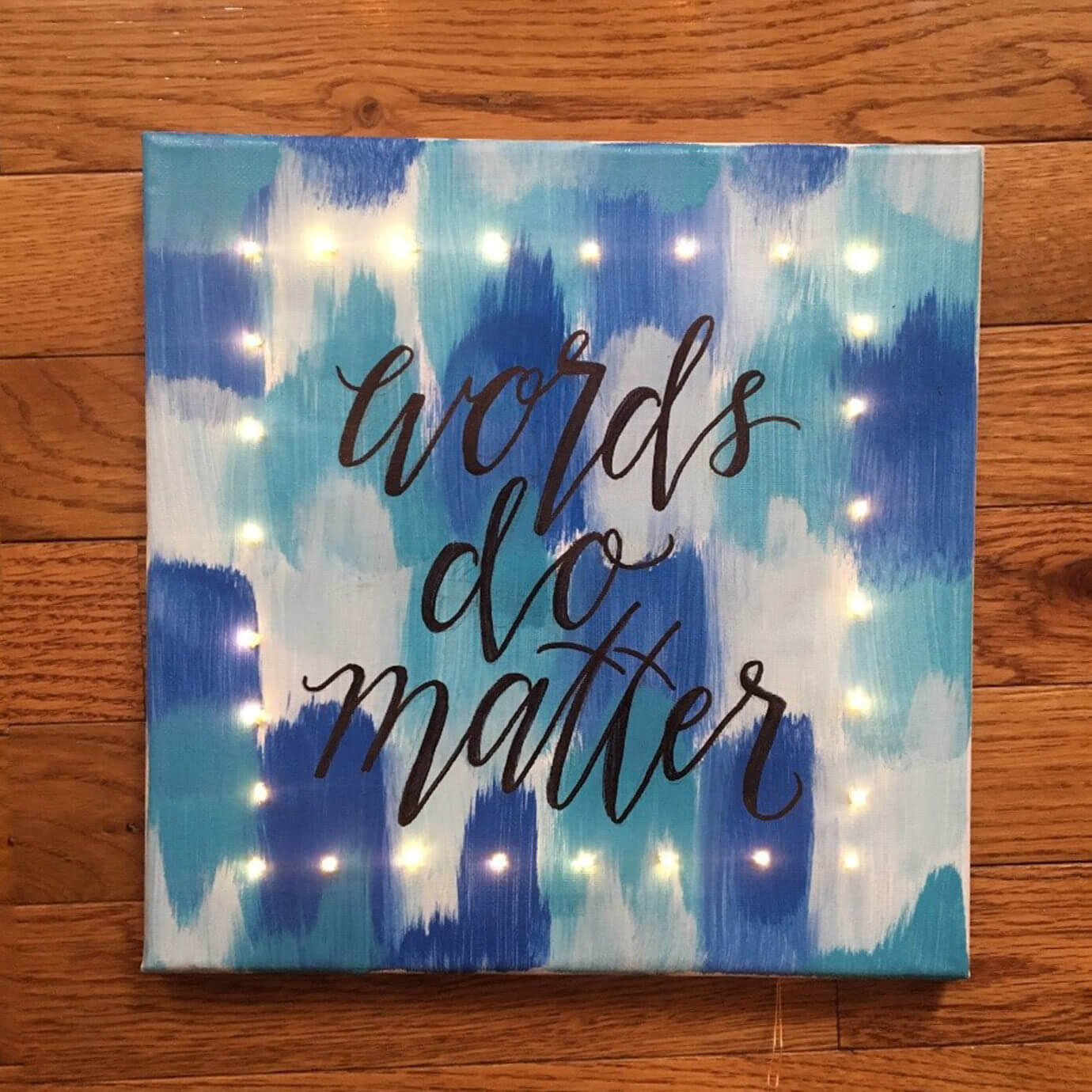
Adding words or quotes gives your canvas a voice. Choose phrases that inspire or comfort you. Use clear, bold fonts for easy reading. Handwriting can add a personal touch and warmth. Experiment with placement to balance text and visuals.
Using Bold Colors And Patterns
Bright colors catch attention and bring energy to your canvas. Mix colors that you love or that match your room. Patterns add texture and interest. Try stripes, dots, or shapes to create movement. Layer colors for depth and a lively look.
Experimenting With Abstract Art
Abstract art frees you from rules and shapes. Use splashes, strokes, or random forms to express feelings. Focus on colors and textures rather than objects. Let your mood guide your brush. Abstract pieces invite viewers to find their own meaning.
Displaying And Caring For Canvas Art
Displaying and caring for canvas art goes beyond just hanging it on a wall. How you present your canvas can enhance its beauty and protect it from damage over time. Proper care ensures your artwork remains vibrant and intact for years to come.
Framing Options
Choosing the right frame can dramatically change the look of your canvas. Some prefer a classic wooden frame to add warmth, while others opt for a sleek metal frame for a modern touch.
Floating frames are popular because they give the illusion that your canvas is suspended within the frame, adding depth and sophistication. You can also leave your canvas unframed, especially if it has finished edges or a gallery wrap. This minimalist style works well in contemporary spaces.
Think about where your canvas will hang. A frame should complement the room’s style without overpowering the artwork. Have you tried mixing frame styles in the same room for a unique gallery vibe?
Lighting Tips
Good lighting can transform your canvas, revealing details you might not notice otherwise. Natural light is ideal but avoid direct sunlight, as it can fade colors over time.
LED lights are a safe choice because they emit minimal heat and don’t damage the paint. Position adjustable spotlights or track lighting to highlight your canvas at an angle, reducing glare and shadows.
Experiment with lighting color temperatures. Warmer lights can create a cozy feel, while cooler lights may make colors pop more vividly. How does changing your room’s lighting affect the mood of your artwork?
Cleaning And Preservation
Canvas art requires gentle cleaning to avoid damage. Use a soft, dry brush or microfiber cloth to dust the surface regularly. Avoid using water or cleaning solutions unless the canvas is sealed or varnished.
If your canvas is in a humid area, consider a dehumidifier to prevent mold and mildew. Keep the artwork away from fireplaces, air conditioners, and vents to avoid extreme temperature changes.
For long-term preservation, you might want to apply a protective varnish or consult a professional conservator. Regularly inspect your canvas for signs of wear or damage. What small steps can you take today to protect your canvas art tomorrow?

Credit: www.youtube.com
Frequently Asked Questions
What Are Creative Uses For A Blank Canvas?
A blank canvas can be transformed into paintings, mixed media art, or fabric prints. It also works for DIY home decor projects and personalized gifts.
How Do I Prepare A Canvas For Painting?
To prepare, prime the canvas with gesso. This creates a smooth, absorbent surface. Let it dry fully before starting your artwork.
Can I Reuse An Old Canvas?
Yes, you can repaint over old canvases. Lightly sand the surface and apply a fresh coat of gesso to start anew.
What Materials Work Best On Canvas?
Acrylics, oils, and fabric paints work well on canvas. These mediums adhere properly and offer vibrant, lasting results.
Conclusion
A blank canvas holds many possibilities. You can paint, draw, or even craft on it. Use it to express your thoughts or decorate your home. Don’t worry about mistakes; they add character. Each canvas tells a unique story, shaped by your ideas.
Start small and enjoy the creative process. Let your imagination guide you. A canvas is more than just material—it’s a chance to create something new. Try different styles and have fun with your art.



