
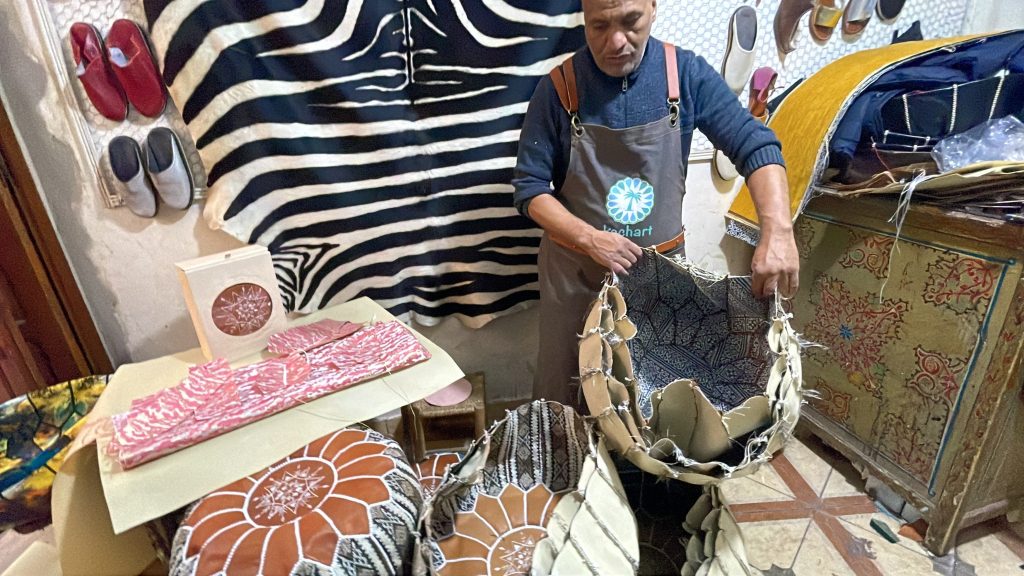
Are you wondering what to stuff your Moroccan pouf with to get the perfect mix of comfort and style? Choosing the right filling can transform your pouf from just a decorative piece into a cozy spot you’ll love to use every day.
Whether you want it firm for extra support or soft for lounging, the stuffing you pick makes all the difference. Keep reading to discover easy, practical options that will help you create the ideal pouf tailored just for you.
Choosing The Right Filling
Choosing the right filling for your Moroccan pouf is essential for both comfort and durability. The filling affects how the pouf feels when you sit on it and how well it holds its shape over time. Understanding what options are available helps you pick the best one for your lifestyle and space.
Factors To Consider
Think about how you will use your pouf. Will it serve mainly as extra seating, a footrest, or even a side table? The purpose influences the type of filling that works best.
Also, consider the weight of the filling. A very heavy filling can make the pouf hard to move around, while a lighter one might not offer enough support. Storage space for refilling or replacing the stuffing is another important factor.
Durability And Comfort
Durability is key if you expect frequent use. Materials like high-density foam or tightly packed polyester fiberfill provide long-lasting support and bounce back well after use.
Comfort can vary greatly between fillings. For example, natural fillings such as shredded leather or cotton give a soft, cozy feel but may compress faster. Synthetic fillings often provide firmer support and resist moisture better.
Ask yourself: do you prefer a firm pouf that keeps its shape or a softer one that molds to your body? Your answer will guide the choice between different stuffing materials.
Traditional Fillings
Traditional fillings for Moroccan poufs include foam, cotton, or fabric scraps. These materials provide a firm yet comfortable structure for seating. Using natural or recycled stuffing helps maintain the pouf’s shape and durability.
When you’re choosing what to stuff your Moroccan pouf with, traditional fillings offer not only authenticity but also a variety of textures and support. Understanding these traditional materials can enhance both the look and feel of your pouf. Whether you’re after a plush and cozy vibe or a firm and structured support, there’s a traditional filling that fits your needs.Cotton And Wool
Cotton and wool are classic choices for filling Moroccan poufs. They provide a soft yet firm texture that molds comfortably to your shape. Using these materials, you can create a pouf that feels both supportive and inviting. Think about your favorite cotton sweater or wool blanket—that same warmth and coziness can be part of your living space. Imagine sinking into a pouf that feels as comforting as a hug. These natural fibers are breathable, helping to maintain a comfortable temperature year-round.Kapok Fiber
Kapok fiber is an underrated gem in the world of traditional pouf fillings. Lightweight yet supportive, kapok is derived from the fluffy fibers of the kapok tree seed pods. This makes it an eco-friendly option, aligning with sustainable living practices. Kapok provides a unique, buoyant feel that’s both soft and resilient. Picture a pouf that gently supports you, bouncing back to shape after each use. It’s like having a cushion that never loses its fluff.Straw And Natural Materials
Straw and other natural materials offer an earthy, grounded feel to your Moroccan pouf. They provide a firm structure that maintains its shape over time, perfect for those who prefer a more solid seat. These materials can add an organic touch to your home, connecting your indoor space with nature. Have you ever considered how bringing the outdoors inside can create a serene environment? Using straw or similar materials can subtly transform the ambiance of your room, making it feel both rustic and chic.Modern Filling Options
Modern filling options offer comfort and durability for your Moroccan pouf. These materials keep the pouf firm yet soft. They also maintain shape over time. Choosing the right filling affects the look and feel of your pouf. Here are some popular modern choices that work well.
Foam Pieces
Foam pieces create a dense and supportive filling. They provide good shape retention. Foam is lightweight and easy to handle. It offers a firm feel but still cushions well. Using shredded foam allows you to adjust softness by adding or removing pieces. This option works great for everyday use.
Polyester Fiberfill
Polyester fiberfill is soft and fluffy. It gives a plush, cushiony feel to the pouf. This filling is lightweight and hypoallergenic. Fiberfill compresses easily but springs back quickly. It is easy to find and affordable. Ideal for those who want a softer, cloud-like pouf.
Recycled Materials
Recycled materials are eco-friendly and budget-friendly. They include shredded fabric scraps or old clothing. These fillings offer moderate firmness and durability. Using recycled materials reduces waste and supports sustainability. It is a creative way to give new life to old textiles. Perfect for eco-conscious crafters.
Credit: medium.com
Eco-friendly Choices
Choosing eco-friendly stuffing for your Moroccan pouf supports a healthier planet. These materials reduce waste and avoid harmful chemicals. They also provide comfort and durability. Eco-friendly stuffing fits well with natural home décor. It makes your pouf both stylish and sustainable.
Organic Cotton
Organic cotton is soft and breathable. It grows without pesticides and chemicals. This choice keeps the environment safe and your home healthy. Organic cotton stuffing offers a plush feel. It lasts long and resists clumping. You can fluff your pouf easily for comfort.
Hemp And Jute
Hemp and jute are strong natural fibers. They grow quickly and need little water. These fibers give firm support to your pouf. They are biodegradable and eco-friendly. Hemp and jute stuffing holds shape well. It adds rustic charm to your Moroccan pouf.
Upcycled Fabric Scraps
Upcycled fabric scraps reduce textile waste. You can use old clothes or leftover fabric pieces. This stuffing choice is budget-friendly and green. It creates a unique texture inside the pouf. Upcycled scraps make each pouf one of a kind. They also help keep trash out of landfills.
Diy Filling Techniques
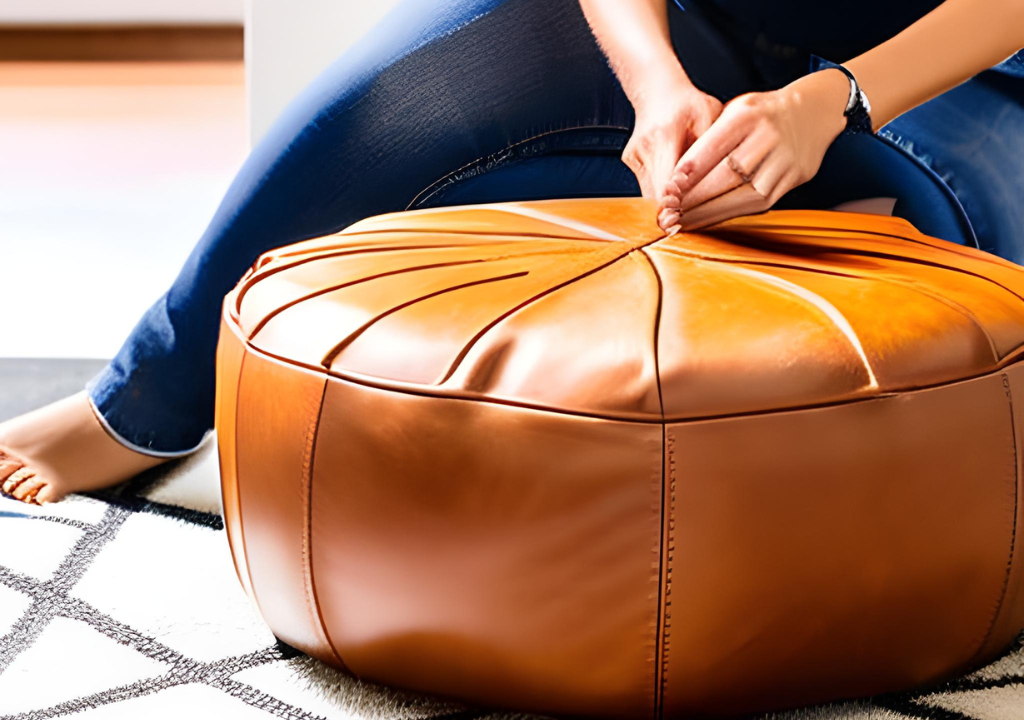
Filling your Moroccan pouf yourself allows you to customize its comfort and durability. Choosing the right materials and mixing them wisely can change how your pouf feels and holds up over time. Let’s look at some smart DIY filling techniques that help you achieve the perfect balance for your space.
Combining Materials
Using just one type of filling might not give you the comfort you want. Try mixing materials like foam scraps, old clothes, and polyester fiberfill. This blend can create a pouf that’s both soft and supportive.
Adding a bit of sand or rice to the bottom can give extra weight and stability, stopping your pouf from sliding around. Have you ever sat on a pouf that felt too light or too hard? Combining materials helps avoid that problem.
Adjusting Firmness
You control how firm or soft your pouf feels by how much and what you add inside. Want it firmer? Add denser materials like foam chunks or extra fabric scraps. Prefer a softer touch? Use more polyester fill or shredded memory foam.
Remember, it’s easier to add more filling than to take it out. Start with less, then test it by sitting or pressing on the pouf. How firm do you like your pouf to feel when you relax?
Maintenance Tips
Keep your pouf fresh by airing it out every few weeks. This prevents smells and keeps the filling from clumping. If you use materials like fabric scraps, check for dust or insects regularly.
Consider using a removable cover so you can wash it easily. Spot clean the filling if necessary, but avoid soaking it—moisture can cause mold. What maintenance routine fits your lifestyle best?
Credit: www.boucherouiterug.com
Where To Source Fillings
Finding the right filling for your Moroccan pouf is key to achieving the perfect balance between comfort and shape. Knowing where to source these fillings can save you time and money, while also giving you control over the pouf’s firmness and durability.
Let’s look at some practical places to find quality pouf fillings that fit your needs and budget.
Local Craft Stores
Craft stores often carry a variety of stuffing materials like polyester fiberfill, foam pieces, and batting. These options are usually affordable and easy to buy in small quantities, which is perfect if you’re trying out different fillings.
Visiting a store also gives you a chance to feel the texture and density before purchasing, helping you choose what suits your pouf best. Have you checked if your local store has bulk discounts or leftover sales? It’s a great way to get more for less.
Online Suppliers
Online shops offer a wider range of filling materials, from shredded memory foam to natural wool or cotton stuffing. You can read reviews and compare prices, making it easier to find exactly what you want without leaving your home.
Keep shipping costs and delivery times in mind, especially if you want your pouf ready quickly. Have you explored specialized websites that focus on upholstery or furniture-making supplies? They often provide detailed product descriptions and usage tips.
Repurposing Household Items
You might already have suitable materials at home that can be reused as pouf filling. Old pillows, cushions, or even stuffed toys can be unstuffed to provide polyester fiberfill or foam scraps.
This approach is not only budget-friendly but also eco-conscious, reducing waste. Think about what you have lying around that could get a new life inside your pouf. Could that worn-out chair cushion become your next perfect filling?

Credit: waysouk.com
Frequently Asked Questions
What Materials Are Best To Stuff A Moroccan Pouf?
The best materials to stuff a Moroccan pouf include foam, polyester fiberfill, and old clothes. These materials provide firmness, comfort, and maintain shape. Using recycled fabrics also adds eco-friendly value. Choose stuffing based on desired firmness and usage frequency for optimal comfort and durability.
Can I Use Recycled Materials For Stuffing A Pouf?
Yes, recycled materials like old clothes, fabric scraps, and foam pieces work well. They save money and reduce waste. Ensure the materials are clean and evenly packed to maintain shape and comfort. Recycled stuffing is an eco-friendly and practical option for Moroccan poufs.
How Much Stuffing Is Needed For A Moroccan Pouf?
The amount of stuffing depends on the pouf size. Typically, fill it until firm but comfortable. Overstuffing can make it hard, while under stuffing results in sagging. Aim for a balance to ensure durability and comfort for everyday use.
Is Foam A Good Stuffing Choice For Moroccan Poufs?
Foam is an excellent choice for stuffing Moroccan poufs. It provides firm support and retains shape well. High-density foam offers durability and comfort. It’s lightweight and easy to shape, making it a popular stuffing option for poufs.
Conclusion
Stuffing a Moroccan pouf is simple and fun. Choose materials that fit your comfort and style. Old clothes, foam, or polyester filling work well. Make sure the pouf feels firm but soft enough to sit on. A well-stuffed pouf lasts longer and looks better.
Enjoy creating a cozy and unique piece for your home. Your hands bring the perfect pouf to life. Try different fillings until you find your favorite!



