
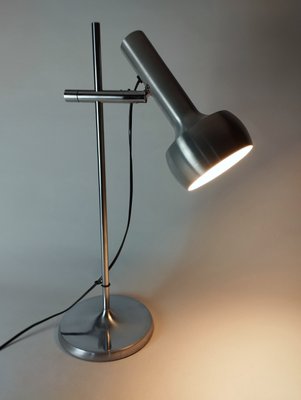
Have you ever wondered what kind of desk lamps people loved back in the 60s? If you’re curious about how lighting shaped workspaces and homes during that vibrant decade, you’re in the right place.
The 60s were full of unique styles and bold designs that still inspire us today. Discovering the popular desk lamps from that time can give you fresh ideas for your own space. Keep reading, and you’ll uncover the coolest lamp styles that brought both function and flair to desks in the 60s.
Credit: www.pamono.ca
Mid-century Modern Lamps
The 1960s saw a surge in popularity for Mid-Century Modern desk lamps, which brought a fresh and functional aesthetic to workspaces. These lamps combined style with practicality, making them a staple in many homes and offices. Their design reflected the era’s fascination with simplicity and innovation, offering you not just light but a statement piece.
Sleek Lines And Organic Shapes
Mid-Century Modern lamps often featured sleek, clean lines that created a minimalist look. They avoided unnecessary details, focusing instead on smooth curves and organic shapes that felt natural and inviting. Have you noticed how these shapes can make your desk feel less cluttered and more calming?
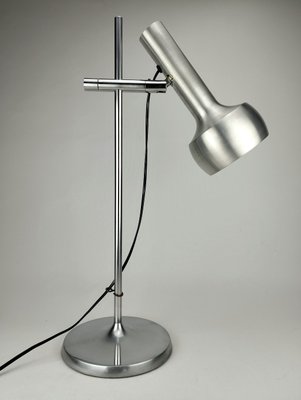
Many lamps had adjustable arms and heads designed for flexibility. This wasn’t just stylish—it was smart, allowing you to direct light exactly where you needed it. The clever use of geometry made these lamps both functional and visually appealing.
Materials And Colors
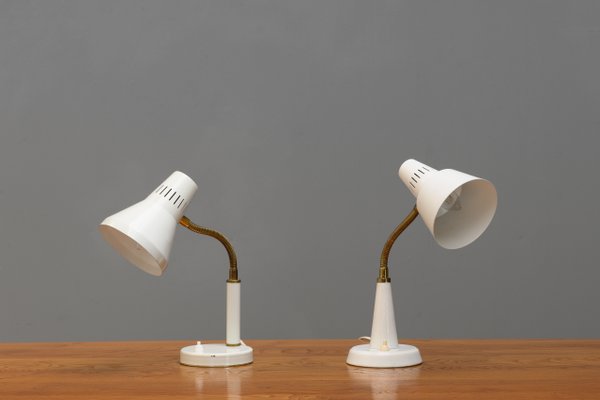
The materials used in these lamps were a mix of traditional and modern, such as wood, metal, and plastic. You might find brass or chrome finishes paired with wooden accents, creating a warm yet contemporary vibe. These combinations gave the lamps durability without sacrificing style.
Colors were often muted but intentional. Shades of white, black, olive green, and mustard yellow were common, adding subtle pops of color without overwhelming the space. Choosing the right color can transform your desk area—what mood do you want your workspace to set?
Atomic Age Designs
The 1960s brought a wave of excitement and optimism about the future, which clearly showed up in desk lamp designs. Atomic Age designs captured this spirit with bold, futuristic looks that made ordinary lamps feel like cutting-edge technology. These lamps weren’t just functional—they made a statement about innovation and space-age possibilities.
Space-inspired Forms
Desk lamps from the Atomic Age often looked like they belonged on a spaceship. You’d see shapes that mimicked rockets, satellites, and flying saucers. These designs made you feel like you were working right in the middle of the space race excitement.
One iconic shape was the tripod lamp with a cone-shaped shade, resembling a lunar lander. Another popular style featured spherical bulbs and arms that twisted in unexpected angles, reminding you of satellites orbiting Earth. Have you ever noticed how these lamps can make your workspace feel more dynamic and futuristic?
Innovative Materials
The 60s also introduced new materials that designers eagerly used to create these lamps. Plastics like acrylic and lucite became common, offering a sleek, glossy finish that metal alone couldn’t provide. These materials allowed for more daring shapes and vibrant colors that popped on any desk.
Brushed aluminum and chrome were also staples, giving lamps a shiny, high-tech appearance. This mix of materials made the lamps lighter and easier to adjust while maintaining their stylish edge. Think about the last time you chose a lamp—did the material catch your eye before the shape?
Adjustable And Task Lamps
Adjustable and task lamps were popular desk lighting choices in the 60s. Their flexible arms allowed users to direct light precisely where needed. These lamps combined style with practicality, fitting well in homes and offices.
Adjustable and task lamps played a crucial role in the 1960s, illuminating spaces with not just light, but style and functionality. These lamps were designed to cater to specific needs, allowing users to direct light exactly where it was needed. Their flexibility made them a staple in homes and offices, enhancing productivity and adding a touch of mid-century modern flair to any room.Functional Features
Adjustable lamps from the 60s often came with articulated arms or swivel heads, making them perfect for reading or detailed work. Some models included telescoping features, allowing users to extend or shorten the lamp to suit their needs. Dimmer switches were another popular feature, providing control over the intensity of light to set the right mood or focus.Popular Brands
Brands like Anglepoise and Luxo became household names due to their innovative designs and reliable functionality. Anglepoise was known for its balanced-arm lamps, which combined aesthetics with precision engineering. Luxo, on the other hand, offered models like the L-1, a task lamp that became synonymous with modern office lighting. These brands not only delivered exceptional quality but also set design trends that echoed throughout the decade. Did you ever notice how a simple adjustment of a lamp can transform your workspace? This concept, embraced in the 60s, continues to influence how we light our spaces today. Whether you’re a fan of vintage aesthetics or just appreciate the practicality, the adjustable and task lamps of the 60s still hold valuable lessons for us.
Credit: www.antiquesboutique.com
Pop Art Influence
The 1960s saw desk lamps influenced strongly by Pop Art. This art movement made everyday objects look fun and exciting. Desk lamps became more than just tools; they turned into colorful, bold pieces of art. Designers used bright colors and playful patterns to catch the eye. The Pop Art style made lamps look modern and lively, fitting the energetic spirit of the decade.
Bold Colors And Patterns
Desk lamps in the 60s often featured bright reds, yellows, and blues. These bold colors stood out on any desk. Patterns included polka dots, stripes, and geometric shapes. The designs were simple but striking. Lamps sometimes had shiny, plastic parts to add a modern feel. This use of color and pattern made workspaces feel cheerful and creative.
Notable Designers
Several designers became famous for creating Pop Art inspired lamps. George Nelson designed lamps with unique shapes and bright finishes. Verner Panton introduced playful, curved forms and bold colors. These designers made lamps that looked like art pieces. Their work still influences lamp design today.
Iconic Lamp Models
The 1960s brought a distinctive style to desk lamps that still captivates collectors and design lovers today. Iconic lamp models from this era combined bold shapes with innovative materials, making them both functional and visually striking. These lamps were not just light sources; they were statements of modern living and creativity.
Famous Examples
One standout is the Arco Lampby Achille and Pier Giacomo Castiglioni. Its sweeping arc and heavy marble base make it instantly recognizable on any desk or table.
The Luxo L-1lamp, designed by Jac Jacobsen, introduced adjustable arms and a spring-balanced mechanism, offering great flexibility and precision lighting. This design has influenced countless task lamps since.
Another favorite was the Anglepoise Lamp, known for its spring arm and industrial look. It was popular both in offices and homes, prized for its durability and classic design.
Collectibility Today
Do you have one of these lamps tucked away? If so, it might be more valuable than you think. Collectors seek original 60s desk lamps for their craftsmanship and timeless design.
Condition plays a big role in value. Lamps with original parts and minimal wear can fetch high prices at auctions and vintage shops.
Beyond money, owning a piece of this design history connects you to a time when form and function were perfectly balanced. Could adding a 60s lamp to your workspace inspire your creativity just like it did for people decades ago?
Credit: www.pamono.ca
Frequently Asked Questions
What Styles Of Desk Lamps Were Popular In The 60s?
In the 60s, modernist and space-age designs dominated desk lamps. Sleek lines, bold colors, and futuristic shapes were common. Materials like metal and plastic were widely used. These lamps reflected the era’s fascination with innovation and minimalism.
Which Materials Were Commonly Used In 60s Desk Lamps?
Metal, plastic, and glass were the primary materials for 60s desk lamps. Metal gave durability and a sleek look. Plastic allowed vibrant colors and unique shapes. Glass was often used for shades, adding elegance and diffusing light softly.
How Did 60s Desk Lamps Influence Modern Lighting Design?
60s desk lamps introduced bold shapes and bright colors that inspire today’s designs. Their focus on minimalism and functionality remains popular. The era’s use of new materials like plastic paved the way for creative lighting solutions now.
Were Adjustable Desk Lamps Popular In The 1960s?
Yes, adjustable desk lamps were very popular in the 60s. They provided flexibility for focused lighting while working or reading. Designs often included swiveling arms and rotating heads, combining practicality with stylish modern aesthetics.
Conclusion
Desk lamps from the 60s showed unique style and function. They mixed bright colors with sleek, simple shapes. Many had adjustable arms and bold designs. These lamps fit well in homes and offices alike. Their look still inspires lamp designs today.
Remembering these lamps helps us see past trends. They tell a story about design in the 60s. Choosing a lamp like these adds charm to any space. Classic and stylish, 60s desk lamps remain popular.



