
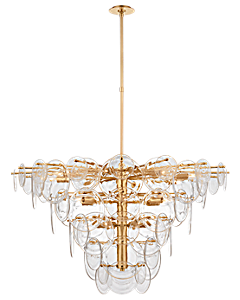
Have you ever wondered what type of luminaire a chandelier really is? If you’re looking to brighten up your space with style, understanding this can help you make smarter lighting choices.
A chandelier isn’t just a fancy decoration—it plays a unique role in how light flows through your room. Keep reading, and you’ll discover exactly what makes chandeliers special and how they can transform your home’s atmosphere. This knowledge will empower you to pick the perfect lighting that fits your taste and needs.
Chandelier Basics
Understanding the basics of a chandelier helps you appreciate its role beyond just a decorative piece. It’s a type of luminaire that combines art and function, bringing both light and style into your space. Let’s break down what exactly defines a chandelier and what features make it stand out.
Definition And Origin
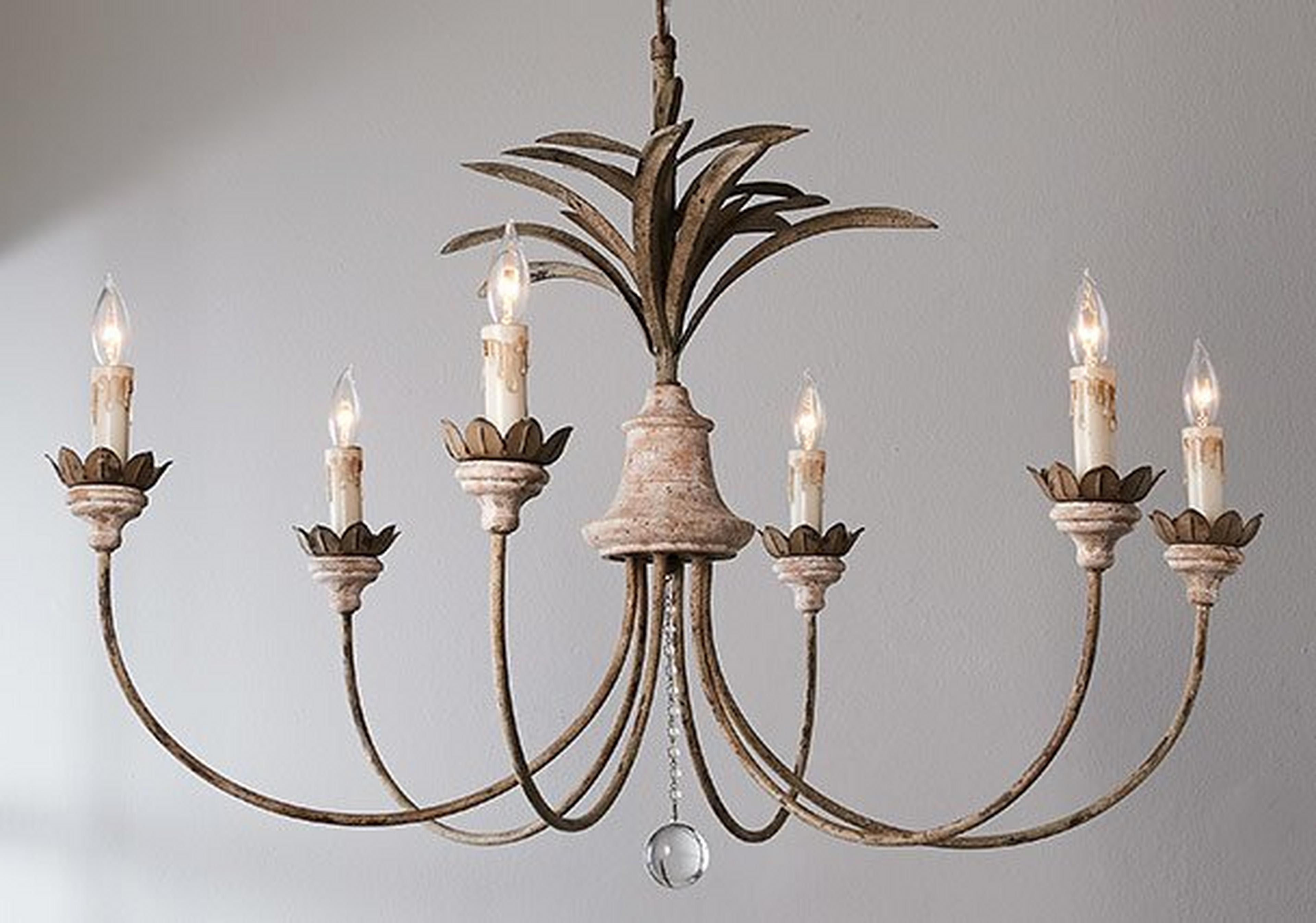
A chandelier is a ceiling-mounted light fixture known for its multiple arms or branches that hold light sources, such as candles or bulbs. Historically, chandeliers began as simple wooden crosses with spikes to hold candles, dating back to medieval times.
Over centuries, they evolved into elaborate designs made from crystal, glass, or metal. The word “chandelier” comes from the French word “chandelle,” meaning candle, highlighting its original use. Knowing this origin can change how you view your chandelier—not just as lighting, but as a piece with history.
Common Features
Chandeliers typically have several key features that make them unique. They often consist of:
- Multiple arms:These spread out from a central body to hold several light sources, creating balanced illumination.
- Central hanging structure:This supports the entire fixture and connects it to the ceiling.
- Decorative elements:Crystals, glass droplets, or metalwork add visual interest and can refract light beautifully.
- Varied sizes:From small, subtle designs to large, grand installations, chandeliers fit many spaces.
Have you noticed how a chandelier changes the atmosphere in a room? Its design and light quality can make your space feel more inviting, formal, or cozy depending on the style you choose.
Credit: www.shadesoflight.com
Types Of Luminaires
Understanding the types of luminaires helps in selecting the right lighting. Luminaires are devices that provide light. They enhance the ambiance and functionality of spaces. Each type serves a unique purpose.
Ambient Lighting
Ambient lighting is the primary source of light in a room. It provides overall illumination. Chandeliers are popular choices for ambient lighting. They distribute light evenly across the room. This creates a warm and inviting atmosphere.
Task Lighting
Task lighting aids in performing specific activities. It offers focused light for tasks like reading or cooking. Chandeliers can serve as task lighting if placed strategically. Their design allows for directed light where needed.
Accent Lighting
Accent lighting highlights specific objects or features. It adds depth and dimension to a space. Chandeliers can be used for accent lighting too. They draw attention to architectural details or artwork.
Chandeliers As Ambient Lighting
Chandeliers are more than just decorative pieces; they play a key role in setting the mood of a room through ambient lighting. As ambient lighting fixtures, chandeliers provide a general, overall illumination that fills the space evenly. This type of lighting helps create a welcoming atmosphere while allowing other lighting layers to work effectively.
Role In Room Illumination
Chandeliers cast light broadly, making them ideal for ambient lighting. They often hang from the ceiling’s center, distributing light across the entire room.
Think about your dining room or living area. A chandelier there not only lights up the space but also reduces shadows, making the room feel open and inviting.
Have you ever noticed how a well-lit room makes you feel more comfortable and relaxed? That’s the power of ambient lighting from chandeliers.
Design Impact
Beyond lighting, chandeliers add style and personality to your room. Their designs range from classic crystal to modern minimalist, fitting any décor.
Choosing the right chandelier can turn your room into a statement space. It reflects your taste while balancing the room’s lighting needs.
Ask yourself: does your chandelier enhance the room’s vibe, or does it just hang there unnoticed? The right design can truly transform your environment.

Credit: www.amazon.ca
Styles Of Chandeliers
Chandeliers come in many styles, each with its own charm and character. They can suit different rooms and tastes. Choosing the right style makes a big difference in your space. Below are popular chandelier styles that fit various decors.
Traditional Designs
Traditional chandeliers often feature classic shapes and rich details. They use materials like crystal, brass, and bronze. These designs bring elegance and a timeless feel. Look for ornate arms, candle-like bulbs, and intricate patterns. They fit well in dining rooms and formal living spaces.
Modern Variations
Modern chandeliers focus on clean lines and simplicity. They use metal, glass, and sometimes wood. Shapes can be geometric or abstract. Many modern designs play with light and shadows. These chandeliers suit minimalist and contemporary interiors. They add style without overwhelming the room.
Rustic And Industrial
Rustic chandeliers highlight natural and rough textures. Wood, wrought iron, and metal are common materials. Industrial chandeliers often show exposed bulbs and simple frameworks. These styles create a cozy, warm atmosphere. Perfect for cabins, lofts, or casual dining areas.
Materials And Finishes
Materials and finishes play a crucial role in defining the style and ambiance of a chandelier. They affect not only the look but also the durability and maintenance of your lighting fixture. Understanding these options can help you choose a chandelier that complements your space perfectly and fits your lifestyle.
Crystal And Glass
Crystal and glass chandeliers are classic choices that bring elegance and sparkle to any room. These materials reflect light beautifully, creating a dazzling effect that can elevate your décor instantly.
Have you noticed how a crystal chandelier can become the centerpiece of a room? The clarity and cut of the crystal can make a huge difference in how light scatters, so look for high-quality options if you want that wow factor. Glass chandeliers often come in various colors and shapes, adding versatility to your design choices.
Metal And Wood
Metal and wood chandeliers offer a more grounded and sturdy aesthetic. Metals like brass, iron, and chrome are popular for their strength and ability to be shaped into intricate designs.
Wood adds warmth and texture, often bringing a rustic or natural vibe to your space. If you prefer a more industrial or farmhouse style, combining metal and wood can create a striking contrast that feels both modern and timeless. Think about the finish too—matte, polished, or distressed finishes can completely change the mood.
Mixed Materials
Chandeliers made from mixed materials combine the best of different elements to create unique and personalized lighting fixtures. For example, pairing crystal drops with metal arms can balance elegance with industrial chic.
Using mixed materials allows you to tailor your chandelier to your specific taste and room style. It also opens up creative possibilities—like adding fabric shades to soften the light or incorporating colored glass to introduce playful accents. What combination would reflect your personality and enhance your home?
Placement And Size Tips
Choosing the right placement and size for a chandelier enhances your room’s look and feel. The chandelier should match the room’s scale and meet lighting needs. Proper positioning creates balance and highlights the space’s style.
Room Proportions
Consider the room’s width and length before picking a chandelier. A large chandelier in a small room can feel overwhelming. A small chandelier in a big room may get lost visually. Measure the room and pick a size that fits comfortably.
- For small rooms, choose compact chandeliers.
- For medium rooms, select a chandelier that fills the space without crowding.
- For large rooms, go for grand chandeliers that create a focal point.
Ceiling Height
Ceiling height affects chandelier size and placement. Low ceilings need smaller fixtures to avoid crowding. High ceilings allow bigger and longer chandeliers. Keep enough clearance so people don’t bump into the fixture.
- Ceilings under 8 feet: use flush or semi-flush mounts.
- Ceilings 8 to 10 feet: medium-sized chandeliers work well.
- Ceilings above 10 feet: large or multi-tier chandeliers fit nicely.
Lighting Needs
Think about how much light the chandelier should provide. For task areas, choose brighter fixtures. For mood lighting, pick softer, warm bulbs. Layer chandelier light with other lamps for flexibility and comfort.
- Dining rooms benefit from focused chandelier light.
- Living rooms may need ambient, soft illumination.
- Entryways require bright, welcoming light.
Energy Efficiency And Bulbs
Energy efficiency is a key factor to consider when choosing a chandelier, especially if you want to reduce electricity bills without sacrificing style or brightness. The type of bulbs you select can dramatically affect both the look and the energy consumption of your fixture. Understanding your options helps you make smarter choices that save money and support sustainability.
Led Options
LED bulbs are a popular choice for chandeliers because they use significantly less energy compared to traditional incandescent bulbs. They last much longer too, which means fewer replacements and less hassle. Have you noticed how much cooler your chandelier stays with LEDs? This not only protects delicate crystals but also keeps your room comfortable.
LEDs come in a variety of shapes and sizes designed to fit different chandelier styles. You can choose warm or cool light tones depending on the ambiance you want. Plus, many LEDs are now designed to mimic the look of classic bulbs, so you don’t lose that elegant charm.
Dimming Features
Dimming capabilities add versatility to your chandelier’s lighting. Being able to adjust brightness helps you set the perfect mood for any occasion. Think about hosting a dinner where you want soft, intimate lighting versus a bright setting for reading or working.
Not all bulbs work well with dimmers, so check compatibility before buying. LED bulbs with dimming features offer smooth transitions without flickering or buzzing. This can improve your experience and extend the life of your bulbs.
Bulb Types
Choosing the right bulb type affects both energy use and lighting quality. Besides LEDs, there are incandescent, halogen, and CFL bulbs, each with pros and cons. Incandescent bulbs offer warm light but waste energy, while halogen is slightly more efficient but can get hot.
CFLs use less energy than incandescents but contain mercury, which requires careful disposal. Knowing the differences helps you balance cost, environmental impact, and aesthetics. What’s most important to you—energy savings, light quality, or ease of maintenance?
Maintenance And Care
Chandeliers add charm and light to any room. Keeping them clean and functional ensures they stay beautiful for years. Regular maintenance helps prevent damage and costly repairs. Simple care routines keep your chandelier sparkling and safe.
Cleaning Techniques
Dust your chandelier often using a soft cloth or feather duster. For deeper cleaning, turn off power first. Use a mild soap with warm water. Gently wipe each crystal or glass piece by hand. Avoid harsh chemicals that can damage finishes. Let parts dry completely before turning the light back on.
Replacing Parts
Check bulbs regularly and replace burnt-out ones promptly. Use bulbs that match the chandelier’s recommended wattage. Inspect crystals or glass pieces for chips or breaks. Replace damaged parts with exact or compatible matches. Keep spare bulbs and crystals handy to avoid delays.
Safety Tips
Always switch off electricity at the breaker before cleaning or repairs. Use a sturdy ladder to reach high fixtures safely. Avoid pulling or twisting parts when cleaning or replacing. Wear gloves to protect your hands and avoid fingerprints. If unsure about electrical work, hire a professional electrician.
Credit: www.shadesoflight.com
Frequently Asked Questions
What Type Of Luminaire Is A Chandelier?
A chandelier is a decorative pendant luminaire. It typically hangs from the ceiling and features multiple light sources, offering both illumination and aesthetic appeal.
How Does A Chandelier Differ From Other Luminaires?
Chandeliers are ornate and multi-armed, designed for ambient lighting. Unlike single-bulb fixtures, they provide widespread light and serve as a focal decor piece.
Where Are Chandeliers Commonly Used?
Chandeliers are commonly used in dining rooms, foyers, and living rooms. They add elegance and create a warm, inviting atmosphere in these spaces.
What Materials Are Chandeliers Usually Made From?
Chandeliers are often made from glass, crystal, metal, or combinations. These materials enhance their visual appeal and reflect light beautifully.
Conclusion
A chandelier is a decorative lighting fixture that hangs from the ceiling. It often has multiple arms with light bulbs or candles. This type of luminaire adds style and brightness to any room. Chandeliers suit dining rooms, hallways, and living spaces well.
They create a warm and inviting atmosphere. Choosing the right chandelier depends on your room size and style. Remember, chandeliers blend function with beauty perfectly. They remain a popular choice for elegant lighting.



