
Have you ever wondered where the heart of the mighty Ottoman Empire truly lay? Discovering the capital city of this powerful empire can unlock a world of history, culture, and secrets that shaped much of today’s modern world.
Knowing this city’s story will change the way you see history and connect you with a past full of intrigue and influence. Keep reading, and you’ll find out why this city was more than just a capital—it was the empire’s beating soul.
Credit: turkey-evisa.it.com
Origins Of The Ottoman Empire
The Ottoman Empire started in the late 13th century. It began as a small Turkish state in Anatolia. This region is part of modern-day Turkey. The empire grew from a group of tribes united under one leader. Their goal was to expand and gain more land.
The early days of the empire shaped its future power and influence. Understanding these origins helps explain how it became one of history’s greatest empires.
Early Settlements And Expansion
The first Ottoman settlements were near the town of Söğüt. This location was strategic for trade and defense. The Ottomans lived in small villages and began to build forts. They worked with local tribes to strengthen their control.
Expansion happened quickly. The Ottomans took over nearby territories. Their success came from smart alliances and strong leadership. They also used skilled warriors called ghazis. These fighters helped spread Ottoman influence.
Rise Of The Ottoman Dynasty
The dynasty began with Osman I, the empire’s founder. Osman united many Turkish tribes under his rule. His leadership laid the groundwork for a lasting empire. His family continued to lead after his death.
Each new ruler expanded the empire further. They conquered lands in both Asia and Europe. The dynasty’s strength came from careful planning and military skill. This rise turned the Ottomans into a powerful empire.
Initial Capital Cities
The early days of the Ottoman Empire were marked by the rise of several important cities that served as capitals before Istanbul took center stage. These initial capitals played a crucial role in shaping the empire’s political and cultural identity. Understanding their significance helps you see how the empire expanded and evolved over time.
Bursa As The First Capital
Bursa was the first major capital of the Ottoman Empire, chosen after the Ottomans captured it in 1326. It quickly became a political and economic hub, thanks to its strategic location near trade routes.
During its time as the capital, Bursa saw many architectural advancements and became known for its beautiful mosques and public buildings. You can still visit these historical sites today, offering a glimpse into early Ottoman culture.
Significance Of Edirne
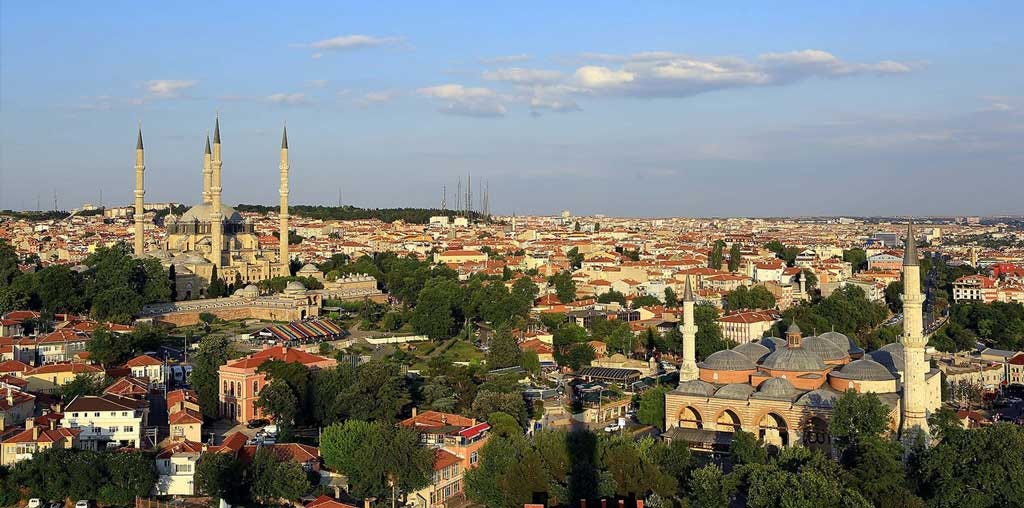
Before Istanbul, Edirne served as the capital from 1369 to 1453. This city was important because it was closer to Europe, allowing the Ottomans to manage their expanding territories more effectively.
Edirne was also a center for diplomacy and military planning. Visiting Edirne now, you can witness grand mosques and bridges that reflect the city’s former glory and strategic importance.
Istanbul: The Heart Of The Empire
Istanbul, a city of mesmerizing contrasts, was once the heartbeat of the mighty Ottoman Empire. Its strategic location, bridging Europe and Asia, made it a focal point of trade, culture, and politics. But how did this city, known as Constantinople, transform into the powerful capital of a vast empire?
Conquest Of Constantinople
In 1453, Sultan Mehmed II successfully captured Constantinople, a momentous event that marked the end of the Byzantine Empire. This victory was not just a military triumph but a significant turning point in world history. The city’s formidable walls, once thought impregnable, fell, showcasing the Ottomans’ military prowess and strategic brilliance.
Imagine witnessing the young Sultan’s determination as he orchestrated the legendary siege. Would you have predicted the impact this conquest would have on shaping the future of Europe and the Middle East?
Transformation Into Ottoman Capital
Following the conquest, Constantinople was swiftly transformed into the capital of the Ottoman Empire. The city was renamed Istanbul, a name that still resonates with power and history. Sultan Mehmed II initiated a series of reforms to revitalize and repopulate the city, inviting people from different backgrounds to settle there.
This transformation was not just about rebuilding structures but also about creating a vibrant, diverse hub. How did this blend of cultures influence the city’s evolution?
Architectural And Cultural Flourishing
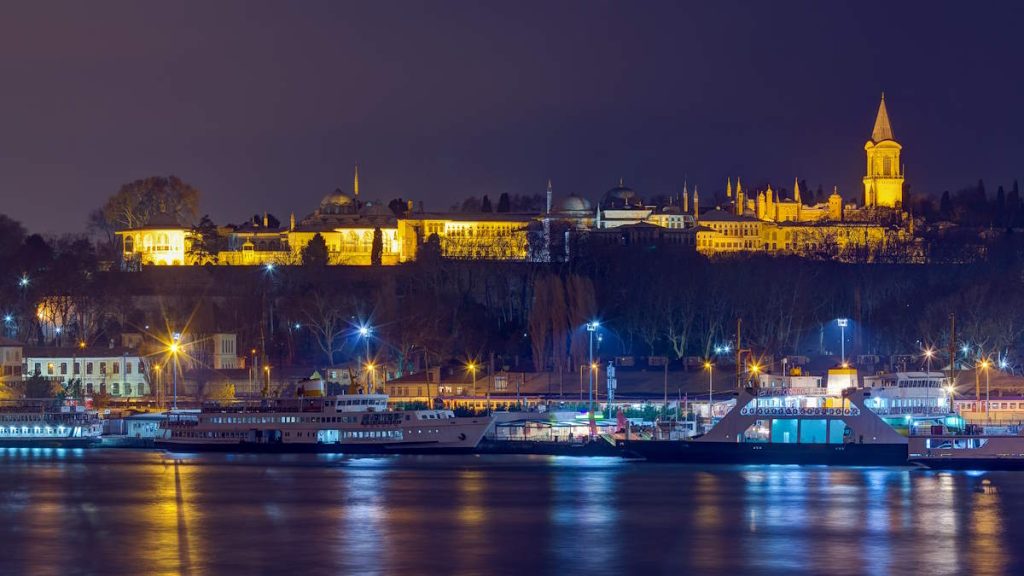
Under Ottoman rule, Istanbul became a center of architectural and cultural brilliance. The construction of iconic structures like the Topkapi Palace and the Suleymaniye Mosque added a unique charm to the cityscape. These monuments, with their intricate designs and grandeur, reflect the empire’s wealth and artistic achievements.
But it wasn’t just about grand buildings. Istanbul thrived as a cultural melting pot where art, literature, and science flourished. What can modern cities learn from Istanbul’s rich tapestry of cultures coexisting harmoniously?

Credit: uk.news.yahoo.com
Political And Administrative Roles
The capital city of the Ottoman Empire was more than just a geographical center; it was the heart of political power and administrative control. This city managed the vast territories and diverse peoples under Ottoman rule, ensuring smooth governance and strategic decision-making. Understanding the political and administrative roles of the capital reveals how the empire maintained its strength for centuries.
Governance From The Capital
The capital served as the primary seat of government where the Sultan and his advisors made crucial decisions. It housed the Imperial Council, which handled laws, taxation, and diplomacy. This centralization allowed leaders to react quickly to challenges and keep the empire unified.
Imagine living in a city where every law affecting your daily life is debated and decided within walking distance. The capital was a hub where officials from different regions gathered, bringing local issues to the empire’s attention. This close interaction helped address problems more efficiently than distant rule.
Military Command Center
Besides political control, the capital acted as the empire’s military nerve center. Generals and strategists planned campaigns and coordinated defenses from this location. The city’s strategic position made it easier to mobilize troops and supplies across continents.
Think about the importance of a command center in any large operation—here, it was vital for protecting borders and expanding territories. The capital’s role in military leadership ensured that the Ottoman army remained disciplined and well-organized, ready to respond to threats quickly.
Hidden Stories And Lesser-known Facts
The capital city of the Ottoman Empire, Istanbul, holds more than just historical landmarks and famous stories. Beneath its well-known facade lie hidden tales and surprising details that many visitors and history buffs often overlook. These lesser-known facts give you a fresh perspective on the city’s rich past and how it shaped today’s urban life.
Secret Tunnels And Palaces
Did you know that Istanbul has a network of secret tunnels connecting some of its grand palaces? These hidden passages were used by the sultans and their guards to move safely and discreetly during times of unrest. Walking through the city, you might be standing right above these mysterious routes without realizing it.
The Topkapi Palace, for instance, is not just a stunning architectural marvel but also a labyrinth of concealed rooms and corridors. These spaces were designed for privacy and security, offering a glimpse into the secretive lifestyle of the Ottoman rulers. Imagine how different your visit would feel if you could explore these hidden areas.
Influence On Modern Cities
The Ottoman capital’s design and infrastructure have influenced modern urban planning far beyond Istanbul. The city’s blend of Byzantine and Ottoman architecture introduced new ways of organizing public spaces and markets that many cities still mimic today.
For example, the concept of covered bazaars, like the Grand Bazaar, has inspired marketplaces worldwide to create vibrant, sheltered shopping areas that protect visitors from weather. This practical design continues to shape how cities balance commerce and community spaces.
Have you ever noticed how some modern cities use fountains, gardens, and public squares in ways similar to Ottoman urban planning? These elements weren’t just for beauty—they helped regulate temperature and encouraged social interaction. Understanding this connection might change how you see public spaces around you.
Legacy Of The Ottoman Capital Today
The legacy of the Ottoman capital city, Istanbul, remains vivid and influential today. This city was the heart of a vast empire for centuries, and its historical and cultural footprints shape much of the region’s identity now. Understanding this legacy helps you appreciate how past and present blend in the city’s streets, architecture, and social life.
Preservation Of Historical Sites
Istanbul is a living museum. The Hagia Sophia, Topkapi Palace, and the Blue Mosque stand as testaments to the city’s rich Ottoman past. These sites are carefully preserved, attracting millions of visitors annually who want to walk through history.
But preservation is more than just maintaining buildings. It means protecting the stories and traditions those places hold. You might notice how local guides share vivid tales about sultans and daily life centuries ago, making history come alive.
What if more cities treated their heritage with the same care? Istanbul shows how historical preservation can boost tourism and local pride at once.
Cultural Impact On Contemporary Society
The Ottoman capital’s influence goes beyond monuments; it shapes modern culture too. Turkish cuisine, music, and art reflect centuries of Ottoman blending diverse traditions. When you enjoy a plate of baklava or listen to a traditional folk song, you are tasting and hearing history.
Daily life in Istanbul still carries Ottoman echoes, from coffeehouse culture to architectural styles in neighborhoods. This ongoing cultural impact invites you to think about how history informs your own environment and practices.
Could understanding these cultural layers change how you view your city’s heritage? Istanbul’s example encourages you to see culture as a living, evolving force rather than a static past.
Credit: cityofistanbul.net
Frequently Asked Questions
What Was The Capital City Of The Ottoman Empire?
The capital city of the Ottoman Empire was Constantinople. It was renamed Istanbul after the empire’s conquest in 1453. Istanbul served as the political, cultural, and economic center of the empire for centuries.
Why Was Constantinople Chosen As The Capital?
Constantinople was strategically located between Europe and Asia. Its natural harbor and strong fortifications made it ideal for defense. The city was also a major trade hub, enhancing the empire’s wealth and influence.
When Did Istanbul Become The Ottoman Capital?
Istanbul became the Ottoman capital in 1453. This followed the conquest of Constantinople by Sultan Mehmed II. The city remained the capital until the empire’s dissolution in 1922.
How Did The Capital Influence Ottoman Culture?
As the capital, Istanbul became a cultural melting pot. It blended Byzantine, Islamic, and Ottoman traditions. This fusion enriched art, architecture, and education throughout the empire.
Conclusion
The capital city of the Ottoman Empire was Istanbul. It stood as a center of power and culture for centuries. This city connected Europe and Asia, shaping history in many ways. Learning about Istanbul helps us understand the empire’s strength and influence.
The story of this city remains important today. It shows how a place can grow and change through time. Istanbul’s legacy continues to inspire people around the world. Knowing its role gives us a clearer view of the past. A city with such history always holds great interest.



