
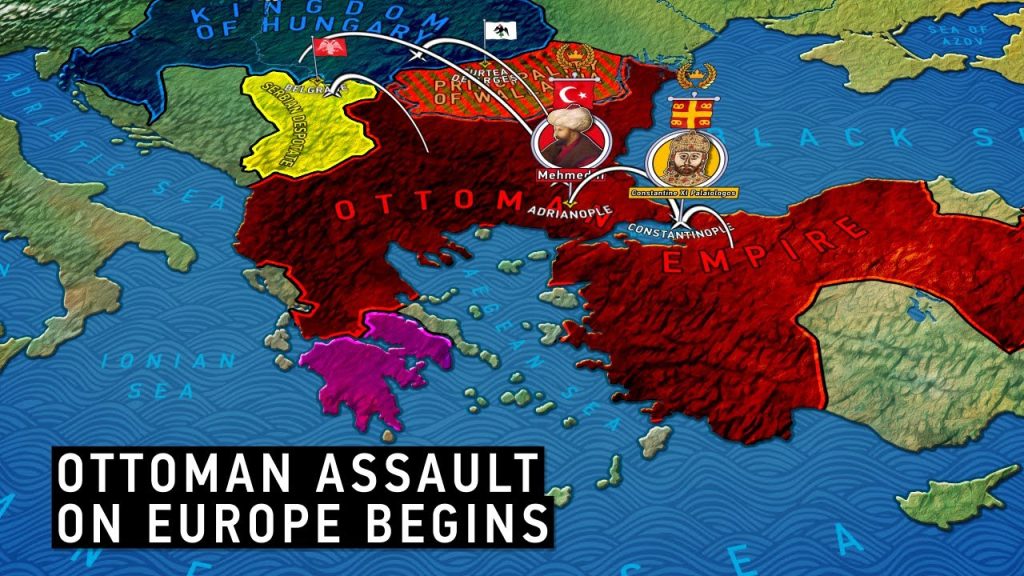
Have you ever wondered what made the Ottoman Empire stand out in history? This powerful empire lasted for over 600 years and shaped the world in many ways.
From impressive architecture to strong military forces, the Ottoman Empire left marks that you can still see today. If you want to discover what truly made this empire famous and why it matters to your understanding of history, keep reading.
You’re about to uncover fascinating facts that will change the way you see the past.
Rise Of The Empire
The rise of the Ottoman Empire stands as a powerful story of determination and strategic vision. It began as a small principality but grew into one of the largest empires in history. Understanding how this transformation happened can offer you insights into leadership, growth, and resilience.
Founding And Expansion
The Ottoman Empire was founded around 1299 by Osman I, a leader who united various Turkish tribes. His leadership style focused on building alliances and taking advantage of the declining Byzantine Empire.
The empire expanded rapidly through both military conquest and diplomacy. Cities like Bursa and Constantinople became key centers that boosted economic and political power. Each new territory added resources and influence, creating a strong foundation for future growth.
Military Innovations
The Ottomans were pioneers in military technology and organization. They introduced the use of gunpowder weapons like cannons and muskets at a time when many armies still relied on traditional weapons.
The elite Janissary corps, composed of highly trained infantry soldiers, changed how armies were structured and fought. Their discipline and tactics gave the Ottomans an edge in battles and sieges.
Have you ever thought about how adapting new technology early can change the course of success? The Ottoman Empire’s rise shows how innovation combined with strategy can build lasting power.
Political Structure
The political structure of the Ottoman Empire was complex and highly organized. It allowed the empire to control vast lands and diverse peoples for centuries. The system balanced absolute power with practical administration. The Sultan stood at the top, but many officials helped run the state. This setup created stability and efficient governance.
Sultanate And Governance
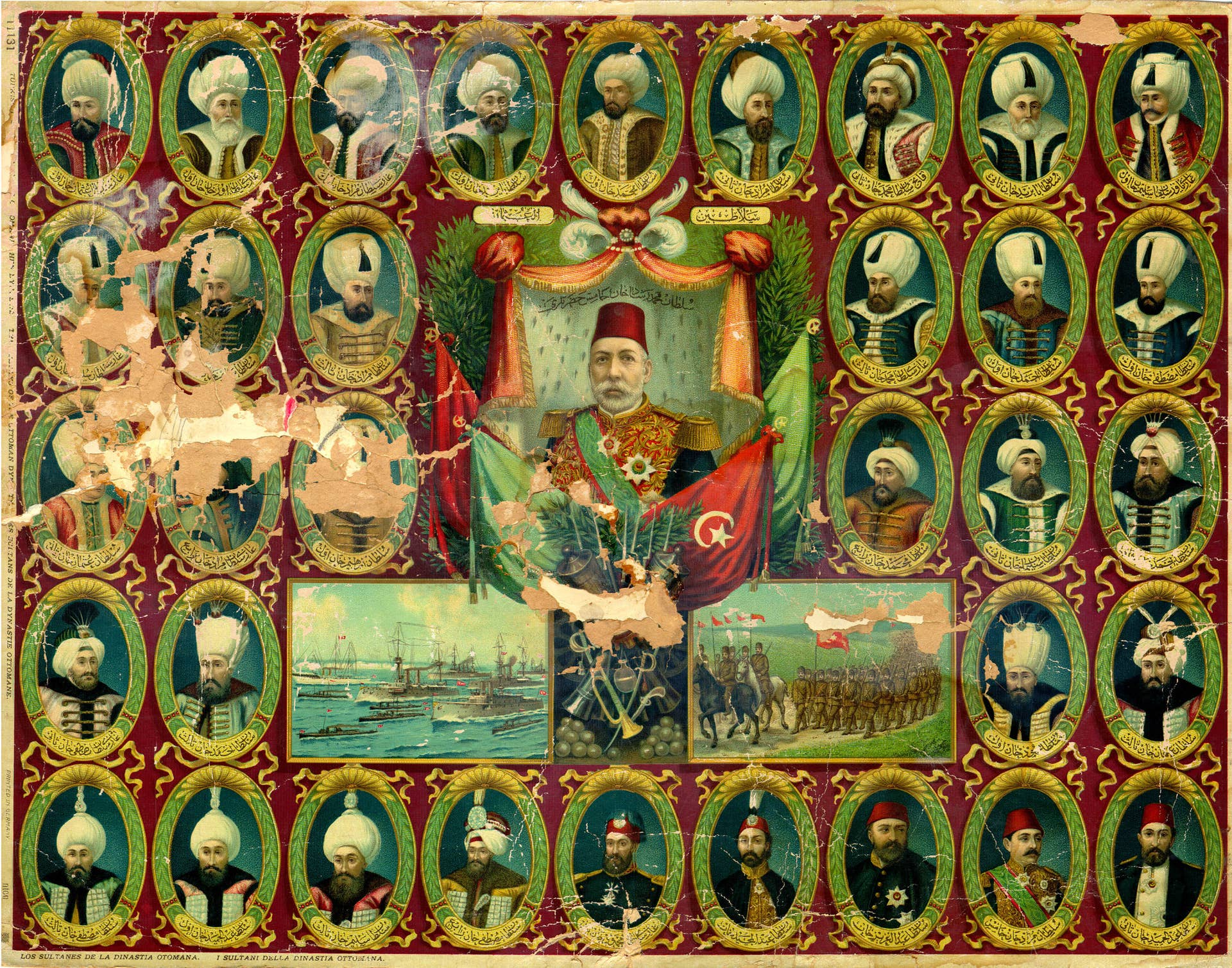
The Sultan was the supreme ruler and held all political power. He was both a political leader and a religious figure. His decisions affected every part of the empire. The Sultan’s role was hereditary, passed down within the Ottoman family. His authority was absolute but guided by Islamic law.
The Sultan surrounded himself with advisors and officials. These people helped manage the empire’s daily affairs. The Sultan also led the military and controlled foreign policy. His power was strong but depended on loyal subjects and administrators.
Administrative System
The Ottoman administrative system was divided into several layers. It worked like a well-oiled machine to manage the empire’s vast territories. Officials were appointed to govern provinces and districts. They collected taxes, enforced laws, and maintained order.
Local rulers, called beys or pashas, had significant authority in their regions. They reported directly to the central government. The empire used a merit-based system for choosing officials, often from the devshirme system. This helped create skilled administrators and loyal servants of the empire.
- Central government controlled key policies and military
- Provincial governors handled local administration
- Judges enforced Islamic and state laws
- Tax collectors ensured steady revenue
- Military commanders protected and expanded the empire
Cultural Achievements
The Ottoman Empire was famous for its rich cultural achievements in art, architecture, and literature. Stunning mosques and detailed calligraphy show their artistic skill and deep traditions. Their cultural blend influenced many regions over centuries.
The Ottoman Empire was a beacon of cultural achievements. It thrived in art, architecture, literature, and education. These cultural contributions left a lasting legacy.Architecture And Art
The empire’s architecture blended Islamic and Byzantine influences. The iconic Hagia Sophia stands as a testament to this blend. Ottoman mosques often featured grand domes and minarets. Intricate tile work and calligraphy adorned many buildings. Ottoman art emphasized beauty in everyday objects. Ceramics, textiles, and calligraphy were highly valued. Artists created detailed miniatures depicting daily life and historical events.Literature And Education
Literature flourished with poetry and prose. The Ottoman court supported poets and writers. They wrote in Persian, Arabic, and Turkish. Education was a priority for the empire. Schools and libraries were established across the regions. Madrasas provided religious and scientific education. Scholars studied a variety of subjects, from philosophy to astronomy. Literature and education played a crucial role in the empire’s cultural identity.Economic Strength
The Ottoman Empire’s economic strength was a cornerstone of its long-lasting influence. It managed to maintain a robust and diverse economy that supported its vast territories and complex society. Understanding this economic power gives you insight into how the empire sustained itself through centuries of change.
Trade Networks
The Ottoman Empire controlled key trade routes connecting Europe, Asia, and Africa. This strategic position allowed it to dominate the spice trade, silk routes, and other valuable goods. Cities like Istanbul thrived as bustling hubs where merchants from various cultures met and exchanged products.
Trade wasn’t just about goods; it was about ideas and technology too. The empire’s policies encouraged safe passage for traders, which boosted economic activity. Have you ever thought about how controlling trade routes can shape a country’s power and influence?
Agriculture And Industry
Agriculture was the backbone of the Ottoman economy, providing food and raw materials. The empire used advanced irrigation methods and crop rotation to increase productivity. Farmers produced a variety of crops, including grains, fruits, and cotton, which fueled both local needs and export markets.
Industry also played a vital role. The Ottomans developed skilled craftsmanship in textiles, ceramics, and metalwork. This blend of agriculture and industry created a balanced economy that could support urban growth and military expansion. How might balancing these sectors benefit a modern economy?
Religious Influence
The Ottoman Empire held a significant role in shaping religious life across its vast territories. Its influence stretched far beyond politics and warfare, deeply affecting religious practices and coexistence. The empire’s approach to faith helped maintain stability and unity among diverse groups.
Islamic Leadership
The Ottoman sultans were also caliphs, leaders of the Muslim world. They guided Islamic law and religious education. Their role gave the empire strong religious authority. This leadership helped unify Muslims under one rule. It also supported the spread of Islamic culture and traditions.
Religious Tolerance
The empire allowed many religions to coexist peacefully. Christians, Jews, and other groups lived under Ottoman rule. They could practice their faith freely with some restrictions. The empire used a system called “millet” to manage these groups. Each millet had its own laws and leaders. This tolerance reduced conflicts and encouraged cooperation.

Credit: uk.news.yahoo.com
Military Dominance
The Ottoman Empire’s military strength was a key factor in its long-lasting influence and vast territorial control. Their success wasn’t just about having a large army; it was about how they organized, trained, and used their forces. Understanding their military dominance gives you insight into how they shaped history.
Janissaries And Army
The Janissaries were an elite infantry unit that formed the backbone of the Ottoman army. Recruited through the devshirme system, they were trained from a young age to be loyal, disciplined, and highly skilled soldiers.
What made the Janissaries unique was their combination of strict training and advanced weaponry, including early firearms. Their presence often turned the tide of battles, showing you how innovation paired with discipline can be a game changer.
Besides the Janissaries, the Ottoman army was well-organized into various specialized units, from cavalry to artillery teams. This diversity allowed them to adapt quickly to different combat situations.
Naval Power
The Ottoman Empire didn’t just dominate on land; their navy was a formidable force across the Mediterranean Sea. Strong naval power allowed them to control crucial trade routes and launch amphibious attacks effectively.
They invested heavily in building fast, powerful ships and developed skilled sailors who could outmaneuver their enemies. This naval strength helped expand their influence into Europe, Africa, and Asia.
Think about how controlling the seas gave the Ottomans strategic advantages. If you’re managing any project or team, controlling your “sea” — the environment where you operate — can be just as crucial as having a strong team on the ground.
Legacy In Modern World
The Ottoman Empire’s legacy continues to shape the modern world in many surprising ways. Its influence stretches far beyond its historical borders, leaving marks on culture, politics, and society that you can still notice today. Understanding this legacy helps you see how past empires affect current global dynamics.
Cultural Impact
The Ottoman Empire was a melting pot of cultures, languages, and religions. This diversity created a rich cultural tapestry that influenced art, architecture, and cuisine across three continents.
Many buildings you see in modern Turkey and the Balkans, such as mosques and palaces, still display Ottoman design elements. These structures blend Islamic and Byzantine styles, showcasing a unique artistic heritage.
Ottoman cuisine also left a lasting impression. Dishes like baklava, kebabs, and Turkish coffee are enjoyed worldwide, connecting you to a centuries-old culinary tradition every time you taste them.
Geopolitical Influence
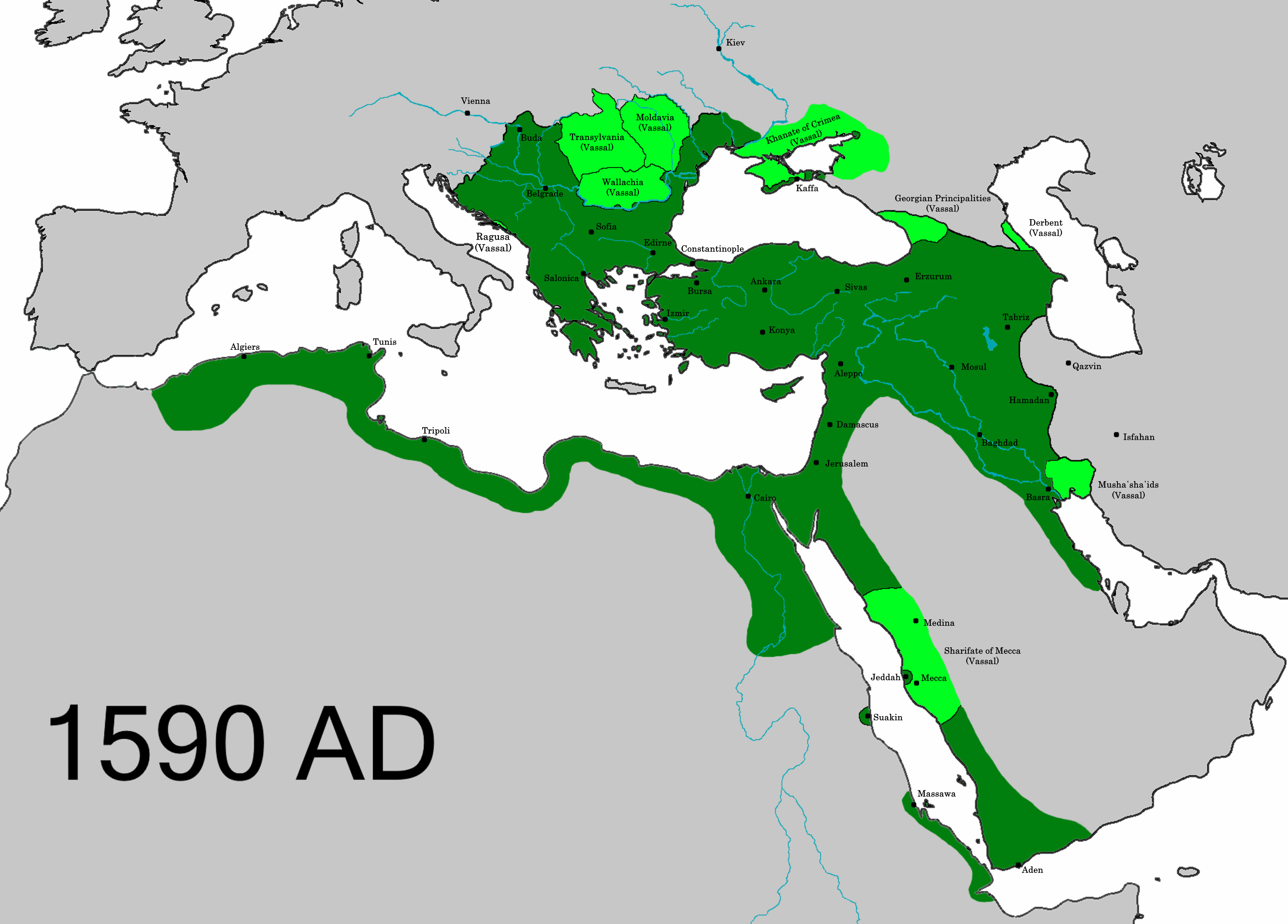
The Ottoman Empire’s vast territory once controlled key trade routes linking Europe, Asia, and Africa. This strategic position shaped economic and political relationships that persist today.
Modern borders in the Middle East and Southeastern Europe often reflect the empire’s old provincial lines. Understanding these boundaries helps explain ongoing regional conflicts and alliances.
Many contemporary political systems and legal codes in former Ottoman lands have roots in Ottoman governance. You can trace certain administrative practices and laws back to this period, showing how history influences your world.
Credit: owlcation.com
Credit: owlcation.com
Frequently Asked Questions
What Was The Ottoman Empire Famous For?
The Ottoman Empire was famous for its vast territory across Europe, Asia, and Africa. It was known for military strength, cultural diversity, and architectural achievements like the Hagia Sophia.
How Did The Ottoman Empire Impact World History?
The Ottoman Empire influenced global trade, politics, and culture for over 600 years. It bridged East and West, impacting European and Middle Eastern history significantly.
What Were Key Ottoman Empire Achievements?
Key achievements include military conquests, advanced administration, and architectural masterpieces. The empire also excelled in arts, science, and promoting religious tolerance within diverse populations.
Why Is The Ottoman Empire Important Today?
The Ottoman Empire shaped modern Middle Eastern borders and cultural identities. Its legacy influences contemporary politics, architecture, cuisine, and legal systems in many countries.
Conclusion
The Ottoman Empire left a strong mark on history. It was known for its vast land and long rule. Its culture blended many peoples and traditions. The empire built impressive architecture and supported arts. Trade and military strength helped it grow wide and powerful.
Its legacy still influences many countries today. Understanding the empire helps us learn about the past. The Ottoman story shows how different cultures can connect and thrive. A rich history worth remembering and exploring.



