
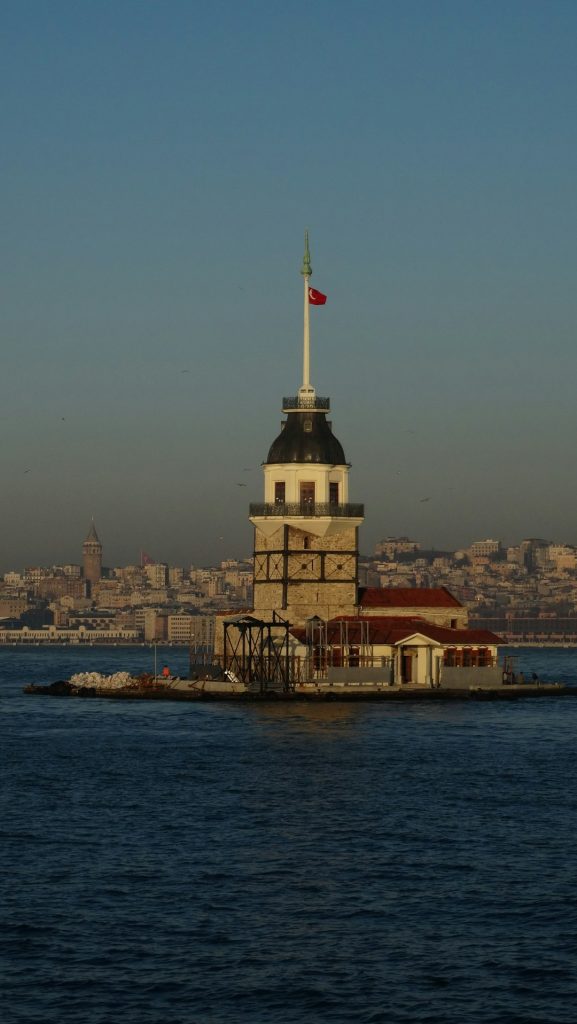
Have you ever wondered when the Ottomans took Constantinople and why it mattered so much? This moment changed history in ways you might not expect.
Knowing the exact time and the story behind it can give you a fresh perspective on how empires rise and fall. Keep reading to discover the key details and surprising facts that make this event unforgettable—and why it still matters to your world today.
Credit: www.thehistorycorner.org
Rise Of The Ottoman Empire
The rise of the Ottoman Empire reshaped the political and cultural landscape of the medieval world. From a small principality in Anatolia, the Ottomans grew into a powerful empire that challenged established powers, including the Byzantine Empire. Their ambition and strategic acumen set the stage for one of history’s most pivotal moments—the conquest of Constantinople.
Early Expansion And Ambitions
The Ottoman Empire began its journey under Osman I in the late 13th century. His leadership sparked rapid expansion into neighboring Byzantine territories. The Ottomans capitalized on the weakening Byzantine Empire and internal strife within the region.
By the early 15th century, the empire had grown significantly under sultans like Mehmed I and Murad II. Their focus was clear: extend control over key trade routes and fortify borders. This steady growth reflected the Ottomans’ long-term ambition to dominate the region.
Have you ever considered how small decisions in leadership can change the course of history? The Ottomans’ patience and strategic vision highlight the importance of planning over impulsive actions.
Strategic Importance Of Constantinople
Constantinople was more than just a city; it was a vital economic and military hub. Sitting at the crossroads between Europe and Asia, it controlled key trade routes connecting the Black Sea to the Mediterranean. The city’s walls made it a formidable fortress, but also a prize worth immense effort.
For the Ottomans, capturing Constantinople meant gaining control over trade and securing a gateway to Europe. This conquest would solidify their status as a major world power. The city’s fall in 1453 was not just a military victory but a strategic masterstroke that altered global trade and politics.
Imagine controlling the main gateway between two continents—how would that change your influence in the world? The Ottomans understood this well and were willing to wait and prepare until the moment was right.
Constantinople Before The Siege
Before the Ottomans laid siege to Constantinople in 1453, the city was already struggling under the weight of centuries of challenges. Once a thriving capital of the Byzantine Empire, Constantinople faced numerous political, economic, and military problems that made it vulnerable. Understanding the city’s condition before the siege helps you grasp why its fall was so significant.
Byzantine Empire’s Decline
The Byzantine Empire had been losing power for decades before the siege. Constant wars, internal conflicts, and loss of territory weakened its hold on the region.
By the mid-15th century, the empire was reduced to just Constantinople and a few surrounding areas. This shrinking territory made it difficult to gather enough resources and troops to defend the city.
Have you ever wondered how an empire that lasted for over a thousand years could shrink so dramatically? The combination of external invasions and internal struggles played a key role.
City’s Defenses And Challenges
Constantinople was famous for its massive walls, which had protected it from many attacks in the past. The Theodosian Walls, built centuries earlier, were still impressive but showed signs of wear.
Despite these strong defenses, the city faced some serious challenges. The population had decreased, and many skilled workers and soldiers were lost to previous wars.
Additionally, the city’s supply lines were vulnerable. The Ottomans controlled much of the surrounding land and sea routes, making it hard to get fresh supplies during a siege.
If you had to defend a city with limited resources and a shrinking population, what strategies would you use to hold out against a powerful enemy?
The 1453 Siege
The 1453 Siege of Constantinople marked a pivotal moment in world history, signaling the end of the Byzantine Empire and the rise of the Ottoman Empire. This monumental event was not just about military might; it was a battle of strategies, innovation, and leadership. As the ancient city walls trembled under the relentless assault, the world watched a new era unfold.
Ottoman Forces And Leadership
The Ottoman forces were led by the ambitious Sultan Mehmed II, who was only 21 years old at the time. His vision was clear: to capture Constantinople and solidify the Ottoman dominance. The Ottomans assembled a formidable army, estimated at around 80,000 to 100,000 men, including infantry, cavalry, and elite Janissaries.
Mehmed’s leadership was characterized by bold decisions and relentless energy. He inspired his troops with the promise of glory and the spoils of victory. Imagine the pressure and excitement of following a young leader determined to change the course of history.
Tactics And Weaponry
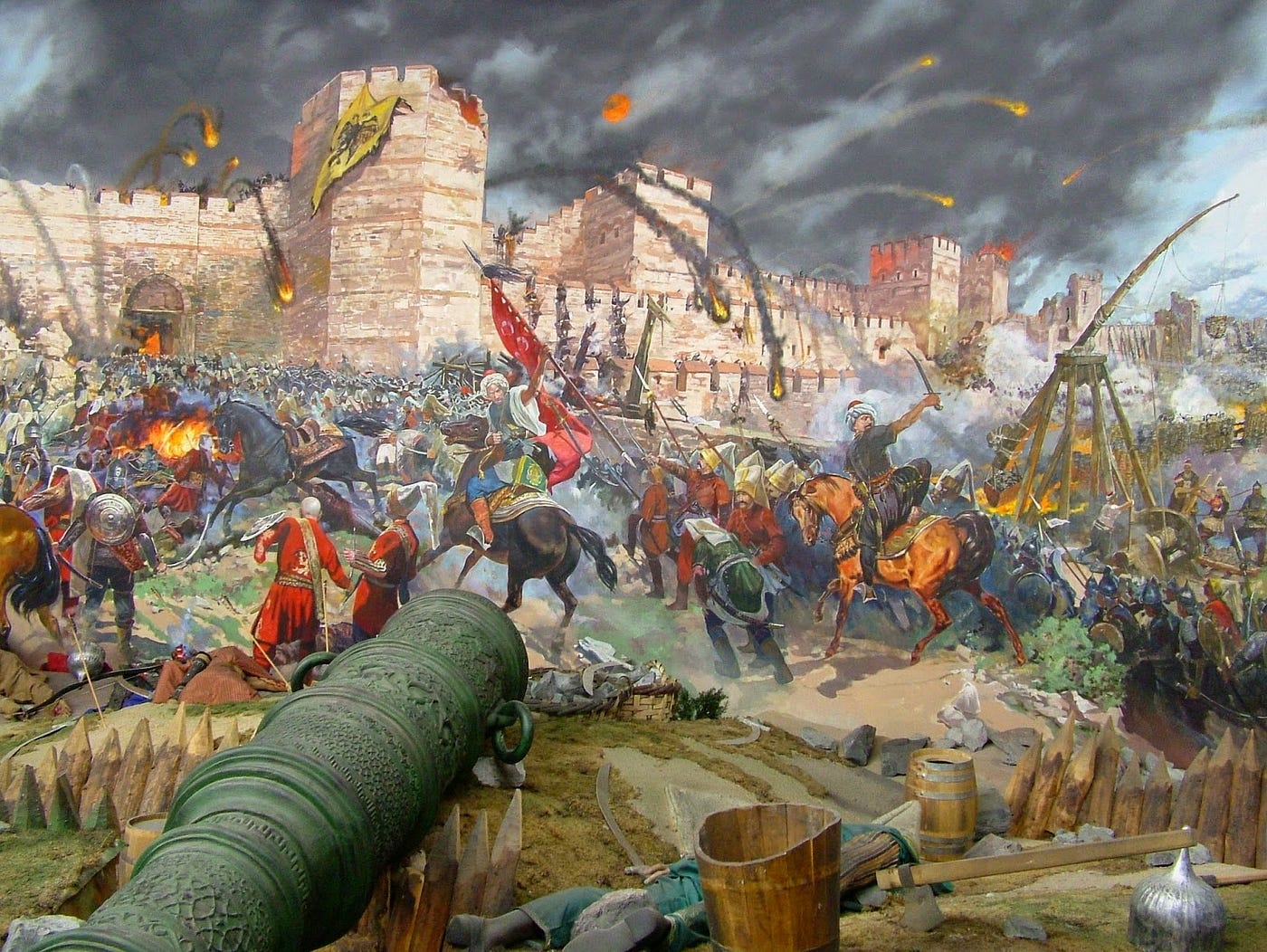
The Ottomans employed innovative tactics and cutting-edge technology for the siege. They used massive cannons, including the famous “Basilica” cannon, capable of firing huge stone balls that shattered the once impenetrable walls of Constantinople. This artillery revolutionized siege warfare, signaling a shift in military strategies.
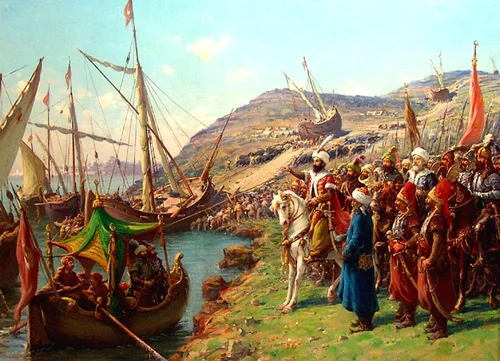
They also constructed a temporary road overland to transport their ships into the Golden Horn, effectively bypassing the city’s formidable sea defenses. Picture the ingenuity and determination required to execute such a bold plan. Would you have thought of dragging ships over land to win a battle?
Key Battles And Turning Points
The siege was marked by several critical battles and turning points. One of the most significant was the night assault on May 29, 1453, when the Ottomans launched a final, all-out attack. Despite fierce resistance, the Byzantine defenses crumbled under the relentless pressure.
The fall of the Kerkoporta, a small gate accidentally left open, allowed Ottoman forces to enter the city. This seemingly minor oversight led to a cascade of events that resulted in the city’s fall. It reminds you of how small details can have monumental consequences.
As Constantinople fell, the world witnessed the dawn of a new era. The story of the siege is a testament to the power of leadership, innovation, and the relentless pursuit of a vision. How might history have been different if the siege had failed?

Credit: medium.com
Fall Of Constantinople
The fall of Constantinople marked a pivotal moment in history, changing the course of empires and trade routes. This event wasn’t just a battle lost; it was the collapse of a city that had stood for over a thousand years. Understanding the fall gives you insight into the strategies and consequences that shaped the modern world.
Final Assault And Capture
The Ottomans launched their final assault on May 29, 1453, after weeks of relentless siege. Sultan Mehmed II used massive cannons to break through the ancient walls, something no enemy had achieved before. The defenders fought bravely, but the overwhelming numbers and advanced artillery gave the Ottomans a decisive edge.
What stands out is the use of naval forces to block reinforcements and cut off supplies, tightening the noose around the city. This combination of land and sea tactics was key to the swift fall. Imagine the tension inside those walls as the final breach was made—could you have held out any longer?
Immediate Aftermath In The City
Once the city was captured, chaos and change spread rapidly. The Ottomans took control and began transforming Constantinople into their new imperial capital, later known as Istanbul. Many residents faced displacement, and the city’s cultural landscape shifted dramatically.
Yet, this moment also sparked new opportunities. The Ottomans rebuilt and revived the city’s economy, turning it into a vibrant hub for trade and culture. This raises a question for you: How often does destruction lead to unexpected renewal in your own experiences?
Impact On World History
The fall of Constantinople in 1453 marked a turning point in world history. This event not only ended the Byzantine Empire but also reshaped trade routes, cultural landscapes, and political power structures. Understanding its impact helps you grasp how the modern world was shaped in ways that still affect you today.
Shift In Trade And Power
When the Ottomans took Constantinople, they controlled the key gateway between Europe and Asia. This shifted trade routes away from traditional paths and forced European powers to seek alternatives, eventually leading to the Age of Exploration.
Imagine how your daily life might change if the main route for your goods suddenly stopped working. That’s what happened to European merchants, pushing them to discover new sea routes to India and the Americas.
Cultural And Religious Changes
The Ottomans turned Constantinople into Istanbul and made it their capital, blending Islamic traditions with the city’s rich Christian heritage. This created a unique cultural mix that attracted artists, scholars, and traders from different backgrounds.
You might find it surprising how this blend influenced architecture, language, and religious practices. The Hagia Sophia, once a Christian cathedral, became a mosque, symbolizing the city’s new identity.
Legacy Of The Ottoman Empire
The Ottoman Empire lasted for over 600 years, influencing politics, culture, and society across three continents. Its legacy is visible in modern Turkey and many neighboring countries that once were part of the empire.
Have you ever noticed how certain foods, music, or even words in your language have roots in Ottoman culture? This empire’s impact extends beyond history books and into everyday life.
Credit: medium.com
Frequently Asked Questions
When Did The Ottomans Capture Constantinople?
The Ottomans captured Constantinople on May 29, 1453. This event marked the end of the Byzantine Empire. It was a significant turning point in world history.
Who Led The Ottomans In Taking Constantinople?
Sultan Mehmed II led the Ottoman forces during the siege of Constantinople in 1453. He was known as Mehmed the Conqueror. His leadership was crucial to the city’s fall.
Why Was Constantinople Important To The Ottomans?
Constantinople was a strategic city linking Europe and Asia. Controlling it allowed the Ottomans to dominate trade routes and expand their empire. It was also a cultural and political center.
How Long Did The Siege Of Constantinople Last?
The siege of Constantinople lasted for about 53 days. It began in early April 1453 and ended on May 29, 1453. The Ottomans used advanced military tactics and artillery.
Conclusion
The Ottomans took Constantinople in 1453. This event changed history forever. It marked the end of the Byzantine Empire. The city became the new Ottoman capital. This conquest opened new trade routes and ideas. Today, the event reminds us of great change.
Understanding this moment helps us learn from the past. History shapes the world we live in now. Keep exploring to discover more about this important time.



