
Have you ever wondered exactly when the Ottoman Empire came to an end? This empire shaped so much of history, culture, and politics for centuries.
Knowing the precise moment it dissolved can change how you see the world today. You’ll discover the key events that led to the fall of this powerful empire and why that moment still matters to your understanding of history. Keep reading to uncover the surprising facts behind the Ottoman Empire’s final chapter.

Credit: en.wikipedia.org
Rise And Fall Of The Empire
The Ottoman Empire was one of the longest-lasting empires in history. It grew from a small state into a powerful empire. The story of its rise and fall shows how it shaped world history. Understanding this helps us see why it eventually dissolved.
Early Expansion
The empire started in the late 13th century in Anatolia. The Ottomans used strong armies and smart leaders. They captured lands in Asia, Europe, and Africa. Cities like Constantinople became part of the empire. This expansion made them a major power.
Peak Power
The empire reached its highest point in the 16th century. Suleiman the Magnificent led the empire to great success. The empire controlled key trade routes and vast territories. Art, science, and culture flourished during this time. The Ottoman navy was strong and controlled the Mediterranean Sea.
Signs Of Decline
By the late 17th century, problems started to appear. The empire lost battles and land to European powers. Internal struggles and weak leadership grew. Economic issues and military defeats hurt the empire. These signs showed the empire was losing its strength.
World War I Impact
The impact of World War I on the Ottoman Empire was profound and far-reaching. The empire faced immense military pressure and internal challenges. These factors accelerated its decline and eventual dissolution. Understanding the war’s role clarifies why the empire could not survive the early 20th century.
Alliance And Battles
The Ottoman Empire joined the Central Powers in 1914. This alliance included Germany and Austria-Hungary. The decision aimed to regain lost territories and strengthen the empire.
The empire fought major battles on multiple fronts:
- Gallipoli Campaign against Allied forces.
- Conflict in the Caucasus with Russia.
- Fighting in the Middle Eastern deserts.
Despite some victories, the empire struggled to maintain control. The prolonged war drained resources and weakened its military power.
Territorial Losses
The empire lost vast areas during and after the war. Allied forces occupied key regions. Arab revolts further chipped away at Ottoman control.
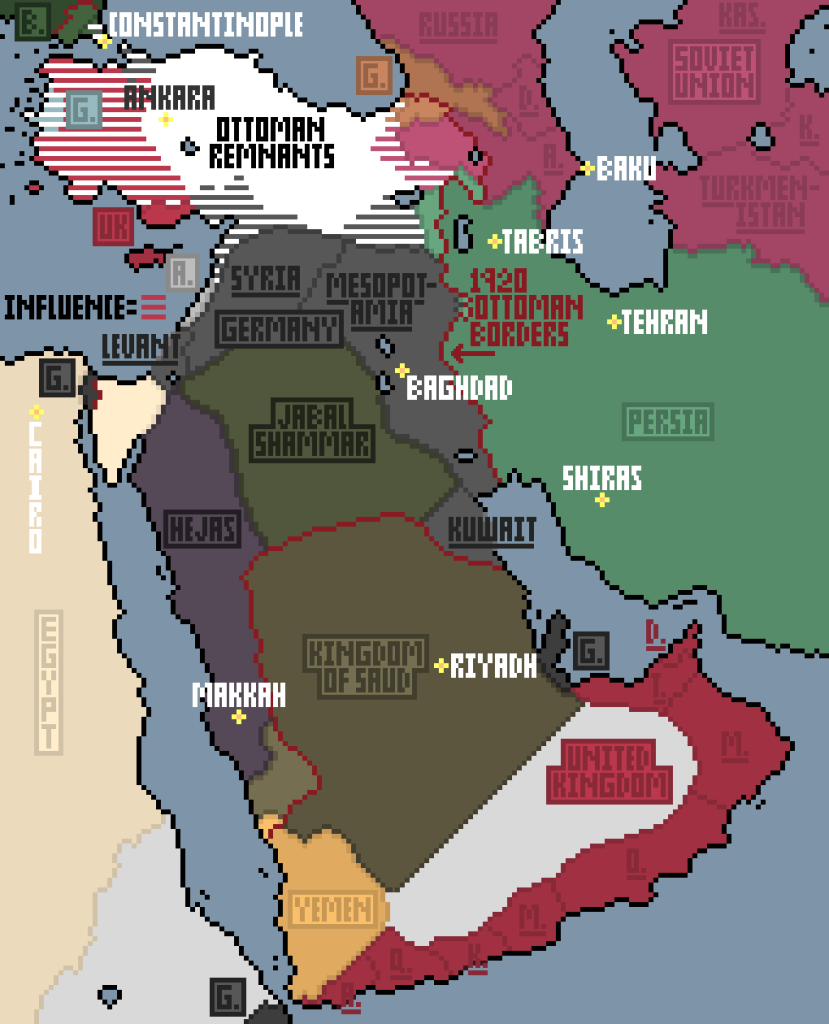
The Treaty of Sèvres in 1920 formalized these losses:
- Armenia gained independence.
- Arab lands divided under British and French control.
- Greece received parts of Western Anatolia.
These territorial cuts shattered the empire’s unity. They paved the way for the Turkish War of Independence. Ultimately, the empire’s lands were reduced to the core area of modern Turkey.
Key Dates In Dissolution
The Ottoman Empire officially ended on November 1, 1922, when the sultanate was abolished. The Republic of Turkey was founded shortly after, on October 29, 1923. These dates mark the empire’s formal dissolution and the birth of modern Turkey.
The dissolution of the Ottoman Empire marked a significant turning point in world history, reshaping political boundaries and influencing modern geopolitics. Understanding the key dates in its dissolution helps you grasp how the empire’s decline unfolded over time. Each key event, from armistices to treaties, played a crucial role in dismantling the once-mighty Ottoman power structure.Armistice Of Mudros
The Armistice of Mudros, signed on October 30, 1918, signaled the end of the Ottoman Empire’s involvement in World War I. It was a critical moment, effectively disarming the Ottoman military and ceding control of strategic territories to the Allies. Imagine how it felt for the people of the empire, witnessing their homeland being divided and occupied.Treaty Of Sèvres
The Treaty of Sèvres, signed on August 10, 1920, was supposed to formalize the partitioning of the Ottoman Empire. It imposed severe territorial losses and economic restrictions. However, it also ignited a fierce national resistance, leading to its eventual rejection by Turkish nationalists. This treaty is a reminder of how people often rally against foreign-imposed constraints to reclaim their sovereignty.Abolition Of The Sultanate
The abolition of the Sultanate on November 1, 1922, marked the end of the Ottoman dynasty’s political power. This decision was driven by the rise of the Turkish National Movement, which sought to establish a new governance structure. Reflect on how a nation’s identity can transform dramatically when long-standing institutions are dismantled.Establishment Of The Republic
On October 29, 1923, the Republic of Turkey was officially established, completing the dissolution of the Ottoman Empire. Mustafa Kemal Atatürk, a pivotal figure, led the charge to modernize and secularize the new nation. Consider the courage it takes to forge a new path and redefine a nation’s future amidst the ashes of a fallen empire. In reflecting on these key dates, you might wonder: How do the legacies of the past shape the challenges and opportunities of today?
Credit: en.wikipedia.org
Legacy After Dissolution
The dissolution of the Ottoman Empire marked the end of a powerful era. Its legacy still influences many aspects of life today. The empire’s fall reshaped borders and cultures across several regions. Understanding its legacy helps grasp the present-day dynamics of these areas.
Successor States
After the empire dissolved, new nations emerged. Turkey became the most prominent successor state. Other countries formed in the Balkans, Middle East, and North Africa. These states inherited diverse cultures and complex histories. Borders often reflected the empire’s former reach and influence.
Cultural Impact
The Ottoman Empire left a rich cultural heritage. Architecture, language, and cuisine reflect its long rule. Mosques, palaces, and bridges from that time still stand. Turkish coffee and dishes like baklava remain popular worldwide. The empire connected East and West, blending traditions uniquely.
Modern Reflections
Today, the Ottoman legacy shapes politics and identity in many countries. Some people honor the empire’s history with pride. Others debate its role in regional conflicts and power struggles. Museums and literature preserve memories of the empire’s past. Its influence remains alive in daily life and culture.

Credit: www.reddit.com
Frequently Asked Questions
When Was The Ottoman Empire Officially Dissolved?
The Ottoman Empire was officially dissolved on November 1, 1922. This marked the end of the sultanate after over 600 years of rule.
What Events Led To The Ottoman Empire’s Dissolution?
World War I defeat and the Turkish War of Independence led to the empire’s collapse. The Treaty of Sèvres also played a key role.
How Did The Dissolution Affect Modern Turkey?
The dissolution led to the establishment of the Republic of Turkey in 1923. Mustafa Kemal Atatürk became its first president.
Was The Ottoman Empire Dissolved Before Or After World War I?
The Ottoman Empire was dissolved after World War I, in 1922. The war significantly weakened the empire, accelerating its end.
Conclusion
The Ottoman Empire ended in 1922 after centuries of rule. Its fall changed the map of the Middle East and Europe. Many new countries formed from its lands. The empire’s legacy still influences culture and politics today. Understanding this history helps us see the world better.
History teaches lessons that matter now. The Ottoman Empire’s story remains important for all.



