
Have you ever wondered where the mighty Ottoman Empire began? Understanding its origins can change the way you see history and the world today.
This empire once shaped continents and cultures, but where did it all start? You’ll discover the surprising place and story behind the rise of the Ottoman Empire. Keep reading, and you’ll uncover facts that might just change what you thought you knew about this powerful empire.
Credit: owlcation.com
Early Turkic Tribes
The roots of the Ottoman Empire trace back to the early Turkic tribes. These tribes played a crucial role in shaping the empire’s foundation. Their way of life, beliefs, and social structure influenced the rise of the Ottomans. Understanding their origins helps us grasp how the empire began and grew.
Nomadic Origins
The early Turkic tribes were mostly nomads. They moved across vast lands in Central Asia, following herds and seasonal changes. This nomadic lifestyle taught them to be skilled horse riders and fierce warriors. They lived in tents called yurts, which were easy to pack and move.
Nomads valued freedom and strength. Their leaders were chosen by merit and bravery. This system created strong, united groups ready for challenges. The nomadic nature also helped them adapt quickly to new environments and enemies.
Cultural Influences
The Turkic tribes absorbed many cultural elements from neighbors. They traded ideas with Persians, Arabs, and Byzantines. This mix shaped their language, religion, and art. Islam became central to their identity after contact with Muslim traders and scholars.
They also adopted new military strategies and technologies. The blend of traditions helped the tribes build a unique culture. This culture laid the groundwork for the Ottoman Empire’s diverse and rich society.

Credit: uk.news.yahoo.com
Role Of Anatolia
The region of Anatolia played a crucial role in the origin of the Ottoman Empire. This area served as the early homeland and base for the empire’s founders. Anatolia’s unique position shaped the rise and expansion of the Ottomans. Its diverse landscape and strategic location influenced political and military developments.
Understanding Anatolia’s role helps explain how the Ottoman Empire grew from a small principality into a powerful empire. The interactions with neighboring states and control over important trade routes were key factors. Anatolia’s influence remained central throughout the empire’s history.
Geographical Importance
Anatolia is a large peninsula in modern-day Turkey. It sits between Europe and Asia. This location made it a crossroads for trade and culture. The region has mountains, rivers, and fertile lands. These features supported agriculture and settlement.
Control of Anatolia allowed access to important trade routes. Caravans and armies passed through the area regularly. This made it a valuable and contested region. The Ottomans used Anatolia as a base to expand westward and eastward.
Byzantine Interactions
The Byzantine Empire ruled much of Anatolia before the Ottomans. The two powers often clashed in border regions. The Ottomans learned military tactics by fighting Byzantine forces. Many early Ottoman leaders were former Byzantine soldiers or officials.
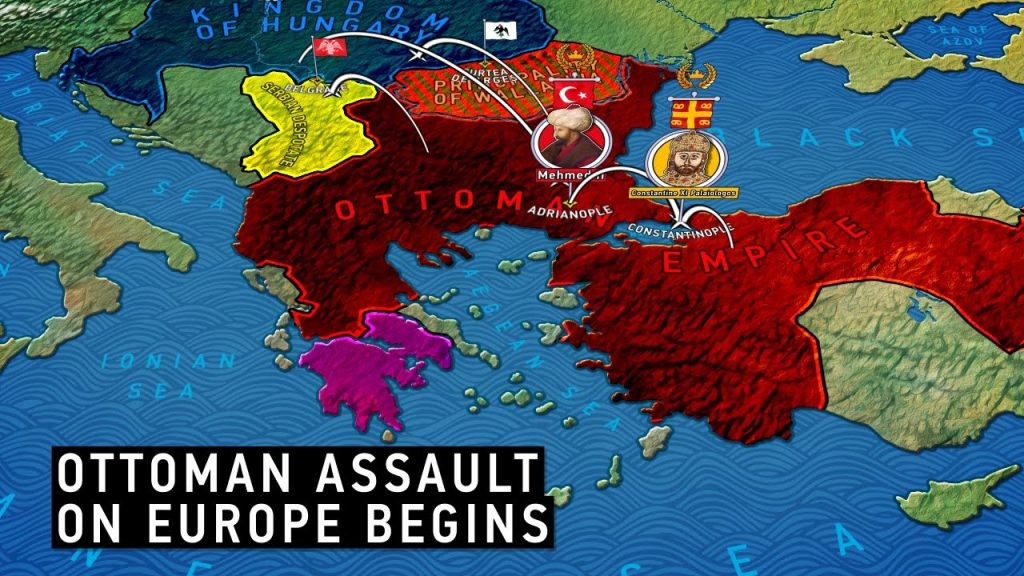
Conquests of Byzantine cities helped the Ottomans gain wealth and territory. The fall of Constantinople marked a major victory over the Byzantines. These interactions shaped the Ottomans’ political and cultural identity. They blended Byzantine influences with their own traditions.
Founding Of The Ottoman Dynasty
The Ottoman Empire began in the late 13th century. It started in a small region of Anatolia. The dynasty was founded by the ambitious leader, Osman I. He laid the foundations for what would become a vast empire. His leadership was crucial in the early days of the empire.
Osman I’s Leadership
Osman I was a visionary leader. He united various tribes under his command. His strategies helped expand territories quickly. He inspired loyalty and trust among his followers. This was vital for the empire’s growth.
Tribal Alliances
Osman I formed alliances with neighboring tribes. These alliances strengthened his position. They provided military support and resources. Together, they resisted external threats. This cooperation was key in establishing the dynasty’s power.
Seljuk Influence
The Seljuk Turks played a key role in shaping the early Ottoman Empire. Their culture and governance provided a foundation for the Ottomans. The Seljuks ruled large parts of Anatolia before the Ottomans rose to power. This influence helped the Ottomans develop their own identity.
The Seljuks left marks on politics and military tactics. These elements helped the Ottomans grow into a strong empire. Understanding the Seljuk influence clarifies how the Ottomans began and expanded.
Political Legacy
The Seljuks introduced a system of government that balanced power. They used local leaders called beys to govern regions. This decentralized system allowed flexibility and faster decision-making. The Ottomans adopted this approach early on.
The Seljuk model also emphasized religious authority alongside political power. This blend helped maintain order and loyalty. The Ottomans continued this tradition, combining political rule with Islamic principles.
Military Strategies
The Seljuks were skilled horsemen and archers, expert in guerrilla warfare. Their use of light cavalry allowed fast attacks and quick retreats. The Ottomans inherited these tactics and improved them with new weapons.
Seljuk armies also used fortified castles and watchtowers for defense. This strategy protected borders and controlled trade routes. The Ottomans expanded on this by building strong fortresses to secure their lands.
Religious And Cultural Roots
The Ottoman Empire’s origins lie deeply rooted in its religious and cultural landscape. Faith shaped its laws and daily life. Culture enriched its traditions and social bonds. Understanding these roots reveals how the empire grew strong and lasting.
Islamic Traditions
The Ottoman Empire was founded on Islamic principles. The rulers followed Sharia law, guiding justice and governance. Islam influenced education, art, and architecture. Mosques became centers of worship and learning. The Quran and Hadith were key sources of law and ethics. Religious festivals united the people in celebration and faith.
Sufi Brotherhoods
Sufi brotherhoods played a vital role in early Ottoman society. These groups practiced mysticism and spiritual devotion. They helped spread Islam peacefully across regions. Sufis taught love, tolerance, and service to others. Their lodges served as places for prayer and community support. Many Ottoman leaders were influenced by Sufi teachings. This connection helped the empire build strong social ties.
Economic Foundations
The economic foundations of the Ottoman Empire played a crucial role in its rise and long-lasting influence. Understanding these foundations helps you see how the empire managed to sustain itself through centuries of change. Two main pillars supported their economy: strategic trade routes and a solid agricultural base.
Trade Routes
The Ottoman Empire sat at the crossroads of important trade routes connecting Europe, Asia, and Africa. This location allowed them to control the flow of goods like spices, silk, and precious metals.
By managing these routes, the empire collected taxes and tariffs that filled its treasury. You might wonder how controlling trade routes affects your modern business? It shows the power of location and access to markets.
Additionally, the Ottomans developed caravanserais—roadside inns for traders—that boosted commerce and ensured safer travel. These efforts created a vibrant network that encouraged both local and international trade.
Agricultural Base
Agriculture was the backbone of the Ottoman economy. The fertile lands of Anatolia and the Balkans produced grains, fruits, and cotton, which supported the population and trade.
Farmers used irrigation and crop rotation techniques to maintain soil health and increase yields. This attention to farming details ensured food security and economic stability.
Imagine how your business could benefit from focusing on steady, reliable resources rather than just quick wins. The Ottomans’ focus on agriculture shows the value of nurturing core strengths to build lasting success.
Legacy Of The Ottoman Origins
The legacy of the Ottoman origins is more than just a historical footnote; it deeply shapes modern identities, politics, and cultural understanding. The empire’s beginnings continue to influence how Turkey sees itself and how historians interpret its past. Understanding this legacy helps you grasp the full picture of today’s Turkey and the ongoing conversations around its history.
Impact On Modern Turkey
The Ottoman Empire laid the foundation for modern Turkey’s geographic and cultural landscape. Many cities, including Istanbul, retain Ottoman architecture and urban planning that you can still explore today. The empire’s legal and administrative systems influenced the early Turkish Republic’s reforms, showing how past structures inform present governance.
When you visit Turkey, you can see Ottoman legacies in everyday life—from cuisine and music to language influences and traditional crafts. This connection raises an interesting question: how much does your history shape your daily experiences without you even realizing it?
Continuing Historical Debates
The origins of the Ottoman Empire spark lively debates among historians and scholars. Some focus on the empire’s Turkic roots, while others emphasize the multicultural interactions that shaped its rise. This ongoing discussion challenges you to think critically about how history is written and whose perspective is highlighted.
These debates also affect national narratives and identities, influencing education and politics in Turkey and beyond. When you engage with history, consider which voices are heard and which might be missing. How does this affect your understanding of the Ottoman Empire and its legacy?
Credit: owlcation.com
Frequently Asked Questions
Where Did The Ottoman Empire Originate?
The Ottoman Empire originated in northwestern Anatolia, near the town of Söğüt, around 1299. It began as a small Turkish principality under Osman I.
Who Founded The Ottoman Empire?
Osman I founded the Ottoman Empire. He was a Turkish tribal leader who established the empire’s foundation in the late 13th century.
What Region Did The Ottoman Empire First Control?
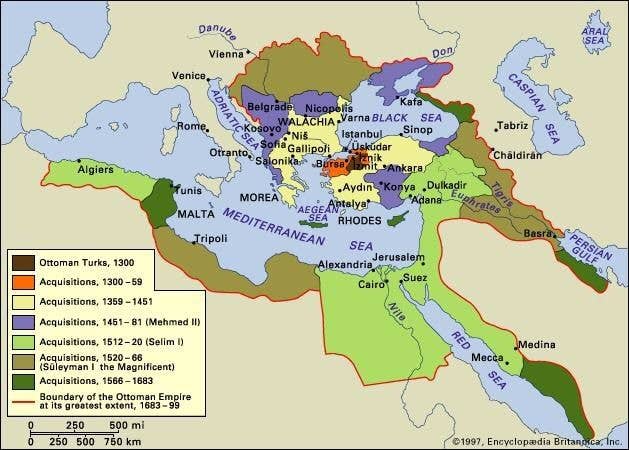
The Ottoman Empire first controlled parts of Anatolia and the Balkans. It expanded rapidly from its base near Söğüt.
How Did The Ottoman Empire Start?
The empire started as a small principality in Anatolia, growing through military conquests and alliances during the decline of the Seljuk Turks.
Conclusion
The Ottoman Empire began in a small region in Anatolia, modern-day Turkey. It grew from a humble tribe into a vast empire. Its origin shaped much of history in Europe and Asia. The story shows how small beginnings can lead to great power.
Understanding its roots helps us appreciate its impact today. The empire’s rise reminds us of the importance of culture and leadership. History connects us to the past and guides the future. The Ottoman Empire’s origin is a key chapter in world history.



