
Have you ever wondered where the Ottoman Turks came from and how they rose to power? Understanding their origins can unlock fascinating stories about history, culture, and the rise of one of the most influential empires in the world.
If you want to uncover the roots of the Ottoman Turks and see how their beginnings shaped the course of history, keep reading—what you discover might surprise you. This is not just about the past; it’s about connecting the dots that explain so much about today’s world.
Credit: www.youtube.com
Early Turkic Roots
The story of the Ottoman Turks begins long before they established one of history’s most powerful empires. To truly understand where they came from, you need to look back at their early Turkic roots. These roots trace back to a collection of nomadic tribes living in vast, open lands where survival meant adaptability and resilience.
Central Asian Nomadic Tribes
The Ottoman Turks originated from Turkic tribes in Central Asia, a region known for its wide steppes and harsh climates. These tribes were skilled horsemen and warriors, living off the land and moving frequently to find pastures for their herds. Their lifestyle fostered a strong sense of independence and community.
What’s fascinating is how these tribes maintained their identity through language, customs, and shared beliefs despite constant movement. You might wonder how such nomadic groups managed to form a lasting empire. The answer lies in their ability to unite under strong leaders and adapt to new environments.
Migration Patterns
The early Turkic peoples didn’t stay in one place. Over centuries, they migrated westward, driven by various factors like climate changes, conflicts, and search for better resources. This migration led them from Central Asia into Anatolia, where the Ottoman Empire would eventually rise.
Along the way, these tribes interacted with different cultures and societies, absorbing new ideas and technologies. This blend of influences helped shape the Ottoman Turks’ unique identity. Think about how migration today affects cultural identity; it’s a powerful force that can redefine people and nations.
Seljuk Influence
The Seljuk Turks played a crucial role in shaping the origins of the Ottoman Turks. Understanding the Seljuk influence helps you grasp how the Ottomans emerged as a powerful force. Their legacy extends beyond military conquests to cultural and political foundations that the Ottomans built upon.
Rise Of The Seljuk Empire
The Seljuks originated from the Oghuz Turkic tribes in Central Asia. By the 11th century, they had moved westward, establishing a vast empire covering parts of Iran, Iraq, and Anatolia.
Their victory at the Battle of Manzikert in 1071 was a turning point. It opened the door for Turkic migration into Anatolia, where the Ottomans would later rise. Imagine how a single battle can change the course of history and create new opportunities for emerging powers.
Cultural And Political Impact
The Seljuks introduced Persian culture and Islamic traditions to Anatolia, blending them with Turkic customs. This fusion influenced the art, architecture, and governance systems the Ottomans later adopted and refined.
Politically, the Seljuk model of decentralized rule inspired the Ottoman administrative structure. You can see how the Ottomans learned to balance local autonomy with central authority, a key factor in their long-lasting empire.
Ask yourself: How does understanding the Seljuks help you appreciate the complexity behind the Ottoman Turks’ rise? Their influence wasn’t just a backdrop—it was the foundation on which the Ottomans built their success.
Formation Of The Ottoman Beylik
The formation of the Ottoman Beylik marks a pivotal chapter in history. It set the stage for a powerful empire that would influence three continents. Understanding how this small principality began helps you appreciate the complexity behind its rise.
Osman I And His Legacy
Osman I is often called the founder of the Ottoman Beylik. His leadership skills and vision turned a small group of warriors into a lasting political entity. Osman’s legacy is not just about conquest but about creating a sense of unity and purpose.
What made Osman stand out was his ability to gather support from diverse tribes. He built alliances that extended beyond mere military strength. This approach allowed the Beylik to grow steadily in influence and territory.
Geographic Origins In Anatolia
The Ottoman Beylik originated in Anatolia, a region full of strategic value. Anatolia’s landscape offered both protection and access to important trade routes. This location helped the Beylik thrive in a competitive environment.
The area was a crossroads between the Byzantine Empire and various Turkish principalities. This position gave the Ottomans opportunities to expand by taking advantage of weakened neighbors. Think about how geography can shape your own opportunities—sometimes where you start matters more than you realize.
Credit: en.wikipedia.org
Ethnic And Cultural Composition
The Ottoman Turks originated from Central Asia, mixing with various ethnic groups over time. Their culture blends Turkic, Persian, and Arab influences. This mix shaped the diverse and rich identity of the Ottoman Empire.
The Ottoman Turks’ ethnic and cultural composition was rich and varied. This diversity shaped their empire into a unique blend of traditions. Understanding these influences helps us appreciate their historical significance.Turkic, Byzantine, And Other Influences
The Ottoman Turks originated from the Turkic tribes of Central Asia. These tribes were nomadic and known for their skilled horsemanship. Over time, they migrated westward, settling in Anatolia. They absorbed many cultural elements from the Byzantine Empire, their neighbor. This interaction influenced their architecture, art, and governance. The Ottomans also incorporated elements from the Arab and Persian worlds. These influences enriched their cultural tapestry.Language And Traditions
The Ottoman language was a blend of Turkish, Arabic, and Persian. This mix reflected the empire’s diverse heritage. It was the language of administration, literature, and the court. Traditions in the empire were equally diverse. The Ottomans celebrated various festivals, blending different cultural practices. Their cuisine also showed diversity, with dishes from different regions. These influences made the Ottoman Empire a vibrant and dynamic civilization.Expansion And Consolidation
The Ottoman Turks grew from a small principality into a vast empire. Their rise was marked by rapid expansion and careful consolidation of territories. This process shaped their power in Anatolia and beyond. The Ottomans combined military skill with smart governance. They built a system that held diverse peoples together.
Conquests In Anatolia And Beyond
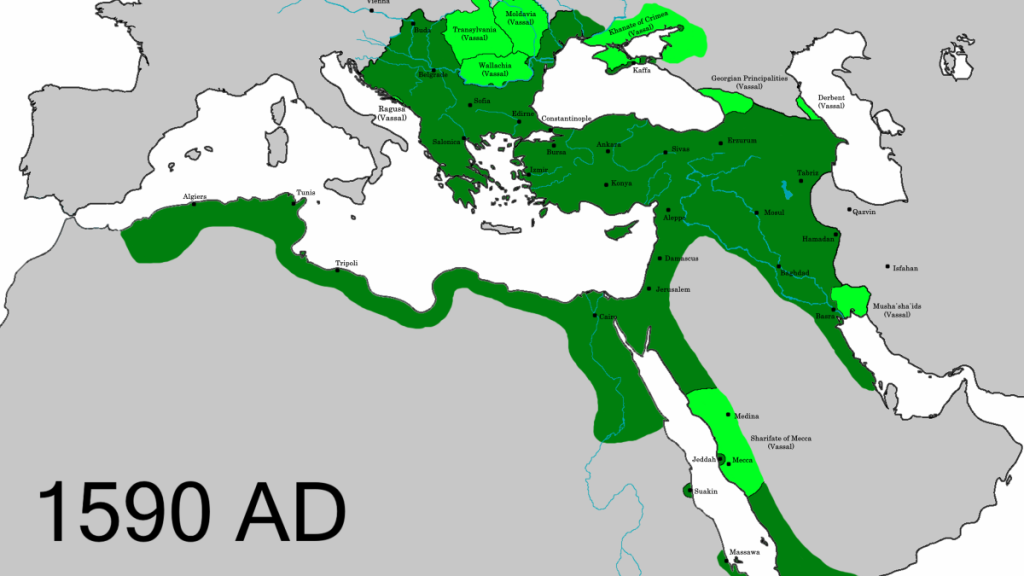
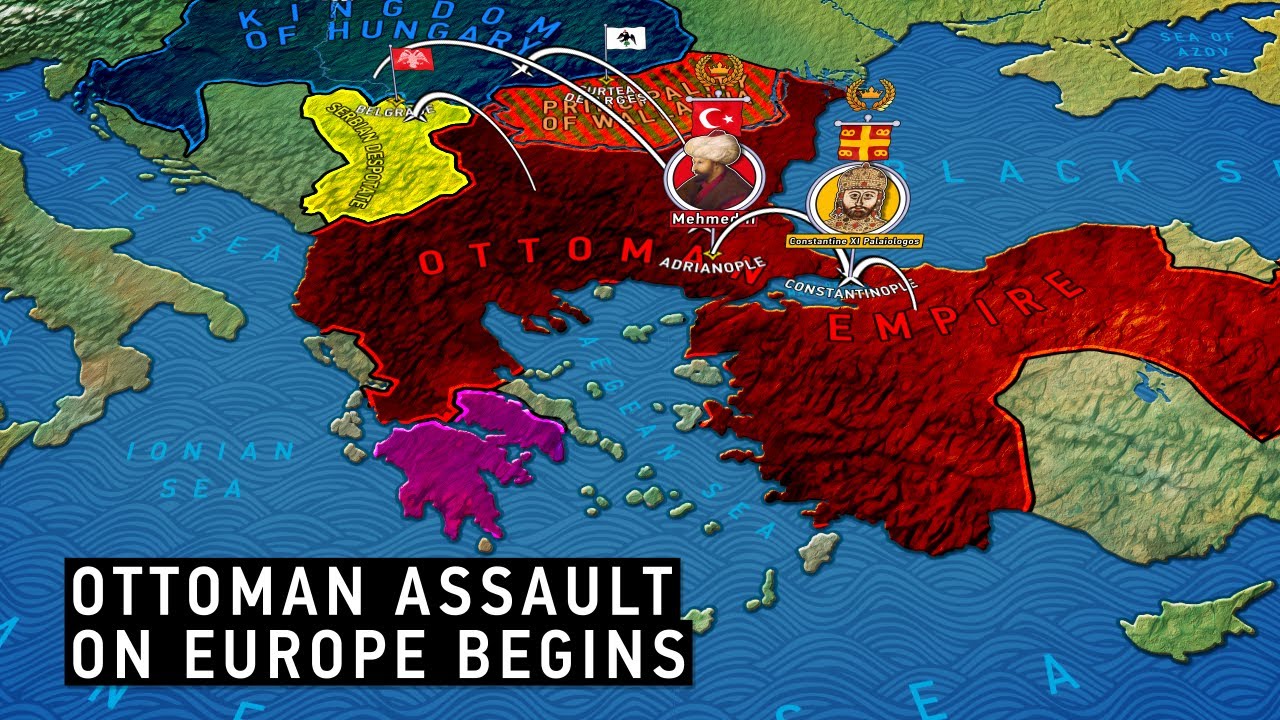
The Ottomans began by conquering nearby Turkish states in Anatolia. Their battles extended the empire’s borders steadily. They captured key cities and trade routes. The fall of Constantinople in 1453 was a turning point. This victory opened Europe to Ottoman influence. The empire grew into Southeast Europe, the Middle East, and North Africa. Their armies used advanced tactics and strong leadership. Each conquest added more land and resources.
Integration Of Diverse Peoples
The Ottoman Empire included many ethnic and religious groups. They allowed local customs and laws to continue. This policy reduced rebellions and helped maintain peace. Non-Muslims paid special taxes but kept religious freedom. The Ottomans used a system called “millets” to manage communities. Leaders from different groups handled their own affairs. This approach built loyalty and stability. It helped the empire last for centuries.

Credit: en.wikipedia.org
Historiographical Debates
The origins of the Ottoman Turks have sparked intense debate among historians. These discussions are not just about tracing a lineage but about interpreting a complex web of cultural, ethnic, and political influences. Understanding these debates helps you see how history is shaped by the sources we trust and the perspectives we choose.
Sources And Chronicles
Primary sources about the early Ottomans come from chronicles written centuries after their rise. These texts often mix legend with fact, making it hard to separate truth from storytelling. For example, the Ottoman Chroniclesemphasize the role of Osman I as a heroic founder, but they were written to glorify the dynasty.
Other sources include Byzantine and Arab records, which offer outside views but sometimes carry bias against the Ottomans. These external accounts provide crucial details but must be read with caution. Have you ever considered how much a writer’s background colors their history?
Modern Interpretations
Today’s historians use archaeology, linguistics, and comparative studies to rethink Ottoman origins. Some argue the Turks emerged from a mix of Turkic tribes and local Anatolian groups. Others stress the influence of Islamic culture on shaping Ottoman identity.
This diversity of views shows that history is not fixed. It evolves with new evidence and changing perspectives. How might your own understanding of the past change if you looked at different types of evidence?
Frequently Asked Questions
Where Did The Ottoman Turks Originally Come From?
The Ottoman Turks originated from the Oghuz Turkic tribes in Central Asia. They migrated westward, settling in Anatolia by the late 13th century. Their empire began near modern-day Turkey and expanded rapidly across Southeast Europe, Western Asia, and North Africa.
What Was The Homeland Of The Ottoman Empire Founders?
The founders of the Ottoman Empire came from the region of Anatolia, in present-day Turkey. This area was a cultural crossroads between Asia and Europe. It provided strategic advantages for trade and military expansion, allowing the Ottomans to build a powerful empire.
How Did The Ottoman Turks Migrate To Anatolia?
The Ottoman Turks migrated to Anatolia through gradual movement from Central Asia. They traveled along trade routes and settled in border regions of the declining Seljuk Sultanate. This migration allowed them to establish control and grow their influence in the region.
What Ethnic Roots Do The Ottoman Turks Have?
The Ottoman Turks have Turkic ethnic roots, primarily from the Oghuz tribes. They also mixed with local Anatolian populations and other ethnic groups. This blend helped shape the unique cultural and political identity of the Ottoman Empire.
Conclusion
The Ottoman Turks came from Central Asia, moving west over time. They settled in Anatolia and built a strong empire. Their history shows a mix of cultures and traditions. This background helps us understand their rise and influence. The story of the Ottomans is a key part of world history.
It reminds us how peoples and ideas travel and change. Learning about their origins gives us a clearer picture of the past. The Ottoman legacy still affects many regions today. A fascinating journey from nomads to empire builders.



