
Have you ever wondered where the Ottomans come from? Understanding their origins can change the way you see history and the world around you.
You might think it’s just a story from the past, but it’s much more than that. Knowing where the Ottomans started helps you connect with their culture, influence, and the powerful empire they built. Keep reading, and you’ll discover surprising facts that will make history come alive for you.
Your curiosity is about to be rewarded.
Credit: owlcation.com
Early Turkic Roots
The Ottoman Empire traces its origins to early Turkic peoples who lived across vast lands. Their history starts with small nomadic groups roaming Central Asia. These tribes shared language, culture, and traditions. Over time, they moved westward, shaping new identities and states. The Ottomans emerged from these early Turkic roots, blending old customs with new influences.
Nomadic Tribes Of Central Asia
Central Asia was home to many Turkic nomadic tribes. These groups lived by herding animals and moving with seasons. They knew how to survive harsh climates and open steppes. Their social structure focused on clans and tribal leaders. They valued bravery, loyalty, and skill in battle. These tribes spoke Turkic languages and practiced Tengriism, an ancient sky worship religion.
The nomads often traded with settled civilizations. This contact helped them learn new ideas and technologies. Their mobility allowed them to adapt quickly to changes. Conflicts and alliances shaped their history. These tribes laid the foundation for future Turkic states, including the Ottomans.
Migration Patterns To Anatolia
Turkic tribes began moving west toward Anatolia around the 11th century. This migration was driven by pressure from other tribes and changing climates. They crossed vast distances, from Central Asia through Persia. Many settled in areas controlled by the Byzantine Empire.
In Anatolia, Turkic groups mixed with local peoples. They adopted new customs and religions, including Islam. This blending created a unique culture that influenced the Ottoman identity. The migrations brought military skills and new leadership styles. These changes helped the Ottomans rise from a small principality to an empire.

Credit: www.wikiwand.com
The Rise Of The Osman Dynasty
The Rise of the Osman Dynasty marks a turning point in history, setting the stage for what would become one of the longest-lasting empires in the world. Understanding how this dynasty began helps you grasp the complex roots of Ottoman power and influence. It all starts with a leader whose story is wrapped in both legend and historical fact.
Osman I And Founding Legends
Osman I is the central figure in the story of the Ottoman Empire’s origin. His leadership and military skills helped unite various Turkic tribes in the late 13th century. You might find it interesting that much of what we know about Osman comes from tales that blend history with myth.
One famous legend says Osman had a dream where a moon and a star appeared, symbolizing his future empire’s greatness. Whether fact or fiction, this dream inspired his followers and gave a spiritual edge to his rule. His name, Osman, actually comes from the Arabic ‘Uthman,’ connecting him to a wider Islamic tradition.
Political Landscape Before The Empire
Before the Ottoman Empire emerged, the region was a patchwork of small Turkish principalities and Byzantine territories. The collapse of the Seljuk Sultanate of Rum left a power vacuum. This chaotic environment made it possible for a savvy leader like Osman to gain influence.
Local rulers constantly fought for control, and alliances shifted quickly. You can think of it as a complex game of chess, where each move affected survival. Osman’s ability to navigate this unstable political scene was key to his success.
- Small Turkish states often competed for land and resources.
- Byzantine control was weakening, especially in Anatolia.
- Nomadic tribes and settled populations mixed, creating diverse challenges.
Have you ever wondered how a single leader can rise above such turmoil? Osman’s story shows that understanding your environment and building strong relationships can turn instability into opportunity.
Cultural Influences On The Ottomans
The Ottomans emerged as a powerful empire with diverse cultural influences. These influences shaped their art, architecture, and governance. The blend of various cultures contributed to their unique identity.
Byzantine And Islamic Heritage
The Ottomans borrowed from the Byzantine Empire significantly. They adopted architectural styles seen in their grand mosques and buildings. Islamic heritage also played a vital role. Islamic art and calligraphy enriched Ottoman designs. The fusion of these two cultures formed a distinct Ottoman style.
Persian And Arab Contributions
Persian culture influenced the Ottomans in literature and governance. Persian poetry and prose became popular in the Ottoman court. Arab contributions included advancements in science and philosophy. These elements further enhanced the Ottoman intellectual landscape. Together, they created a rich tapestry of knowledge and creativity.
Geopolitical Factors Shaping Origins
The origins of the Ottomans were deeply influenced by the geopolitical landscape of their time. The region where they emerged was a crossroads of cultures and powers. This environment shaped their rise and strategies.
Geopolitical factors played a key role in defining their identity and growth. The Ottomans had to navigate complex relationships with neighboring states. Trade routes also affected their economic strength and political power.
Border Dynamics With Neighboring States
The Ottomans settled near many rival states and tribes. These neighbors included Byzantine Greeks, Seljuk Turks, and various Anatolian beyliks. The constant pressure from these groups forced the Ottomans to build strong defenses.
They often formed alliances or fought battles to expand territory. Control of border areas was crucial for their survival and expansion. This competition created a dynamic and ever-changing political map.
Role Of Trade Routes
The Ottoman lands sat along vital trade routes between Asia and Europe. These routes brought goods, culture, and ideas. Access to trade boosted their economy and influence.
They controlled important paths such as the Silk Road branches and maritime routes in the Mediterranean. This control allowed them to tax merchants and grow wealth. Wealth fueled their military and administrative power.
Archaeological And Historical Evidence
Archaeological and historical evidence sheds light on the origins of the Ottomans. These sources reveal where they came from and how their early culture developed. Excavations and ancient texts provide valuable clues about their beginnings.
Artifacts and inscriptions found in Anatolia show early Turkic influences mixed with local traditions. These findings help trace the rise of the Ottoman dynasty in the 13th century. Written records from neighboring states also mention the early Ottomans, confirming their presence in the region.
Artifacts And Inscriptions
Objects like coins, pottery, and weapons reflect the daily life of early Ottomans. These artifacts often carry symbols and designs unique to their culture. Inscriptions on stone and metal reveal names, dates, and events linked to Ottoman leaders.
- Coins with Ottoman emblems found in northwest Anatolia.
- Stone inscriptions marking land and tombs of early rulers.
- Weapons showing a blend of Turkic and Byzantine styles.
These material remains help historians connect the Ottomans to their Turkic origins and local interactions. They also provide evidence of the political and social structures in their early state.
Historical Chronicles And Records
Medieval chronicles from Byzantine and Persian sources mention the Ottomans as a rising power. These texts describe their military actions and alliances. Ottoman genealogies, recorded later, trace their ancestry back to Turkic tribes.
- Byzantine records noting Ottoman raids in the 1300s.
- Persian histories describing the Ottoman leadership and expansion.
- Ottoman court documents preserving family histories and titles.
These written records complement the archaeological findings. Together, they form a clear picture of where the Ottomans came from and how they grew into an empire.

Credit: medium.com
Myths And Misconceptions
The origins of the Ottomans are often surrounded by a haze of myths and misconceptions. These stories, while fascinating, can cloud your understanding of the true history behind this powerful empire. Let’s clear up some of these misunderstandings to give you a clearer picture of where the Ottomans really come from.
Common Origin Myths Debunked
One popular myth claims the Ottomans descended directly from the ancient Romans. This idea likely comes from the empire’s control over former Byzantine territories, but it’s not historically accurate. The Ottomans were actually a Turkic people who migrated from Central Asia.
Another misconception is that the Ottomans were originally nomadic barbarians. While their early history involved tribal roots, by the time they founded their empire, they had developed a sophisticated culture and political system. This challenges the simplistic view of them as uncivilized conquerors.
Some stories suggest that the Ottomans’ rise was purely due to military force and luck. However, their success was largely due to strategic alliances, smart governance, and adaptability. Have you ever thought how much planning and diplomacy shape the fate of empires?
Separating Fact From Fiction
- Fact:The Ottomans originated from the Kayı tribe, a branch of the Oghuz Turks, who settled in Anatolia in the late 13th century.
- Fiction:They were a continuation of the Mongol Empire or directly linked to Genghis Khan’s lineage.
- Fact:The empire’s founder, Osman I, built his power base through careful alliances and control of trade routes.
- Fiction:The empire grew overnight through sheer conquest without any political strategy.
Understanding these distinctions helps you see the Ottoman Empire as a dynamic, evolving entity shaped by many factors—not just myths. What other historical stories have you heard that might need a second look?
Frequently Asked Questions
Where Did The Ottomans Originate From?
The Ottomans originated from the region of Anatolia, present-day Turkey. They emerged as a small Turkish principality in the late 13th century. Their founder, Osman I, established the foundations of the Ottoman Empire, which grew into a powerful and vast empire over centuries.
What Ethnic Group Were The Ottomans Part Of?
The Ottomans were part of the Turkic ethnic group. They descended from Turkic tribes that migrated from Central Asia to Anatolia. Their culture and language were heavily influenced by Turkish traditions combined with Islamic and Byzantine elements.
How Did The Ottomans Rise To Power?
The Ottomans rose through military strength and strategic alliances. They capitalized on the decline of the Byzantine Empire and expanded their territory. Their effective governance and strong leadership helped them build a vast empire lasting over 600 years.
What Regions Did The Ottomans Originally Inhabit?
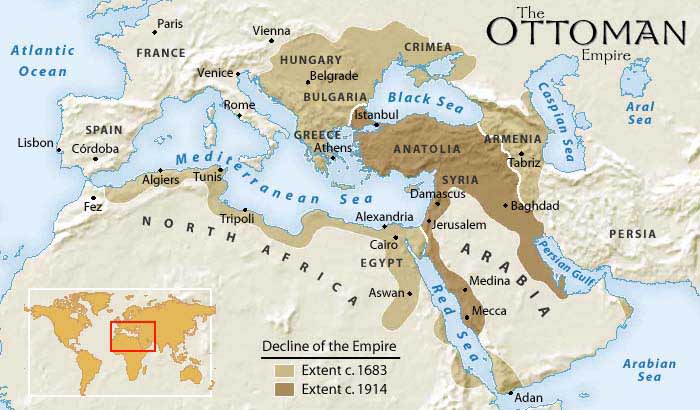
Initially, the Ottomans inhabited northwestern Anatolia, near the Byzantine frontier. This strategic location allowed them to expand into the Balkans and eventually dominate much of Southeast Europe, Western Asia, and North Africa.
Conclusion
The Ottomans began as a small tribe in Central Asia. They moved west and built a strong empire. Their history shows growth from humble roots to great power. Understanding their origin helps explain their culture and influence. The story of the Ottomans is part of world history.
It shows how people and ideas travel and change over time. This background adds depth to the study of their empire. Their journey inspires curiosity about history and heritage.



