
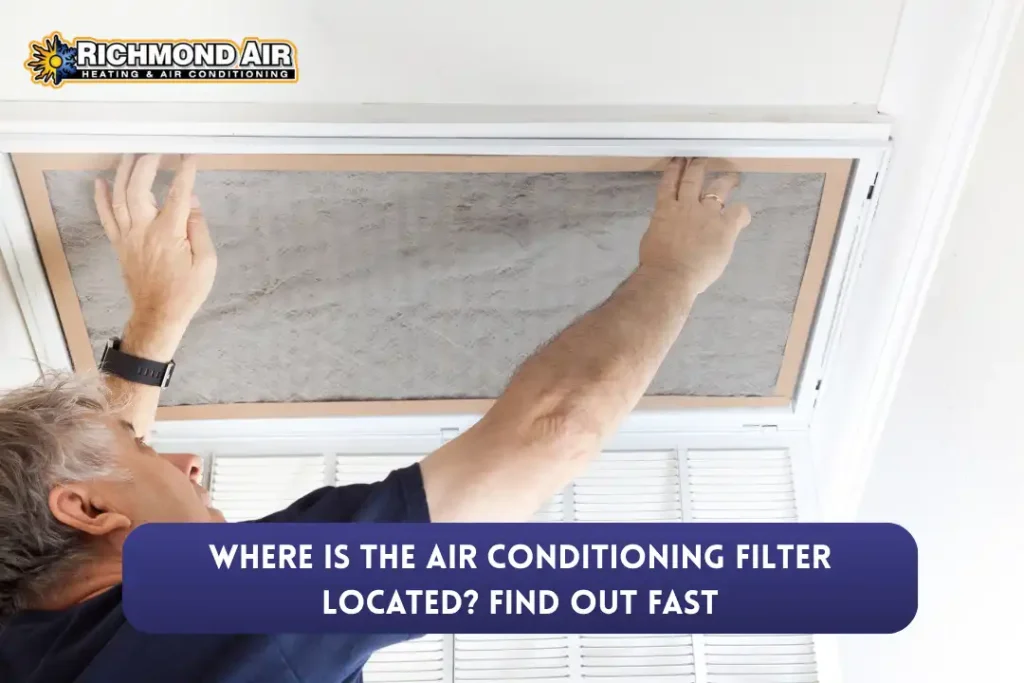
Have you ever wondered where the HVAC system in your home is actually located? Knowing this can save you time, money, and frustration, especially when it’s time for maintenance or repairs.
You might be surprised to learn that HVAC units aren’t always where you expect them to be. You’ll discover exactly where to find your HVAC system and why understanding its location matters. Keep reading, and you’ll feel more confident managing your home’s heating and cooling like a pro.
Common Hvac Locations
HVAC systems are often hidden but essential parts of any building. Knowing their common locations helps with maintenance and repairs. Most HVAC units are placed where they can be both efficient and out of the way. These places protect the system and keep your living spaces comfortable.
Basement
Basements are popular spots for HVAC units. They offer cool, dry space away from living areas. This location keeps noise and heat from reaching rooms. It also makes it easier to access pipes and ducts.
Attic
Attics provide a quiet, out-of-the-way place for HVAC systems. They keep the unit away from daily activities. Attics are good for warm air circulation but may need extra insulation. This spot helps save indoor space.
Garage
Garages are another common place for HVAC equipment. This area is easy to reach for service and repairs. It also keeps the system outside main living areas. Proper ventilation in the garage is important for safety.
Closet Spaces
Some homes use closets to hide HVAC units. These closets are specially designed for air flow. They keep the system close to living spaces for quick heating or cooling. Closet locations save room in smaller homes.
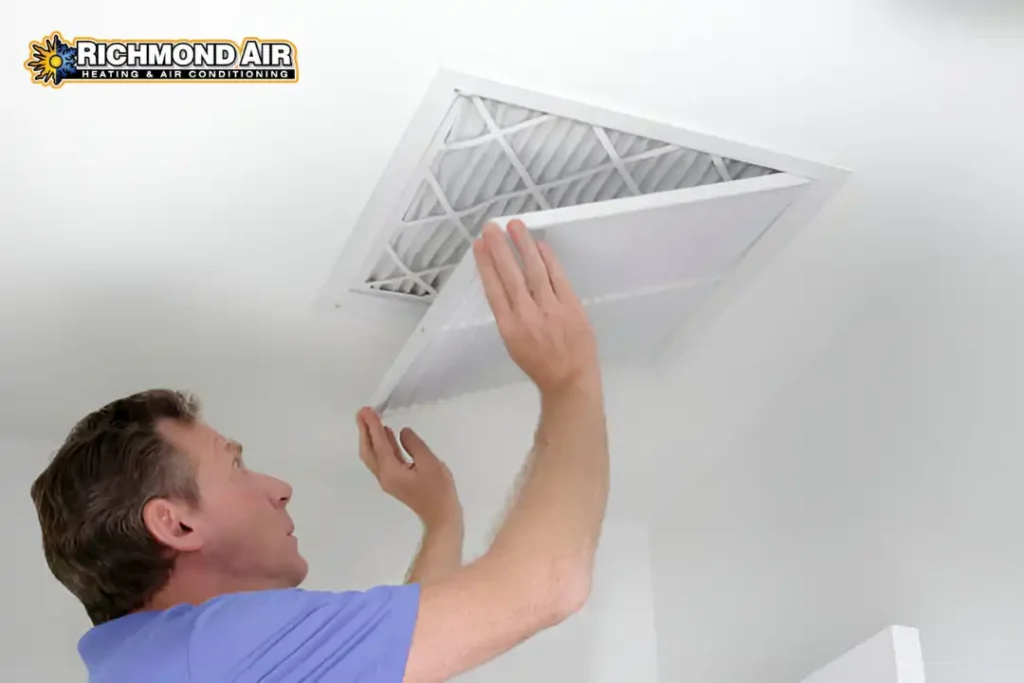
Credit: richmondair.us
Outdoor Hvac Units
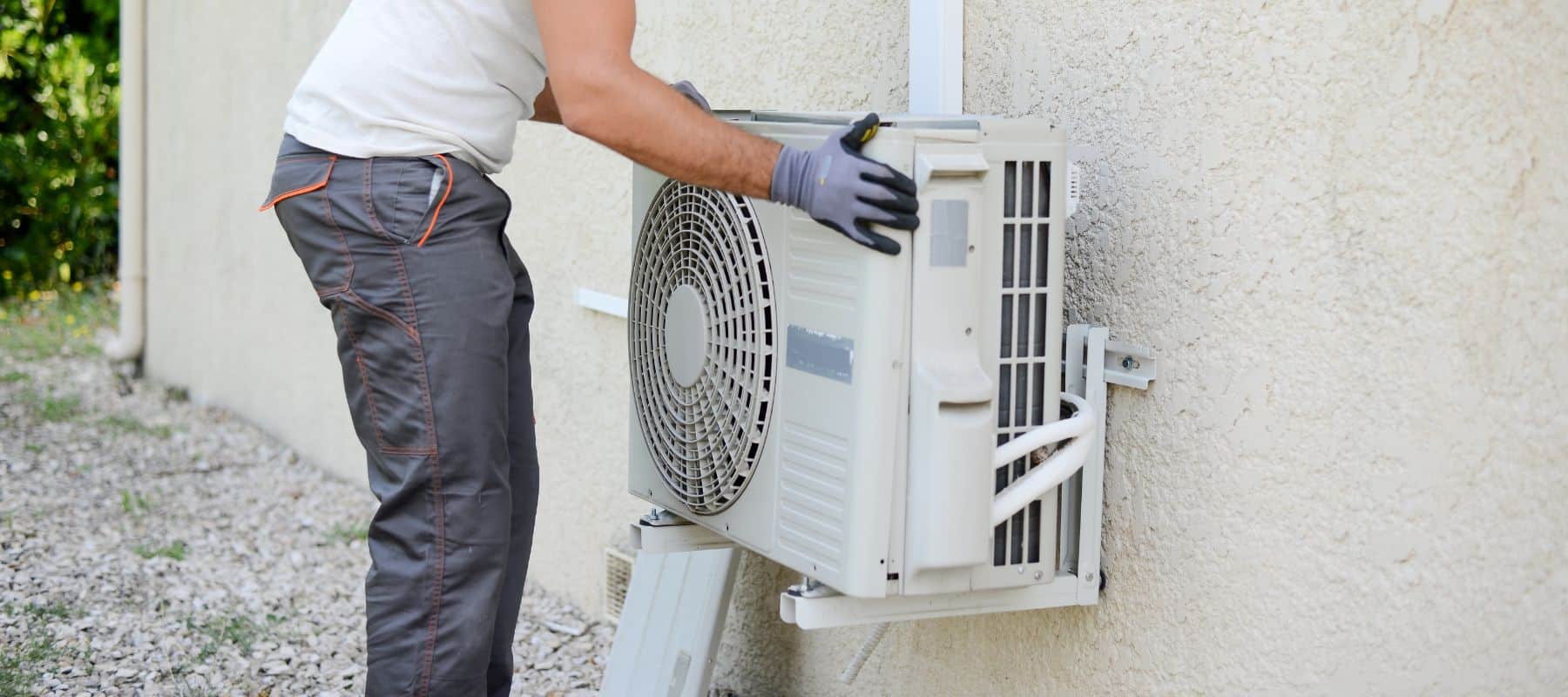
Outdoor HVAC units play a crucial role in your home’s heating and cooling system. These units handle the heat exchange process, releasing heat from inside your home to the outside air. Knowing where to place and how to maintain these units can improve their efficiency and lifespan, saving you money and hassle.
Placement Near The House
Position your outdoor HVAC unit close to your home’s exterior wall, but not too close. Keeping it near the house helps reduce the length of refrigerant lines, which boosts efficiency.
A good rule is to place the unit on a flat, stable surface like a concrete pad. Avoid placing it near areas where leaves or debris accumulate, as this can clog the system and reduce performance.
Clearance And Accessibility
Ensure there is enough clearance around the unit—at least 2 to 3 feet on all sides. This space allows for proper airflow and makes maintenance easier.
Think about how you will access the unit for regular cleaning and repairs. If you’ve ever struggled to service a cramped space, you know how much easier it is to have clear access from the start.
Also, avoid placing the unit under low-hanging branches or near shrubs that might block airflow or drop leaves on the equipment.
Indoor Hvac Components
Indoor HVAC components control air quality and temperature inside a building. These parts work together to heat, cool, and circulate air efficiently. Knowing the location and role of each component helps in understanding how your system operates.
Air Handler
The air handler moves air through the ducts and into rooms. It contains a blower fan and filters to clean the air. Often found in basements or closets, it connects to the outdoor unit. The air handler helps maintain steady airflow and temperature.
Furnace
The furnace heats the air during cold months. It uses gas, electricity, or oil to create heat. This heated air then flows into the duct system. Usually located in basements or utility rooms, the furnace is vital for warmth.
Ductwork
Ductwork is a network of tubes that carry air throughout the house. It delivers warm or cool air from the HVAC unit to every room. Ducts are often hidden in walls, floors, or ceilings. Proper ductwork ensures even temperature and good air circulation.
Credit: www.topahill.com
Signs Of Hidden Hvac Spots
Hidden HVAC spots can make it hard to find the system’s exact location. These spots are often tucked away to save space or improve home design. Knowing the signs helps you detect where your HVAC might be hidden. This knowledge helps with maintenance and improves your home’s comfort.
Unusual Airflow Patterns
Air moving oddly in some rooms can hint at hidden HVAC areas. Some vents may blow stronger or weaker air than others. Cold or warm air might come from unexpected places. These strange airflow patterns suggest the HVAC system parts are concealed nearby. Noticing these signs helps locate hidden ducts or vents.
Access Panels And Vents
Small access panels on walls or ceilings often hide HVAC components. These panels blend with the surface but can be opened for system checks. Vents in unusual spots, like closets or behind furniture, also signal hidden HVAC sections. Checking for these panels and vents gives clues about the system’s location. They are key points for maintenance and repairs.
Tips For Locating Your Hvac System
HVAC systems are often found in basements, attics, or utility closets. Checking near outdoor units can help locate key components quickly. Knowing common spots saves time and effort during maintenance or repairs.
Finding your HVAC system can sometimes feel like a treasure hunt. But locating it is essential for maintenance and troubleshooting. Whether you’re a new homeowner or just curious about your home’s mechanics, these tips will help you find your HVAC system with ease.Check Utility Areas
Start by checking the most common areas where HVAC systems are installed. Basements, attics, and utility closets are prime spots. These areas often house other essential systems like water heaters and electrical panels, making them a logical place for your HVAC system.Follow The Ducts
If you’re still having trouble, try tracing the ducts. These large, usually metallic, pathways lead directly to your HVAC unit. They can snake through walls, ceilings, and floors, so keep an eye out in less obvious places like above drop ceilings or behind access panels.Consult Building Plans
If all else fails, refer to your building’s plans or blueprints. These documents provide a detailed layout of your home, highlighting the location of major systems, including HVAC. If you don’t have a copy, your local zoning office or builder might be able to help. Locating your HVAC system doesn’t have to be daunting. With these strategies, you’ll be able to pinpoint its location quickly. Have you ever discovered your HVAC system in a surprising spot? Share your experiences in the comments!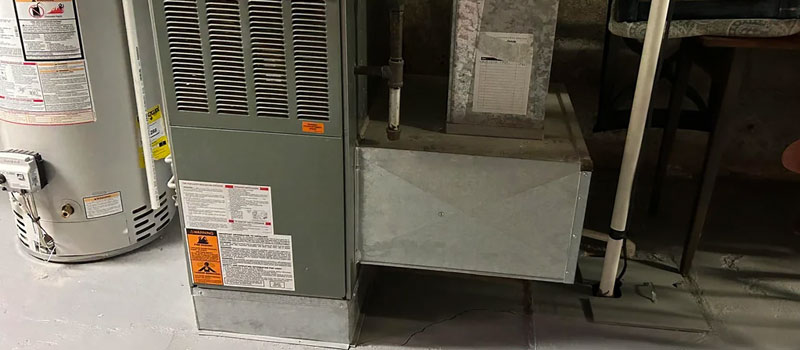
Credit: www.oliverheatcool.com
Frequently Asked Questions
Where Is The Hvac System Usually Located In A House?
HVAC systems are often located in basements, attics, or utility closets. Placement depends on home design and space availability. Proper location ensures efficient heating and cooling throughout the house.
How Can I Find My Hvac Unit Easily?
Check common spots like the basement, attic, or outside near the house. Look for large metal boxes or ducts. Your home’s blueprint or previous inspection reports can help locate it quickly.
Why Is The Hvac Location Important For Efficiency?
Proper HVAC placement reduces energy loss and improves airflow. It allows the system to work efficiently, lowering utility bills. Poor placement can cause uneven heating or cooling in your home.
Can Hvac Be Located Outside The Home?
Yes, the condenser unit of an HVAC system is often outside. It works with the indoor unit to regulate temperature. Outdoor placement requires protection from weather and debris.
Conclusion
Finding the HVAC location helps keep your home comfortable. Most units sit outside or in basements and attics. Knowing where it is makes maintenance easier and faster. It saves time when repairs are needed. Always check the owner’s manual for exact spots.
Proper care extends the life of your system. Keeping the area clear improves airflow and efficiency. Now, you can spot your HVAC with confidence. Simple steps lead to better home comfort.



