
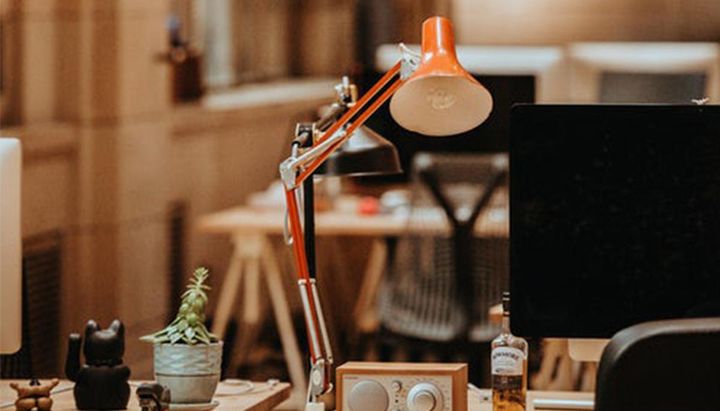
Are you struggling to find the perfect spot for your desk lamp? Where you place your lamp can make a huge difference in how well you see your work and how comfortable you feel.
The right lighting can reduce eye strain, boost your focus, and even lift your mood. You’ll discover simple tips to position your lamp for the best light, no matter what kind of desk or work you have. Keep reading to transform your workspace into a bright, inviting place where you can do your best work.

Credit: www.amazon.co.uk
Choosing The Right Desk Lamp
Choosing the right desk lamp is key for a bright and comfortable workspace. A good lamp helps reduce eye strain and improves focus. It fits your desk style and meets your lighting needs. Think about the lamp’s design, light quality, and how it adjusts to your tasks. The right lamp makes your desk inviting and practical.
Types Of Desk Lamps
Desk lamps come in many styles. Traditional lamps provide steady light. LED lamps save energy and last longer. Clip-on lamps attach to desk edges, saving space. Swing arm lamps offer flexible positioning. Choose a type that fits your desk size and work habits.
Brightness And Color Temperature
Brightness matters for clear vision. Measured in lumens, higher means brighter light. For detailed work, use 450 to 800 lumens. Color temperature affects mood and focus. Warm light (2700K) feels cozy and soft. Cool light (5000K) feels bright and sharp. Pick a lamp that matches your work style.
Adjustable Features
Adjustable lamps give control over light direction and intensity. Look for lamps with flexible arms or heads. Dimmable lights let you set brightness levels. Some lamps offer color temperature changes. Adjustable features help reduce glare and shadows. They make your desk lighting more comfortable and effective.
Best Lamp Placement For Different Desk Setups
Choosing the best lamp placement depends on your desk setup. Proper lighting reduces eye strain and improves focus. Different users have different needs based on their dominant hand and workspace sharing. Adjusting lamp position can make a big difference in comfort and productivity.
Placement For Right-handed Users
Place the lamp on the left side of the desk. This setup prevents shadows from your hand while writing or using a mouse. Keep the light source close enough to illuminate your work area. Use adjustable lamps to direct light exactly where needed.
Placement For Left-handed Users
Position the lamp on the right side of the desk. This avoids casting shadows from your dominant hand. Ensure the lamp height is suitable to spread light evenly across the workspace. Adjustable arms help customize lighting angles for comfort.
Positioning For Shared Workspaces
Place the lamp in the center or use multiple lamps. This setup provides balanced lighting for both users. Choose lamps with adjustable brightness to suit different tasks. Consider compact lamps to save space and avoid clutter.
Balancing Ambient And Task Lighting
Place the lamp where it lights your work without creating shadows. Combine soft room light with focused desk light for clear vision. Position the lamp opposite your writing hand to avoid glare and improve comfort.
Balancing ambient and task lighting is key to a productive workspace. The right lighting setup can boost focus and reduce eye strain. It creates an inviting atmosphere too. Understanding how to combine different lighting types is essential.Combining Desk Lamps With Overhead Lights
Use desk lamps and overhead lights together for balanced lighting. Desk lamps provide focused light for detailed tasks. Overhead lights illuminate the entire room. Together, they enhance visibility and reduce shadows. Choose a desk lamp with adjustable brightness. This allows you to control the light intensity based on your needs. Position the desk lamp on the opposite side of your dominant hand. This prevents casting shadows on your work.Avoiding Shadows And Glare
Place the lamp to minimize shadows and glare. Shadows can cause eye strain and make tasks difficult. Ensure the light falls directly on your work area. Use a lamp with a flexible neck or adjustable arm. This helps direct light precisely where needed. Avoid positioning the lamp at eye level. It should be slightly above or below your line of sight. This reduces glare and creates a comfortable lighting setup.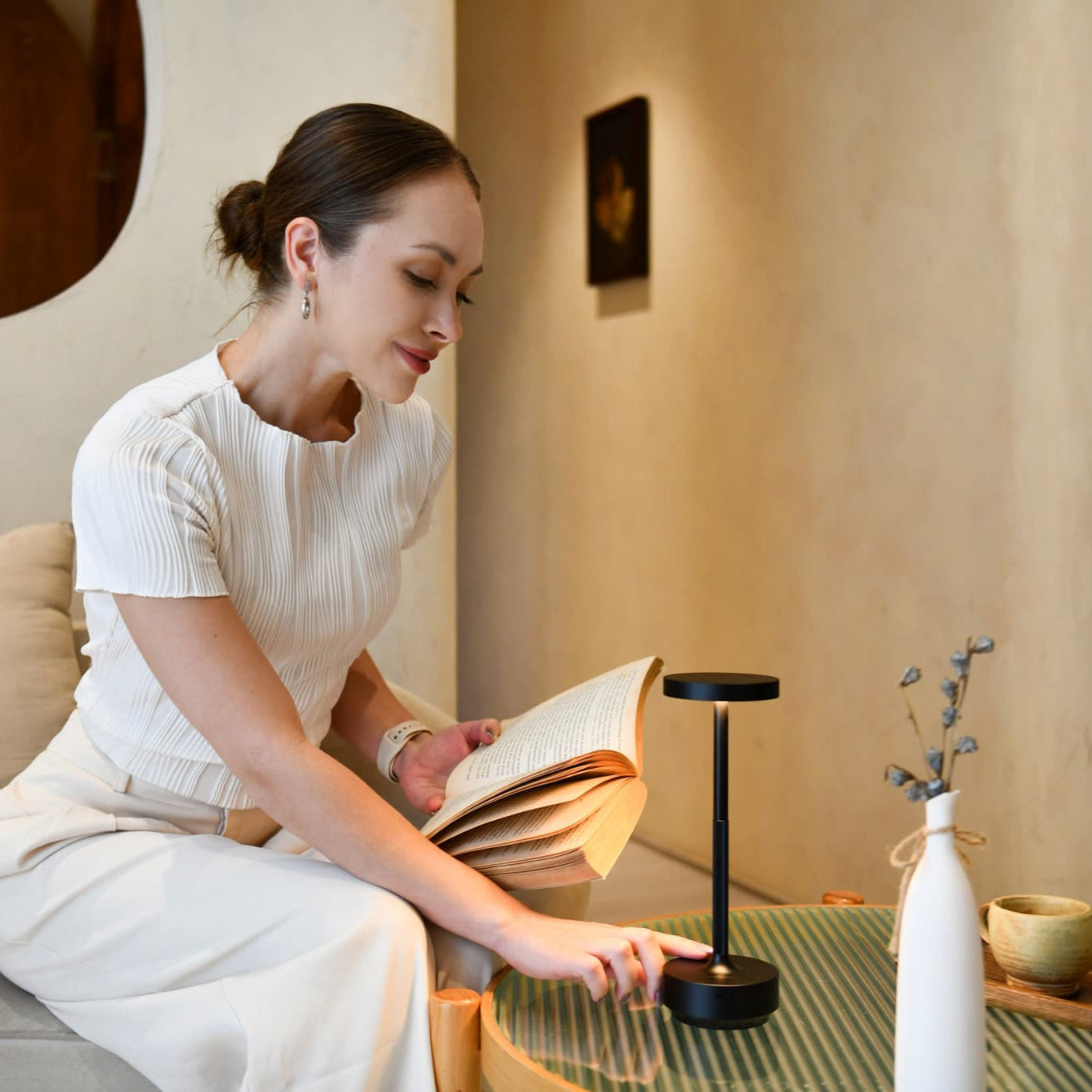
Credit: sakringt.com
Ergonomic Considerations
Ergonomic considerations are key for placing a lamp on a desk. Proper lighting supports comfort and health during work or study. A well-positioned lamp helps avoid strain and keeps the body in a natural position. This section focuses on reducing eye strain and maintaining proper posture with correct lamp placement.
Reducing Eye Strain
Place the lamp to shine directly on your work area. Avoid glare on screens or shiny surfaces. Use a lamp with adjustable brightness to control light levels. Position the light source so it does not cast shadows on your paper or keyboard. Soft, even light reduces tiredness and helps you see clearly.
Maintaining Proper Posture
Keep the lamp within easy reach to avoid awkward stretching. Position the lamp so you don’t need to lean or twist your body. Light from the side opposite your writing hand prevents shadows. Adjust lamp height to keep your neck and back straight. Good lighting supports a healthy, comfortable sitting posture.
Decorative And Functional Placement Tips
Placing a lamp on your desk is not just about lighting. It also shapes the look and feel of your workspace. The right spot can highlight your desk’s style and keep your area tidy. Think about how the lamp blends with your desk’s design and how easy it is to use. This balance brings both charm and function to your desk.
Enhancing Desk Aesthetics
Choose a lamp that fits your desk’s color and style. Place it where it can catch the eye without blocking work areas. A lamp with a unique shape or color can serve as a decor piece. Positioning it near a plant or a photo frame adds harmony. Soft, warm light creates a cozy and inviting workspace. Avoid harsh lights that cause glare or distraction.
Maximizing Desk Space
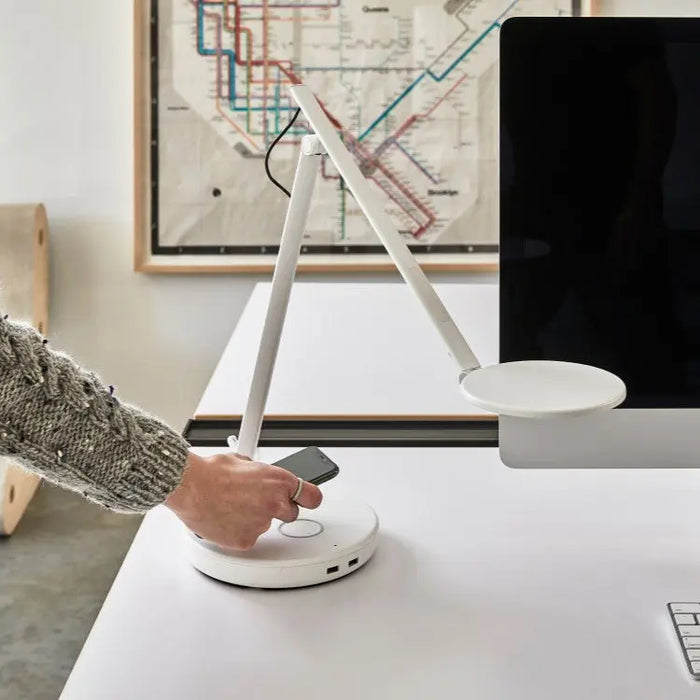
Keep your main work zone clear by placing the lamp to the side. Use adjustable lamps to direct light exactly where needed. A lamp with a small base saves room for books or gadgets. Consider clip-on lamps for tight spaces—they attach to the desk edge. Cord management helps avoid clutter and keeps the desk neat. Make sure the lamp doesn’t block computer screens or papers.
Credit: relaxtheback.com
Frequently Asked Questions
Where Is The Best Spot To Place A Desk Lamp?
Place the lamp on your non-dominant side to avoid shadows. Keep it close to your work area for optimal lighting and comfort.
How Far Should A Desk Lamp Be From The Workspace?
Position the lamp 12 to 18 inches from your workspace. This distance provides sufficient light without causing glare or eye strain.
Should Desk Lamps Be Placed On The Left Or Right Side?
Place the lamp on your opposite hand side. This setup minimizes shadows and helps maintain consistent lighting while you work.
Can Lamp Placement Affect Productivity At A Desk?
Yes, proper lamp placement reduces eye strain and improves focus. Good lighting boosts productivity and creates a comfortable workspace.
Conclusion
Choosing the right spot for your desk lamp makes a big difference. Place it where it lights your work without causing glare. Keep it close but not in your direct line of sight. A good lamp position reduces eye strain and helps you focus.
Small changes can improve your workspace comfort a lot. Try different spots until you find what feels best. Good lighting helps you work better every day.



