
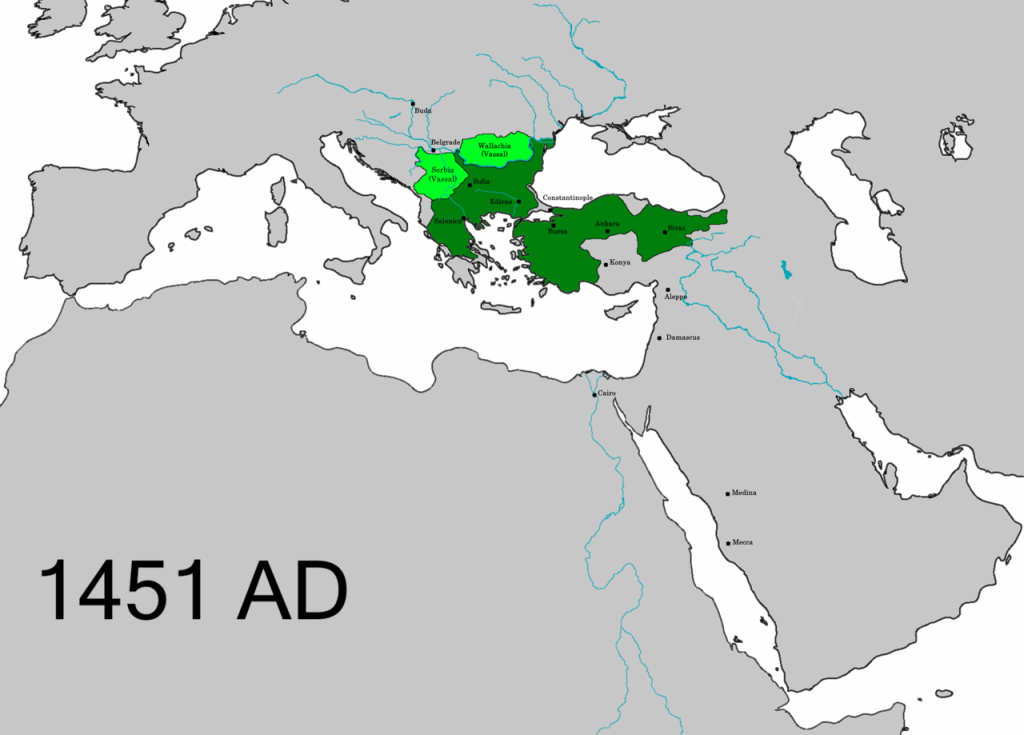
Have you ever wondered where the Ottoman Empire was located and why it mattered so much in history? Understanding its location helps you see how it shaped cultures, trade, and power for centuries.
This empire wasn’t just in one place—it stretched across key lands that connected continents. By discovering where the Ottoman Empire stood, you’ll unlock stories of great cities, important battles, and the rise of a world power that influenced your world more than you might think.
Keep reading to find out exactly where this remarkable empire was and why its location made all the difference.
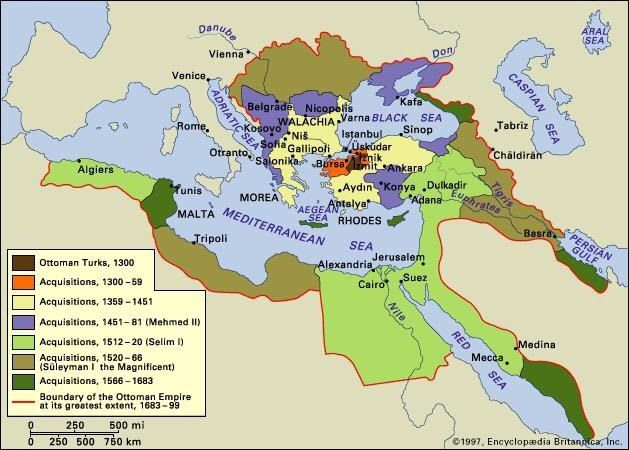
Credit: owlcation.com
Origins Of The Ottoman Empire
The origins of the Ottoman Empire reveal a story of resilience, strategic thinking, and bold ambition. Understanding where and how this empire began helps you appreciate its lasting impact on history. The empire’s roots stretch back to a time of small Turkish principalities, growing into a powerful force that shaped continents.
Early Settlements And Expansion
The Ottoman Empire started as a small principality in the late 13th century, founded by Osman I. His leadership united various Turkic tribes in the region now known as northwestern Anatolia. This area was a borderland between the Byzantine Empire and the rising Turkish states.
Osman’s followers used guerrilla tactics and alliances to expand their territory. They captured key fortresses and towns, which helped them build a strong base. Over time, this small settlement grew into a political and military power.
Have you ever wondered how small groups manage to grow into empires? The Ottomans show that a clear vision and strong leadership can turn humble beginnings into something much bigger.
Strategic Geographical Position
The Ottomans settled in a location that gave them unique advantages. Their lands bridged Europe and Asia, sitting at the crossroads of important trade routes. Controlling this area meant access to economic resources and influence over both continents.
This strategic position also made their territory a melting pot of cultures and ideas. It allowed the Ottomans to interact with diverse peoples, which helped them adapt and innovate. Their geography wasn’t just a backdrop—it was a key element in their rise.
Think about your own location—how could where you are give you a unique edge in your goals? The Ottomans remind you to consider your surroundings carefully when planning your next move.
Core Regions Of The Empire
The Ottoman Empire stretched across a vast area that connected continents and cultures. Its power was rooted in several key regions, which shaped its history and influence. These core areas formed the backbone of the empire’s strength and identity.
Anatolia As The Heartland
Anatolia, modern-day Turkey, was the empire’s main territory. It served as the political and cultural center. The capital city, Istanbul, stood here after 1453, linking Europe and Asia. Anatolia’s fertile lands supported agriculture and trade, fueling the empire’s economy. This region was home to diverse peoples and rich traditions.
Balkans And Southeastern Europe
The Balkans formed a vital part of the empire’s European domain. Countries like Greece, Bulgaria, and Serbia fell under Ottoman rule for centuries. This area was important for military control and trade routes. The empire’s presence here created a mix of cultures and religions. Cities such as Sarajevo and Belgrade flourished under Ottoman influence.
Middle Eastern Territories
The Ottoman Empire held large parts of the Middle East, including modern-day Syria, Iraq, and Palestine. These lands were crucial for their religious significance and trade connections. Control over these territories allowed the empire to dominate key pilgrimage routes. The region also linked the empire to the rich markets of the Arab world.
Capital Cities Through The Ages
The Ottoman Empire, one of history’s most formidable empires, was marked by its grand capital cities, each playing a unique role in its development. From Bursa to Edirne and finally Istanbul, these cities were not just administrative hubs but also vibrant centers of culture and power. Understanding the significance of each city provides insights into the empire’s strategic and cultural evolution.
Bursa’s Role In The Empire
Bursa was the first official capital of the Ottoman Empire, setting the stage for its rise. The city served as a critical foundation due to its strategic location on the Silk Road, facilitating trade and cultural exchange. When you stroll through Bursa today, you can still see the grandeur of its mosques and bazaars, remnants of a time when it was the heart of a burgeoning empire.
Edirne’s Strategic Importance
After Bursa, Edirne became the capital, chosen for its strategic position near Europe. It acted as a vital military base, allowing the Ottomans to easily launch campaigns into Europe. Walking through Edirne, you might wonder how its architectural splendor and fortifications bolstered the empire’s ambitions.
Istanbul: The Imperial Center
Istanbul, formerly Constantinople, was the crown jewel of the Ottoman Empire. It became the capital in 1453, symbolizing a new era of dominance. As you explore Istanbul’s bustling streets, imagine the historical significance of landmarks like the Hagia Sophia and Topkapi Palace, where sultans once made pivotal decisions that shaped the world.
Geographical Impact On Culture And Trade
The Ottoman Empire sat at the crossroads of Europe, Asia, and Africa. This unique location shaped its culture and trade. It connected many important regions, allowing ideas and goods to flow freely. The empire’s geography made it a powerful trade hub and a melting pot of cultures.
Control Of Key Trade Routes
The empire controlled vital land and sea routes. These included parts of the Silk Road and the Mediterranean Sea. Traders passed through Ottoman lands to reach Europe, Asia, and Africa. The empire taxed goods, boosting its wealth. Ports like Istanbul became busy centers for merchants. This control helped the Ottomans influence global trade.
Cultural Diversity Across Regions
The Ottoman Empire covered many lands with different peoples. Turks, Arabs, Greeks, Armenians, and others lived within its borders. Each group kept its language, religion, and customs. This created a rich cultural mix. Art, music, and cuisine blended influences from many areas. Religious tolerance helped maintain peace among diverse groups.
Legacy Of The Ottoman Heartland Today
The Ottoman Empire shaped a vast region for over six centuries. Its heartland remains rich with history and culture today. The legacy influences modern society, architecture, and politics in many countries. Understanding this legacy helps us see how past empires impact present nations.
Modern Countries In Former Ottoman Lands
The Ottoman Empire covered parts of Europe, Asia, and Africa. Many current countries were once under Ottoman rule. These include:
- Turkey
- Greece
- Bulgaria
- Serbia
- Egypt
- Lebanon
- Jordan
- Iraq
- Saudi Arabia
These countries still show cultural and historical ties to the Ottoman period. Some traditions and legal systems trace back to Ottoman influence.
Preservation Of Historical Sites
Many Ottoman buildings stand strong today. Palaces, mosques, bridges, and bazaars attract visitors worldwide. Efforts protect and restore these sites to keep history alive.
Famous places include:
- Topkapi Palace in Istanbul
- Blue Mosque in Turkey
- Old bazaars in Cairo and Damascus
- Historic bridges in the Balkans
These sites show Ottoman art and architecture. They also teach new generations about the empire’s impact and heritage.
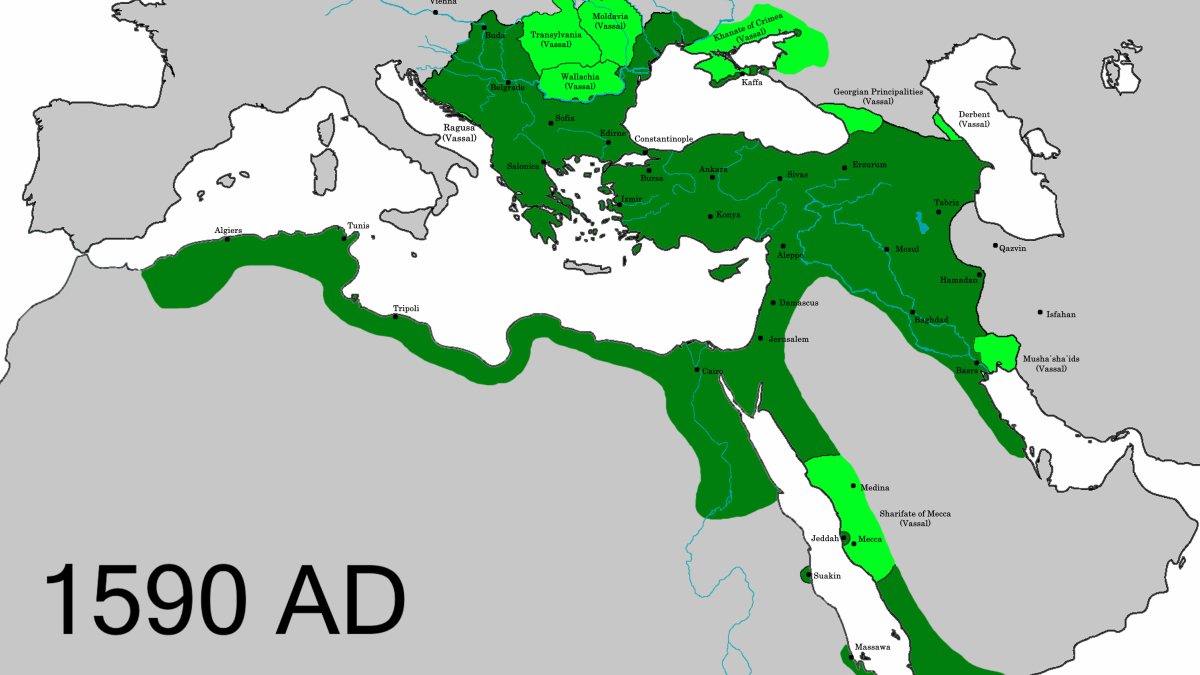
Credit: owlcation.com
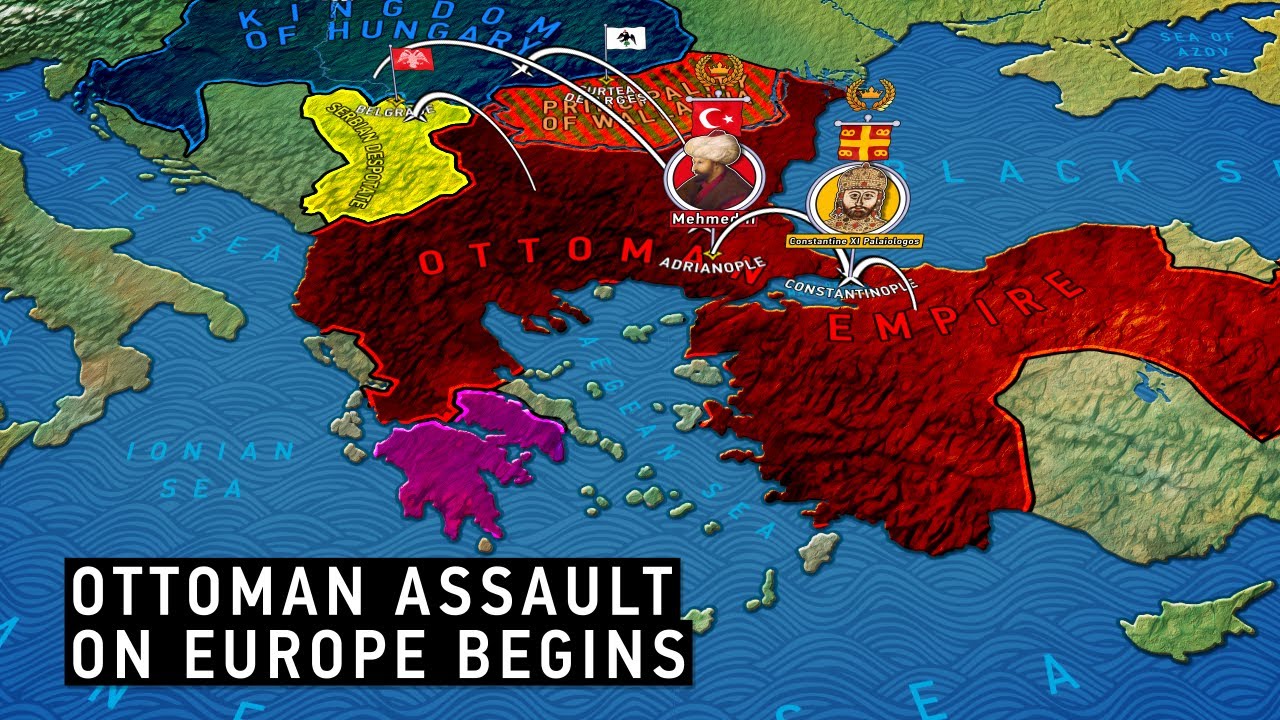
Credit: www.youtube.com
Frequently Asked Questions
Where Was The Ottoman Empire Originally Established?
The Ottoman Empire was originally established in northwestern Anatolia, near the town of Söğüt, in modern-day Turkey. It began as a small principality around 1299 and expanded rapidly across three continents over centuries.
Which Modern Countries Did The Ottoman Empire Cover?
The Ottoman Empire covered parts of modern Turkey, Greece, Bulgaria, Egypt, Syria, Iraq, and more. Its territory spanned Southeast Europe, Western Asia, and North Africa at its peak.
How Did The Ottoman Empire’s Location Impact Trade?
Located between Europe and Asia, the Ottoman Empire controlled key trade routes. It facilitated the exchange of goods, culture, and ideas between continents, making it a vital economic and cultural hub.
Why Was Istanbul Important To The Ottoman Empire?
Istanbul, formerly Constantinople, was the empire’s capital. Its strategic location on the Bosporus Strait connected Europe and Asia, making it a political, economic, and cultural center of the empire.
Conclusion
The Ottoman Empire stretched across three continents. It covered parts of Europe, Asia, and Africa. This vast location helped shape many cultures and histories. Cities like Istanbul became important centers of trade and power. Knowing where the empire was located helps us understand its influence today.
Its legacy remains visible in many countries. The empire’s location made it a bridge between East and West. This unique position helped it grow strong for centuries. Exploring this area reveals a rich and complex past.



