
Have you ever wondered which Muslim empire stretched across the most land and influence in history? Understanding this empire isn’t just about dates and places—it’s about discovering how power, culture, and faith shaped a vast part of the world.
You’ll uncover the story behind the largest Muslim empire of its time and learn why it still matters today. Ready to find out which empire left the biggest mark on history? Keep reading, and you’ll be surprised by what you discover.
Credit: owlcation.com
Rise Of Early Muslim Empires
The rise of early Muslim empires marked a transformative era in history. These empires emerged swiftly, expanding their reach across continents. Their influence spread through trade, culture, and military conquests. This period laid the foundation for a rich tapestry of Islamic civilization.
Formation Of The Rashidun Caliphate
The Rashidun Caliphate began after Prophet Muhammad’s death. It was the first Islamic state, led by four caliphs. They were Abu Bakr, Umar, Uthman, and Ali. Their leadership was pivotal in uniting the Arabian Peninsula. They expanded into parts of the Byzantine and Sassanian empires. Their governance emphasized justice, fairness, and Islamic principles.
Expansion Under The Umayyad Dynasty
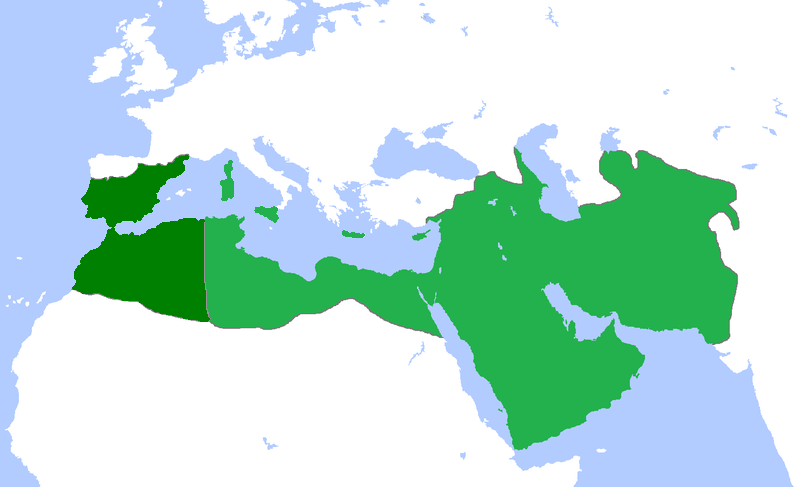
The Umayyad Dynasty followed the Rashidun Caliphate. They transformed the caliphate into a vast empire. Their capital was Damascus, becoming a major center. The Umayyads extended their rule to Spain, North Africa, and Central Asia. This expansion made the Umayyad Empire the largest of its time. They fostered trade, cultural exchange, and architectural achievements. The Great Mosque of Damascus is a testament to their legacy.
The Abbasid Era And Its Influence
The Abbasid Era stands as a pivotal chapter in Islamic history. It marked the rise of one of the largest empires of its time. The Abbasids shifted the capital to Baghdad, creating a hub for culture, science, and trade. Their rule influenced not only the Muslim world but also shaped global history.
The Abbasid Caliphate fostered an environment where knowledge thrived. Scholars, artists, and thinkers from diverse backgrounds gathered. This era left a lasting impact on art, literature, and science. The Abbasids’ reign was more than just territorial expansion; it was a cultural renaissance.
Golden Age Of Islamic Culture
The Abbasid period is often called the Golden Age of Islam. Baghdad became a center for learning and innovation. Libraries and universities flourished, preserving ancient knowledge and creating new ideas.
- Mathematics advanced with scholars like Al-Khwarizmi.
- Medicine improved through works of doctors like Al-Razi.
- Philosophy and literature reached new heights.
This age produced great poets, architects, and scientists. Their works influenced both the East and the West for centuries.
Territorial Reach And Challenges
The Abbasid Caliphate controlled a vast territory stretching from North Africa to Central Asia. This made it one of the largest empires of its time. Trade routes across the empire boosted wealth and cultural exchange.
Despite its size, the empire faced challenges. Internal conflicts and distant provinces sought independence. The rise of regional powers weakened central control over time.
Still, the Abbasids maintained influence through their cultural and religious leadership. Their legacy shaped the Muslim world long after their political power declined.
The Ottoman Empire’s Growth
The Ottoman Empire’s growth marked one of the most impressive expansions in history. It started as a small principality and grew into a vast empire. This growth shaped the political, cultural, and social landscape of the Middle East, Europe, and North Africa.
Foundation And Early Expansion
The Ottoman Empire began in the late 13th century under Osman I. He united several Turkish tribes in Anatolia. The early Ottomans used strong military tactics and strategic alliances.
They expanded by conquering neighboring Byzantine lands. The capture of Bursa in 1326 made it their first major capital. This victory gave the Ottomans control over important trade routes.
During the 14th and 15th centuries, the Ottomans grew steadily. They took parts of the Balkans and Anatolia. Their use of gunpowder weapons helped in many battles. This early growth set the stage for later successes.
Peak Territorial Extent
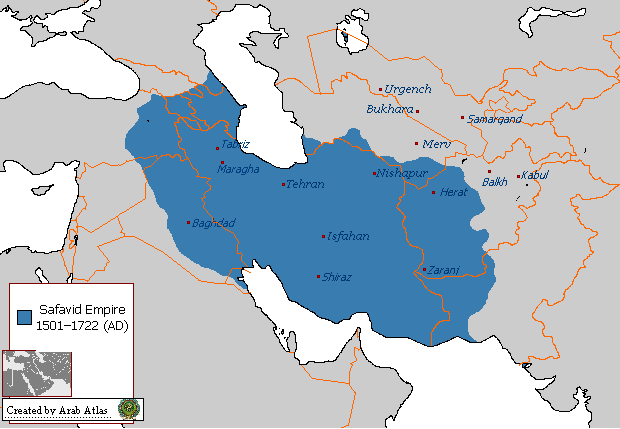
The Ottoman Empire reached its largest size in the 16th and 17th centuries. Under Suleiman the Magnificent, it controlled three continents. The empire included much of Southeast Europe, Western Asia, and North Africa.
- Europe: Hungary, the Balkans, and parts of Ukraine
- Asia: Anatolia, the Arabian Peninsula, and Mesopotamia
- Africa: Egypt, Libya, and Algeria
The empire’s vast size made it a key player in global trade and politics. Its strong navy controlled the Mediterranean Sea. The Ottoman legal and administrative systems helped manage diverse peoples and lands.

Credit: en.wikipedia.org
Mughal Empire’s Vast Domain
The Mughal Empire stood as one of the largest Muslim empires in history. It covered most of the Indian subcontinent, stretching from the Himalayas to the Deccan Plateau. The empire’s vast domain influenced culture, politics, and society for centuries. Its rulers built a powerful and lasting legacy through conquest and governance.
Establishment And Consolidation
The Mughal Empire began in 1526 with Babur’s victory at the Battle of Panipat. Babur was a descendant of Timur and Genghis Khan. He used strong military tactics to defeat the Delhi Sultanate. His successors expanded the empire’s borders through wars and alliances.
Akbar, one of the greatest emperors, strengthened the empire’s foundation. He created a central government and promoted religious tolerance. Akbar’s policies helped unite diverse peoples under Mughal rule. The empire reached its peak under Shah Jahan and Aurangzeb, covering most of modern India, Pakistan, and Bangladesh.
Cultural And Political Impact
The Mughal Empire shaped South Asia’s culture deeply. They built magnificent monuments like the Taj Mahal and Red Fort. Mughal art, architecture, and literature blended Persian, Indian, and Islamic styles.
Politically, the empire introduced a strong administrative system. It included efficient tax collection and local governance. The Mughal rulers promoted trade and agriculture, boosting the economy. Their legacy influenced later Indian kingdoms and even British colonial rule.
Comparing The Largest Muslim Empires
Comparing the largest Muslim empires reveals fascinating differences in how they expanded and ruled. Each empire left a unique mark on history through its size, military power, and governance. Understanding these aspects helps you see which empire truly stood out as the largest and most influential.
Territorial Size And Influence
The Umayyad Caliphate stretched across three continents, covering parts of Europe, Asia, and Africa. At its peak, it controlled around 11 million square kilometers, making it one of the largest empires in history.
The Ottoman Empire, while smaller in land area at its height, maintained control over key trade routes and cultural centers for over 600 years. Its influence extended deep into Southeast Europe, Western Asia, and North Africa.
The Mughal Empire ruled most of the Indian subcontinent, influencing a population far greater than its territorial size might suggest. Its rich cultural legacy still impacts the region today.
Which matters more to you: sheer size or lasting influence?
Military Strength And Governance
The Umayyads built a powerful army that helped them conquer vast territories rapidly, but their governance sometimes struggled to maintain control over diverse populations.
The Ottomans combined a strong, disciplined military with a flexible administrative system. Their use of the Janissaries and a sophisticated legal code allowed them to govern a vast and varied empire effectively.
The Mughals focused on integrating local elites into their administration, which helped maintain stability and foster economic growth. Their military innovations included advanced artillery and disciplined infantry units.
Think about your own leadership style—do you rely more on strict control or on adapting to the people you lead?
Legacy And Modern Perceptions
The legacy of the largest Muslim empire of its time is vast and complex. It shaped cultures, science, and politics across continents. Its influence still appears in many parts of the world today. Understanding this legacy helps us see how history connects to the present.
Cultural Contributions
The empire was a beacon of arts and learning. It encouraged the growth of architecture, literature, and music. Cities became centers of knowledge with libraries and schools.
- Scholars translated and preserved ancient texts.
- Innovations in mathematics and astronomy emerged.
- Calligraphy and decorative arts reached new heights.
These cultural achievements inspired other civilizations. They created a rich heritage that many still admire.
Enduring Impact On Today’s World
The empire’s ideas still influence modern society. Its legal and administrative systems shaped later governments. Many languages borrowed words from the empire’s culture.
- Modern science owes much to its early discoveries.
- Trade routes established then connect regions even now.
- Religious and philosophical thoughts continue to inspire people.
This lasting impact shows how history molds current cultures and ideas. The empire’s legacy remains a vital part of global heritage.
Credit: owlcation.com
Frequently Asked Questions
Which Muslim Empire Was The Largest In History?
The Umayyad Caliphate was the largest Muslim empire in history. At its peak, it spanned over 11 million square kilometers, covering parts of Asia, Africa, and Europe. This vast empire connected diverse cultures and boosted trade and knowledge exchange.
How Did The Umayyad Caliphate Expand So Rapidly?
The Umayyad Caliphate expanded quickly through military conquests and strategic alliances. They used advanced tactics and diplomacy to control key trade routes. Their effective administration helped maintain order and integrate conquered lands into the empire smoothly.
What Regions Did The Largest Muslim Empire Include?
The largest Muslim empire included the Middle East, North Africa, Spain, and parts of Central Asia. This vast territory linked important cultural and economic centers, making the empire a hub of Islamic civilization and global trade during its time.
Why Was The Umayyad Caliphate Significant In Islamic History?
The Umayyad Caliphate was significant for spreading Islam widely and establishing Arabic as a common language. They built key infrastructure and promoted arts and sciences, leaving a lasting legacy on Islamic culture and governance models.
Conclusion
The largest Muslim empire left a big mark on history. It grew through strong leadership and vast lands. This empire shaped culture, trade, and ideas across continents. Its legacy still influences the world today. Learning about it helps us understand the past better.
The story of this empire shows the power of unity and vision. History remembers it as a great chapter in human civilization.



