
Are you wondering which side of a rug pad should go down on your wood floor? It might seem simple, but placing your rug pad the right way can make a big difference.
The wrong side can cause slipping, damage your floor, or make your rug look uneven. You’ll discover the easy trick to get it right every time. Keep reading to protect your beautiful wood floors and keep your rugs in perfect shape.

Credit: enthrallinggumption.com
Choosing The Right Rug Pad
Choosing the right rug pad is essential to protect your wood floors and keep your rug in place. It’s not just about placing any pad under your rug; the material, size, and thickness all play a role in how well your floor and rug perform together. Understanding these factors can help you avoid scratches, slipping, and premature wear.
Material Types
Rug pads come in various materials, each offering different benefits for wood floors. Felt pads provide cushioning and sound absorption but may slide on hardwood unless paired with a non-slip layer. Rubber pads grip the floor well, preventing movement, but make sure you choose a non-staining, natural rubber to avoid discoloration.
Combining materials like felt and rubber gives you the best of both worlds—softness and grip. Have you noticed how some pads leave marks? That’s a sign to switch to a non-toxic, floor-friendly material.
Benefits For Wood Floors
A good rug pad acts as a barrier between your wood floor and the rug, preventing scratches caused by dirt and grit trapped underneath. It also helps distribute weight evenly, reducing indentations from furniture legs or heavy foot traffic.
Beyond protection, rug pads improve comfort underfoot and extend the life of your rug by absorbing impact. If your rug slides or bunches, it’s not just annoying—it can cause accidents or damage the floor finish.
Size And Thickness Considerations
Your rug pad should be slightly smaller than your rug, about half an inch less on each side. This prevents the edges of the pad from showing and reduces tripping hazards.
Thickness matters too. Too thin, and you lose cushioning; too thick, and the rug may feel unstable or create a raised edge. Generally, a thickness between 1/4 inch and 1/2 inch works well for wood floors.
Think about the traffic in the room and the rug’s material to decide the best thickness. Have you ever tripped over an uneven rug edge? Proper sizing can help you avoid that risk.
Credit: enthrallinggumption.com
Identifying The Rug Pad Sides
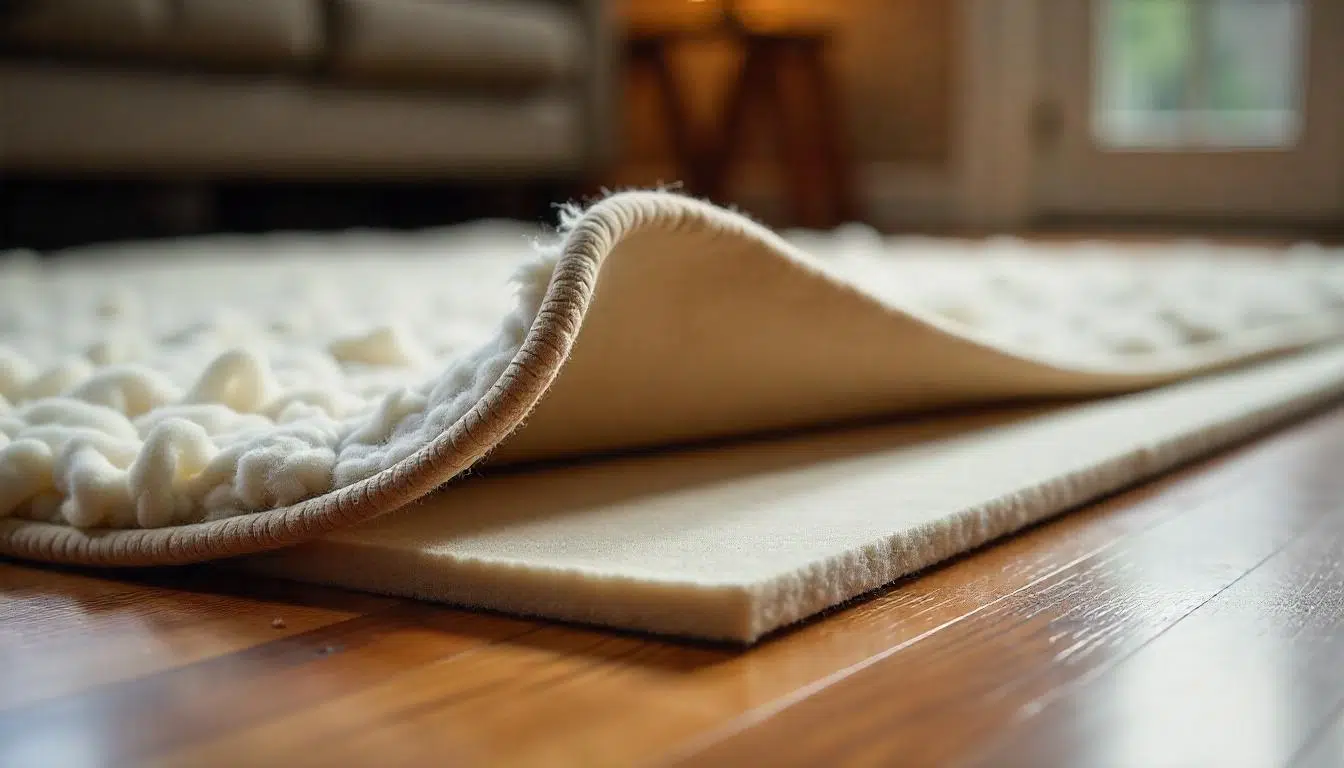
The side of the rug pad with a rough or grippy texture should face down onto the wood floor. This helps keep the rug in place and protects the floor from scratches. Smooth or softer sides face upward, touching the rug’s underside.
Identifying the sides of a rug pad can be a bit tricky, especially when you’re trying to protect your beautiful wood floors. It’s essential to know which side should face the floor and which should face the rug to maximize grip and prevent damage. Having faced this dilemma myself, I found that understanding the features and textures of each side made the decision much easier. Let’s dive into the specifics to clear up any confusion you might have.Top Side Features
The top side of a rug pad is designed to grip the underside of your rug. This side often features a rougher texture or a slightly tacky feel to secure the rug in place. You might notice a subtle pattern that helps the rug adhere firmly, minimizing slippage. This is crucial if your rug is in a high-traffic area or if you have playful pets running around. A secure rug means fewer accidents and a more polished look for your space.Bottom Side Features
The bottom side of a rug pad is crafted to safeguard your wood floors. It usually has a softer, smoother texture, often made of materials like natural rubber or felt. This side ensures that your floors remain scratch-free while also preventing the pad from sliding around. Pay attention to any labeling or manufacturer’s instructions, as these often indicate which side should face the floor. This ensures that your investment in a quality rug pad pays off in terms of both function and floor protection.Common Textures And Patterns
Rug pads come in a variety of textures and patterns, each serving a unique purpose. Some may have a waffle-like pattern that enhances airflow and cushioning. Others might be flat but with a dense composition that provides solid support and prevents wear and tear. When choosing a rug pad, consider the texture that best suits your needs. Do you need extra cushioning for comfort, or is a firmer grip more important for your space? Understanding these textures and patterns will help you make an informed decision that benefits both your rug and your floor. Which texture do you think would work best for your home?Placing Rug Pad On Wood Floors
Placing a rug pad on wood floors needs care and attention. The right placement protects the floor and keeps the rug stable. Choosing which side of the pad touches the floor matters a lot. This helps avoid damage and ensures the rug stays in place. Understanding how to place the rug pad correctly saves your floor and improves comfort.
Which Side Faces Down
Rug pads usually have two different sides. One side is smooth, and the other has grips or a textured surface. The side with grips or texture goes down on the wood floor. This side stops the pad and rug from sliding. The smooth side faces up, touching the rug’s back. This setup keeps the rug secure and protects the wood.
Avoiding Floor Damage
Placing the right side of the pad down protects the wood floor from scratches. The textured side creates a cushion between the floor and the rug. It prevents dirt and dust from getting trapped under the rug. This stops marks and stains on the wood. Avoid pads with rough or sticky bottoms that can harm the finish.
Ensuring Stability
The grip side of the pad holds the rug in place. This stops the rug from slipping or bunching up. A stable rug reduces tripping hazards. It also keeps furniture from moving the rug around. A well-placed rug pad helps the rug lay flat and smooth for safety and comfort.
Tips For Maintaining Rug Pads
Maintaining your rug pad is key to extending its life and keeping your wood floors safe. A well-cared-for pad not only protects your floor but also keeps your rug looking fresh and in place. Let’s dive into some practical tips that you can apply easily at home.
Cleaning Methods
Rug pads collect dust and dirt over time, which can damage both the pad and your floor. Vacuum your rug and pad regularly to remove surface debris. If your pad is washable, spot clean it with mild soap and water—avoid harsh chemicals that can break down the material.
After cleaning, let the pad dry completely before placing it back on the floor. Moisture trapped under the pad can cause mold or damage to the wood. Have you noticed any odors from your rug? That might be a sign it’s time to clean the pad more thoroughly.
When To Replace
Even the best-maintained rug pads need replacing eventually. Check for signs like thinning, crumbling edges, or loss of grip. If your rug starts slipping or you see imprints on the wood floor, it’s time to get a new pad.
Replacing your rug pad every few years can save you from costly floor repairs. Think about the last time you changed yours—does it still look and feel firm? If not, don’t wait for damage to appear.
Preventing Slippage
Slippage can be frustrating and dangerous, especially on smooth wood floors. Choose a rug pad with a non-slip surface designed for hardwood. You can also trim the pad to fit exactly under your rug—no overhang means less chance to catch and slide.
Another tip is to occasionally shift your rug and pad to prevent wear in one spot and maintain grip. Have you tried double-sided tape or rug grippers? These can be helpful but use them sparingly to avoid sticky residue on your floor.
Common Mistakes To Avoid
Using a rug pad under a rug on a wood floor improves comfort and protects the floor. Mistakes in placing the rug pad can cause damage or reduce its effectiveness. Avoiding these common errors keeps your floor safe and your rug in place.
Wrong Side Placement
Rug pads often have two different sides. One side grips the floor, and the other grips the rug. Placing the wrong side down can cause slipping or floor scratches. Always check the instructions or test the sides before placing the pad.
Using Incompatible Materials
Not all rug pads work well with wood floors. Some pads contain chemicals or materials that can discolor or damage wood. Avoid rubber or latex pads that may stick or leave marks. Choose pads labeled safe for hardwood floors instead.
Ignoring Floor Type
Wood floors vary in finish and hardness. Some need softer pads to avoid dents. Others may require firmer pads for grip. Using a generic rug pad without considering your floor type can cause damage or poor performance. Match the pad to your specific floor for best results.
Credit: enthrallinggumption.com
Frequently Asked Questions
Which Side Of Rug Pad Touches Wood Floor?
The rough or grippy side of the rug pad should face the wood floor. This prevents slipping and protects the floor from scratches.
How To Place Rug Pad On Hardwood Floors?
Place the nonslip side down against the hardwood floor. The soft side should face upward to cushion and grip the rug above.
Can Wrong Rug Pad Damage Wood Floors?
Yes, using the wrong side or type of rug pad can scratch or discolor wood floors. Always use a pad designed for hardwood.
Why Use A Rug Pad Under Wood Floors?
A rug pad protects wood floors from scratches, prevents slipping, and adds cushioning. It also extends the rug’s life by reducing wear.
Conclusion
Placing the right side of the rug pad on the wood floor protects both surfaces. The smooth side usually faces the floor to avoid scratches. The textured side grips the rug, keeping it in place. This simple step prevents slipping and extends the rug’s life.
Always check the pad’s instructions for best results. A properly placed rug pad makes your room safer and more comfortable. Simple care goes a long way in maintaining your floors and rugs.



