
Is your attic feeling stuffy, or have you noticed higher energy bills lately? Proper attic ventilation plays a big role in keeping your home comfortable and your energy costs down.
But who should you call when it’s time to fix or improve your attic’s airflow? Choosing the right expert can save you time, money, and headaches. You’ll discover exactly who to contact for attic ventilation, what to look for in a professional, and how the right choice can protect your home all year round.
Keep reading to make sure your attic—and your wallet—stay in great shape.
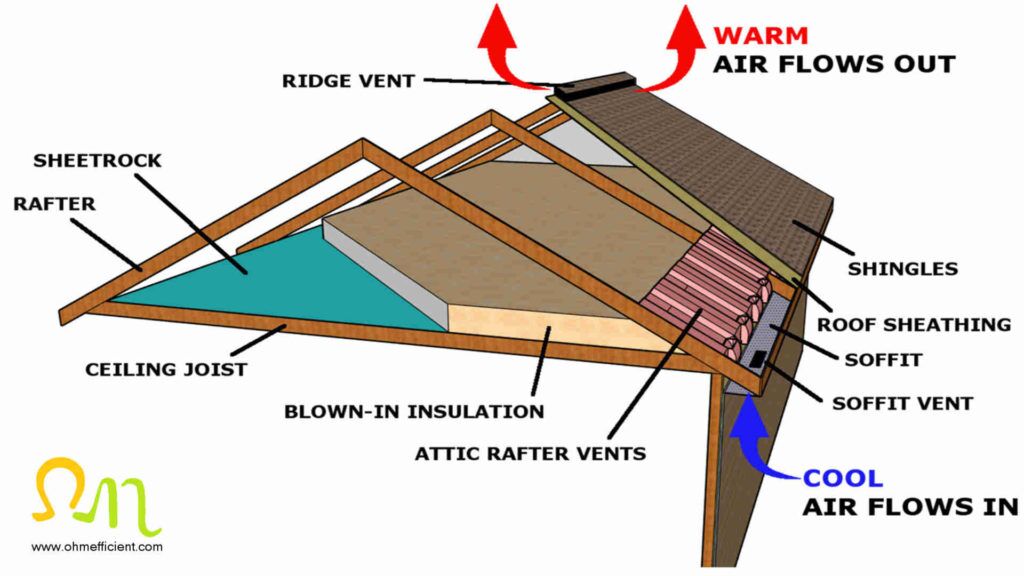
Credit: ohmefficient.com
Signs Of Poor Attic Ventilation
Poor attic ventilation causes many problems in a home. It affects comfort, energy use, and the house’s structure. Spotting signs early helps prevent costly repairs. Knowing what to watch for guides you to call the right expert for attic ventilation.
Common Warning Signs
- Warm or hot attic during summer months
- Musty or stale odors inside the home
- Visible mold or mildew on attic surfaces
- Ice dams forming on the roof in winter
- Dark stains on ceilings or walls
- Peeling paint or wallpaper in upper rooms
- Excessive dust or debris in the attic space
Impact On Energy Bills
Poor attic ventilation traps heat in the summer. This forces air conditioners to work harder. Heating costs rise in winter due to heat loss through the roof. Increased energy use shows in higher utility bills. Fixing ventilation reduces energy waste quickly.
Effects On Home Structure
Moisture buildup weakens wood framing and roof materials. Mold growth harms indoor air quality and health. Ice dams cause roof leaks and damage shingles. Insulation gets damp and loses effectiveness. Structural problems lead to expensive repairs if ignored.

Credit: isolarsolutions.com
Types Of Attic Ventilation Systems
Understanding the types of attic ventilation systems is key to improving your home’s air quality and energy efficiency. Different systems work in different ways, and choosing the right one can make a big difference. Let’s break down the main types so you can decide what fits your attic’s needs best.
Passive Ventilation Options
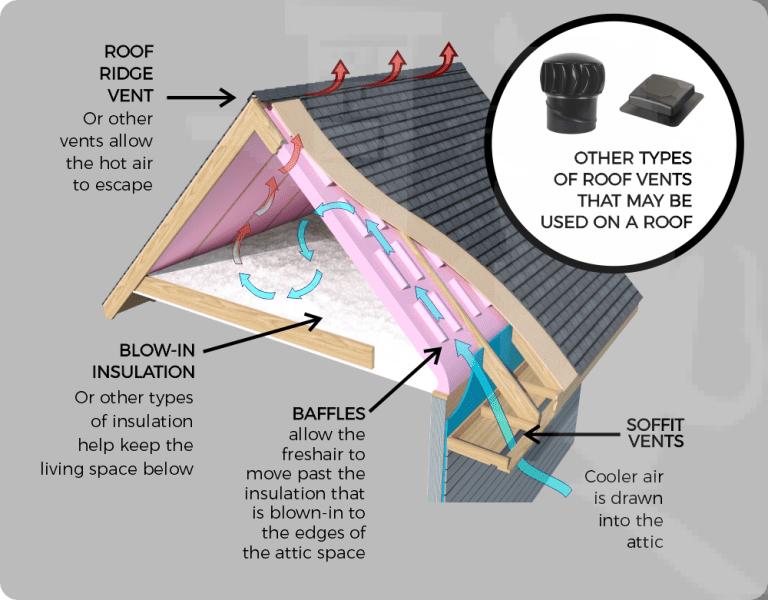
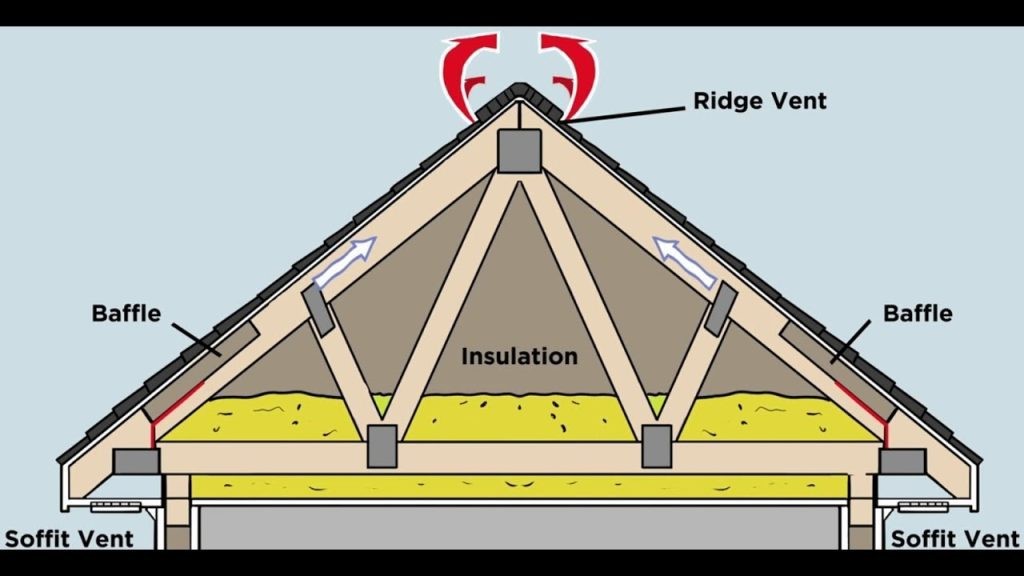
Passive ventilation relies on natural airflow to move hot air out and fresh air in. It doesn’t use electricity or fans, making it an energy-saving choice. Common types include ridge vents, soffit vents, and gable vents.
- Ridge Vents:Installed along the peak of your roof, they allow hot air to escape evenly.
- Soffit Vents:Located under the eaves, these bring fresh air into the attic.
- Gable Vents:Placed on the attic’s side walls, they help air circulate horizontally.
If you’ve ever noticed a cool breeze near your roof’s peak, that’s passive ventilation at work. It’s simple but effective, especially in mild climates.
Powered Ventilation Choices
Powered ventilation uses fans or motors to actively move air. This option is great if your attic tends to get extremely hot or if natural airflow isn’t enough.
- Electric Attic Fans:These fans pull hot air out, often controlled by thermostats.
- Solar-Powered Fans:They run on solar energy, reducing electricity costs.
- Whole-House Fans:These ventilate both the attic and the living space below, cooling the entire home.
Think about how often you feel your attic heats up beyond comfort. Powered systems can solve that quickly but come with higher installation and maintenance costs.
Choosing The Right System
What’s the best system for your attic? It depends on your climate, attic size, and budget. Passive systems work well in temperate zones, while powered options suit hotter areas or homes with limited natural airflow.
Take a moment to inspect your attic’s current ventilation. Are there signs of moisture or heat buildup? These clues help you decide if you need more airflow or mechanical assistance.
Consulting a professional can save you time and money. They’ll assess your attic’s condition and recommend a tailored solution. After all, the right ventilation system keeps your home comfortable and protects your roof’s lifespan.
Professionals For Attic Ventilation
Ensuring proper attic ventilation is crucial for a healthy home. Poor ventilation can lead to mold, high energy costs, and roof damage. Hiring the right professional can make all the difference. Here are some experts who can help with attic ventilation.
Hvac Specialists
HVAC specialists are experts in heating, ventilation, and air conditioning. They understand airflow and can recommend ventilation solutions. They assess the current system and suggest improvements. Their skills ensure that your attic has the necessary air circulation.
Roofing Contractors
Roofing contractors often handle attic ventilation tasks. They know how roofing affects ventilation. They can install vents during roof repairs or replacements. Their expertise helps prevent roof damage and maintains proper attic conditions.
General Home Inspectors
General home inspectors evaluate the overall condition of a house. They identify ventilation issues during inspections. Their reports can guide homeowners on necessary improvements. Hiring them ensures a thorough assessment of attic ventilation needs.
Qualities To Look For In A Contractor
Choosing the right contractor for attic ventilation is important for a lasting solution. The right professional ensures proper airflow and prevents future problems. Certain qualities set the best contractors apart and help you make a smart decision.
Licensing And Certifications
A valid license shows the contractor meets local rules and standards. Certifications prove they have specific training in attic ventilation. Always ask for proof to avoid unqualified workers. Licensed and certified contractors follow safety and quality guidelines.
Experience And Reputation
Years of experience mean the contractor has handled many ventilation projects. Experienced contractors know how to spot hidden issues quickly. Check online reviews and ask for references. A good reputation shows trustworthiness and reliable work.
Warranty And Service Guarantees
A strong warranty protects your investment against future problems. Service guarantees ensure the contractor will fix any issues after work is done. Clear warranty terms show confidence in their craftsmanship. Always choose contractors who stand behind their work.
Questions To Ask Before Hiring
Choosing the right professional for attic ventilation is important. Asking the right questions helps avoid surprises and ensures quality work. It also saves money and time. Prepare a list of questions before hiring. Focus on key areas to understand the service fully.
Assessment And Inspection Process
Ask how the expert evaluates your attic. Will they check for moisture, airflow, and insulation issues? Understand what tools they use. Know if they provide a detailed report. Confirm if they identify potential problems beyond ventilation.
Cost Estimates And Financing
Request a clear estimate for the project. Will the price include materials and labor? Ask about any hidden fees. Check if there are financing options or payment plans. Understand the refund or cancellation policy before agreeing.
Timeline And Project Scope
Find out how long the project takes. Ask about the start and end dates. Know if they work on weekends or holidays. Confirm the exact services included in the job. Make sure they explain what happens if delays occur.
Credit: www.northeast-home.com
Diy Vs Professional Installation
Choosing between DIY and professional attic ventilation installation can impact your home’s comfort and safety. This decision depends on your skills, tools, and knowledge about ventilation systems. Understanding the risks and benefits helps you make the right choice for your attic.
Risks Of Diy Attic Ventilation
- Poor installation may cause moisture buildup and mold growth.
- Incorrect vent placement reduces airflow and energy efficiency.
- Tools and safety gear may be insufficient or improperly used.
- Structural damage can occur if roof or attic is not handled carefully.
- Warranty or insurance may be voided by unprofessional work.
Benefits Of Hiring Experts
- Professionals assess your attic and recommend the best ventilation type.
- Proper installation ensures balanced airflow and prevents moisture issues.
- Experts have the right tools and safety equipment for the job.
- Work is faster, cleaner, and meets building codes and standards.
- Many companies offer warranties and follow-up services.
When To Consider Diy
- You have basic carpentry skills and understand ventilation principles.
- The attic is easily accessible and requires simple vent installation.
- You have the right tools and can work safely at heights.
- The project budget is very tight, and professional help is costly.
- You plan to start with small repairs or maintenance tasks first.
Maintaining Attic Ventilation
Maintaining attic ventilation is key to keeping your home comfortable and preventing costly damage. Proper airflow reduces moisture buildup, controls temperature extremes, and protects your roof structure. Knowing how to keep your attic ventilation in top shape helps you avoid problems before they start.
Regular Inspection Tips
Check your attic vents at least twice a year. Look for signs like blocked vents, bird nests, or debris buildup that can limit airflow.
Use a flashlight to spot any moisture or mold around vents. These are early warnings of poor ventilation.
Ask yourself: Are all vents unobstructed and clean? If not, it’s time to take action or call a professional.
Cleaning And Repairs
Remove any dirt, leaves, or insulation blocking your vents. This simple step improves air movement immediately.
Inspect vent covers for cracks or damage. Damaged covers let pests and water in, defeating the purpose of ventilation.
If you find damaged parts, replace or repair them quickly. Ignoring repairs can lead to bigger issues like wood rot or higher energy bills.
Seasonal Maintenance Advice
- In spring, clear out debris from winter storms and check for pest activity.
- Before winter, ensure vents are sealed correctly to prevent heat loss but still allow airflow.
- During hot months, verify that vents are not blocked by overgrown trees or plants.
Seasonal checks keep your attic ready for changing weather. When was the last time you gave your attic ventilation a thorough once-over?
Frequently Asked Questions
Who Is The Best Professional For Attic Ventilation?
A licensed HVAC contractor or home ventilation specialist is best for attic ventilation. They assess airflow needs and install proper vents efficiently. Hiring experts ensures safe, effective ventilation that prevents moisture and heat buildup, protecting your home’s structure and energy efficiency.
How To Find A Reliable Attic Ventilation Expert?
Look for certified HVAC professionals with positive reviews and proper licensing. Ask for references and check their experience with attic ventilation projects. A trustworthy expert offers a clear inspection, detailed quotes, and uses quality materials for long-lasting ventilation solutions.
What Services Do Attic Ventilation Contractors Provide?
Attic ventilation contractors inspect airflow, install vents, fans, and insulation. They identify ventilation problems and recommend energy-efficient solutions. Their services improve air circulation, reduce heat buildup, and prevent moisture damage, enhancing home comfort and durability.
Why Hire A Professional Instead Of Diy Attic Ventilation?
Professionals ensure proper vent placement and airflow balance, avoiding costly errors. They have tools and expertise to handle insulation and roof structures safely. Hiring experts saves time, guarantees compliance with building codes, and improves overall attic ventilation effectiveness.
Conclusion
Choosing the right professional for attic ventilation matters. A skilled expert ensures proper airflow and prevents damage. Poor ventilation can lead to mold, heat buildup, and energy loss. Trust someone with experience in attic systems and local codes. Quick service and clear advice help save time and money.
Don’t wait until problems grow bigger. Act now to keep your home safe and comfortable year-round. Good attic ventilation protects your investment and improves air quality. Call a trusted specialist and breathe easier today.



