
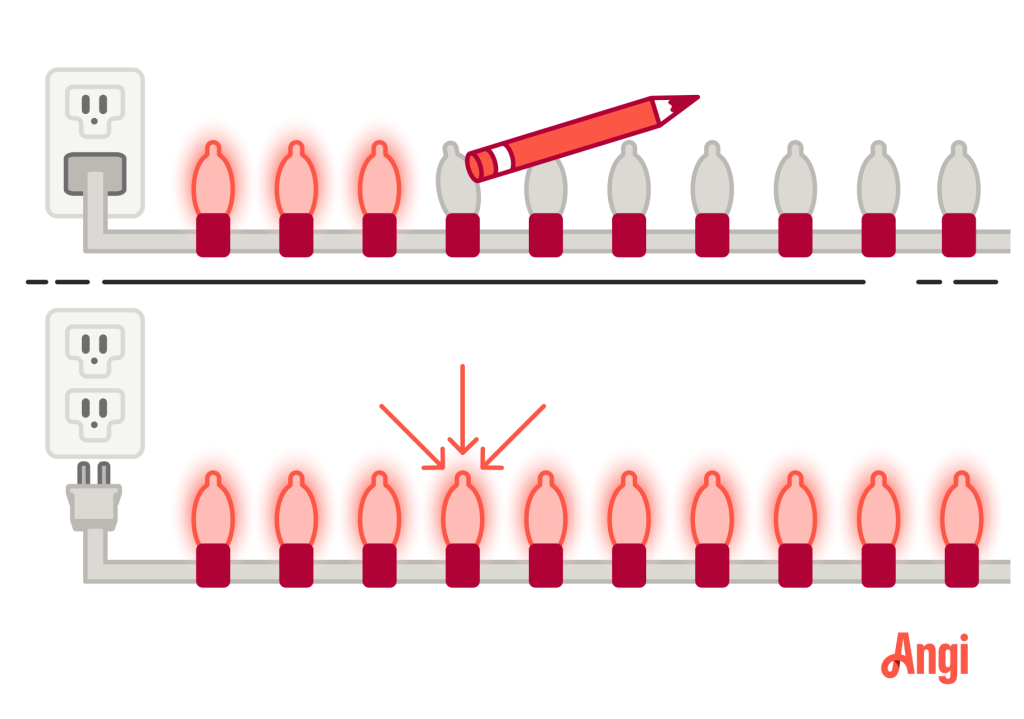
Have you ever plugged in your string lights, only to find that half of them don’t turn on? It’s frustrating, especially when you want your space to look bright and festive.
You might wonder why this happens and how to fix it quickly. Understanding the common reasons behind this problem can save you time, money, and stress. Keep reading, and you’ll discover simple tips to get all your lights shining again.
Common Causes Of Partial String Light Failure
String lights can brighten any space, but partial failure is frustrating. Many factors cause only half of your string lights to work. Understanding these common issues helps you fix them fast. Troubleshooting becomes easier by knowing what to check first.
Faulty Bulbs
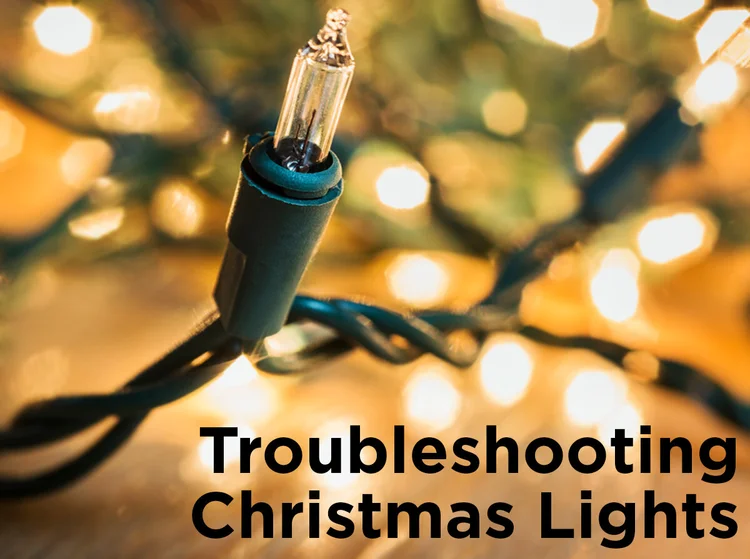
One burnt-out bulb can stop part of the string from lighting. Some strings connect bulbs in series, so one bad bulb breaks the circuit. Even a small crack or loose filament inside a bulb can cause failure. Test each bulb by replacing or gently wiggling it to find the faulty one.
Loose Connections
Loose connections often cause half the lights to go out. This can happen at the plug, socket, or where the strings connect. A quick push or twist can restore the connection. Check all joints and plugs for dirt, corrosion, or damage that may block electricity flow.
Blown Fuses
Blown fuses in the plug or controller stop electricity from reaching part of the lights. Fuses protect the string from power surges or shorts. Replace any blown fuse with one of the same rating. Look inside the plug cover or controller box to find the fuse slot.
Damaged Wiring
Damaged wiring is a common cause of partial light failure. Cuts, frays, or exposure to water can break the circuit. Inspect the entire length for visible damage or wear. Repair small wire breaks with electrical tape or replace the string if damage is severe.
Credit: blog.1000bulbs.com
Inspecting Your String Lights
When only half of your string lights are glowing, it’s time to get hands-on and inspect them carefully. Troubleshooting string lights can save you from buying a new set unnecessarily. With a bit of patience, you can often spot the problem yourself.
Checking Each Bulb
Start by examining every bulb individually. A single burnt-out bulb can cause part of the string to go dark. Gently wiggle each bulb to see if it flickers or lights up.
If you have spare bulbs, try replacing any that look dim or broken. Sometimes dirt or corrosion can block the connection, so cleaning the bulb’s base may help. Ask yourself: have you checked these bulbs since last year’s holiday season?
Testing The Plug And Fuse
The plug and fuse play a crucial role in your lights working properly. Inspect the plug for any bent prongs or signs of damage. A faulty fuse inside the plug can also cut power to part of the string.
Many string lights have a small fuse compartment in the plug—open it carefully and check the fuse. If it looks burnt or broken, replace it with an identical fuse. Have you kept spare fuses handy from your original packaging?
Identifying Visible Wire Damage
Look closely along the entire length of your string lights for any visible wire damage. Cracks, cuts, or frayed wires can interrupt the electrical flow. Even minor damage can cause half the lights to stop working.
Use a flashlight to spot hidden issues, especially near connection points or where the string bends. If you find damaged wire, it’s safer to replace the string rather than attempt a risky repair. Have you noticed any sharp edges or pets that might have chewed on the wires?
Quick Fixes For Bulb Issues
Half of your string lights may not work due to a broken bulb or loose connection. Checking each bulb and replacing any damaged ones often fixes the problem quickly. Sometimes, a simple reset or tightening of bulbs restores full light.
If you’ve ever found yourself frustrated with a half-lit string of lights, you’re not alone. The good news is that many issues with string lights can be quickly resolved without having to toss them out. Let’s dive into some practical fixes that you can try right away to bring back the sparkle to your lights.Replacing Burned-out Bulbs
Burned-out bulbs can cause an entire section of your string lights to go dark. Identifying and replacing these faulty bulbs is often the simplest fix. Start by unplugging the lights and carefully examining each bulb to see if any appear darker or have broken filaments. Once you spot a faulty bulb, replace it with one of the same type and wattage. Keeping a few spare bulbs on hand can save you from future frustrations. If you’re unsure, consult the packaging or manufacturer’s website for the correct specifications.Securing Loose Bulbs
Sometimes, it’s not a burned-out bulb causing the issue, but a loose one. A slightly dislodged bulb can disrupt the circuit, dimming a portion of your lights. Gently twist each bulb to ensure it’s snug in its socket. Have you ever noticed that a simple twist can suddenly light up a whole section? It’s a small step that can make a big difference. Make this a regular check when setting up your lights.Using A Bulb Tester
A bulb tester can be a lifesaver when dealing with string lights. This handy tool helps you identify which bulb is out without the guesswork. Simply follow the instructions on your tester, and it will pinpoint the problematic bulb. Investing in a bulb tester can save you time and energy, especially if you have multiple strings of lights. Next time you face a half-lit string, remember that a tester can quickly guide you to the solution. Isn’t it satisfying to solve a problem with just the right tool?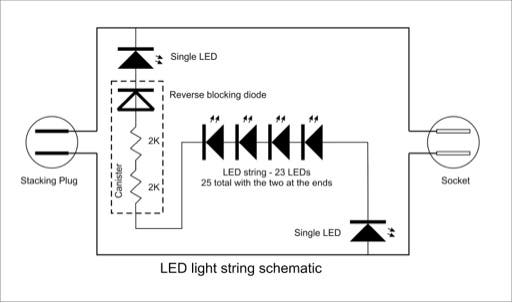
Credit: www.diychatroom.com
Repairing Electrical Problems
Repairing electrical problems in string lights is often simple and saves money. Most issues come from small faults that anyone can fix at home. Knowing how to spot and repair these problems can bring your lights back to full brightness quickly.
Check each part carefully. Sometimes the problem is a blown fuse, loose wire, or poor connection. Fixing these issues restores power flow and brightens your string lights.
Replacing Blown Fuses
Blown fuses stop electricity from reaching the bulbs. Find the fuse holder on the plug or control box. Open it gently and take out the old fuse. Look for a thin wire inside; if it is broken or burnt, replace it with a new fuse of the same size. Always use the correct fuse to avoid damage.
Fixing Loose Or Broken Wires
Loose or broken wires cause half the lights to fail. Carefully inspect the entire string for cuts or exposed wires. If you find a loose wire, twist it tightly back into place or solder it for a strong connection. For broken wires, cut out the damaged part and reconnect using electrical tape or wire connectors.
Ensuring Proper Connection
Connections between bulbs and sockets must be secure. Gently push each bulb into its socket to ensure it fits well. Clean any dirt or corrosion with a dry cloth. Check the plug fits tightly into the outlet. Proper connections allow electricity to flow evenly through the string.
Preventing Future Failures
Preventing future failures in your string lights is key to enjoying consistent, glowing decorations without frustration. Small habits can make a big difference in how long your lights last and work properly. Let’s look at some practical steps to keep your string lights shining bright season after season.
Proper Storage Tips
How you store your string lights can either protect them or set them up for damage. Always coil your lights loosely to avoid tangling and wire breakage. Use a spool or a dedicated storage box to keep the strands organized and safe from crushing.
Keep your lights in a cool, dry place away from extreme temperatures and moisture. Avoid stuffing them into tight containers where wires can bend sharply. You might be surprised how a simple change in storage can prevent many future failures.
Regular Maintenance
Do you inspect your lights before each use? Regular maintenance helps catch issues early, like broken bulbs or frayed wires. Wipe off dust and dirt gently with a soft cloth to prevent buildup that can cause overheating.
Test each section before hanging. Replace any burnt-out bulbs promptly to avoid overloading other bulbs. Simple upkeep like this keeps your lights working smoothly and prevents half your string from going dark.
Choosing Quality String Lights
Investing in good-quality string lights saves you headaches down the road. Cheaper lights often use lower-grade wiring and bulbs that fail quickly. Look for brands with strong reviews that mention durability and weather resistance.
Consider LED lights—they last longer and use less energy than traditional bulbs. Quality lights might cost more initially, but they reduce replacements and maintenance, giving you more reliable illumination. Isn’t it worth paying a bit more to avoid those frustrating outages?

Credit: us.govee.com
Frequently Asked Questions
Why Are Only Half My String Lights Working?
This usually happens due to a faulty bulb or a loose connection. Check each bulb and socket for damage or looseness to restore full functionality.
How Can I Fix Half My String Lights Not Lighting?
First, unplug the lights and inspect bulbs for breakage or burn marks. Replace faulty bulbs and ensure all connections are secure to fix the issue.
Do Burnt-out Bulbs Affect String Lights Performance?
Yes, a single burnt-out bulb can interrupt the electrical flow, causing half or more of the string lights to stop working.
Can Wiring Issues Cause Half String Lights To Fail?
Absolutely. Damaged or frayed wiring can break the circuit, leading to partial failure. Inspect and replace wiring if needed to solve this problem.
Conclusion
Half of your string lights not working usually means a wiring or bulb issue. Check each bulb and replace any that are burnt out. Make sure all connections are secure and free from damage. Sometimes, a single faulty bulb can stop the rest from lighting.
Testing with a new set helps find the problem fast. Taking these steps can bring your lights back to full brightness. Don’t ignore small problems; fixing them early saves time and money. Bright, even string lights make any space feel warm and inviting.



