
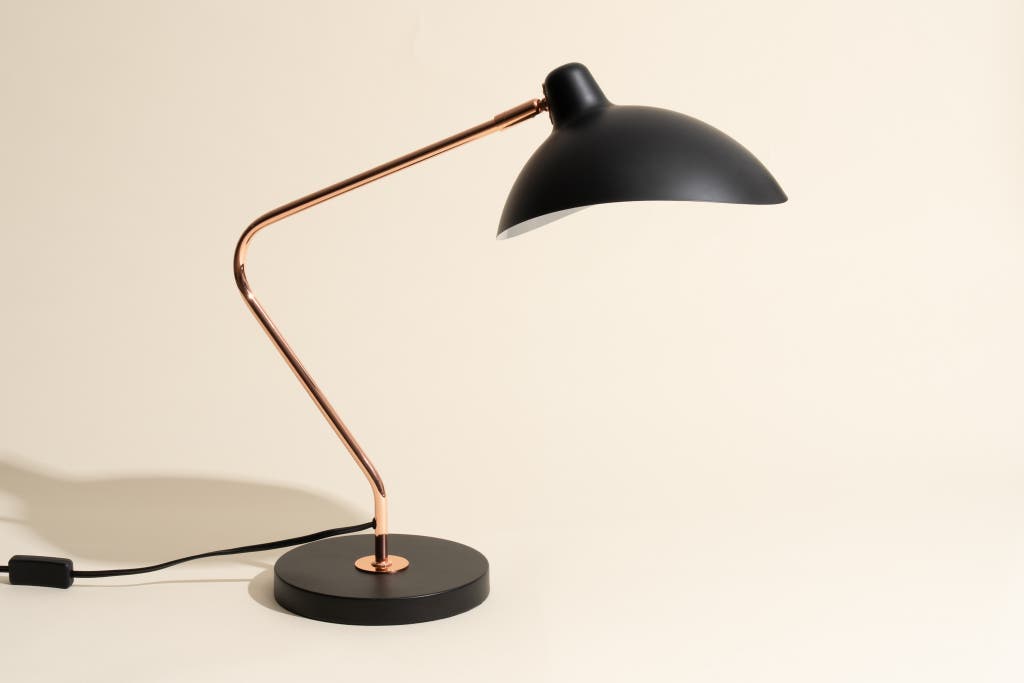
Have you ever touched your desk lamp and been surprised by how hot it feels? You might wonder why something that’s supposed to brighten your workspace ends up heating it instead.
Understanding why your desk lamp gets so hot isn’t just about curiosity—it’s about keeping you safe and making sure your lamp works well for a long time. You’ll discover the reasons behind that heat, what it means for you, and simple steps you can take to keep your workspace cool and comfortable.
Keep reading to find out what’s really going on with your desk lamp!
Heat Generation In Desk Lamps
Desk lamps often become warm or even hot during use, and understanding why can help you manage their heat better. Heat generation is a natural part of how these lamps work, but different factors contribute to just how hot they get. Let’s break down the main reasons behind this heat.
How Bulbs Produce Heat
Light bulbs convert electricity into light, but they also produce heat as a byproduct. Traditional incandescent bulbs generate a lot of heat because they use a filament that gets extremely hot to emit light.
Even LED bulbs, which are more energy-efficient, still produce some heat. This happens because not all electrical energy converts to light; some of it turns into heat inside the bulb.
Think about the last time you touched a desk lamp after it had been on for hours—did it feel uncomfortably warm? That warmth comes directly from the bulb’s energy conversion process.
Role Of Electrical Components
Beyond the bulb itself, other electrical parts in the lamp also contribute to heat generation. Components like transformers, ballasts, or resistors can heat up as they regulate the electricity flowing to the bulb.
These parts work silently but can raise the overall temperature of the lamp, especially if the lamp’s design doesn’t allow for proper airflow. Poor ventilation traps heat, making your lamp hotter than it needs to be.
Have you noticed some lamps feel hotter on the base or near the switch? That’s often where these electrical components are located, quietly adding to the heat you feel.

Credit: www.nytimes.com
Types Of Bulbs And Their Heat Output
Desk lamps heat up mainly because of the type of bulb they use. Different bulbs produce different amounts of heat. Understanding these differences helps explain why some lamps get hotter than others. The heat depends on how the bulb creates light and uses electricity.
Incandescent Bulbs
Incandescent bulbs produce light by heating a metal filament inside. This process creates a lot of heat as a byproduct. Most of the energy in incandescent bulbs turns into heat, not light. This makes them very hot to touch and causes desk lamps to heat up quickly.
Halogen Bulbs
Halogen bulbs are a type of incandescent bulb but run hotter. They use a halogen gas to increase brightness and lifespan. The filament inside glows at higher temperatures, producing more heat. Desk lamps with halogen bulbs often feel very warm after a short time.
Led And Cfl Alternatives
LED and CFL bulbs use different technology to create light. They produce much less heat than incandescent or halogen bulbs. LEDs use tiny chips that light up with little heat loss. CFLs use gas and a small amount of heat to create light. Both options keep desk lamps cooler and save energy.
Lamp Design And Heat Dissipation
When you touch your desk lamp after it has been on for a while, you might be surprised by how hot it gets. This heat isn’t just a minor inconvenience; it can affect the longevity of the lamp and even your comfort. Understanding the reasons behind this heat can help you choose better lighting solutions for your workspace.
Materials Affecting Heat Retention
The materials used in the construction of a lamp play a significant role in how much heat it retains. Metal parts, often used for their durability, can become quite hot since metals are excellent conductors of heat. In contrast, lamps made with ceramic or glass components might disperse heat more effectively, making them cooler to touch.
Think about your own desk lamp. What materials is it made of? If it’s primarily metal, it’s no wonder it gets so hot. Choosing lamps with a mix of materials can help in reducing the heat retention.
Ventilation And Airflow Issues
Another critical factor in lamp heat dissipation is ventilation. Many desk lamps lack proper airflow design, trapping heat inside. This is especially true for lamps with enclosed shades that keep the heat concentrated around the bulb.
Consider how your lamp is positioned. Is it in a crowded space with little room for air circulation? Placing your lamp where air can flow freely can mitigate heat buildup. Ask yourself, could a small desk fan nearby help in dispersing heat more effectively?
By examining these aspects, you can make informed choices about the design and placement of your desk lamp, potentially reducing the heat it emits. What steps will you take to ensure your workspace remains comfortable and safe?
Credit: www.nytimes.com
Electrical Issues Causing Excess Heat
Electrical issues are often the hidden culprits behind your desk lamp getting uncomfortably hot. These problems can cause more than just warmth—they might lead to safety hazards. Understanding what electrical faults lead to excess heat helps you spot potential dangers and protect your workspace.
Overloading And Voltage Problems
Overloading happens when your lamp draws more power than the circuit can handle. This causes components to heat up rapidly. Have you ever noticed your lamp getting hotter after plugging in multiple devices nearby? That’s a sign your circuit might be overloaded.
Voltage problems also play a key role. If your lamp receives inconsistent or higher voltage than it’s designed for, it strains the electrical parts. This stress generates extra heat and can damage your lamp over time. To avoid this, check the lamp’s voltage rating and use surge protectors where possible.
Wiring And Socket Concerns
Faulty wiring inside the lamp or in its socket can cause heat buildup. Loose connections increase resistance, which converts electrical energy into heat. Have you ever touched a lamp’s socket and felt it was unusually warm? That’s a warning sign you shouldn’t ignore.
Additionally, damaged or frayed wires expose the lamp to short circuits. This not only raises temperature but also risks electrical fires. Regularly inspect your lamp’s cord and socket for wear and replace damaged parts promptly to keep your workspace safe.
Safety Risks Of Overheating Lamps
Overheating desk lamps pose several safety risks that you shouldn’t ignore. The heat generated can lead to dangerous situations, affecting not only the lamp but also your home and well-being. Understanding these risks helps you take the right precautions to keep your space safe.
Fire Hazards
When a desk lamp gets too hot, it can ignite nearby flammable materials like papers, curtains, or even your desk surface. This risk increases if you use high-wattage bulbs in lamps not designed to handle them. Have you ever noticed a burning smell near your lamp? That’s a warning sign you should never ignore.
Always make sure your lamp is placed away from combustible items. Using LED bulbs instead of traditional incandescent ones can also reduce the chance of fire because they produce less heat.
Damage To Lamp Components
Excessive heat can cause the lamp’s internal parts to wear out faster. The wiring insulation may melt, leading to short circuits or electrical shocks. I once had a lamp where the switch stopped working because the heat had damaged it beyond repair.
Regularly inspect your lamp for any signs of damage like discoloration or a loose switch. Replacing bulbs with ones that fit the lamp’s recommended wattage can extend its life and keep it safe.
Impact On Surroundings
Overheating lamps don’t just harm themselves; they can also affect your surroundings. Heat can warp the desk surface or damage nearby electronics sensitive to temperature changes. Have you noticed your desk feeling warm or your laptop acting up near your lamp?
Consider using a heat-resistant mat under your lamp or moving sensitive items away. Being mindful of your lamp’s heat can prevent costly damage to your belongings.
Credit: www.nytimes.com
Preventing Desk Lamp Overheating
Desk lamps can get very hot and may cause safety concerns. Preventing overheating is important for safety and lamp longevity. Simple steps can reduce heat buildup and protect your workspace.
Choosing The Right Bulb
Select bulbs with lower wattage. LED bulbs are cooler and energy-efficient. Avoid using bulbs that exceed the lamp’s recommended wattage. This keeps heat levels low and saves electricity.
Improving Ventilation
Place the lamp where air flows freely. Avoid enclosed spaces or tight corners. Keep the lamp shade and bulb area clean from dust. Good airflow helps heat escape and lowers temperature.
Regular Maintenance Tips
- Turn off the lamp when not in use.
- Check the bulb and socket for damage regularly.
- Clean dust and dirt from the lamp surface.
- Replace old bulbs with newer, cooler types.
Regular care keeps the lamp running safely and cooler. It prevents overheating and extends the lamp’s life.
Energy Efficiency And Heat Reduction
Energy efficiency plays a crucial role in how much heat a desk lamp generates. The less energy wasted, the cooler the lamp stays. Understanding this connection can help you choose lighting that keeps your workspace comfortable and safe.
Benefits Of Led Technology
LED bulbs are much more energy efficient compared to traditional incandescent or halogen bulbs. They convert most of the electricity into light, not heat, which means your lamp stays cooler.
Switching to LED can reduce the heat output by up to 80%. Plus, LEDs last longer, saving you money on replacements. Have you noticed how LED desk lamps barely warm up, even after hours of use?
Smart Usage Practices
How you use your desk lamp also affects its temperature. Keeping the lamp on only when needed reduces unnecessary heat buildup.
Try placing your lamp in a spot with good airflow to help dissipate any heat it generates. Also, avoid covering the lamp or placing it near heat-sensitive materials. Small changes like these can make a big difference in keeping your desk cool and your work environment pleasant.
Frequently Asked Questions
Why Do Desk Lamps Become Hot Quickly?
Desk lamps get hot due to the heat generated by the bulb inside. Incandescent and halogen bulbs produce more heat. Poor ventilation or enclosed designs can trap heat, causing the lamp to become hot faster.
Are Led Desk Lamps Safer Regarding Heat?
Yes, LED desk lamps produce minimal heat compared to traditional bulbs. They use less energy and convert more power into light, making them safer and cooler to touch during use.
Can Overheating Damage My Desk Lamp?
Yes, overheating can damage the lamp’s components and reduce its lifespan. Excessive heat may cause wiring issues or bulb failure, so proper ventilation and bulb choice are essential for safety.
How To Prevent Desk Lamps From Getting Too Hot?
Use LED bulbs instead of incandescent ones. Ensure your lamp has proper ventilation and avoid covering it. Regularly clean dust to improve heat dissipation and prevent overheating.
Conclusion
Desk lamps get hot because of the light bulb inside. Bulbs use electricity and create heat as they shine. The lamp’s design can also affect how warm it feels. Metal lamps often feel hotter than plastic ones. Always check your lamp’s wattage limit to avoid extra heat.
Keep lamps away from flammable materials for safety. Using LED bulbs can reduce heat a lot. Understanding why desk lamps get hot helps you use them safely. Stay cool and light your space well.



