
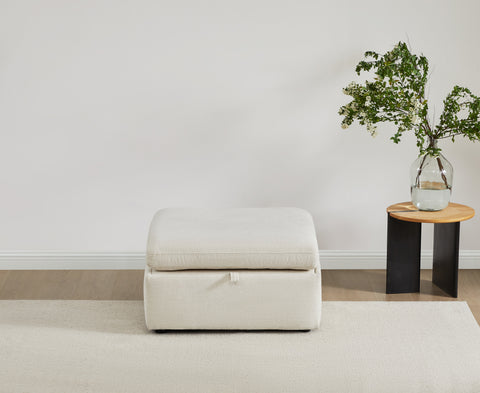
Have you ever wondered why a simple piece of furniture is called an “ottoman”? It’s a word you hear often, but its origin might surprise you.
Understanding where this name comes from can change the way you see this everyday item. If you’re curious about the story behind the ottoman and why it’s more than just a footrest, keep reading. You’ll discover fascinating history and a few unexpected facts that make the ottoman truly special.
Origins Of The Ottoman
The term “ottoman” refers to a type of low upholstered seat or bench. Its origins trace back many centuries, rooted deeply in history and culture. Understanding where the name and design come from sheds light on its unique charm and lasting appeal.
Roots In The Ottoman Empire
The ottoman takes its name from the Ottoman Empire. This empire was a powerful state that lasted from the late 13th century to the early 20th century. It covered parts of Europe, Asia, and Africa.
Furniture styles from the empire influenced many designs in Europe. The ottoman was one such piece, introduced to the West through trade and cultural exchange. Its name honors this origin, linking it to the empire’s rich history.
Early Designs And Functions
Early ottomans were large and cushioned, often without legs. They served as seating, footrests, or even storage units. People placed them in living rooms or lounges for comfort and practicality.
These pieces were covered in rich fabrics, reflecting the luxury of the empire. The design focused on comfort and style, making ottomans popular in many homes. Their shape and use evolved but kept the original spirit alive.

Credit: luxeweavers.com
Evolution Through Time
The ottoman has transformed through centuries, adapting to cultures and styles. Its journey from humble beginnings to a staple piece in homes is fascinating. Let’s explore how this piece of furniture has evolved.
From Footstool To Furniture
Originally, the ottoman was just a simple footstool. It provided comfort for weary feet in homes. Over time, its function expanded. It became a versatile piece of furniture. Ottomans now serve as seats, tables, and storage units. This evolution showcases its adaptability in modern living spaces.
Influence Of Different Cultures
The ottoman’s journey is rich with cultural influences. It traces back to the Ottoman Empire, where it was a status symbol. This luxurious piece was a staple in Turkish palaces. As it traveled to Europe, its design evolved. Different cultures added unique touches, shaping its modern form.
Design Features
The design features of an Ottoman reflect its rich history and versatile use. This piece of furniture combines function and style in many ways. Its design varies widely, fitting different rooms and purposes. Understanding these features helps appreciate why Ottomans remain popular today.
Typical Shapes And Sizes
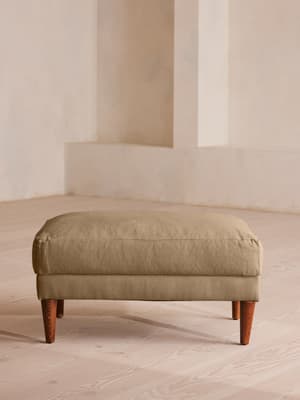
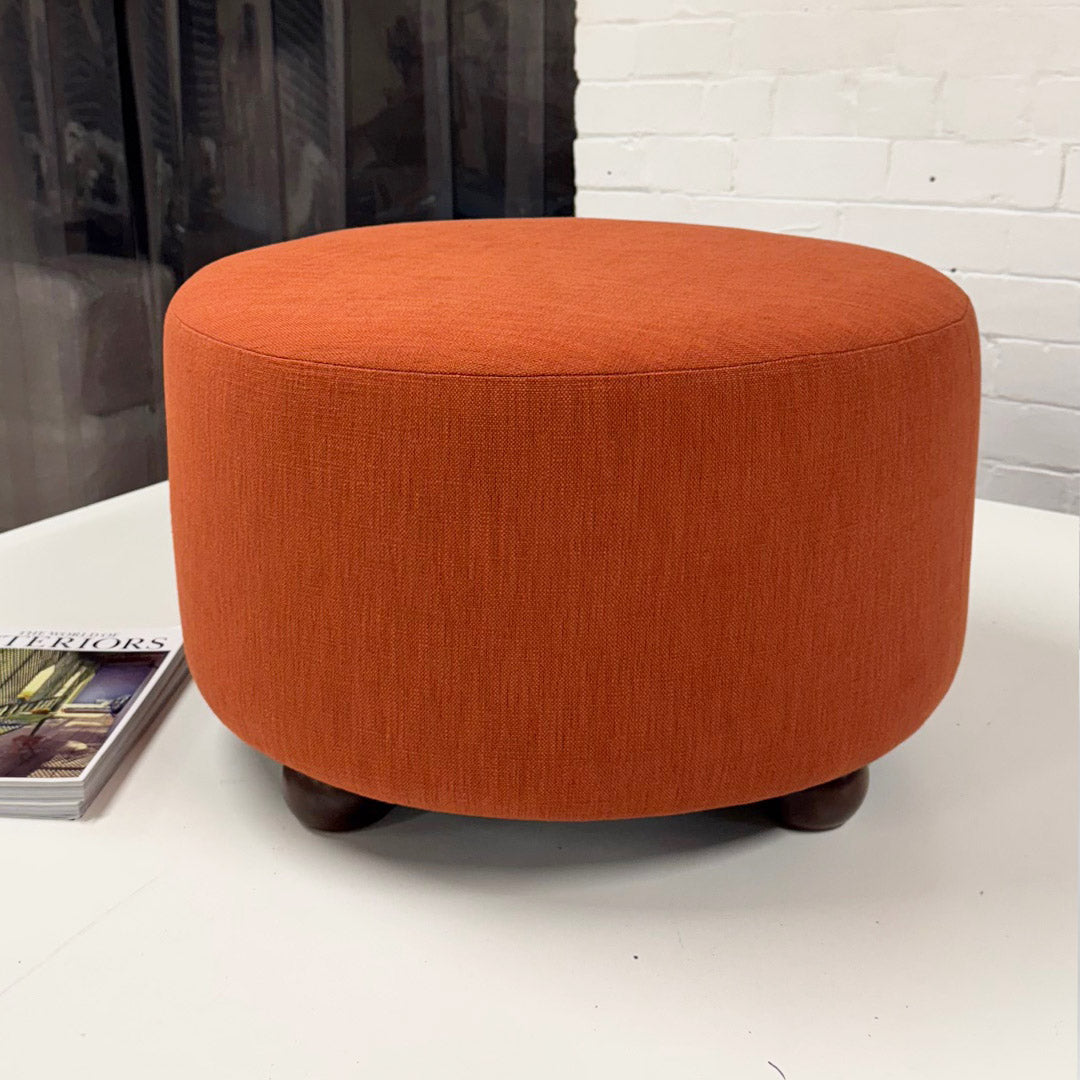
Ottomans come in several common shapes. The most popular is the square shape, ideal for seating or as a footrest. Round Ottomans offer a softer look and fit well in cozy corners. Rectangular Ottomans often double as coffee tables or storage units.
Sizes range from small stools to larger benches. Small Ottomans are easy to move and fit in tight spaces. Larger models provide extra seating and can anchor a room’s layout. The size often depends on the room’s function and available space.
Materials And Upholstery
Materials affect both comfort and style. Wood is a common base, giving Ottomans strength and durability. Some models use metal or plastic for a modern feel. Upholstery choices vary widely, from leather to soft fabrics.
Leather adds a classic, elegant touch and is easy to clean. Fabric upholstery offers many colors and patterns for personalization. Some Ottomans feature tufted tops, adding texture and a vintage vibe. Foam or down padding ensures comfort for sitting or resting feet.
Cultural Significance
The ottoman carries more than just a practical purpose in homes; it holds deep cultural significance that traces back centuries. Its name and design reflect a rich history connected to comfort, luxury, and social status. Understanding this background can change how you see this familiar piece of furniture in your living space.
Symbol Of Comfort And Status
The ottoman originally symbolized luxury and relaxation in Ottoman Empire palaces. Sitting on or around an ottoman was a way to show leisure and wealth, as these pieces were often elaborately crafted with fine fabrics and intricate designs.
Today, when you add an ottoman to your room, you’re not just adding a footrest—you’re bringing a touch of history that signals comfort and sophistication. Have you noticed how a well-chosen ottoman can instantly elevate the feel of your living area?
Role In Home Decor
Beyond its function, the ottoman plays a key role in shaping the style of a room. Its versatility allows it to act as a coffee table, extra seating, or storage, making it a practical choice for modern homes.
Choosing the right ottoman can anchor your decor theme, whether you prefer classic elegance or contemporary simplicity. What colors or textures in your home could an ottoman complement or contrast with to make your space feel more inviting?
Modern Uses
The ottoman has evolved far beyond its original role as a simple footrest. Today, it fits seamlessly into modern homes, offering both style and practicality. Understanding how ottomans are used now can help you decide if one belongs in your space.
Functional Versatility
Ottomans serve many purposes beyond just a place to rest your feet. You can use them as extra seating when guests arrive or as a coffee table with the addition of a tray. Some even open up to provide hidden storage, perfect for stashing blankets, magazines, or toys.
Think about your living room setup. Could an ottoman replace a bulky coffee table to free up space? Or perhaps it could add a cozy touch and extra function where you need it most.
Trends In Contemporary Interiors
Modern interiors often showcase ottomans in bold colors and unique fabrics, making them statement pieces. Designers love mixing textures, so pairing a velvet ottoman with a leather sofa is common now. This adds depth and interest to your room without overwhelming it.
Have you noticed how ottomans with metal legs or geometric shapes are becoming popular? These designs bring a fresh, modern edge that fits well in minimalist or industrial-style homes.
Choosing the right ottoman can transform your space both visually and functionally. What style would best complement your current décor? Could this small piece become the star of your room?
Credit: www.sohohome.com
Credit: www.footstoolsandmore.co.uk
Frequently Asked Questions
Why Is It Called An Ottoman?
An Ottoman is named after the Ottoman Empire, where this furniture style originated. It reflects the empire’s rich cultural influence and design.
What Is The History Of The Ottoman Furniture?
Ottomans began as cushioned stools in the Ottoman Empire. They evolved into versatile footrests and seating used worldwide today.
How Did Ottomans Become Popular In The West?
Ottomans gained popularity in the West through trade and cultural exchange during the 18th century. They became stylish and functional furniture pieces.
What Are Common Uses Of An Ottoman Today?
Modern Ottomans serve as footrests, extra seating, and storage units. Their multifunctional design makes them popular in many homes.
Conclusion
The name “Ottoman” comes from the Ottoman Empire’s style. This furniture piece blends comfort and history in one. It adds function and charm to any room. Knowing its origin makes it more special. Next time you see an Ottoman, remember its past.
A simple seat with a rich story behind it. Perfect for relaxing and decorating your home. The Ottoman carries culture and comfort together. A small piece with a big heritage.



