
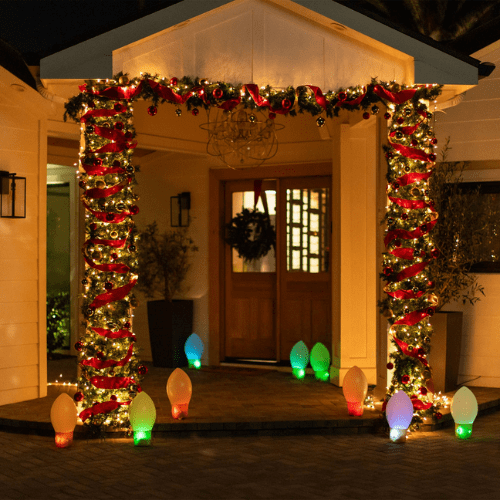
Have you ever wondered why your neighborhood lights up with sparkling colors every Christmas? Those glowing bulbs aren’t just for decoration—they hold a special meaning that goes beyond the surface.
When you see those twinkling lights, they stir up feelings of joy, warmth, and togetherness. But why did this tradition start, and what does it really symbolize for you and your loved ones? Keep reading, and you’ll discover the fascinating reasons behind putting up Christmas lights—and how they can make your holiday season even more magical.
Credit: www.christmastreeworld.co.uk
Origins Of Christmas Lights
Christmas lights have become a central part of holiday celebrations, brightening homes and streets each year. But have you ever wondered how this tradition started? Understanding the origins of Christmas lights reveals a fascinating journey from simple candle decorations to the dazzling electric displays you see today.
Early Candle Decorations
Long before electric bulbs, people used candles to light their Christmas trees. This practice began in 17th-century Germany, where families carefully attached small candles to tree branches. Imagine the patience and caution required to keep those flames from burning the tree!
The warm glow of candles created a magical atmosphere, but it was also risky. Fires were common, which made lighting the tree an event that demanded constant attention. Yet, this tradition showed how important light was to celebrating the season.
Transition To Electric Lights
The invention of the electric light bulb changed Christmas decorations forever. In 1882, Edward H. Johnson, a colleague of Thomas Edison, created the first string of electric Christmas lights. Unlike candles, these lights were safer and could stay lit for hours without supervision.
As electric lights became more affordable, people began replacing candles with bulbs on their trees. This shift allowed for more creativity—different colors, shapes, and sizes of bulbs transformed the way we decorate. Have you ever thought about how this innovation made it easier to share holiday cheer without worrying about fire hazards?
Credit: www.charlotteobserver.com
Symbolism Behind The Lights
Christmas lights are more than just decorations. They carry deep meanings that connect us to hope, joy, and faith. The tradition of putting up lights during Christmas has roots that go beyond beauty. It reflects powerful symbols that brighten the darkest days of winter. Understanding this symbolism helps us appreciate the holiday spirit even more.
Light As A Symbol Of Hope
Light has always stood for hope in many cultures. During cold, dark winters, a shining light feels like a promise of better days. Christmas lights brighten homes and streets, symbolizing hope shining through darkness. They remind us to stay positive and keep faith alive. The glow of the lights brings comfort and warmth to hearts everywhere.
Religious Significance
In Christianity, light holds special meaning. It represents Jesus Christ, called the “Light of the World.” Christmas lights symbolize his arrival, bringing truth and salvation. The use of candles and lights during Advent and Christmas marks this spiritual celebration. They show the victory of light over darkness, good over evil. This religious meaning adds depth to the bright displays seen every year.
Evolution Of Christmas Lighting Traditions
Christmas lights have a fascinating history. They started as simple candles on trees. Over time, these lights evolved into colorful, electric displays. Today, they are a symbol of joy and celebration. This tradition has grown from homes to grand public displays, thanks to technological advances. Let’s explore how Christmas lighting traditions have changed over the years.
From Homes To Public Displays
Initially, families used candles to light up their Christmas trees. This was a risky choice due to fire hazards. In the early 20th century, electric lights became popular. They were safer and more colorful. Soon, people began decorating not just trees, but their entire homes. Streets began to glow with festive cheer. Public displays became grander each year. Shopping malls and city squares now feature elaborate light shows. These displays attract thousands of visitors. They bring communities together in celebration.
Technological Advances In Lighting
Technology has transformed Christmas lighting. Early electric lights were simple and bulky. Today’s LED lights are energy-efficient and long-lasting. They come in a variety of colors and styles. Smart lights can be controlled with a smartphone. This allows for custom displays and synchronized light shows. Light projectors create stunning effects on buildings and landscapes. These innovations make decorating easier and more exciting. They also reduce energy consumption, making them eco-friendly.

Credit: uk.style.yahoo.com
Cultural Impact Of Christmas Lights
Christmas lights do more than just brighten up your home; they shape how communities connect and how economies thrive during the holiday season. The cultural impact of these twinkling decorations extends beyond aesthetics, influencing social bonds and local businesses in meaningful ways.
Community And Family Bonding
Christmas lights bring people together in a unique way. Neighbors often collaborate to create dazzling displays, sparking conversations and shared experiences that last beyond the season.
Families find joy in decorating their homes, turning it into a cherished tradition. This hands-on activity encourages teamwork and creates lasting memories.
Have you ever noticed how a simple string of lights can invite neighbors to stop by and chat? These moments build a sense of belonging and strengthen community ties.
Economic Effects On Retail And Tourism
Christmas lights also play a key role in boosting local economies. Shops and malls decked out in festive lights attract more shoppers eager to soak in the holiday spirit.
Tourist spots known for their light displays see a surge in visitors, which benefits hotels, restaurants, and other businesses. This seasonal influx can significantly impact a town’s revenue.
Consider how your local Christmas market or light festival might influence where you choose to shop or dine during the holidays. These events offer more than entertainment—they drive economic activity.
Modern Trends In Christmas Lighting
Christmas lighting has evolved far beyond simple strings of bulbs. Today, the way we brighten up our homes and neighborhoods reflects new technologies and creative ideas. These modern trends not only make decorations more beautiful but also smarter and more sustainable.
Eco-friendly And Led Options
LED lights have transformed Christmas decorating. They use up to 80% less energy than traditional bulbs, which means you can light up your entire house without a spike in your electric bill. Plus, LEDs last much longer, reducing the need to replace bulbs every season.
Many people now choose lights made from recycled materials or those designed to be biodegradable. This shift helps reduce the environmental impact of holiday celebrations. Have you considered how your holiday lights affect the planet?
Using timers and solar-powered lights also adds to energy savings. These options make it easier to enjoy your festive display while lowering your carbon footprint.
Creative And Interactive Displays
Christmas lights have become a form of entertainment and personal expression. Some homeowners synchronize their lights to music, turning their yard into a captivating light show that neighbors love to watch. This interactive experience adds a new layer of joy to the holiday season.
Others use smart home technology to control their lights remotely or change colors with a simple voice command. Imagine adjusting your decorations without stepping outside in the cold!
If you want to stand out, try mixing different types of lights—fairy lights, lanterns, and projection lights—to create unique textures and effects. How can you make your decorations feel more personal and fun this year?
Psychological Effects Of Holiday Lighting
Holiday lights do more than decorate homes and streets. They have a strong effect on how people feel during the festive season. The glow from these lights can change moods and influence emotions in deep ways. Understanding these psychological effects helps explain why lighting is a cherished holiday tradition.
Boosting Mood And Festive Spirit
Bright, colorful lights create a joyful atmosphere. They catch the eye and invite smiles. This visual stimulation triggers the brain to release happy chemicals like dopamine. People feel more excited and hopeful. The lights remind everyone of celebration and togetherness. This mood lift helps spread holiday cheer among family and friends.
Reducing Seasonal Anxiety
Winter months often bring darker days and colder weather. This can cause feelings of sadness or stress for some. Holiday lighting provides a warm, comforting glow that fights off the gloom. The steady light helps calm nerves and ease anxiety. It also creates a sense of safety and belonging. For many, these lights act as a simple way to brighten tough days during the holidays.
Frequently Asked Questions
Why Do People Decorate With Christmas Lights?
People use Christmas lights to symbolize hope and joy during winter. Lights brighten dark nights and create a festive atmosphere. This tradition dates back to using candles on trees, representing the light of Christ and warmth in cold seasons.
When Did Christmas Lights Tradition Start?
The tradition began in the 17th century with candles on trees in Germany. Electric Christmas lights were introduced in the early 20th century. They quickly replaced candles for safety and became popular worldwide as a holiday decoration.
What Do Christmas Lights Symbolize?
Christmas lights symbolize light overcoming darkness, hope, and joy. They also represent the star of Bethlehem that guided the Wise Men. Lights create warmth and community spirit during the holiday season.
How Have Christmas Lights Evolved Over Time?
Christmas lights evolved from candles to electric bulbs for safety and convenience. LED lights now dominate, offering energy efficiency and diverse colors. Modern lights include smart controls and creative designs for unique displays.
Conclusion
Christmas lights bring warmth and joy to cold winter nights. They remind us of hope, love, and togetherness. People hang lights to celebrate and share happiness. The glowing colors create a magical, festive mood. Lights also honor old traditions that connect us.
They make homes and streets feel special and bright. Everyone enjoys the sparkling views and cheerful spirit. This simple act spreads kindness and unity worldwide. Lighting up for Christmas is more than decoration—it’s a joyful tradition that shines in our hearts.



