
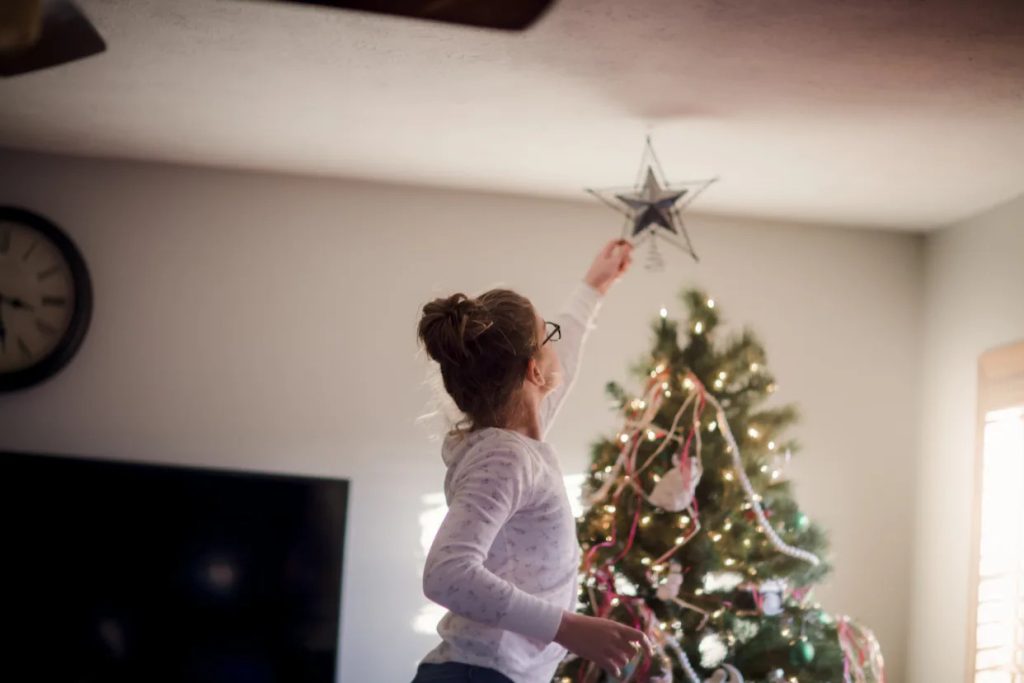
Have you ever wondered why you and so many others hang up Christmas lights every year? Those twinkling bulbs aren’t just decorations—they carry meaning, spark joy, and create a special atmosphere.
When you see those glowing lights, something inside you feels warmer and happier. You’ll discover the surprising reasons behind this beloved tradition and how it connects to your feelings, memories, and even your community. Keep reading, because understanding why we put up Christmas lights might just change the way you experience the holiday season.
Origins Of Christmas Lights
Christmas lights have a long history that dates back centuries. The tradition of decorating with lights started as a way to bring warmth and joy during the cold winter months. These lights symbolize hope, celebration, and the spirit of the holiday season.
The origins of Christmas lights evolved over time. From simple candles to bright electric bulbs, each step marked a new chapter in holiday decoration.
Early Festive Decorations
Before electric lights, people used candles to decorate Christmas trees. Candles created a soft, flickering glow. They represented light overcoming darkness during winter.
Homes and churches also used natural decorations like holly and evergreen branches. These plants symbolized life in the cold season. People gathered around warm fires, sharing stories and songs.
Advent Of Electric Lights
In the late 1800s, electric lights changed Christmas decorations forever. Thomas Edison’s invention made it safer to light up homes. The first electric Christmas lights appeared in the 1880s.
By the early 1900s, electric strings of lights became popular. They allowed people to decorate trees without fire risk. Streets and buildings soon followed, lighting up entire neighborhoods.
Credit: www.sltrib.com
Symbolism Behind The Lights
Christmas lights are more than just decorations; they carry deep meanings that connect us to the season’s spirit. Understanding the symbolism behind these glowing bulbs can change how you see your holiday setup. It invites you to reflect on the feelings and traditions you associate with this vibrant display.
Light As Hope And Joy
Light has always been a symbol of hope, cutting through darkness and uncertainty. During winter, when days are shortest, Christmas lights remind us that brighter days are ahead. They bring joy not only to your home but also to your community, lifting spirits in cold and dark months.
Think about the last time you switched on your lights and felt an instant mood boost. That simple act spreads warmth and happiness, encouraging you to share that feeling with others. Could your lights be a beacon of encouragement for someone who needs it?
Religious Significance
Many people hang Christmas lights to honor the religious roots of the holiday. Lights symbolize the arrival of Jesus Christ, often referred to as the “Light of the World.” This tradition is a way to express faith and celebrate the message of peace and salvation.
When you put up your lights, you join a long history of believers who use illumination to mark spiritual significance. It’s a quiet reminder of the story behind the festivities and the values that inspire them. How does your display reflect the meaning you hold most dear?
Evolution Of Traditions
Christmas lights have a rich history. Over time, they evolved significantly. These festive lights once began as simple candles. Today, they shine brightly as efficient LEDs. Understanding this journey showcases the creativity and tradition behind them. Let’s explore how Christmas lights have transformed over the years.
From Candles To Leds
In the past, people used candles on Christmas trees. They represented hope and warmth during winter. This tradition was risky due to fire hazards. With time, technology improved. Electric lights replaced candles in the early 20th century. Thomas Edison played a key role in this transition. His invention made Christmas safer and brighter. Now, LEDs are the norm. They are safe, energy-efficient, and long-lasting. This evolution shows innovation’s role in tradition.
Cultural Variations
Christmas lights vary across cultures. In America, homes often showcase extravagant displays. Streets light up with colorful decorations. In Germany, the focus is on traditional designs. They prefer white lights for a classic look. In Japan, illumination events are popular. Public spaces feature dazzling light shows. Each culture adds its own flavor to Christmas lights. These variations reflect diverse cultural expressions. They celebrate the universal joy of Christmas.
Psychological Impact Of Lights
Christmas lights do more than brighten homes. They touch our minds and feelings. The soft glow of lights has a deep psychological effect on us. This effect explains why we enjoy lighting up our surroundings during the holidays. Lights can change our mood and bring people closer. They create a special space that feels warm and joyful. Understanding this helps us appreciate why putting up lights is a cherished tradition.
Mood Enhancement
Lights can lift our spirits quickly. Their warm colors reduce stress and bring calmness. Twinkling lights catch our eyes and spark happiness. They make us feel cozy and safe. This feeling helps us forget daily worries. The gentle shine acts like a small, cheerful hug. It brightens dark winter days and long nights. Many feel more hopeful and positive with lights around.
Creating A Festive Atmosphere
Lights set the scene for celebration. They signal that special times are near. The glow invites smiles and laughter. It helps families and friends come together. Lights decorate spaces, making them feel alive and joyful. This festive mood encourages kindness and sharing. The sparkling view also creates lasting memories. It turns ordinary places into magical holiday spots.
Community And Social Aspects
Christmas lights bring more than just sparkle to homes. They create a sense of togetherness in neighborhoods. People feel part of a larger community during the holiday season. Lights help build friendly connections and spread joy. They invite smiles and conversations among neighbors. The glowing decorations become a shared experience that everyone looks forward to.
Neighborhood Displays
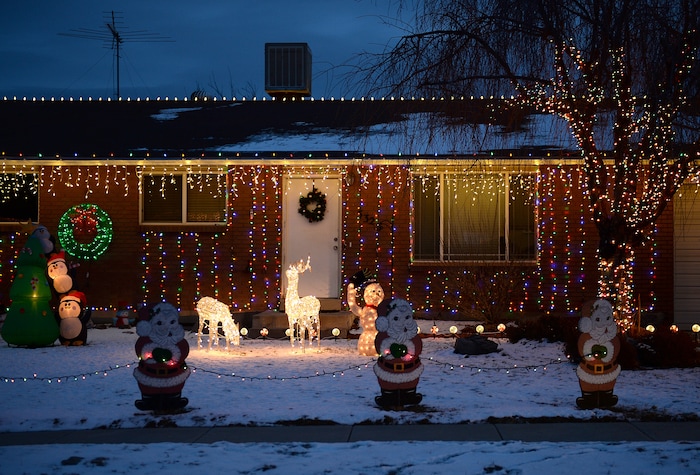
Bright lights turn neighborhoods into festive wonderlands. Many streets compete to create the best display. This friendly competition encourages creativity and teamwork. Visitors often take walks or drives to enjoy the lights. These displays bring neighbors outside to admire each other’s work. They create a warm and welcoming atmosphere for all.
Family Bonding Rituals
Putting up Christmas lights is a special family event. It brings parents, children, and relatives together. Families share laughs, stories, and memories while decorating. This activity creates lasting holiday traditions for many households. Children learn the joy of giving and celebrating as a team. The shared effort strengthens family bonds each year.
Credit: www.charlotteobserver.com
Modern Trends In Christmas Lighting
Modern Christmas lighting has changed a lot over the years. It is not just about hanging colorful bulbs anymore. New trends bring fresh ideas and better ways to celebrate the holiday season. These trends make decorations brighter, smarter, and kinder to the planet.
Technological Innovations
LED lights are now the most popular choice. They use less energy and last much longer than old bulbs. Smart lights can connect to apps on phones. This lets people control colors and patterns easily. Some lights even sync with music for a fun show.
Animations and projections create magical displays on houses. These tools make decorating easier and more creative. Solar-powered lights charge during the day and glow at night. This reduces the need for electrical outlets and saves energy.
Eco-friendly Practices
Many people want to reduce waste during the holidays. Reusable decorations and lights help cut down on trash. Choosing LED bulbs lowers electricity use and helps the environment. Timers and sensors turn lights off when not needed. This prevents energy waste and lowers bills.
Recycling old lights and decorations is becoming common. Some communities offer drop-off points for used holiday items. Shoppers also prefer buying from brands that follow green policies. These small steps keep the festive spirit strong and eco-friendly.
Credit: tcaflisch.medium.com
Frequently Asked Questions
Why Do People Put Up Christmas Lights?
People put up Christmas lights to celebrate the festive season. Lights symbolize joy, hope, and the spirit of Christmas. They create a warm, inviting atmosphere and enhance holiday decorations. This tradition also brings communities together and spreads holiday cheer.
When Did Christmas Lights Become Popular?
Christmas lights became popular in the early 20th century. Thomas Edison’s invention of the electric bulb made it possible. Before that, people used candles for decoration. Electric lights were safer and more colorful, quickly becoming a beloved holiday tradition worldwide.
How Do Christmas Lights Symbolize Hope?
Christmas lights symbolize hope by representing light in darkness. They remind people of the season’s message of peace and renewal. The glow of lights fosters warmth and optimism during winter’s cold, gloomy days. This symbolism inspires joy and comfort in homes and communities.
What Are The Benefits Of Putting Up Christmas Lights?
Putting up Christmas lights boosts festive spirit and community bonding. They create a joyful, welcoming environment and enhance holiday decorations. Lights also encourage creativity and family participation. Additionally, they can increase local tourism and support small businesses during the season.
Conclusion
Christmas lights bring joy and warmth to cold winter nights. They create a feeling of togetherness and hope. People hang lights to share happiness with neighbors and friends. The bright colors remind us of good times and special memories. Lights also add beauty and cheer to homes and streets.
They make the holiday season feel magical and bright. That’s why many choose to put up Christmas lights every year. It’s a simple way to spread love and celebrate the season.



