
Have you ever noticed your bath pouf falling apart faster than expected? It’s frustrating when something you use daily starts to unravel, leaving you wondering why it can’t hold up.
You might be asking yourself, “Why does my bath pouf keep falling apart? ” The truth is, there are simple reasons behind this common problem—reasons that you can easily fix. Keep reading to discover what’s causing your bath pouf to break down and how you can make it last longer.
Your shower routine deserves better!
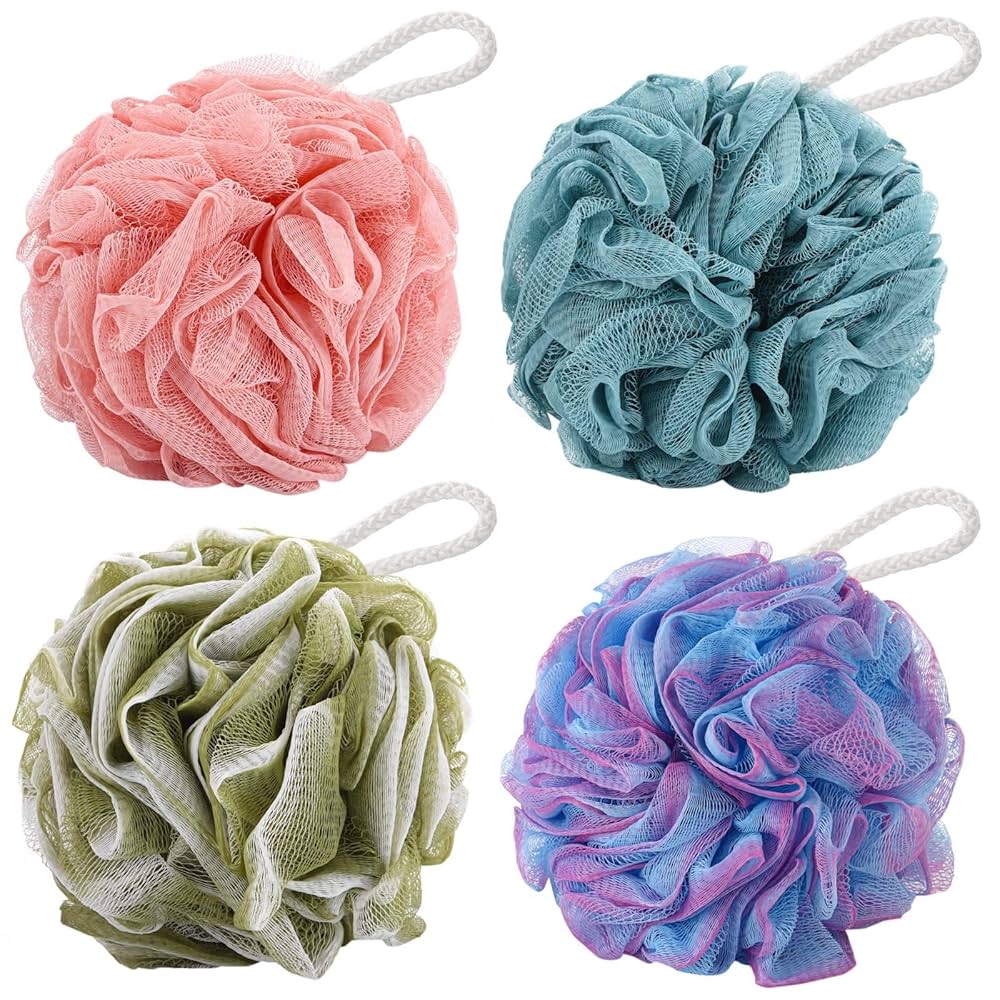
Credit: www.amazon.ca
Common Causes Of Bath Pouf Damage
Bath poufs often fall apart due to several common causes. These issues affect their durability and use. Understanding these causes helps extend your bath pouf’s life. Here are the main reasons why bath poufs get damaged.
Material Wear And Tear
Bath poufs are made from mesh or nylon, which weakens over time. Constant rubbing during use causes fibers to fray and break. This natural wear makes the pouf lose shape and strength. Frequent use speeds up this damage.
Exposure To Moisture
Bath poufs stay wet for long periods after use. This moisture encourages mold and mildew growth. Mold weakens the fabric and causes unpleasant odors. Poor drying conditions worsen this problem. Keeping the pouf dry is essential to prevent damage.
Improper Storage
Storing the bath pouf in damp, dark places harms it. Lack of air circulation traps moisture inside the mesh. Squashing or folding the pouf also damages its structure. Proper storage on a hook or dry spot helps maintain its shape and cleanliness.
Low-quality Manufacturing
Cheap bath poufs often use poor materials and stitching. Weak seams come apart quickly under regular use. Low-quality mesh tears more easily than durable fabric. Investing in a well-made pouf ensures longer use and less damage.
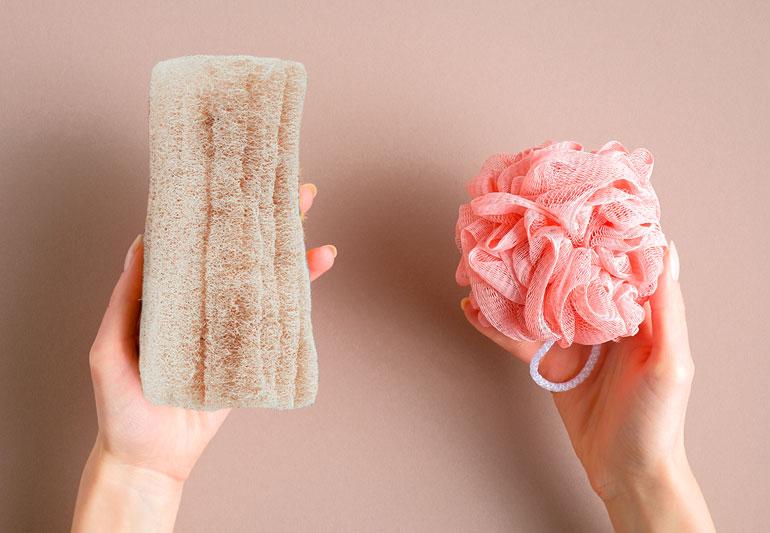
Credit: health.clevelandclinic.org
Signs Your Bath Pouf Is Falling Apart
Noticing your bath pouf falling apart can be frustrating, especially when it starts to lose its effectiveness. Recognizing the early signs helps you decide when it’s time to replace it, ensuring your skin stays clean and healthy. Let’s look at the key indicators that your bath pouf is on its last legs.
Fraying Edges
Have you seen the edges of your pouf start to unravel? Fraying edges are a clear sign that the material is breaking down. This happens because of constant exposure to water and friction during use.
Once you spot frayed edges, the pouf won’t scrub as well and can even shed bits of mesh that clog your drain. Don’t ignore this—fraying often leads to quicker deterioration.
Loose Threads
Loose threads hanging from your bath pouf are more than just annoying. They indicate weakened stitching, which can cause the pouf to fall apart in your hands.
If you find yourself pulling off loose threads regularly, it’s a hint that the pouf won’t last much longer. A well-made pouf should stay intact even after many uses.
Loss Of Shape
Does your bath pouf look deflated or flattened? Losing its original fluffy shape is a sign that the mesh is worn out. This affects how well it lathers and cleans your skin.
Using a pouf that has lost its shape feels less satisfying and may not exfoliate properly. If it doesn’t bounce back after drying, it’s time to get a new one.
Discoloration And Odor
Have you noticed your pouf turning dull or developing a strange smell? Discoloration often signals mold or bacteria buildup. This happens when the pouf stays damp too long without proper drying.
Persistent odor is a warning you should not ignore—it can lead to skin irritation or infections. Regularly check for these signs to keep your bathing routine safe and fresh.
Daily Habits That Affect Bath Pouf Durability
Ever wondered why your bath pouf seems to fall apart sooner than expected? The answer may lie in the daily habits that slowly degrade its durability. Let’s explore the key factors that might be causing your pouf to unravel before its time.
Overuse And Excessive Pressure
Using your bath pouf too frequently without giving it a break can significantly shorten its lifespan. If you scrub with excessive pressure, the delicate mesh might begin to tear. Consider being gentler and alternating between a pouf and a washcloth to extend its longevity.
Using Harsh Soaps
Not all soaps are created equal. Some harsh soaps can weaken the fibers of your bath pouf, causing it to deteriorate faster. Opt for milder, moisturizing soaps that are gentler on your pouf and your skin.
Not Allowing Proper Drying
Leaving your pouf in a damp environment encourages bacterial growth and weakens the material. Make sure you hang your pouf in a well-ventilated area to dry completely after each use. This simple habit can significantly enhance its durability.
Have you considered how these small adjustments could make a big difference in the lifespan of your bath pouf? Implementing these changes could save you money and keep your bath routine stress-free.
Tips To Prevent Bath Pouf Damage
Bath poufs often fall apart because of poor care or low-quality materials. Simple habits can keep your pouf in good shape longer. Focus on how you choose, clean, and store your bath pouf to avoid damage.
Choosing Quality Materials
Select bath poufs made from durable mesh or nylon. These materials resist tearing and last longer. Avoid very thin or cheap poufs that break easily. A good quality pouf feels sturdy and dense.
Rinsing And Drying Properly
Rinse your bath pouf thoroughly after each use. Remove all soap and shampoo residues. Shake out excess water gently. Hang it in a well-ventilated area to dry fast. Avoid leaving poufs in wet, humid places.
Regular Cleaning Methods
Clean your bath pouf weekly to stop bacteria growth. Use warm water and gentle soap or vinegar solution. Rinse well and squeeze out water carefully. Replace your pouf every few months to stay hygienic.
Storing In A Dry Place
Keep your bath pouf in a dry spot when not in use. Avoid storing inside the shower or damp areas. Use a hook or a breathable container. Dry storage stops mold and extends the pouf’s life.
How To Fix A Bath Pouf That’s Falling Apart
Bath poufs often fall apart due to frequent use and exposure to water. Fixing them can extend their life and save money. Simple repairs can restore your pouf’s shape and function quickly. Use easy tools and materials found at home or nearby stores. Small fixes prevent waste and keep your skin care routine smooth.
Simple Sewing Repairs
Sewing is a quick way to fix tears and loose edges. Use a needle and strong thread that matches the pouf color. Stitch the torn parts carefully to close gaps. Tie knots securely to avoid unraveling. Sewing helps hold the mesh layers together firmly. This repair strengthens your pouf for more uses.
Using Fabric Glue
Fabric glue works well for small holes and loose mesh. Apply a thin layer on damaged areas. Press the mesh gently and hold until it sticks. Let it dry fully before using the pouf again. Fabric glue is waterproof and flexible. It keeps the pouf intact without sewing.
Reinforcing With Mesh Replacement
Replacing worn mesh adds durability to your bath pouf. Cut a piece of mesh slightly larger than the damaged area. Attach it inside the pouf using sewing or fabric glue. Make sure edges are sealed to prevent unraveling. This method strengthens weak spots and restores puffiness. Mesh replacement can make your pouf feel new again.
When To Replace Your Bath Pouf
Knowing when to replace your bath pouf is key to maintaining a clean and effective bathing routine. Bath poufs wear out over time, and using one that’s falling apart can reduce its performance and even affect your skin’s health. Paying attention to certain signs helps you decide the right moment to toss the old and bring in a fresh one.
Signs It’s Beyond Repair
Is your bath pouf shedding pieces or losing its shape? These are clear signals it’s time to replace it. If you notice the mesh tearing or the pouf becoming limp and less bubbly, it’s no longer doing its job well.
Another sign is when it retains a foul odor despite regular washing. This means bacteria and mold have started to grow inside the fibers. At this point, cleaning won’t fix the problem, and replacing the pouf is the safest choice.
Health And Hygiene Concerns
Your bath pouf can become a breeding ground for bacteria, fungi, and dead skin cells if not replaced regularly. Using an old pouf may lead to skin irritation or infections, especially if you have sensitive skin.
Have you ever felt itchy or noticed redness after using a pouf? It might be time to think about hygiene, not just wear and tear. Keeping your bath pouf fresh is essential to protect your skin’s health.
Recommended Replacement Timeline
Experts suggest replacing your bath pouf every 3 to 4 weeks if you use it daily. This short timeline may surprise you, but it ensures you avoid buildup of germs and keeps your skin safe.
If you don’t use your pouf every day, replacing it every 1 to 2 months is still a good practice. Also, drying it thoroughly between uses can help extend its life, but don’t rely on this alone to prevent bacteria growth.
Ask yourself: Is your bath pouf still fresh and intact, or does it show signs of damage and smell? If you hesitate, it’s probably time to replace it.

Credit: www.amazon.ca
Frequently Asked Questions
Why Does My Bath Pouf Unravel Quickly?
Bath poufs unravel quickly due to low-quality materials or poor stitching. Frequent use and exposure to water weaken fibers, causing them to fall apart. Choosing a durable pouf and proper care can extend its lifespan.
How Can I Prevent My Bath Pouf From Falling Apart?
To prevent your bath pouf from falling apart, rinse it thoroughly after each use. Squeeze out excess water and hang it in a well-ventilated area to dry. Avoid harsh chemicals and replace it every 3 months for hygiene and durability.
Does Frequent Washing Cause Bath Poufs To Degrade?
Yes, frequent washing can degrade bath poufs. Harsh detergents and hot water weaken the mesh material. Instead, rinse with mild soap and water, and air dry to maintain its structure and prevent premature wear and tear.
Are Cheap Bath Poufs More Likely To Fall Apart?
Cheap bath poufs often use inferior materials and weak stitching, making them prone to falling apart. Investing in a high-quality pouf ensures better durability and longer use, saving money and frustration over time.
Conclusion
Bath poufs fall apart due to poor quality or frequent use. Water and soap can weaken the material over time. Rough handling or pulling makes them break faster. Choosing a strong pouf helps it last longer. Let it dry completely after each use to avoid damage.
Replace your bath pouf when it starts to tear. Taking these small steps keeps your pouf in good shape. Enjoy a clean and gentle shower every day.



