
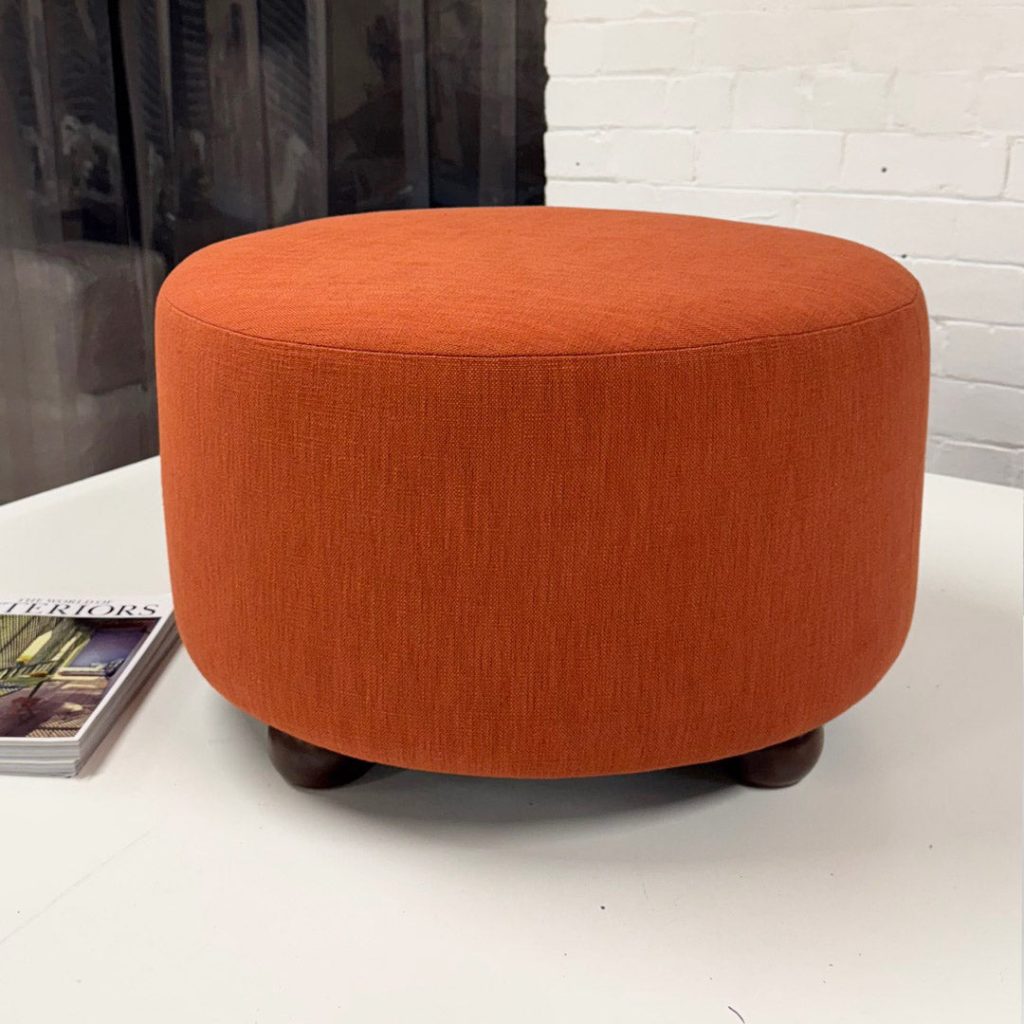
Have you ever wondered why the cozy piece of furniture in your living room is called an “Ottoman”? It’s more than just a name—it holds a story that connects your home to history and culture.
Understanding why an Ottoman is called an Ottoman can change the way you see this simple yet stylish seat. You’ll discover the surprising origins of the word and how it made its way into your everyday life. Keep reading, and you’ll never look at your Ottoman the same way again.
Credit: www.1stdibs.com
Ottoman Etymology
The term “Ottoman” holds a rich history that traces back to its linguistic and cultural roots. Understanding its etymology sheds light on how this name became linked with a famous empire and a popular piece of furniture. The origin of the word reflects deep historical connections and reveals interesting details about its background.
Roots Of The Name
The word “Ottoman” comes from the Arabic name “Uthman.” This name was adapted into Turkish as “Osman.” The transformation shows how languages change names over time. The name “Ottoman” is a European version of this Turkish name. It started to be used in the West to describe things related to the empire founded by Osman.
Connection To Osman I
Osman I was the founder of the Ottoman Empire in the late 13th century. His leadership marked the beginning of a powerful dynasty. The empire and its people were called “Ottomans” after him. This connection made the name famous worldwide. The furniture called an “ottoman” likely gained its name due to its association with the style and culture of the Ottoman Empire.
Historical Background
The name “Ottoman” has deep roots tied to history and culture, going beyond just a piece of furniture. Understanding the historical background gives you insight into why this term became so widespread and meaningful. It all starts with a powerful empire and a leader whose influence still resonates today.
Rise Of The Ottoman Empire
The Ottoman Empire began in the late 13th century, founded by a small Turkish tribe in Anatolia. Over centuries, it grew to control vast territories across Europe, Asia, and Africa. This empire became known for its military strength, trade, and cultural achievements.
Its name comes from Osman I, the empire’s first leader. You might find it interesting that the empire’s success was largely due to his ability to unite different tribes and create a strong, organized state. This rise changed the political landscape of the region dramatically.
Osman’s Legacy
Osman I’s legacy is not just political; it influenced culture and language. The word “Ottoman” literally derives from his name, Osman, showing the personal impact one leader can have on history. His leadership style and vision set the foundation for centuries of rule.
Have you ever thought about how names stick around and shape identities? The Ottoman Empire’s name was carried forward to describe many things, including the comfortable furniture piece we call an ottoman today. This connection between history and everyday objects reveals how deeply history affects our daily lives.
The Ottoman Empire’s Influence
The Ottoman Empire is named after Osman I, its founder. People called the rulers Ottomans because of his name, Osman. This name became a symbol of their power and legacy.
The Ottoman Empire’s Influence The term “ottoman” for the versatile piece of furniture we know today is deeply rooted in the rich history of the Ottoman Empire. This empire, which spanned over six centuries, left an indelible mark on the world, influencing art, culture, and daily life. Understanding its influence offers intriguing insights into why an ottoman is called an ottoman.Geographical Expansion
The Ottoman Empire stretched across three continents, covering parts of Europe, Asia, and Africa. This vast geographical reach allowed the empire to assimilate and influence a diverse array of cultures and traditions. Such a wide spread meant that the Ottoman style, including furniture design, found its way into the homes of many, making the ottoman a staple in living spaces across the empire.Cultural Impact
Culturally, the Ottoman Empire was a melting pot, blending elements from the East and West. This fusion resulted in a unique style that was both functional and luxurious, as seen in the design of the ottoman. The ottoman became synonymous with comfort and elegance, a reflection of the empire’s ability to merge practicality with artistry. Consider your own living room. How many elements have you adopted from cultures far and wide, often without even realizing it? The ottoman is a perfect example of how cultural influences travel across time and space, shaping the way we live today.Furniture And Terminology
The term “ottoman” in furniture is more than just a name; it reflects a rich history tied to culture and design. Understanding why this piece of furniture is called an ottoman helps you appreciate both its style and origin. Let’s look at how the terminology connects to its historical roots and practical use.
Origin Of Ottoman Furniture
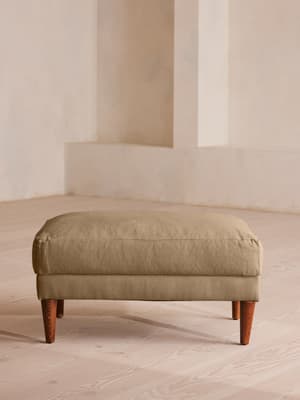
The ottoman originated in the Ottoman Empire during the late 18th century. It was initially a low, cushioned seat without a back or arms, designed for comfort and versatility. This piece was often placed in the middle of a room, allowing people to sit or rest their feet.
What makes the ottoman unique is its multifunctional design. Over time, it evolved from a simple seat to include storage space inside, making it both stylish and practical for modern homes. If you’ve ever used one, you might have noticed how it can serve as a coffee table, footrest, or extra seating all at once.
Link Between Empire And Furniture Name
The name “ottoman” directly links the furniture to the Ottoman Empire, which once spanned large parts of Southeast Europe, Western Asia, and North Africa. The empire’s influence on culture, art, and daily life extended to furniture styles that traveled far beyond its borders.
Many European countries adopted the ottoman style during the 19th century, fascinated by its exotic origin and comfortable design. This naming is a nod to the empire’s impact on lifestyle and interior decor. Have you ever wondered how many other everyday items carry the legacy of ancient empires in their names?
Modern Usage Of Ottoman
The term “Ottoman” has evolved far beyond its historical roots, finding a place in everyday language and culture today. Its modern usage reflects both its rich heritage and practical application in homes and design worldwide. Understanding how the word fits into current contexts can give you a fresh perspective on this familiar piece of furniture.
In Language And Culture
In everyday language, “ottoman” often refers to a type of furniture—a cushioned seat or footstool without a back or arms. But have you noticed how the word carries a subtle hint of elegance and tradition? This reflects its origin from the Ottoman Empire, linking the piece to a culture known for luxurious textiles and comfortable living spaces.
Language is always changing, and the word “ottoman” has grown to symbolize more than just a footrest. It’s used in interior design conversations to describe versatile furniture that can also offer storage or extra seating. You might even hear it in fashion, where “ottoman” fabric describes a ribbed, textured material, showing how the term has broadened over time.
Contemporary References
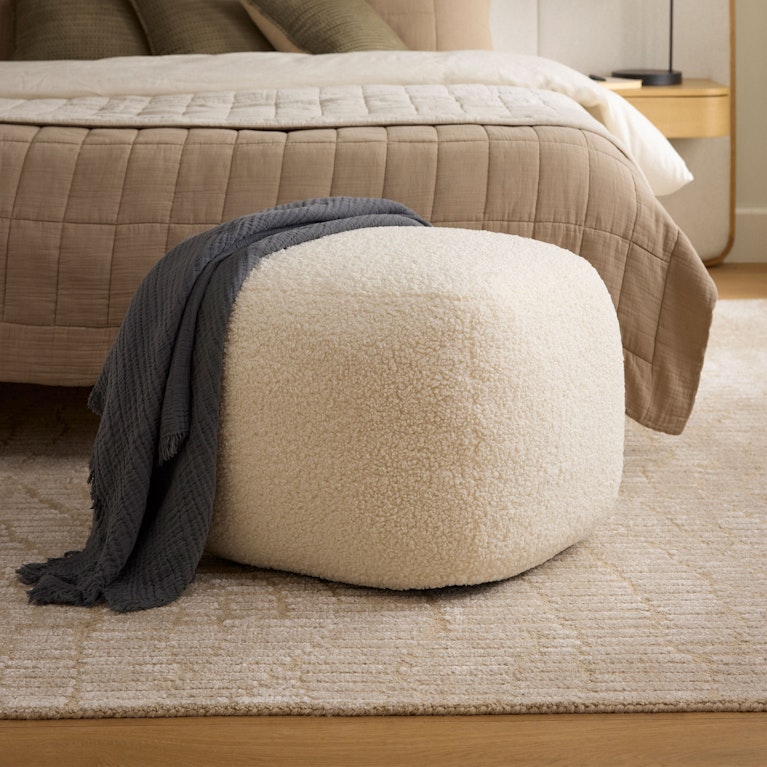
Today, ottomans appear in countless homes, from minimalist apartments to cozy living rooms. Many designers highlight their multifunctional nature—they serve as coffee tables, storage units, or simple accents. Have you tried using an ottoman to declutter your space or add a splash of color? It’s a practical solution that combines comfort with style.
In pop culture, ottomans pop up in movies and TV shows, often signaling a character’s taste or lifestyle. Think about a scene where someone kicks back with their feet on an ottoman—it’s a subtle way to show relaxation and sophistication. This widespread presence keeps the term alive and relevant, connecting a piece of history with your everyday life.
Credit: www.article.com
Credit: www.sohohome.com
Frequently Asked Questions
Why Is An Ottoman Called An Ottoman?
An Ottoman is named after the Ottoman Empire, where this furniture style originated. It reflects the empire’s cultural influence on home decor.
What Is The History Behind The Ottoman Furniture Name?
The term “Ottoman” dates back to the 18th century, inspired by the seating style popular in Ottoman Turkey. It became a symbol of comfort and luxury.
How Did Ottomans Become Popular In Western Homes?
Ottomans gained popularity in Europe as exotic, comfortable furniture. Their unique design and versatility made them a fashionable home addition.
Are Ottomans Related To The Ottoman Empire Culture?
Yes, Ottomans reflect the Ottoman Empire’s rich cultural heritage. Their design embodies the empire’s emphasis on comfort and elegance.
Conclusion
The name “Ottoman” comes from the Ottoman Empire. It shows the style and history behind this furniture. Ottomans first served as footrests and seats. Over time, they became popular in many homes. Today, they add comfort and style to rooms.
Knowing the origin helps you appreciate the piece more. It connects furniture to a rich cultural past. So, an Ottoman is more than just a seat. It carries history and function in one simple design.



