
Are you worried that bed bug heat treatment might damage your favorite wall stickers? You’re not alone.
When you’re dealing with a bed bug problem, the last thing you want is to lose the decorations that make your space feel like home. But how hot is too hot? And will this powerful treatment really ruin your wall stickers?
Keep reading to find out the truth and learn how to protect your walls while getting rid of those pesky bugs for good.

Credit: bedbugheatspecialist.com
How Bed Bug Heat Treatment Works
Bed bug heat treatment kills bed bugs by raising the room temperature. The heat seeps into every corner, reaching bugs and their eggs. It is a chemical-free way to get rid of bed bugs fast. This method uses controlled heat to destroy pests without leaving residue. Understanding the heat levels, treatment duration, and treated areas helps to know its effect on items like wall stickers.
Heat Levels Used
Heat treatment raises temperatures between 120°F and 140°F. This range is hot enough to kill bed bugs. It penetrates walls, furniture, and cracks where bugs hide. The heat is carefully controlled to avoid damage to most household items. However, delicate materials may react differently to these temperatures.
Treatment Duration
Treatment lasts from 3 to 8 hours depending on the infestation size. The heat must stay consistent to ensure all bugs die. Longer treatments increase the chance of reaching hidden eggs. Technicians monitor temperatures throughout the process for safety and effectiveness.
Areas Treated
The entire room or house is heated evenly. Common areas include bedrooms, living rooms, and closets. Heat reaches mattresses, bed frames, baseboards, and furniture. Walls, floors, and ceilings also experience the elevated temperature. This thorough approach targets every place bed bugs can hide.

Credit: atcpestcontrol.com
Materials Of Wall Stickers
Wall stickers come in different materials that affect their durability during heat treatment. Understanding these materials helps predict how they respond to high temperatures. The main types include vinyl and paper-based stickers. Each has unique traits and limits.
Common Vinyl Stickers
Vinyl stickers are popular for their flexibility and water resistance. They are made from thin plastic sheets with printed designs. Vinyl can handle some heat but might warp or peel if exposed to very high temperatures. The plastic may soften, causing the sticker to lose shape or stickiness.
These stickers often have a glossy or matte finish. They adhere well to smooth surfaces like walls, glass, or furniture. Vinyl’s durability makes it common for wall decorations, but heat treatment requires caution.
Paper-based Stickers
Paper stickers are thinner and less flexible than vinyl. They consist of printed paper with a sticky backing. These stickers can absorb moisture and are more sensitive to heat. High temperatures can cause paper to wrinkle, discolor, or fall off.
Paper-based stickers work best indoors and away from heat sources. They are less durable but easier to remove without damage. During heat treatment, these stickers are at higher risk of damage or removal.
Adhesive Types
Adhesives vary between permanent and removable types. Permanent adhesives bond strongly to surfaces but can degrade with heat. This can cause the sticker to lift or leave residue.
Removable adhesives are designed for easy peeling and may lose stickiness faster under heat. Some adhesives soften and spread, while others harden and crack.
The adhesive type is crucial for predicting sticker behavior during heat treatment. Vinyl or paper stickers with heat-resistant adhesives perform better. Checking the sticker’s adhesive quality helps protect wall art during pest control.
Heat Impact On Wall Stickers
When it comes to bed bug heat treatment, a common concern is whether it will damage your beloved wall stickers. These stickers add personality to your walls, but can they withstand the heat? Let’s dive into the potential effects that heat treatment might have on your wall stickers.
Potential Damage Risks
Heat treatments can indeed pose risks to wall stickers. The high temperatures used to eliminate bed bugs might cause the stickers to peel off the walls. If you’ve ever removed a sticker from a hot surface, you know how easily they can lose their grip. Consider checking the heat resistance specifications of your stickers before a treatment.
Sticker Adhesive Reactions
Have you ever left a sticker in a hot car? The adhesive might become gooey and less effective. Similarly, during heat treatment, the glue on wall stickers can soften, leading to slippage. You might notice that some stickers slide down or even fall off entirely. Ensuring the room is well-ventilated post-treatment can help the adhesive reset.
Color Fading Concerns
Heat can also affect the vibrancy of your stickers. Prolonged exposure to high temperatures might cause the colors to fade. This is particularly concerning for stickers with bright or dark shades. Consider using a protective sealant on stickers if fading is a major concern for you.
Are your wall stickers worth the risk, or should you temporarily remove them? Weighing these factors can help you decide the best course of action to maintain your home’s decor during pest control treatments.
Preventive Measures For Wall Stickers
Protecting wall stickers during bed bug heat treatment is important. High temperatures can damage stickers or cause them to peel. Taking preventive steps helps keep stickers safe and preserves your room’s decor. Simple actions before, during, and after treatment reduce the risk of damage.
Removing Stickers Before Treatment
Removing wall stickers before heat treatment is the safest option. Stickers may warp or lose adhesion from heat exposure. Gently peel off stickers without tearing. Use a hairdryer on low heat to soften the adhesive if needed. Store stickers flat in a cool place until treatment finishes. This prevents damage and makes reapplying easier.
Protective Covering Options
Applying protective coverings can shield stickers during treatment. Use heat-resistant materials like aluminum foil or thick plastic sheets. Secure coverings with painter’s tape to avoid residue on walls. Ensure coverings fit tightly to block heat and steam. This method protects stickers without removing them. Check coverings often to keep them in place during treatment.
Post-treatment Care
After heat treatment, inspect wall stickers carefully. Heat may loosen edges or fade colors slightly. Press stickers back firmly to reattach if needed. Clean gently with a soft cloth to remove dust or residue. Avoid harsh chemicals that can damage the adhesive. Allow walls to cool fully before touching stickers to prevent further damage.
Alternatives To Heat Treatment
If you’re worried that heat treatment might damage your cherished wall stickers, you’re not alone. Luckily, there are effective alternatives that protect both your home and your décor. These options provide powerful pest control without the risk of peeling or warping your stickers.
Chemical Treatments
Chemical treatments use specially formulated pesticides to target bed bugs without raising the temperature. These treatments can be applied directly to cracks, crevices, and even furniture, making them versatile for many spaces.
One key advantage is precision—you can treat affected areas without exposing your entire room to heat. Always check if the chemicals are safe for surfaces like wallpaper and wall stickers to avoid discoloration or damage.
Have you ever noticed how some sprays leave no residue while others stain? Choosing the right product can make all the difference in preserving your décor.
Cold Treatments
Freezing bed bugs is another effective way to eliminate them without heat. This method involves lowering the temperature below freezing for several days to kill all life stages of the bugs.
Cold treatments are less likely to harm your wall stickers since they don’t involve high heat. However, this option might require professional equipment or specialized bags to ensure the cold penetrates all hiding spots.
Is your home ready for a deep freeze? It’s important to consider how cold will affect other belongings as well.
Professional Pest Control Options
Pest control experts offer various treatments tailored to your needs, often combining methods for the best results. Professionals can assess your situation and recommend solutions that protect delicate items like wall stickers.
Many companies use integrated pest management, which balances chemical, cold, and heat treatments carefully. This approach minimizes risks to your décor while effectively removing pests.
Consulting a professional can save you time and prevent costly mistakes. Would you trust your wall stickers to a DIY approach, or prefer the expertise of a pro?
Real-life Experiences
Understanding how bed bug heat treatment affects your wall stickers can be tricky without hearing from those who have lived through it. Real-life experiences provide valuable insights that go beyond technical explanations. These stories highlight what actually happens to your decorative items during the high-temperature process.
Homeowner Stories
Many homeowners report that their wall stickers remain intact after heat treatment, especially those made of vinyl or laminated materials. One homeowner shared that their colorful decals stayed vibrant and adhesive, even after the heat reached 120°F for several hours.
However, some have noticed slight peeling or discoloration, particularly with older or paper-based stickers. If you treasure your wall art, it might be worth temporarily removing delicate stickers before treatment.
Have you considered how long your wall stickers have been on the wall? Older stickers might react differently to heat compared to newer ones.
Expert Opinions
Pest control professionals often advise that most commercial heat treatments operate within a safe temperature range for common wall decorations. They emphasize that proper ventilation and monitoring can prevent excessive heat buildup that could damage stickers.
Design experts suggest testing a small corner of your sticker before full exposure. This simple step can save you from unexpected damage.
Are you prepared to test your stickers or create a backup plan before treatment day?
Case Studies
| Case | Sticker Type | Heat Temp | Outcome |
|---|---|---|---|
| Apartment in NYC | Vinyl decals | 135°F for 4 hours | No visible damage, adhesive intact |
| Suburban Home | Paper stickers | 120°F for 3 hours | Minor peeling at edges |
| Office Space | Laminated wall stickers | 125°F for 5 hours | Colors slightly faded, structure sound |
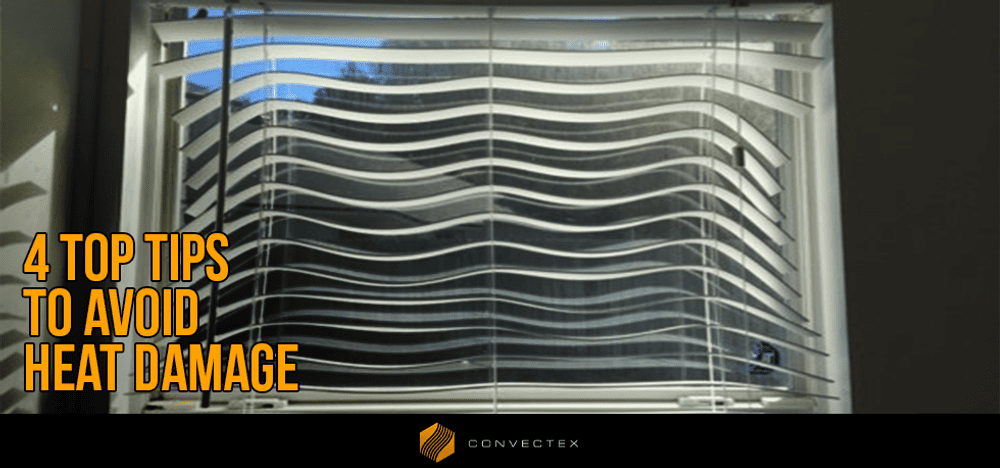
These case studies suggest that while heat treatment can impact wall stickers, the extent varies by material and heat exposure time. What type of stickers do you have, and how might they respond?
Credit: convectex.com
Frequently Asked Questions
Will Bed Bug Heat Treatment Damage Wall Stickers?
Bed bug heat treatment involves raising room temperature significantly. Most wall stickers can tolerate heat up to a point. However, excessive heat may cause peeling or warping. It is best to remove delicate stickers before treatment to avoid damage.
How Hot Is Bed Bug Heat Treatment?
Bed bug heat treatment typically reaches temperatures between 120°F and 140°F. This heat effectively kills bed bugs and their eggs. Such temperatures may stress wall stickers but usually won’t melt them. Still, precautions are advisable to protect fragile decorations.
Can Wall Stickers Withstand Pest Control Heat?
Wall stickers made of vinyl or thick plastic generally withstand pest control heat. Paper-based or thin stickers risk curling or discoloration. Removing or covering stickers before heat treatment is recommended. This ensures their appearance remains intact after pest control.
Should I Remove Wall Stickers Before Heat Treatment?
Removing wall stickers before heat treatment is a safe practice. It prevents heat-related peeling, warping, or adhesive loss. If removal is difficult, consider covering them with heat-resistant materials. This minimizes damage during the pest control process.
Conclusion
Bed bug heat treatment can affect wall stickers, but results vary. Some stickers may peel or fade due to high heat. Others might stay intact if made from strong materials. Protect stickers by removing them before treatment if possible. Always check with your pest control expert about risks.
Knowing what to expect helps you prepare better. Keep your home safe from bugs without losing your decorations. Choose the best way to protect both your walls and your peace of mind.



