
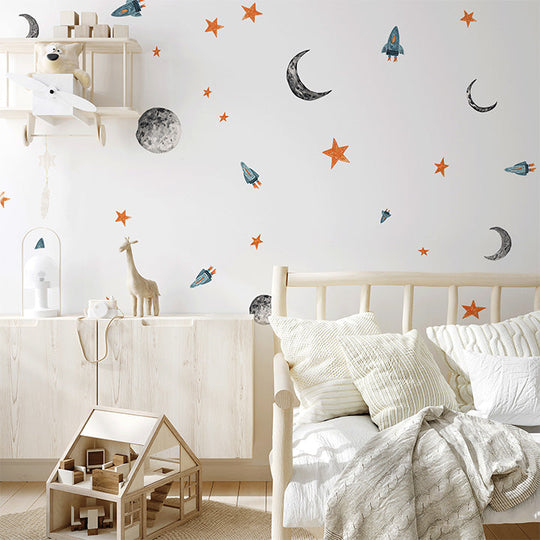
Are you thinking about adding some flair to your walls with wall stickers but worried they won’t stick to your textured walls? You’re not alone.
Many people face this exact dilemma and wonder if their walls’ rough surfaces will cause the stickers to peel off or not hold at all. Imagine finding the perfect design, only to have it fall down within days—that’s frustrating. But what if you could confidently decorate your textured walls without that worry?
Keep reading, because we’re about to reveal everything you need to know to make wall stickers stick and look amazing on your textured walls. Your decorating game is about to get a serious upgrade!

Credit: commomy.com
Wall Stickers And Textured Walls
Wall stickers offer a quick way to refresh a room’s look. Their success depends on the wall surface. Textured walls present special challenges for sticking. Understanding the types of textures and how they affect adhesion helps in choosing the right sticker.
Types Of Wall Textures
Textured walls have various finishes, each with unique patterns and roughness. Common types include:
- Orange Peel:Small, bumpy surface resembling an orange skin.
- Knockdown:Flattened, irregular patterns with smooth highs and rough lows.
- Popcorn:Thick, rough texture made from sprayed-on materials.
- Skip Trowel:Swirled, uneven plaster finish with raised areas.
- Sand Swirl:Circular patterns with gritty texture.
Each texture type influences how well a wall sticker will stick.
How Texture Affects Adhesion
Rough surfaces reduce the contact area between sticker and wall. Stickers may not fully touch the wall, causing weak adhesion. Fine textures like orange peel hold stickers better than thick ones like popcorn. Deep textures create gaps, making stickers peel off sooner.
Choosing wall stickers with strong adhesive backs improves sticking on textured walls. Preparing the wall by cleaning and smoothing bumps also helps. Testing a small sticker patch first checks if it will hold well.
Choosing The Right Wall Stickers
Choosing the right wall stickers makes a big difference on textured walls. Not all stickers stick well on uneven surfaces. Picking the correct material and adhesive type helps your wall art stay put longer. This section explains what works best for textured walls.
Materials That Work Best
Some materials grip textured walls better than others. Vinyl stickers are a strong choice. They are flexible and can adapt to small bumps and grooves. Fabric wall stickers also work well. Their soft texture allows them to mold around uneven surfaces. Avoid paper stickers, as they tear easily and peel off quickly.
Sticker Adhesive Types
The type of adhesive affects how well the sticker sticks. Removable adhesives are gentle but may not hold on rough textures. Permanent adhesives provide a stronger bond but can damage walls when removed. Look for adhesives labeled as “high tack” or “extra strong.” These have better grip on textured walls without causing damage.
Preparing Textured Walls
Preparing textured walls is essential before applying wall stickers. Textured surfaces can reduce sticker adhesion. Proper preparation helps stickers stick better and last longer.
Cleaning Techniques
Start by removing dust and dirt from the wall. Use a soft brush or vacuum cleaner with a brush attachment. This clears loose debris from the texture.
Next, wipe the wall with a damp cloth and mild soap. Avoid soaking the wall; use minimal water. Allow the wall to dry completely before applying stickers.
For grease or stains, use a gentle cleaner. Test the cleaner on a small area first. This prevents damage or discoloration.
Surface Smoothing Options
Some textures are too rough for stickers. Light sanding can smooth bumps and rough patches. Use fine-grit sandpaper and sand gently.
Another option is applying a primer or wall smoothing compound. This creates a flatter surface for better adhesion. Let the compound dry fully before sticking.
In extreme cases, consider adding a thin plywood or drywall panel. This provides a smooth, stable base for stickers.
Application Tips For Textured Surfaces
Wall stickers may not stick well on heavily textured walls due to uneven surfaces. Cleaning and smoothing the wall can improve adhesion and help stickers stay longer. Choose stickers made for textured walls for better results.
Applying wall stickers to textured surfaces can be a bit tricky. The texture of the wall can affect how well the stickers adhere. Yet, with the right approach, you can achieve a seamless look that transforms your space.Step-by-step Installation
Before you begin, ensure the wall is clean and dry. Dust and moisture can hinder adhesion. 1. Clean the Surface: Use a damp cloth to wipe down the wall, removing any dust or debris. 2. Test a Small Area: Before applying a large sticker, try a small piece to see how well it sticks. This helps you gauge whether additional preparation is needed. 3. Peel and Stick: Gently peel the backing off the sticker. Start from one edge, smoothing it onto the wall with a squeegee or a credit card to remove air bubbles. 4. Secure Edges: Press the edges firmly to ensure they adhere well to the textured surface. Taking your time with each step can make a big difference in the final result. Have you ever rushed through a project only to wish you hadn’t?Tools To Use
Using the right tools can make the application process smoother and more effective. – Squeegee or Credit Card: These help smooth out the sticker and remove air bubbles, ensuring a flat application. – Hairdryer: Applying a bit of heat can make the adhesive stick better to textured surfaces. Gently heat the sticker while smoothing it down. – Level: Ensure your stickers are straight by using a level. It’s especially useful for text or patterns that need precise alignment. These tools are often household items you already have. They can make your DIY project feel professional. What’s your go-to tool for sticking things to walls? By following these tips and using the right tools, you can successfully apply wall stickers even on textured surfaces. Your wall will look stylish and new, adding personality to your space.Common Issues And Fixes
Applying wall stickers to textured walls can be tricky, and you might face some common issues that affect their appearance and durability. Understanding these challenges helps you tackle them effectively, so your walls look great for longer. Here are some common problems and practical ways to fix them.
Peeling And Bubbling
Peeling often happens because textured surfaces don’t provide a smooth base for stickers to stick firmly. The uneven surface creates gaps where air gets trapped, causing bubbles to form under the sticker.
To reduce peeling and bubbling, try gently cleaning the wall first to remove dust and grease. You can also use a hairdryer on a low setting to warm the sticker after applying it, helping the adhesive soften and bond better to the texture.
Have you ever noticed bubbles appear after a few days? Pressing them out with a soft cloth or using a pin to release trapped air can save your sticker without damaging it.
Longevity Concerns
Stickers on textured walls might not last as long as on smooth ones because the adhesive wears down faster. Moisture and temperature changes can worsen this, especially in kitchens and bathrooms.
Consider sealing the sticker edges with a clear, non-yellowing varnish to protect against peeling. Also, choosing high-quality, removable wall stickers designed for textured surfaces can make a big difference.
Have you ever wondered why some stickers fade or curl over time? Regularly checking and gently cleaning around the edges can help maintain the sticker’s look and extend its lifespan.

Credit: shop.projectnursery.com
Alternative Decorating Ideas
Textured walls can be tricky when you want to add a personal touch without damaging the surface. If wall stickers don’t stick well, don’t worry—there are plenty of creative ways to decorate that work beautifully with uneven surfaces. Let’s look at some alternative ideas that can help you personalize your space without the hassle.
Using Washi Tape
Washi tape is a fantastic option for decorating textured walls. It’s lightweight and easy to remove, making it perfect for renters or those who like to change their decor often.
You can create patterns, borders, or even geometric shapes by layering different colors and designs. Since washi tape doesn’t rely on strong adhesive, it sticks better to rough surfaces without peeling paint or leaving residue.
Have you tried using tape art to brighten a dull wall? It’s a fun way to experiment with colors and designs without commitment.
Hanging Art Instead
Rather than sticking things directly on textured walls, consider hanging art pieces. Use nails, hooks, or even adhesive picture hangers designed for textured surfaces.
Framed prints, canvases, or woven wall hangings add depth and character. Plus, you can easily swap them out when you want a fresh look.
Think about grouping smaller pieces into a gallery wall. This approach draws attention away from wall texture and focuses it on your unique collection.

Credit: commomy.com
Frequently Asked Questions
Will Wall Stickers Stick Well On Textured Walls?
Wall stickers can stick to textured walls but may not adhere perfectly. Rough surfaces reduce the adhesive’s contact area, causing peeling or bubbling. Choosing high-quality, flexible stickers and cleaning the surface before application improves sticking. For best results, test a small area first.
How To Prepare Textured Walls For Wall Stickers?
Clean textured walls thoroughly to remove dust and dirt. Use a damp cloth and mild detergent if needed. Allow the surface to dry completely before applying stickers. Avoid using textured paint with rough or flaky finishes, as it hinders proper adhesion.
Are There Specific Wall Stickers For Textured Surfaces?
Yes, some wall stickers are designed for textured walls. These stickers use stronger adhesives and flexible materials. Vinyl and removable decals often work better on uneven surfaces. Look for products labeled as suitable for textured or rough walls.
Can Textured Walls Damage Wall Stickers Upon Removal?
Textured walls may cause wall stickers to peel unevenly or tear during removal. Stickers on rough surfaces have less grip, making removal easier but less clean. To minimize damage, remove stickers slowly and use heat or adhesive removers if necessary.
Conclusion
Wall stickers can work on some textured walls but not all. Smooth textures hold stickers better than rough ones. Clean the wall surface well before applying stickers. Press stickers firmly to avoid air bubbles or peeling. Test a small sticker piece first to see if it sticks.
Removing stickers may damage very rough surfaces. Choose stickers made for textured walls for best results. With patience, you can decorate textured walls successfully. Try simple designs and enjoy your refreshed space.



