
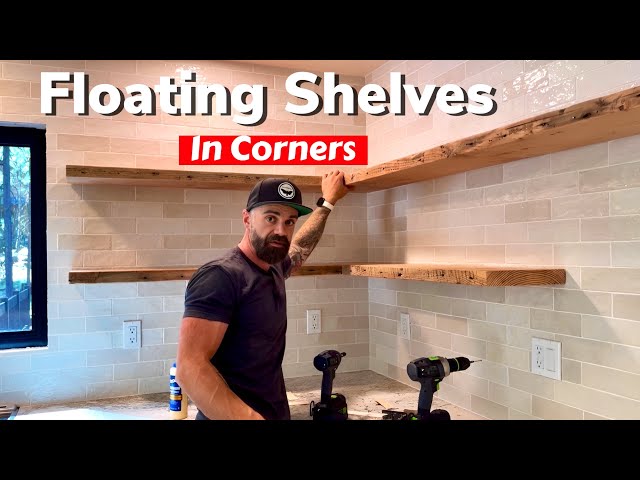
Are you looking to add style and storage to your space without bulky furniture? Floating shelves are the perfect solution—they look sleek and keep your walls clean.
But how do you attach them securely so they hold up over time? In this guide, you’ll discover simple, step-by-step tips to mount floating shelves safely and easily. Whether you’re a beginner or just want to avoid common mistakes, this article will help you get it right the first time.
Keep reading to transform your walls and make your room stand out!
Choosing The Right Floating Shelves
Choosing the right floating shelves is key to a successful wall installation. The perfect shelf matches your space, style, and needs. This choice affects both the look and function of your room.
Materials And Styles
Floating shelves come in many materials. Wood offers a warm, classic feel. Metal shelves give a modern, sleek look. Glass shelves add elegance and lightness. Choose a material that fits your room’s style.
Styles vary from simple and clean to ornate and detailed. Minimalist shelves suit small spaces well. Chunky shelves create a strong statement. Match the style to your decor for balance.
Weight Capacity Considerations
Check the weight each shelf can hold. Some shelves support only light items like small plants or decor. Others hold heavy books or kitchenware. Consider what you plan to store.
Look for shelves with strong brackets or hidden supports. These designs increase the weight limit. Proper weight support keeps shelves safe and stable.
Size And Shape Options
Shelves come in many sizes. Small shelves fit narrow walls or corners. Larger shelves offer more storage or display space. Pick a size that fits your wall without crowding it.
Shapes include rectangles, squares, and even triangles. Odd shapes add interest to plain walls. Choose shapes that complement your room’s layout. Proper sizing and shape improve both look and function.

Credit: chill-house.co.uk
Gathering Essential Tools And Materials
Before you start attaching floating shelves to your wall, gathering the right tools and materials is crucial. Having everything ready saves you time and reduces frustration. It also ensures your shelves are secure and look great once installed.
Tools You’ll Need
Think about the tools that make the job easier and safer. A reliable drill is essential for creating holes in the wall, especially if you’re working with drywall or masonry. A level helps you keep the shelves straight—no one wants a crooked display.
Other must-haves include a tape measure for precise spacing and a stud finder to locate wall studs, providing the best support. Don’t forget a pencil to mark your spots and a screwdriver for tightening screws. Sometimes, a hammer comes in handy if you need to insert anchors or nails.
Hardware And Mounting Kits
Your choice of hardware affects both the strength and appearance of the shelves. Most floating shelves come with mounting brackets or kits designed specifically for them. These kits usually include screws, wall anchors, and brackets that fit perfectly.
If your shelves didn’t come with a kit, you can buy universal mounting hardware. Make sure the anchors match your wall type—plastic anchors work for drywall, while toggle bolts are better for hollow walls. If you’re attaching shelves to studs, wood screws alone might be enough.
Have you checked if your shelves need special hardware because of their weight or material? Skipping this step can lead to shelves that sag or even fall off. Getting the right tools and hardware upfront helps you avoid these problems and keeps your project on track.
Preparing The Wall Surface
Preparing the wall surface is a crucial step before attaching floating shelves. It ensures the shelves stay secure and hold weight properly. Taking time to prepare the wall prevents future damage and keeps your shelves stable.
Locating Wall Studs
Wall studs provide strong support for floating shelves. Use a stud finder to locate them behind the drywall. Move the finder slowly across the wall until it signals a stud. Mark the edges of each stud with a pencil to find the center. Anchoring shelves into studs ensures better strength and safety.
Marking Drill Points
After finding the studs, mark where to drill holes. Hold the shelf bracket against the wall at the desired height. Use a pencil to mark the drill points on the studs. Make sure the marks are level and evenly spaced. Proper marking helps avoid crooked shelves and makes installation easier.
Checking For Obstacles
Check for hidden obstacles inside the wall before drilling. Pipes, electrical wires, and cables can cause damage if drilled into. Use a wire detector or stud finder with live wire detection. Avoid drilling near electrical outlets or switches. This step protects your home and ensures safe shelf installation.

Credit: www.youtube.com
Mounting Brackets Installation
Mounting brackets are the backbone of securely attaching floating shelves to your wall. They hold the shelf in place and ensure it can support the items you want to display. Getting the brackets installed properly is key to a sturdy and level shelf that lasts.
Drilling Pilot Holes
Start by marking the spots on the wall where the brackets will go. Use a pencil and a level to make sure these marks line up perfectly. Drilling pilot holes here helps prevent the wall from cracking and makes it easier to insert screws.
Choose a drill bit slightly smaller than your screws. This gives the screws a snug fit, improving stability. Have you checked if your wall is drywall, plaster, or brick? Each needs a different drill bit and anchors.
Securing Brackets To Wall
Once your pilot holes are ready, position the bracket over them and start driving in the screws. Use a screwdriver or drill with a screwdriver bit to keep the screws tight. If your wall is drywall, make sure to use anchors or find studs for extra support.
Secure brackets firmly but avoid over-tightening, which can strip the screws or damage the wall. Imagine the weight your shelf will carry; the brackets must feel solid and unmovable once installed.
Ensuring Level Alignment
Double-check the level after attaching each bracket. Even a slight tilt can make your shelf look off and cause items to slide. Use a spirit level and adjust before tightening screws fully.
Try placing the shelf on the brackets before finalizing the installation. Does it sit evenly, or does it wobble? Small adjustments now can save you from a frustrating redo later.
Attaching The Floating Shelf
Attaching the floating shelf is where your preparation meets execution. This part transforms the wall brackets and shelf pieces into a sturdy, functional display. Paying close attention here ensures your shelf not only looks great but holds firm over time.
Sliding Shelf Onto Brackets
Begin by aligning the shelf with the wall brackets. Make sure the holes or slots on the back of the shelf match the brackets’ arms perfectly.
Gently slide the shelf onto the brackets, applying even pressure to avoid damaging the finish or the wall. If the shelf feels stuck, double-check the alignment before forcing it.
Securing Shelf In Place
Once the shelf is on the brackets, it’s time to secure it. Most floating shelves have small screws or locking mechanisms underneath or inside the shelf.
Use a screwdriver to tighten these screws, ensuring the shelf doesn’t wiggle or slide off. If your shelf design includes additional brackets or clips, install them now for extra stability.
Final Adjustments
After securing the shelf, step back and check for levelness. Use a spirit level to confirm the shelf is perfectly horizontal.
Make small adjustments by loosening and retightening the screws if necessary. Ask yourself: does the shelf feel solid? If it moves, revisit the securing step to prevent future problems.

Credit: www.youtube.com
Safety Tips And Maintenance
Secure shelves firmly to avoid accidents and damage. Check wall studs before drilling. Regularly inspect shelves for loosening or wear to maintain safety.
Attaching floating shelves to a wall can elevate the style of any room, offering a sleek and modern storage solution. However, ensuring these shelves are both safe and easy to maintain is crucial for long-term satisfaction. By following some simple safety tips and regular maintenance practices, you can enjoy your floating shelves without worry.Weight Limits To Follow
Before loading your shelves with items, it’s important to check the weight limits specified by the manufacturer. These limits are based on the strength of the brackets and the material of the shelves. Exceeding them could lead to accidents or damage. Consider what you plan to place on the shelves. If you’re displaying heavy books or large decorative items, ensure the wall anchors and brackets can handle the load. I once learned this the hard way when a heavy vase caused a shelf to tilt—a reminder to always double-check weight capacities.Regular Checks And Cleaning
Regularly inspect your shelves for any signs of wear or instability. Tighten any loose screws and ensure the brackets are securely fastened to the wall. This simple check can prevent future mishaps and prolong the life of your shelves. Cleaning is another key aspect of shelf maintenance. Use a damp cloth to wipe away dust and debris, avoiding harsh chemicals that could damage the finish. It’s amazing how a quick clean can refresh the look of your shelves and keep them looking new. Have you ever discovered unexpected maintenance needs while cleaning or checking your shelves? Regular attention can reveal small issues before they become big problems.Frequently Asked Questions
How Do You Securely Attach Floating Shelves To Drywall?
Use wall anchors or toggle bolts rated for shelf weight. Locate studs with a stud finder. Drill pilot holes and fasten brackets tightly. Proper anchoring prevents shelves from sagging or falling, ensuring safety and durability.
What Tools Are Needed To Mount Floating Shelves?
Essential tools include a stud finder, drill, level, screwdriver, measuring tape, and pencil. These tools help locate studs, drill holes accurately, and ensure shelves are level and securely mounted.
Can Floating Shelves Hold Heavy Items Safely?
Yes, if anchored into wall studs or using strong anchors. Weight capacity depends on bracket type and installation quality. Always check manufacturer guidelines and avoid overloading shelves beyond recommended limits.
How Do You Find Studs For Floating Shelf Installation?
Use a stud finder to locate wooden studs behind drywall. Mark stud locations with a pencil. Anchoring shelves into studs provides maximum support and stability for heavier items.
Conclusion
Attaching floating shelves to a wall is simple with the right steps. Start by finding studs to support the weight. Use a level to keep shelves straight. Secure brackets firmly before placing shelves. Take your time for a neat, safe result.
These shelves add style and storage to any room. Try this easy project to improve your space today.



