
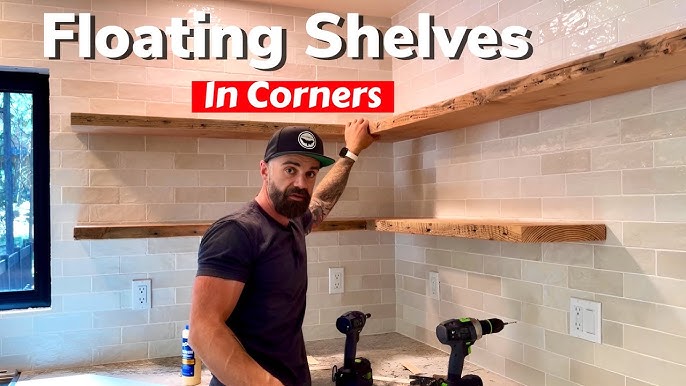
Are you looking to add style and extra storage to your space without cluttering your walls? Floating wall shelves are the perfect solution.
They look sleek, save floor space, and can transform any room instantly. But how do you put them up so they stay strong and secure? In this guide, you’ll learn simple, step-by-step tips to install floating shelves like a pro—even if you’ve never done it before.
Keep reading, and you’ll have beautiful shelves ready to hold your favorite books, plants, or decor in no time.

Credit: chill-house.co.uk
Choosing The Right Shelves
Choosing the right floating shelves is key to making your wall storage both functional and stylish. You want shelves that not only hold your items securely but also enhance the look of your space. Think about what materials, sizes, and styles will work best for your needs and the room’s vibe.
Materials And Styles
Floating shelves come in a variety of materials like wood, metal, glass, and even acrylic. Wood offers warmth and a classic feel, while metal can add a modern, industrial touch. Glass shelves look sleek and open up the space but may not hold as much weight.
Styles vary from rustic reclaimed wood to smooth, painted finishes or minimalist metal brackets. Which style fits your personality? Pick something that feels right for your room and the items you’ll display.
Size And Weight Considerations
Size matters when choosing floating shelves. Are you planning to display heavy books, delicate décor, or small plants? Make sure the shelf size matches the space on your wall and the items you want to put on it.
Check the weight capacity of the shelves and hardware. A thin, narrow shelf won’t support heavy objects safely. If you’re unsure, go for shelves with solid brackets and thicker materials for extra strength.
Matching Your Decor
Your shelves should blend seamlessly with your existing décor. Are your walls painted bright or neutral? Do you prefer a cozy, traditional look or sleek, modern lines?
Choosing shelves that complement your room’s color palette and furniture style helps create a cohesive look. Don’t be afraid to mix materials—for example, a wooden shelf with metal brackets can add interesting contrast.
Gathering Tools And Supplies
Gathering the right tools and supplies is the first step to install floating wall shelves smoothly. Having everything ready saves time and avoids frustration. It helps you work safely and get perfect results.
Below are the key items needed for this project. Prepare them before starting your shelf installation.
Essential Tools
- Drill with drill bits
- Level
- Stud finder
- Measuring tape
- Screwdriver
- Pencil for marking
- Hammer
Safety Gear
- Safety glasses to protect eyes
- Work gloves for hand protection
- Dust mask to avoid inhaling dust
Additional Materials
- Wall anchors for drywall support
- Screws that fit the shelf brackets
- Floating shelf brackets or mounting hardware
- Wood filler or putty for holes
- Sandpaper for smoothing surfaces
Preparing The Wall
Clean the wall surface to remove dust and dirt for better shelf adhesion. Locate studs using a stud finder to ensure strong support. Mark the desired shelf height clearly before drilling holes.
Preparing the wall is a crucial step when installing floating wall shelves. This phase ensures a sturdy and level installation. Proper preparation prevents future mishaps and enhances shelf longevity. Let’s explore how to prepare your wall effectively.Finding Studs And Marking Spots
Locate the studs in your wall using a stud finder. Studs provide essential support for heavy items. Mark their positions with a pencil. This will guide you during installation. Ensure marks are clear and visible.Measuring And Leveling
Measure the desired height for your shelves. Use a tape measure for accuracy. Mark this height on the wall. Next, use a spirit level to draw a straight line. This ensures your shelves are perfectly horizontal. Adjust marks if necessary.Cleaning The Surface
Clean the wall surface with a damp cloth. Remove dust and grime. A clean surface improves adhesive grip and prevents installation errors. Allow the wall to dry completely before proceeding.
Credit: www.youtube.com
Installing The Brackets
Installing the brackets for your floating wall shelves is a crucial stage that ensures stability and a clean look. This part requires careful attention to detail and the right tools. Let’s break down the process into manageable actions that will help you achieve a secure and perfectly aligned shelf setup.
Drilling Pilot Holes
Start by marking the exact spots where the brackets will be attached. Use a level to ensure these marks are perfectly horizontal. Drilling pilot holes before inserting screws prevents the wall from cracking and makes the process smoother.
Choose a drill bit slightly smaller than your screws. This helps the screws grip tightly and hold the bracket firmly. If you’re working with drywall, consider using anchors for extra support.
Securing Brackets
Once the pilot holes are ready, position the bracket and align it with the holes. Use a screwdriver or drill to insert screws firmly into place. Avoid overtightening, as this can strip the wall or damage the bracket.
Think about the weight your shelves will hold. If you plan to place heavy items, use longer screws or wall anchors to increase stability. Properly secured brackets mean your shelves won’t sag or fall over time.
Double Checking Alignment
After securing the brackets, double-check their alignment with a level once more. Even a small tilt can throw off the look and functionality of your shelves. Adjust screws slightly if needed before moving on.
Stand back and visually inspect the setup. Does it look straight to your eye? If something feels off, fix it now rather than after mounting the shelf. Remember, precise alignment makes all the difference in your finished project.
Mounting The Shelves
Mounting floating wall shelves requires careful attention to detail. Proper mounting ensures the shelves hold weight safely and look clean. This section covers attaching shelves, checking stability, and making final tweaks for a perfect fit.
Attaching Shelves To Brackets
First, align the shelf with the wall brackets. Hold the shelf firmly against the bracket hooks or screw points. Use screws provided with your shelf kit to secure it. Tighten screws evenly to avoid any tilt. Make sure screws sit flush to keep the look smooth.
Ensuring Stability
Test the shelf by pressing gently on different spots. The shelf should not wobble or shift. Check all screws again and tighten if needed. Use a level tool to confirm the shelf is perfectly horizontal. Stability prevents accidents and extends shelf life.
Final Adjustments
Look closely for gaps between the shelf and wall. Push the shelf firmly to close any gaps. Adjust screw tightness if the shelf is uneven. Clean the shelf surface and wall area for a neat finish. Your floating shelf is now ready to hold your items safely.
Styling Your Shelves
Styling your floating wall shelves turns simple storage into a beautiful display. Thoughtful decoration adds personality to any room. It also makes your shelves a focal point. Proper styling balances looks and function effortlessly.
Choosing Decorative Items
Select items that reflect your style and space. Mix different textures like wood, glass, and metal. Use plants to add life and color. Books bring warmth and a personal touch. Small art pieces or photos create interest and stories.
- Vases and candles for softness
- Small sculptures for character
- Framed photos for memories
- Succulents for easy greenery
Arranging For Visual Appeal
Place taller items at the back or corners. Layer objects to create depth and dimension. Group items in odd numbers for natural balance. Leave some space for a clean, uncluttered look. Change arrangements over time to keep it fresh.
- Stack books horizontally and vertically
- Mix shapes and sizes
- Use trays to group small items
- Keep a consistent color palette
Maintaining Balance And Functionality
Balance decorative items with practical ones. Keep everyday items accessible and neat. Avoid overcrowding to prevent a messy look. Use shelves to store items you use often. Regularly dust and rearrange to maintain charm and order.
- Combine decor and storage
- Use baskets or boxes for small items
- Keep frequently used items within reach
- Rotate displays seasonally
Troubleshooting Common Issues
Putting up floating wall shelves can be straightforward, but sometimes unexpected issues pop up. Troubleshooting these common problems helps you save time and avoid frustration. Let’s look at practical ways to handle the most frequent shelf challenges.
Dealing With Uneven Walls
Uneven walls can make it tricky to mount shelves level. Before drilling, use a level tool to check the wall surface. If the wall bumps or dips, consider using shims behind the mounting brackets to create a flat surface.
Another option is to fill small gaps with a bit of wall putty to stabilize the shelf. Have you ever noticed your shelf tilting slightly after installation? This simple adjustment can fix it without removing the entire setup.
Fixing Loose Shelves
A loose floating shelf often means the anchors aren’t holding properly. Double-check that you used the right anchors for your wall type—drywall, plaster, or concrete all need different support.
If the shelf wobbles, tighten the screws or add stronger anchors. Sometimes, the screw holes get stripped; in that case, try larger screws or insert wall plugs to improve grip. What’s your experience with loose shelves—did a quick fix work or did you have to start over?
Avoiding Overloading
Floating shelves look sleek but have weight limits. Overloading them can lead to sagging or falling, risking damage and injury. Always check the shelf’s weight capacity before placing heavy items.
Distribute weight evenly across the shelf surface and avoid piling too many books or décor in one spot. If you want to display heavier objects, consider installing additional brackets or choosing sturdier shelf models. How do you decide what stays on your floating shelves?

Credit: www.youtube.com
Frequently Asked Questions
How Do You Install Floating Wall Shelves Securely?
To install floating wall shelves securely, use a stud finder to locate wall studs. Mark and drill holes into studs. Insert heavy-duty anchors and screws. Attach the mounting bracket firmly. Slide the shelf onto the bracket for a strong, stable hold.
What Tools Are Needed For Floating Shelf Installation?
You need a stud finder, drill, level, screwdriver, tape measure, pencil, and anchors. These tools help ensure accurate placement and secure mounting. Having the right tools makes the installation easier, safer, and more precise.
Can Floating Shelves Hold Heavy Items Safely?
Floating shelves can hold heavy items if properly installed. Use strong brackets, secure into wall studs, and select sturdy shelf materials. Avoid overloading to prevent damage or accidents. Always check the shelf’s weight limit for safety.
How To Choose The Right Wall For Floating Shelves?
Choose a sturdy wall made of drywall with wood studs or masonry. Avoid hollow or weak walls without support. Use a stud finder to locate solid studs. Proper wall choice ensures shelf stability and prevents damage.
Conclusion
Floating wall shelves add style and storage to any room. Follow the steps carefully to install them safely. Measure well and use the right tools. Choose the best location for your shelves. Secure the brackets tightly to hold weight. Take your time and check your work.
Enjoy your new shelves filled with books or decor. Simple projects like this can change your space quickly. Try it yourself and see the difference it makes.



