
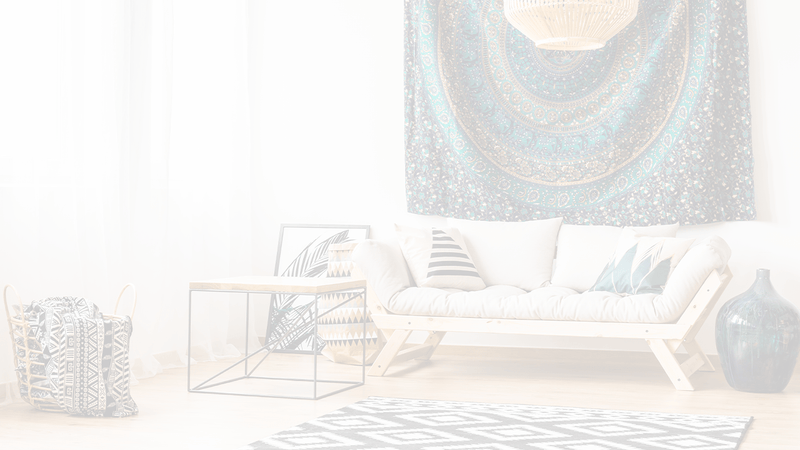
Are you looking to add a splash of color and personality to your space without spending a fortune? Hanging a tapestry on your wall is one of the easiest and most stylish ways to do just that.
But if you’ve ever wondered how to hang a tapestry so it stays put and looks amazing, you’re in the right place. You’ll discover simple, practical tips to transform your blank wall into a stunning focal point. Keep reading, and you’ll learn how to make your tapestry hang perfectly every time—no hassle, no damage, just beautiful results.
Credit: www.etsy.com
Choose The Right Tapestry
Choosing the right tapestry sets the foundation for a stunning wall display. The perfect tapestry not only fits your space but also reflects your style and mood. Think about the story you want your wall to tell before you pick one.
Select Size And Design
Size matters more than you might expect. A tapestry too small can look lost on a large wall, while an overly big one might overwhelm a cozy room. Measure your wall space carefully and imagine how much of it you want to cover.
Design plays a huge role in setting the vibe. Are you drawn to bold patterns that catch the eye or subtle prints that blend into the background? Consider how the colors and themes of the tapestry will interact with your existing decor.
Think about the room’s function too. A lively, colorful tapestry can energize a living room, but a calm, muted design might be better for a bedroom. What feeling do you want your tapestry to evoke every time you enter the room?
Consider Fabric Type
The fabric of your tapestry affects both its look and how easy it is to hang. Lightweight fabrics like cotton or polyester are easy to work with and hang flat against the wall. Heavier materials such as wool or woven tapestries add texture but may require stronger support.
Fabric also influences durability. If your tapestry will be in a sunny spot, pick materials that resist fading. For rooms with high humidity, like bathrooms, avoid fabrics prone to mold or mildew.
Touch the fabric if you can. Soft, smooth textures feel inviting, while rougher weaves add character. What kind of texture do you want to experience when you pass by your tapestry every day?
Pick The Best Wall Spot
Choosing the right spot on your wall is key to displaying a tapestry beautifully. The location impacts how the tapestry looks and how it fits with your room’s style. Picking the best wall spot makes sure the tapestry stands out and adds charm to your space.
Measure Wall Space
Start by measuring the wall area where you want the tapestry. Use a tape measure to get the width and height. Compare these numbers with the tapestry size. Leave some space around the edges for a balanced look. Avoid walls that are too small or too crowded with other decorations.
Check Lighting And Visibility
Good lighting helps your tapestry shine. Choose a spot with natural or soft light to highlight colors and details. Avoid direct sunlight that can fade the fabric. Make sure the tapestry is easy to see from different angles. A well-lit, visible spot makes your tapestry a room focal point.
Gather Necessary Tools
Gather a few basic tools like a measuring tape, level, and nails or hooks. These will help place the tapestry evenly and securely on the wall. Having everything ready saves time and makes hanging easier.
Gathering the right tools is crucial before hanging a tapestry. It ensures the process goes smoothly and prevents damage to your walls or the tapestry itself. Proper preparation can save time and effort.List Essential Supplies
Before you start, collect the necessary items. Here’s what you’ll need:- Tapestry:Choose the tapestry you want to hang.
- Measuring Tape:Measure the wall space and tapestry size.
- Pencil:Mark the spots for hanging.
- Level:Keep the tapestry straight.
- Hammer:Use it for nails or hooks.
- Nails or Hooks:Choose sturdy ones to support weight.
- Step Ladder:Reach high spots easily.
Optional Hanging Accessories
Consider these extras for a polished look:- Rods:Use them for hanging without wrinkles.
- Velcro Strips:Secure lightweight tapestries.
- Command Strips:Avoid wall damage, ideal for renters.
- Tapestry Clips:Easy to adjust and remove.
Prepare The Wall Surface
Preparing the wall surface is a crucial step before hanging your tapestry. It ensures your tapestry looks great and stays securely in place. Taking time to get this right saves you from future headaches like sagging or wall damage.
Clean And Smooth Area
Start by cleaning the wall where the tapestry will hang. Dust, dirt, and grease can prevent hooks or adhesive strips from sticking properly. Use a damp cloth with mild soap to wipe the area, then let it dry completely.
Check for any bumps, holes, or rough patches on the wall. These can cause your tapestry to hang unevenly or even damage the fabric. If you find imperfections, use a bit of spackle or filler and sand it smooth once dry.
Mark Hanging Points
Before putting any hooks or nails in, mark where you want the tapestry to hang. Use a pencil and a tape measure to find the exact spots. This step helps you avoid multiple holes in your wall and keeps your tapestry perfectly aligned.
Think about the tapestry’s size and weight when choosing your marks. For heavier pieces, marks should be closer to the edges and well supported. You might want to step back and visualize how it will look at eye level.
Use Hanging Methods
Choosing the right hanging method for your tapestry can make a big difference in how it looks and how easy it is to install. Each option has its own benefits, depending on your wall type, tapestry size, and whether you want a permanent or temporary setup.
Think about how often you might want to change your decor or move your tapestry. Would you prefer a damage-free solution or something more secure? These questions help narrow down the best way to hang your tapestry.
Command Strips And Hooks
Command strips and hooks are perfect if you want to avoid putting holes in your walls. They hold tapestries firmly and come off clean without leaving marks, which is ideal for renters.
Make sure your wall is clean and dry before applying the strips. Press firmly and wait for an hour or two before hanging the tapestry to ensure a strong hold.
Keep in mind, these strips work best with lightweight to medium-weight tapestries. Heavier fabrics might need additional support.
Nails And Pushpins
Nails and pushpins offer a simple and sturdy way to hang your tapestry, especially if it’s large or heavy. They provide strong support and allow you to display your tapestry flat against the wall.
If you’ve used nails before, you know it’s a quick fix. Just hammer the nail where you want the tapestry to hang, then gently drape or pin your fabric.
Consider the wall material: drywall nails are easy to use but may not hold on plaster or brick. Pushpins work well for lighter tapestries and can create a casual, textured look.
Rod And Clip Systems
Rod and clip systems give you a polished, gallery-like display for your tapestry. They make hanging and removing your tapestry easy, and they keep the fabric wrinkle-free.
You can find curtain rods or specialty tapestry rods with clips that hold the edges securely without damaging the material. This is a great choice if you want a professional look or need to swap out tapestries often.
Installing the rod requires wall anchors or brackets, so it’s more permanent but highly reliable. Would a sleek, frame-like display fit your room’s style?

Credit: americanartdecor.com
Position And Secure Tapestry
Positioning and securing a tapestry correctly enhances its beauty and keeps it in place. This step ensures the tapestry hangs flat and looks neat on your wall. Proper alignment helps avoid crooked or uneven displays that distract from the artwork.
Align Tapestry Evenly
Start by holding the tapestry against the wall at eye level. Use a level tool or measure from the ceiling for accuracy. Make sure both top corners sit at the same height. Adjust until the tapestry looks balanced and straight.
Mark the spots for nails or hooks lightly on the wall. Use painter’s tape to protect your wall while adjusting. Double-check the alignment before securing the tapestry.
Check For Wrinkles And Sagging
Once hung, step back and inspect the tapestry surface. Smooth out any wrinkles gently by hand. Pull the tapestry slightly taut at the corners to reduce sagging.
Use small pins or clips on the back if needed to tighten loose areas. Avoid over-stretching, which can damage the fabric. Regularly check the tapestry to keep it looking fresh and flat.
Maintain Your Tapestry Display
Keeping your tapestry looking vibrant and fresh requires ongoing care. Maintaining your tapestry display not only preserves its beauty but also extends its life. Simple habits and attention to detail can make a big difference.
Regular Cleaning Tips
Dust can settle quickly on tapestries, dulling their colors. Use a soft brush or a vacuum with a gentle brush attachment to remove dust weekly. Avoid using harsh chemicals; instead, opt for mild detergent if a deeper clean is necessary.
Spot cleaning is your best friend for small stains. Dab gently with a damp cloth and mild soap—never rub aggressively. Have you noticed how quick, light care keeps your tapestry looking new longer?
Protect From Sun Damage
Sunlight can fade your tapestry over time, especially if it’s in direct light. Try to hang it where it gets indirect or filtered sunlight to protect the colors. If relocating isn’t an option, consider UV-protective window films or curtains.
Rotating your tapestry occasionally can also prevent one side from fading unevenly. Have you thought about how subtle changes in placement might preserve your art’s vibrancy?

Credit: www.youtube.com
Frequently Asked Questions
How Do I Hang A Tapestry Without Damaging Walls?
Use adhesive hooks or removable mounting strips. These options hold tapestries securely and peel off cleanly. Avoid nails or screws on delicate surfaces to prevent damage.
What Tools Are Needed To Hang A Tapestry?
Basic tools include measuring tape, level, and hooks or nails. Optional items: a rod pocket or curtain rod for a neat finish. Choose tools based on wall type and tapestry weight.
Can I Use Thumbtacks To Hang A Tapestry?
Thumbtacks work well for lightweight tapestries and soft walls. Avoid heavy tapestries as tacks may not support the weight or could cause damage.
How High Should I Hang A Tapestry On A Wall?
Hang the tapestry at eye level for best visibility. Center it on the wall to create a balanced, appealing look. Adjust height based on room layout and furniture placement.
Conclusion
Hanging a tapestry can change any room’s look quickly. Choose the right method based on your wall and tapestry type. Use nails, hooks, or rods for strong support. Keep the tapestry smooth and straight for best display. Regularly check to keep it secure and clean.
Enjoy the new style and cozy feel it adds. Simple steps bring big changes to your space. Try different placements until it feels just right. Your walls can tell a story with a tapestry.



