
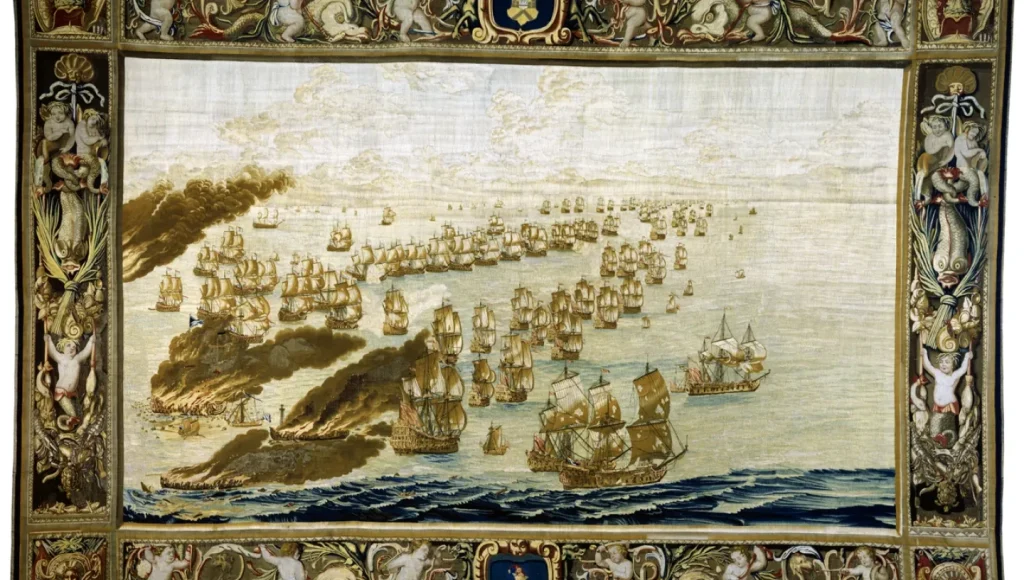
Have you ever wondered when large scale tapestry production really took off? Understanding the origins of these intricate woven artworks can change the way you see history and art.
Tapestries are not just beautiful decorations; they tell stories, show power, and reveal the skills of entire communities. You’ll discover the surprising time period when large scale tapestry making began and why it became so important. By the end, you’ll have a clear picture of how this craft grew from simple weaving to grand masterpieces that still captivate us today.
Keep reading to uncover the fascinating story behind large scale tapestry production.
Early Textile Art Origins
The origins of large scale tapestry production trace back to the earliest days of textile art. Understanding these beginnings offers insight into how human creativity and technology evolved together. Textile art started as a practical craft but soon became a form of expression and storytelling.
Ancient Weaving Techniques
Weaving is one of the oldest methods humans used to create fabric. Ancient weavers used simple tools like looms and spindles to interlace threads. The technique involved crossing vertical warp threads with horizontal weft threads to form a sturdy cloth.
Different cultures developed unique weaving styles. For example, Egyptians mastered linen weaving, while early Chinese artisans worked with silk. These techniques laid the groundwork for complex tapestry production by teaching control over thread tension and pattern creation.
Have you ever tried weaving on a small loom? It’s a hands-on way to appreciate the skill involved and why large scale tapestry required advanced tools and knowledge.
Prehistoric Textile Evidence
Textile art dates back thousands of years, long before written history. Archaeologists have found fragments of woven fabrics in caves and ancient settlements. These pieces suggest that prehistoric communities valued textiles not just for clothing but also for decoration.
Tools like bone needles and spindle whorls discovered in ancient sites indicate early textile production. Some of the oldest examples come from around 7000 BCE, showing that humans mastered basic weaving quite early. These findings challenge us to think about how much we rely on textiles even today.
Imagine how these early weavers passed down their skills without formal education. What does this tell you about the importance of community and tradition in art?
Credit: www.rmg.co.uk
Medieval Tapestry Emergence
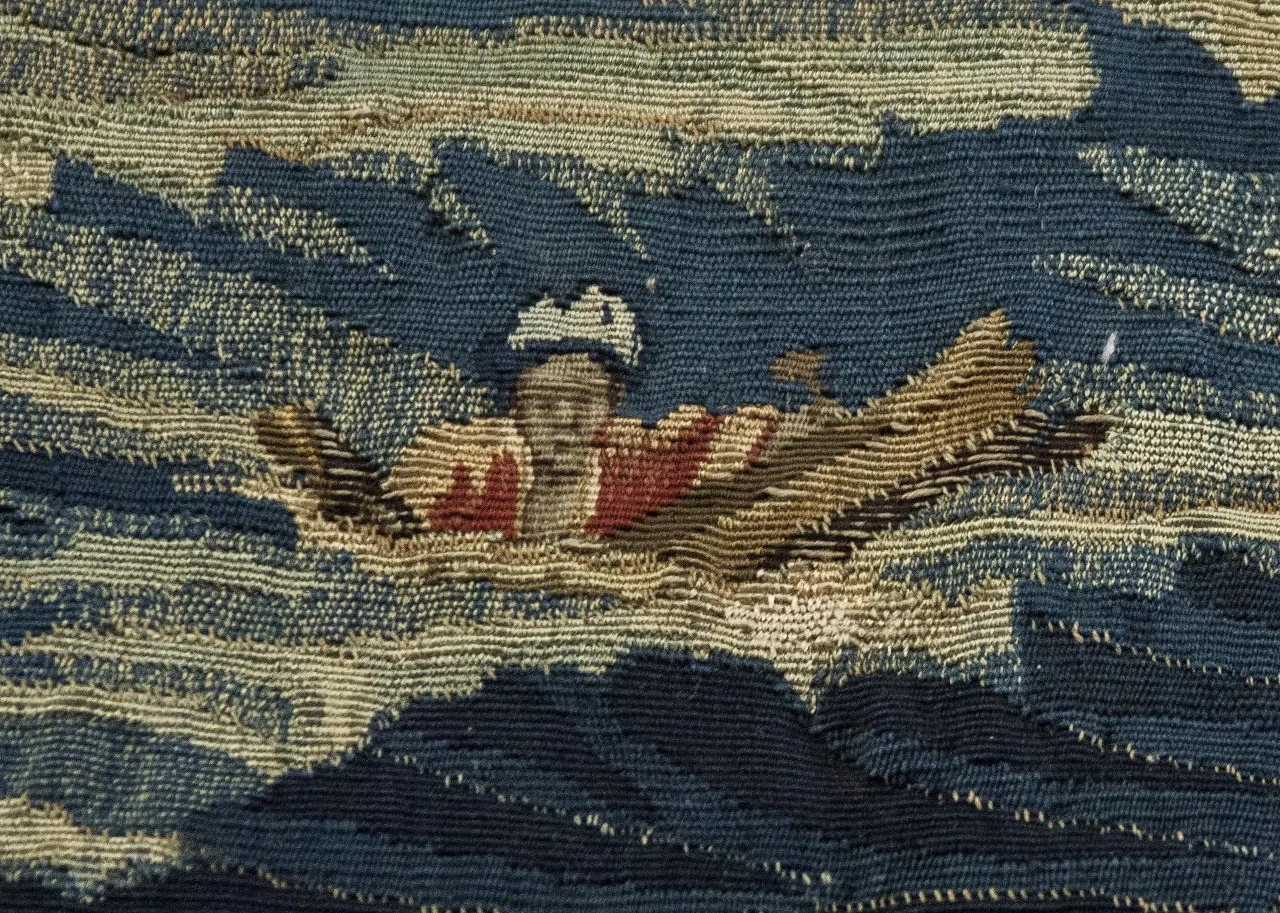
Large scale tapestry production began to flourish during the medieval period. This era marked the rise of tapestry as a significant art form in Europe. Tapestries became more than just decorative pieces. They told stories, showed power, and added warmth to cold stone castles. The craft evolved with skilled weavers creating detailed and colorful designs. These works required time, talent, and resources, reflecting the importance of tapestries in medieval society.
Rise In European Courts
European courts were key players in tapestry production. Nobles and royalty wanted tapestries to display wealth and status. Tapestries decorated halls and chambers during important events. They also symbolized power and prestige. The demand led to workshops specializing in large, complex tapestries. These workshops often worked directly for the court. This close relationship boosted the craft’s growth and refinement.
Religious And Royal Commissions
Many tapestries came from religious and royal commissions. Churches ordered tapestries to illustrate biblical stories and saints’ lives. These works helped educate the public, many of whom could not read. Kings and queens also commissioned tapestries to celebrate victories and lineage. These projects were costly and took years to finish. The high value placed on these tapestries showed their cultural and spiritual importance.
Growth Of Tapestry Workshops
Large-scale tapestry production began in the late Middle Ages, driven by growing demand from churches and nobility. Workshops expanded as techniques improved, making tapestries more detailed and accessible. This growth marked a key period in textile art history.
The growth of tapestry workshops marked a significant era in textile arts. These workshops transformed tapestry production from small-scale to large-scale endeavors. Artisans created intricate designs, depicting stories and historical events. Tapestries adorned castles, churches, and homes, becoming symbols of wealth and status. This surge in production required organized centers, skilled artisans, and structured guilds.Centers Of Production
During the Middle Ages, several regions became renowned for tapestry production. France and Flanders were leading centers. The city of Arras in France produced exquisite tapestries. Flanders, now part of Belgium, was another key hub. Workshops here crafted tapestries with vibrant colors and intricate details. Italy and England also emerged as important centers, contributing unique styles. Each region developed its signature designs, influencing tapestry art across Europe.Guilds And Artisan Roles
Guilds played a crucial role in organizing tapestry production. They regulated quality, prices, and training of artisans. Membership in a guild was prestigious, offering artisans protection and rights. Artisans in workshops had specialized roles. The master weaver was the lead, guiding the entire process. Journeymen assisted and learned from masters. Apprentices started at a young age, mastering skills over years. This hierarchy ensured the production of high-quality tapestries, maintaining the art’s esteemed reputation.Technological Advances In Weaving
The rise of large scale tapestry production owes much to key advances in weaving technology. These improvements made weaving faster and more efficient. They allowed weavers to create larger and more detailed tapestries. The evolution of tools and materials played a vital role in this growth.
Loom Innovations
Early looms were simple and limited in size. Over time, weavers developed bigger and more complex looms. These new looms could hold wider fabrics, enabling the creation of large tapestries.
The introduction of the horizontal loom allowed better control over the weaving process. This innovation improved the speed and precision of weaving. Weavers could now work on intricate patterns with greater ease.
Other innovations included the use of treadles. Treadles freed the weaver’s hands by controlling the loom’s harnesses with foot pedals. This change increased productivity and reduced physical strain.
Material Improvements
Material quality greatly affected tapestry production. Advances in dyeing techniques produced brighter and longer-lasting colors. This made tapestries more attractive and durable.
The availability of fine wool and silk improved the texture of tapestries. These materials allowed for detailed designs and smooth finishes. The blend of different fibers added richness to the final product.
Stronger and more flexible threads reduced breakage during weaving. This helped weavers maintain consistent quality and speed. The combination of better materials and tools led to the growth of large scale tapestry production.
Economic Impact Of Large Scale Production
The economic impact of large scale tapestry production reached far beyond the weaving rooms. It shaped trade routes, influenced wealth distribution, and created new job opportunities. Understanding this impact helps you see how art and commerce intertwined to boost entire economies.
Trade And Export
Tapestries became valuable commodities that traveled across borders. Cities known for tapestry production, like Arras and Brussels, turned into bustling trade hubs. Merchants exported these textiles to royal courts and wealthy households across Europe.
This trade created a steady income stream and encouraged improvements in transportation and market networks. You might be surprised to learn that tapestries sometimes served as diplomatic gifts, strengthening political ties. How does this historical trade model compare to how luxury goods move globally today?
Patronage And Market Demand
The rise in tapestry production was closely tied to growing patronage from nobility and the church. Wealthy patrons commissioned large works to display status and power. This demand pushed workshops to increase output and experiment with designs.
Workshops had to hire more skilled artisans and apprentices, creating jobs and specialized crafts. If you’ve ever wondered how art influenced local economies, this is a clear example. Could your own community benefit from supporting local artisans in a similar way?
Famous Historical Tapestries
Famous historical tapestries offer a vivid window into the past, showing not just artistic skill but also the stories and values of their time. These grand textile artworks were more than decoration; they recorded history, celebrated culture, and displayed power. When you look closely at these tapestries, you can discover details about daily life, mythology, and even politics from centuries ago.
The Lady And The Unicorn
This series of six tapestries is often called one of the greatest masterpieces of medieval art. Created around the late 15th century, it symbolizes the five senses and a mysterious sixth sense, often interpreted as love or understanding. When you see these tapestries, notice the rich colors and detailed figures—they reflect the skill and patience required for large-scale tapestry work.
If you ever visit the Musée de Cluny in Paris, you can experience these tapestries firsthand. Seeing them up close helps you understand how these works were designed to impress and tell stories at the same time. It makes you wonder about the patience and expertise needed to create such intricate designs with thread.
The Apocalypse Tapestry
Commissioned in the 14th century, this tapestry set vividly illustrates the Book of Revelation. It’s one of the largest and most well-preserved medieval tapestries in existence. The dramatic scenes capture the end of the world with striking colors and dynamic compositions.
The Apocalypse Tapestry was made to communicate complex religious ideas to people who couldn’t read. Think about how important visual storytelling was before the age of books and digital media. When you study these tapestries, you see how art served as a bridge between knowledge and the everyday viewer.
Legacy And Influence On Modern Textile Art
The legacy of large scale tapestry production stretches far beyond its historical origins. It continues to shape modern textile art in unexpected ways. Understanding this influence helps you appreciate how traditional craftsmanship meets contemporary creativity.
Contemporary Tapestry Revival
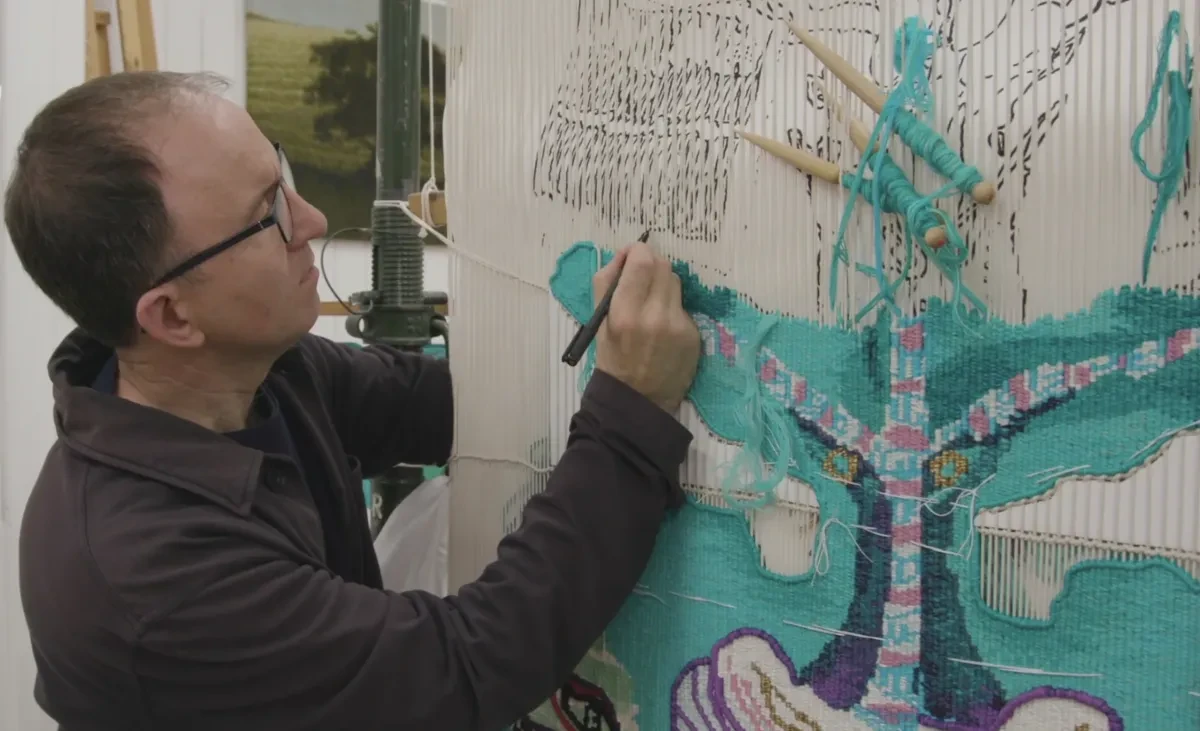
Modern artists are bringing tapestry back into the spotlight. They combine old weaving techniques with new materials and bold designs. This revival shows that tapestry isn’t just a relic; it’s a living art form that adapts to your tastes and spaces.
You might notice contemporary tapestries in galleries or even as statement pieces in homes. These works often challenge traditional themes, reflecting current social and cultural issues. Have you ever considered how a tapestry could tell your story or inspire your environment?
Cultural Significance Today
Tapestry remains a powerful cultural symbol. It connects communities to their history while encouraging cultural exchange through textile art. You can see this in festivals, museums, and artisan markets worldwide.
Many cultures use tapestry to preserve identity and pass down stories. This ongoing significance invites you to explore textile art not just as decoration but as a meaningful cultural dialogue. What stories do your textiles tell?

Credit: en.wikipedia.org
Credit: www.rmg.co.uk
Frequently Asked Questions
When Did Large Scale Tapestry Production Start?
Large scale tapestry production began in the late Middle Ages, around the 14th century. This period saw increased demand from churches and nobility for decorative wall hangings.
Where Were Early Tapestries Primarily Made?
Early tapestries were primarily made in Flanders and France. These regions became famous for producing high-quality, detailed tapestries during the 14th and 15th centuries.
What Materials Were Used In Early Tapestry Making?
Wool and silk were the primary materials used in early tapestry making. These fibers allowed for rich colors and intricate designs, making tapestries valuable artworks.
Why Did Large Scale Tapestry Production Grow In The Middle Ages?
Demand from wealthy patrons and churches fueled tapestry production growth. Tapestries served both decorative and insulation purposes in large stone buildings.
Conclusion
Large scale tapestry production began in the late Middle Ages. It grew as demand for wall art and insulation increased. Skilled artisans worked in workshops to create detailed designs. Tapestries showed stories, history, and wealth of owners. This craft became important in Europe’s culture and economy.
Today, tapestries remind us of art’s rich history. They still inspire artists and collectors worldwide. Understanding their origins helps appreciate this unique art form more. A fascinating blend of skill, history, and creativity.



