

Are you looking to transform your space in a unique and cozy way? Hanging a tapestry on your ceiling can instantly add color, texture, and personality to any room.
But maybe you’re wondering how to do it without damaging your ceiling or struggling with complicated tools. In this guide, you’ll discover simple, effective methods to hang your tapestry safely and beautifully. Keep reading, and you’ll learn easy tricks that make your room feel more inviting—without the hassle.
Your perfect ceiling makeover is just a few steps away!
Choosing The Right Tapestry
Choosing the right tapestry is key to creating a beautiful ceiling display. The right fabric, size, and design make a big difference. It can enhance the room’s style and feel. Consider the room’s purpose and your personal taste. This helps pick a tapestry that fits well and looks great.
Material And Size Considerations
Choose tapestry material carefully. Lightweight fabrics like cotton or polyester work best. They hang easily and don’t stress the ceiling. Heavy materials may need extra support and can sag.
Size matters a lot. Measure your ceiling space before buying. The tapestry should cover the area without overcrowding. Large tapestries make a bold statement. Smaller ones add subtle charm.
Designs That Suit Ceilings
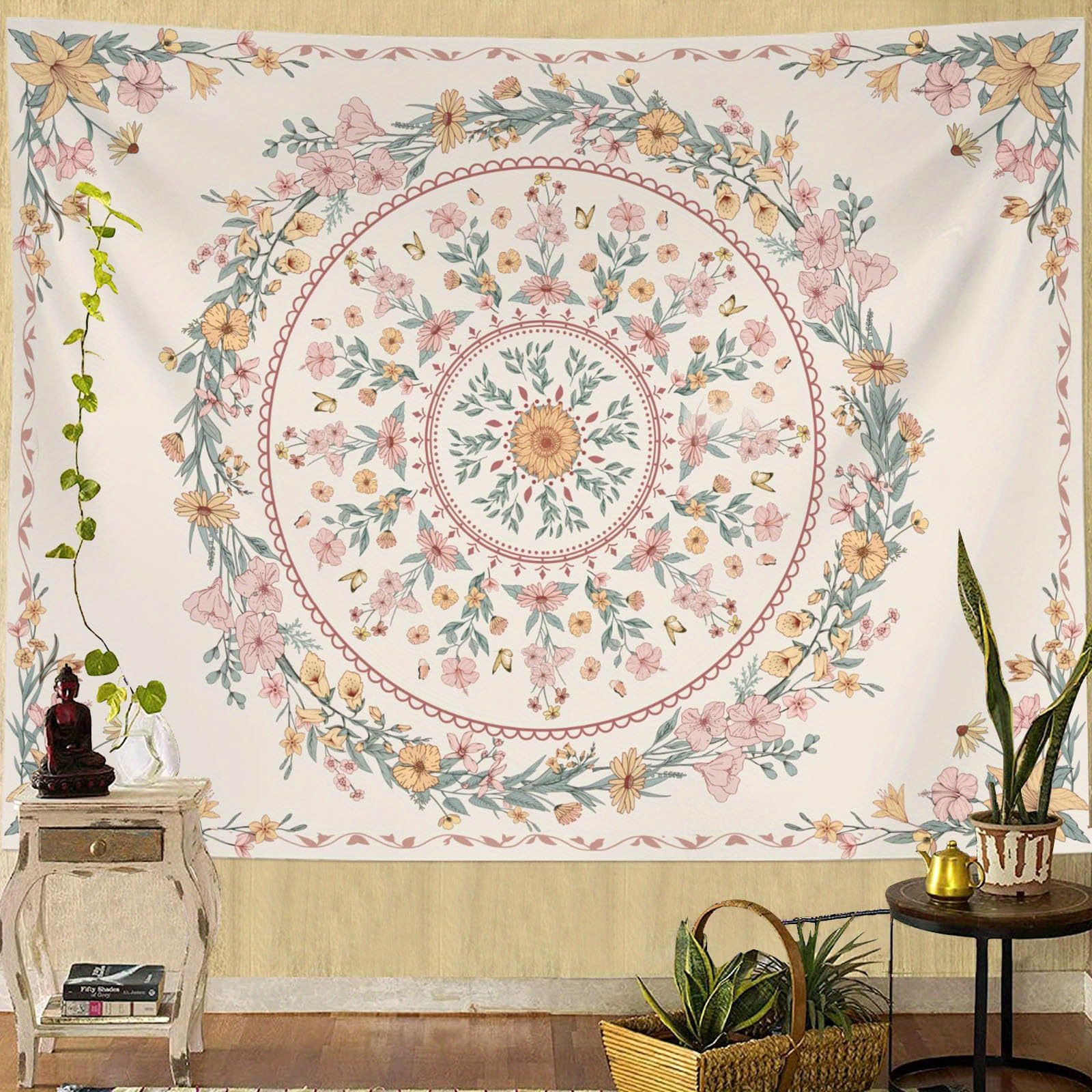
Ceiling tapestries should have designs that draw the eye upward. Patterns with radial symmetry or mandalas work well. They create a sense of balance and focus.
Light colors brighten the room and add airiness. Dark colors create a cozy, intimate atmosphere. Choose designs that match your room’s style and mood.

Credit: www.reddit.com
Preparing Your Ceiling
Preparing your ceiling is a key step before hanging a tapestry. This step ensures the fabric stays secure and looks great. Taking the time to prepare helps avoid damage to both the tapestry and the ceiling. A clean, well-marked surface makes the hanging process smoother. Let’s explore how to get your ceiling ready for the tapestry.
Measuring And Marking
Measure the ceiling space where you want the tapestry. Use a tape measure for accuracy. Mark the spots with a pencil lightly. These marks will guide where to place hooks or nails. Double-check the measurements to keep the tapestry centered. Even spacing prevents the fabric from sagging or looking crooked.
Cleaning The Surface
Clean the ceiling area before attaching anything. Dust and dirt can reduce the tape or adhesive’s hold. Use a damp cloth or mild cleaner to wipe the surface. Let the ceiling dry completely before hanging the tapestry. A clean surface helps the hanging materials stick better. It also protects the ceiling from stains or damage.
Tools And Materials Needed
Hanging a tapestry on the ceiling can create a cozy vibe. The right tools and materials ensure a secure and stylish display. This guide covers what you need to start.
Essential Hanging Supplies
- Tapestry: Choose one that fits your ceiling space.
- Hooks: Use ceiling hooks for a strong hold.
- Adhesive Strips: Choose heavy-duty strips for a damage-free option.
- Ladder: Ensure safety and reach the ceiling easily.
- Measuring Tape: Measure to position the tapestry correctly.
- Pencil: Mark spots for hooks or strips.
Optional Decorative Accessories
- String Lights: Add a warm glow around your tapestry.
- Decorative Clips: Use colorful clips for a fun touch.
- Fabric Weights: Keep the tapestry hanging smoothly.
- Ribbon: Hang with ribbons for added color.

Credit: www.amazon.de
Hanging Methods For Ceilings
Hanging a tapestry from the ceiling can transform your space, creating a cozy and artistic atmosphere. Choosing the right method depends on your ceiling type, tapestry weight, and how permanent you want the installation to be. Let’s explore some practical ways you can hang your tapestry securely and stylishly.
Using Hooks And Adhesive Strips
Hooks and adhesive strips offer a simple way to hang your tapestry without damaging the ceiling. Hooks work well if you have a wooden or drywall ceiling that can support some weight. You can install small ceiling hooks at each corner or along the edges to evenly distribute the tapestry’s weight.
If you prefer a no-drill option, heavy-duty adhesive strips can hold lightweight tapestries. These strips are easy to apply and remove, making them ideal for renters. Just ensure the surface is clean and smooth before sticking the strips to avoid any falling accidents.
Employing Curtain Rods Or Dowels
Using a curtain rod or wooden dowel is a clever way to hang a tapestry flat against the ceiling. Slide your tapestry onto the rod using sewn pockets or clips, then mount the rod with ceiling brackets. This method lets you easily remove or swap out tapestries whenever you want a new look.
It’s also great for heavier tapestries because the rod evenly supports the fabric’s weight. If you have a textured or uneven ceiling, this technique keeps the tapestry taut and visually appealing. Have you tried using curtain rods for ceiling decor before?
Applying Staple Guns Or Tacks
If you want a quick and sturdy solution, staple guns or tacks directly into wooden ceiling panels work well. This method is best when you don’t mind small holes in the ceiling and are confident the tapestry won’t need frequent removal. Staples or tacks keep the fabric secure and flat without sagging.
Be cautious with drywall ceilings; staples may cause damage or not hold well. Always test a small area first or consider using thin plywood strips to staple into for extra support. Could this be the most reliable method for your tapestry’s size and weight?
Securing The Tapestry Safely
Securing a tapestry on the ceiling requires more than just picking the right spot. You need to ensure it stays up safely without causing damage to your ceiling or the tapestry itself. Taking the right precautions can save you from unexpected falls and costly repairs.
Weight Distribution Tips
Think about how the tapestry’s weight spreads across the ceiling. Concentrating all the weight in one spot can cause stress and damage. Instead, use multiple hanging points to distribute the load evenly.
Try using a combination of hooks or anchors spaced apart according to the tapestry size. For heavier tapestries, wider spacing helps prevent sagging or pulling. This approach also reduces the chance of your ceiling material cracking or denting.
Have you tested the strength of your chosen hanging points before? A quick tug can reveal if the setup will hold steady. Adjusting the number or position of hooks can make a big difference in stability.
Avoiding Damage To Ceiling
Protecting your ceiling means choosing the right hardware. Avoid nails or screws that can leave permanent holes or weaken the surface. Instead, opt for removable adhesive hooks or ceiling clips designed for light to medium weights.
If you’re working with drywall, use anchors that spread the load rather than piercing through. For plaster ceilings, consider using toggle bolts or special hooks meant for brittle surfaces. This reduces the risk of cracks and peeling paint.
Ever noticed how some tapestries leave marks or stains? Use a clean fabric backing or felt pads between the ceiling and the tapestry edges to prevent friction damage. This simple step preserves both your ceiling and your tapestry’s look.
Credit: www.temu.com
Styling Ideas For Ceiling Tapestries
Styling a tapestry on the ceiling transforms a plain room into a unique space. It draws attention upward and adds texture and color. The right styling creates a cozy, inviting atmosphere that feels personal and creative.
Use simple ideas to enhance the tapestry’s presence. Combine colors, textures, and lighting to make your ceiling tapestry a stunning focal point. Here are some styling ideas to inspire your ceiling decor.
Creating A Cozy Ambiance
Choose warm colors and soft fabrics for the tapestry to create comfort. Drape the tapestry loosely to add softness and flow. Use natural materials like cotton or wool for a warm touch. Layer the tapestry with cushions or rugs in similar tones below. This builds a unified, cozy corner perfect for relaxation.
Layering With Lighting
Light changes how the tapestry looks and feels. Hang fairy lights or string lights around the edges to highlight patterns. Use soft LED bulbs to avoid harsh shadows on the fabric. Consider a dimmer switch to adjust brightness easily. Spotlights can bring focus to detailed designs or colors. Lighting adds depth and drama to the ceiling tapestry.
Incorporating Other Decor Elements
Combine ceiling tapestries with plants, wall art, or mirrors for a styled look. Green plants soften the space and contrast nicely with fabric textures. Use matching or complementary colors in cushions, curtains, or rugs. Mirrors reflect light and make rooms feel larger with ceiling tapestries. Small decor touches create balance and keep the room visually interesting.
Maintenance And Care
Keeping your tapestry looking fresh and vibrant on the ceiling takes some attention. Maintenance and care aren’t just about cleaning; they also involve handling the natural wear that comes with time. With the right approach, your tapestry can stay a stunning centerpiece for years.
Cleaning Tips
Dust can settle on your tapestry quickly, especially when it’s hung on the ceiling. Use a soft brush or a vacuum cleaner with a brush attachment to gently remove dust without damaging the fabric. Avoid harsh chemicals—mild soap and cold water work best for spot cleaning.
If you notice stains, test any cleaning solution on a small hidden area first. Remember to blot, not rub, to avoid spreading the stain or damaging the fibers. Would you believe that airing your tapestry outside on a dry, shady day can refresh its colors and remove odors?
Handling Wear And Tear
Ceiling tapestries can face stress from gravity and movement in the room. Check the hanging points regularly to make sure they are secure and not causing fabric strain. Small tears or loose threads should be repaired quickly to prevent bigger damage.
Have you considered reinforcing the corners with extra stitching or fabric patches? This simple step can save you from a costly replacement later. Also, rotating the tapestry or changing its hanging position occasionally helps distribute wear evenly.
Frequently Asked Questions
How Do I Hang A Tapestry On The Ceiling Safely?
Use ceiling hooks or adhesive strips rated for your tapestry’s weight. Ensure anchors are secure and avoid heavy tapestries to prevent falls or damage.
What Tools Are Needed To Hang A Ceiling Tapestry?
You need ceiling hooks, a drill or screwdriver, measuring tape, and optionally adhesive strips for lighter tapestries. These tools ensure a secure and even installation.
Can I Hang A Tapestry Without Damaging The Ceiling?
Yes, use removable adhesive hooks or lightweight clips designed for ceilings. Avoid nails or screws if you want to prevent holes or marks.
How To Measure The Ceiling For Tapestry Placement?
Measure the ceiling area where you want to hang the tapestry. Mark spots evenly for hooks to ensure the tapestry hangs straight and centered.
Conclusion
Hanging a tapestry on the ceiling can change your room’s look. It brings color and style in a simple way. Use the right tools to keep it safe and neat. Make sure the tapestry is even and tight. Try different positions until you find the best spot.
Enjoy the cozy and unique feeling it creates. Small changes can make a big difference in your space. Now, your ceiling is not just a ceiling anymore. It becomes a part of your home’s charm.



