
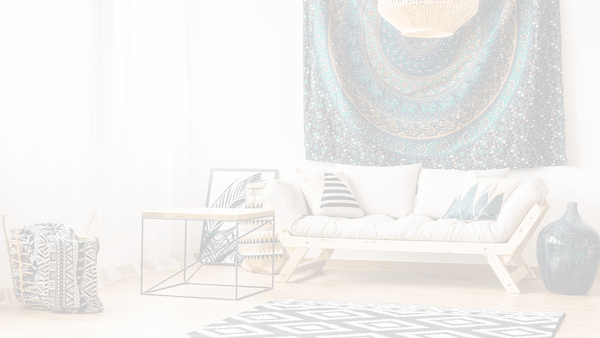
Are you looking to transform your room with a simple yet stunning touch? Hanging a tapestry on the ceiling can instantly change the vibe, making your space feel cozy, artistic, and unique.
But how do you do it without damaging your walls or ceiling? If you’ve wondered about the easiest and safest way to hang a tapestry above you, you’re in the right place. Keep reading, and you’ll discover clear, step-by-step tips that make this creative project easy – even if you’ve never done it before.
Your dream ceiling makeover is just a few moves away!
Choosing The Right Tapestry
Choosing the right tapestry is key to making your ceiling look stunning. It sets the mood and style of the entire room. A well-chosen tapestry adds warmth and personality without overwhelming the space.
Consider the room size, ceiling height, and lighting. These factors help pick a tapestry that fits perfectly and enhances the area’s vibe. The right tapestry feels natural and inviting above your head.
Material Matters
The tapestry’s fabric affects its weight and ease of hanging. Lightweight materials like cotton or polyester are easier to secure on the ceiling. They also drape nicely without sagging.
Thicker fabrics like wool or heavy woven tapestries add texture but need stronger support. Check the ceiling’s strength before choosing heavy materials. Breathable fabrics also prevent heat buildup under the tapestry.
Size And Shape Considerations
Measure your ceiling area before buying. Large tapestries cover more space and create a bold look. Smaller ones add subtle decoration without crowding the ceiling.
Square or rectangular shapes fit most ceilings well. Round or irregular shapes create artistic, unique effects. Think about the room’s shape too. Match the tapestry shape to the ceiling’s dimensions for balance.
Design And Color Tips
- Choose colors that complement your room’s palette.
- Light colors make ceilings feel higher and airier.
- Dark shades create cozy, intimate spaces.
- Simple patterns avoid overpowering the room.
- Bold designs add energy and focus.
- Consider the room’s purpose when picking themes.
Preparing Your Space
Preparing your space is the first important task before hanging a tapestry on the ceiling. It helps ensure the tapestry fits well and stays secure. Taking time to prepare also makes the process smoother and safer.
Measuring The Ceiling Area
Start by measuring the area of the ceiling where the tapestry will hang. Use a tape measure to find the length and width. Write down these numbers to compare with your tapestry size. This step prevents buying or cutting the wrong size tapestry.
Clearing The Installation Spot
Clear the space under the area where you will work. Remove furniture and other items that might get in the way. Make sure the floor is clean and free of obstacles. This creates a safe area to move and use tools.
Gathering Necessary Tools
Collect all tools needed for hanging the tapestry. Common tools include:
- Measuring tape
- Step ladder
- Ceiling hooks or adhesive strips
- Drill or screwdriver (if needed)
- Stud finder (optional)
- Level
Having everything ready saves time and avoids interruptions during installation.
Hanging Methods
Choosing the right hanging method for your tapestry on the ceiling depends on your space, the tapestry’s weight, and how permanent you want the setup to be. Each option offers a different balance of ease, security, and impact on your ceiling’s surface. Consider how often you might want to change the display or move the tapestry before making your choice.
Using Adhesive Hooks
Adhesive hooks are a great choice if you want a damage-free option. They stick directly to the ceiling and hold lightweight tapestries securely without drilling holes. Just make sure your ceiling surface is clean and smooth before applying them for the best grip.
These hooks are easy to remove too, making them perfect for renters or seasonal decor changes. Have you ever tried repositioning a tapestry only to find your ceiling marked? Adhesive hooks can save you from that headache.
Installing Ceiling Clips
Ceiling clips offer a solid hold and work well for medium-weight tapestries. They attach to the ceiling with small screws, providing a firm grip without the need for a full rod system. This method keeps the tapestry flat and reduces sagging over time.
Think about this if you want a semi-permanent setup that won’t damage your tapestry. Ceiling clips let you hang the fabric tight and even, which can really enhance the room’s look.
Employing Curtain Rods
Using curtain rods is a stylish way to hang heavier tapestries or create a draped ceiling effect. Mount the rods across the ceiling and slide the tapestry on like a curtain, which allows for easy removal and cleaning. This method also adds a decorative touch, blending function with style.
Have you considered how a rod could double as a visual frame for your tapestry? It’s a simple trick that makes your ceiling art look professionally displayed.
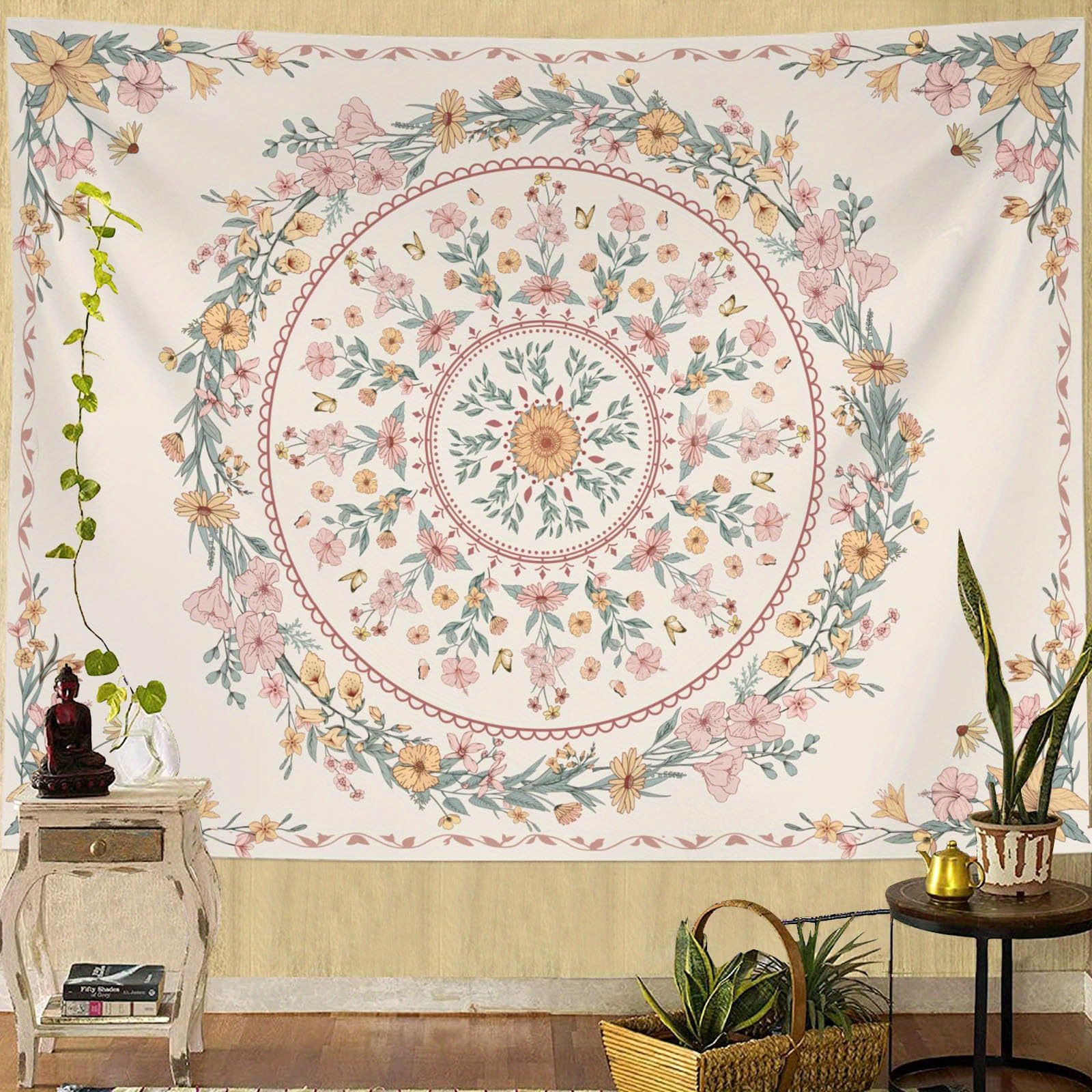
Using Staples Or Tacks
Staples or tacks are a traditional and straightforward way to hang tapestries directly on wooden ceilings or beams. They offer a strong, no-fuss hold but can leave permanent marks. This method suits you if you’re confident about your tapestry’s placement and don’t mind minor damage.
Keep in mind, though, staples work best on sturdy surfaces and lighter fabrics. Have you thought about how permanent your ceiling decor needs to be before using this approach?
Credit: www.temu.com
Safety Tips
Hanging a tapestry on the ceiling adds a unique touch to your room. Safety must be a priority to avoid accidents and damage. Follow these tips to keep your space secure and beautiful.
Weight Limits And Support
Check the weight of your tapestry before hanging. Ceilings have limits on how much weight they can hold. Use anchors or hooks designed for the tapestry’s weight. Choose sturdy ceiling joists or beams for support. Avoid drywall alone, as it may not hold heavy items. Proper support prevents falls and damage.
Avoiding Damage To Ceiling
Use the right tools to protect your ceiling’s surface. Avoid large holes by using small hooks or adhesive strips made for ceilings. Test a small area first to ensure no paint or plaster peels off. Consider using tension rods or lightweight frames to hang without nails. Protect your ceiling from cracks and marks.
Securing The Tapestry Properly
Use strong strings, wires, or cords to hang the tapestry. Attach the tapestry evenly to prevent sagging or tearing. Tighten knots and check them regularly for safety. Use multiple attachment points to spread the weight. Secure edges and corners firmly to avoid movement. Proper securing keeps your tapestry in place and safe.
Creative Ideas For Display
Ceiling tapestries transform plain ceilings into stunning focal points. Creative displays add warmth and style to any room. Explore ways to showcase tapestries uniquely and beautifully.
Layering Multiple Tapestries
Layering tapestries creates depth and texture on your ceiling. Use different sizes and patterns for a dynamic look. Overlap edges slightly to blend colors and designs. Choose light fabrics to avoid too much weight. Secure each tapestry firmly with hooks or clips. This technique brightens the space and draws attention upward.
Incorporating Lighting
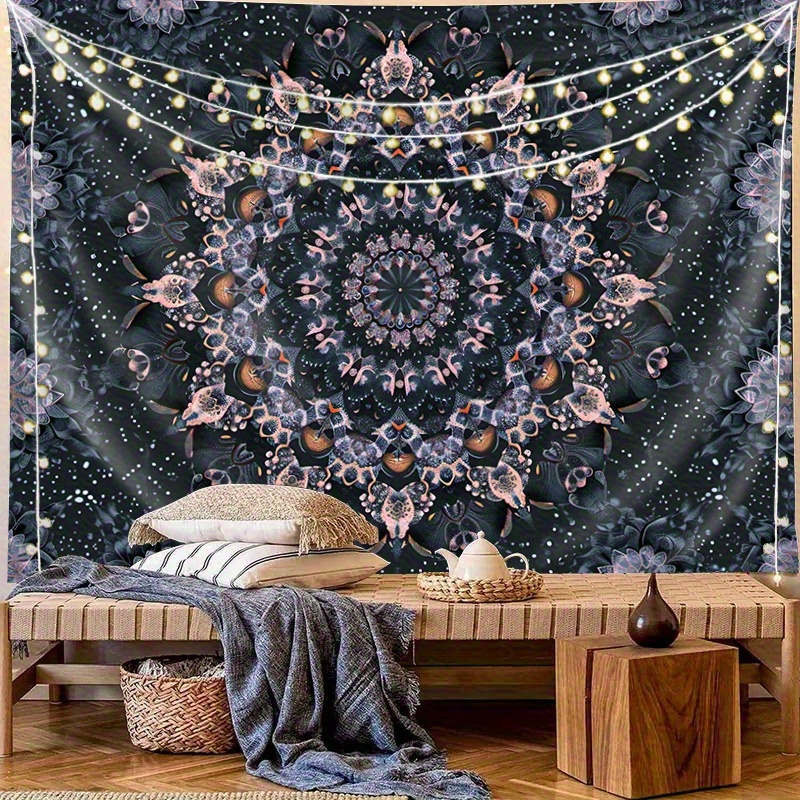
Lighting enhances the tapestry’s colors and details. Use string lights around the edges to add soft glow. LED strips behind tapestries create a backlit effect. Spotlights highlight specific areas or patterns. Choose warm bulbs to create cozy ambiance. Lighting adds dimension and makes the ceiling art pop.
Using Drapes And Accessories
Combine tapestries with drapes for a layered ceiling look. Use sheer curtains alongside tapestries for softness. Add decorative accessories like hanging plants or mobiles nearby. These elements create a boho or artistic vibe. Match colors of accessories with tapestry tones. This blend creates a unique and inviting ceiling display.
Credit: www.temu.com
Maintenance And Care
Secure the tapestry with lightweight hooks or adhesive strips to avoid ceiling damage. Regularly check for loose edges to keep it safe and neat. Clean gently with a soft brush to maintain its fabric and colors.
Maintaining and caring for a ceiling tapestry enhances its lifespan and beauty. Regular attention ensures the tapestry remains vibrant and securely hung. Here are some tips for keeping your tapestry in top condition.Cleaning Tips
Dusting the tapestry weekly prevents dirt buildup. Use a soft brush or vacuum with a gentle attachment. For deeper cleaning, spot clean with a mild detergent and water. Test on a small area first. Avoid using harsh chemicals that might damage the fabric.Preventing Sagging
Check the tapestry regularly for signs of sagging. Ensure the hanging fixtures are tight and secure. Use additional supports if the tapestry is large or heavy. This prevents strain on the fabric and keeps it taut.Seasonal Adjustments
Adjust the tapestry as seasons change. Humidity and temperature shifts can affect fabric tension. In humid conditions, consider a dehumidifier to maintain fabric strength. Regular checks help avoid unexpected sagging or fabric stress.
Credit: www.temu.com
Frequently Asked Questions
How Do You Secure A Tapestry On The Ceiling?
Use ceiling hooks or adhesive strips to hang your tapestry. Ensure the surface is clean and dry. Measure and mark where hooks go. Attach the tapestry using clips or string for extra support.
What Materials Are Best For Hanging Tapestries?
Lightweight tapestries made of cotton or polyester are easiest to hang. Use hooks, nails, or adhesive strips depending on ceiling type. Avoid heavy fabrics that may damage the ceiling or fall easily.
Can I Hang A Tapestry Without Damaging The Ceiling?
Yes, use damage-free adhesive hooks or strips designed for ceilings. They hold light tapestries without holes or marks. Always check weight limits and follow removal instructions carefully to avoid damage.
How Do I Evenly Hang A Tapestry On The Ceiling?
Measure your ceiling space and tapestry dimensions first. Mark the hanging points evenly across the ceiling. Use a level to ensure the tapestry hangs straight and avoid sagging.
Conclusion
Hanging a tapestry on the ceiling adds charm and style to any room. It creates a cozy, unique space that feels inviting. Use the right tools and take your time for the best results. With simple steps, you can change your room’s look easily.
Enjoy the new vibe your ceiling tapestry brings. Try it yourself and see the difference today.



