
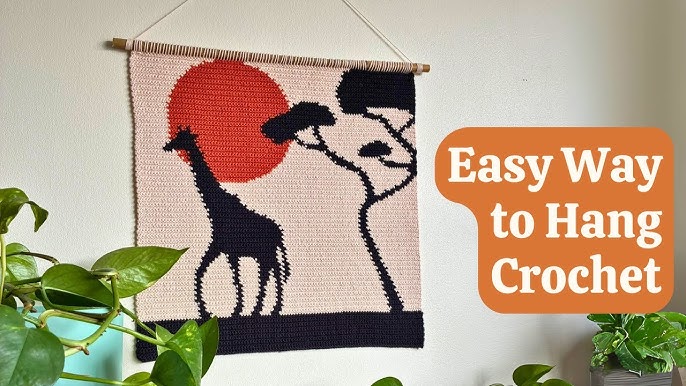
Are you ready to transform your space with a beautiful tapestry but unsure how to hang it without damaging your walls? You’re in the right place.
Hanging a tapestry correctly can instantly add color, texture, and personality to any room. In this guide, you’ll discover simple, step-by-step tips that make the process easy and stress-free. Whether you want a quick fix or a more permanent display, you’ll learn how to hang your tapestry securely and stylishly.
Keep reading, and turn your blank wall into a stunning focal point today!
Choosing The Right Tapestry
Choosing the right tapestry is a key step before hanging it on your wall. The right choice can transform your space, making it feel cozy, artistic, or vibrant. Think about what you want to express through your tapestry and how it fits with your lifestyle and space.
Material And Size
The material affects both the look and ease of hanging. Cotton tapestries are lightweight and easy to manage, perfect for a casual vibe. Wool or woven tapestries add texture and warmth but may require sturdier hanging solutions.
Size matters more than you might expect. A tapestry that’s too small can get lost on a large wall, while a very large one might overwhelm a tiny room. Measure your wall space and imagine how much of it you want covered before making a choice.
Color And Design
Color sets the mood instantly. Bright colors energize a room, while muted tones create calm. Think about your current color palette and whether you want your tapestry to blend in or stand out as a focal point.
The design also tells a story. Are you drawn to geometric patterns, nature scenes, or abstract art? Your tapestry should reflect your personal taste but also consider if it will age well with your decor. Sometimes, a bold pattern can become tiresome quickly.
Room Compatibility
Where you hang your tapestry changes how it looks. A bedroom tapestry might be soft and soothing, while a living room one could be more dramatic or colorful. Ask yourself: Will this tapestry enhance the room’s purpose?
Consider other elements in the room—furniture, lighting, and wall color. Your tapestry should complement these, not clash. Sometimes, moving a tapestry to a different room can reveal its true potential.
Preparing Your Wall
Getting your wall ready before hanging a tapestry is a key step that many overlook. A well-prepared surface ensures your tapestry stays put and looks stunning. It also protects your wall from damage and makes the entire process smoother.
Cleaning And Measuring
Start by cleaning the wall where you plan to hang your tapestry. Dust, dirt, or grease can prevent hooks or nails from sticking properly. Use a damp cloth and mild soap if needed, then let the wall dry completely.
Next, measure the area carefully. Knowing the exact size of your tapestry helps you decide where to place hooks or nails. Use a tape measure and mark the spots lightly with a pencil. This step saves you from guesswork and uneven hanging.
Finding Studs And Anchors
Studs are the wooden beams behind your drywall that provide strong support. Hanging your tapestry on studs ensures it won’t fall or pull away from the wall. Use a stud finder to locate these beams precisely.
If your tapestry is large or heavy, anchors will add extra support, especially when you can’t use studs. Plastic or metal wall anchors spread the weight evenly and prevent holes from enlarging. Choose anchors based on your wall type—drywall, plaster, or brick—and the tapestry’s weight.
Have you checked if your wall can handle the weight you plan to hang? Taking the time to find the right spots and supports makes a big difference in keeping your tapestry secure and your walls intact.
Hanging Methods
Hanging a tapestry can transform a room. Choosing the right method is key. Each method offers unique benefits for different wall types and tapestry weights.
Using Push Pins Or Thumbtacks
Push pins are simple and effective. They’re great for lightweight tapestries. Place a pin at each corner for even support. They leave small holes, ideal for dorms or rentals.
Command Strips And Hooks
Command strips are easy to remove. They protect your walls. Suitable for medium-weight tapestries. Clean the wall first for best adhesion. Hooks can offer extra support.
Nails And Picture Hangers
Nails offer strong support for heavy tapestries. Use picture hangers for added stability. This method is more permanent. Ensure the wall can handle the weight.
Tapestry Rods And Poles
Rods give a classic look. They make changing tapestries simple. Secure the rod with brackets. Choose a rod that complements your room decor.
Velcro And Adhesive Strips
Velcro allows easy removal and repositioning. It’s excellent for lightweight pieces. Adhesive strips are similar but offer more hold. Both are great for smooth surfaces.

Credit: www.picturehangsolutions.com
Styling Tips
Styling your tapestry on the wall is more than just hanging it up. It’s about making it a part of your room’s personality and vibe. How can you make your tapestry stand out and blend beautifully with your space? Here are some practical tips to help you style it right.
Creating A Focal Point
Think of your tapestry as the star of the room. Place it on a wall where it naturally draws attention, such as above a sofa or bed. This instantly gives your room a sense of purpose and style.
Choose a tapestry with bold colors or interesting patterns to make it pop. If your room is mostly neutral, a vibrant tapestry can add the perfect splash of color. Have you ever noticed how a single piece can change the entire mood of a room?
Layering With Other Wall Art
Don’t be afraid to mix your tapestry with other wall decorations. Combine it with framed photos, mirrors, or smaller pieces of art to create depth and interest. This makes your wall feel curated and personal.
Try different arrangements before committing. For example, place smaller frames around the edges of the tapestry to highlight it without overpowering. What if your walls could tell a story with every piece you add?
Using Lighting To Enhance
Lighting can dramatically change how your tapestry looks. Use spotlights or wall-mounted lamps to highlight textures and colors. Soft lighting can make the fabric appear cozy and inviting.
Consider adding string lights around the edges for a warm, whimsical effect. You’ll be surprised how the right lighting makes your tapestry feel alive and part of your daily life. How does your tapestry change when the lights go down?
Maintaining Your Tapestry
Maintaining your tapestry keeps it looking fresh and beautiful for years. Proper care preserves colors and fabric quality. Simple habits protect your tapestry from damage and dirt. Follow these tips to enjoy your wall art longer.
Cleaning And Care
Dust your tapestry regularly using a soft brush or vacuum with a gentle attachment. Spot clean stains quickly with mild soap and cold water. Avoid harsh chemicals that can weaken fabric fibers. For deep cleaning, hand wash with cold water or take it to a professional cleaner. Always air dry flat or hang it carefully to prevent wrinkles. Avoid direct sunlight during drying to keep colors from fading.
Avoiding Damage
Keep your tapestry away from sharp objects and pets that may cause tears. Avoid hanging it in areas with high humidity or direct sunlight. Use proper hanging tools like nails or hooks that support the tapestry’s weight evenly. Rotate your tapestry occasionally to prevent uneven fading. Store unused tapestries in a cool, dry place, wrapped in breathable fabric.

Credit: hyppy.in

Credit: aboderie.co.uk
Frequently Asked Questions
What Tools Do I Need To Hang A Tapestry On The Wall?
You need a measuring tape, level, nails or hooks, and a hammer or drill. Optional items include adhesive strips for damage-free hanging. These tools ensure your tapestry hangs straight and securely.
How Can I Hang A Tapestry Without Damaging Walls?
Use adhesive hooks or strips designed for wall mounting. They hold light tapestries well and remove cleanly. Alternatively, use a tension rod or curtain wire to avoid nails or screws.
What Is The Best Height To Hang A Tapestry?
Hang your tapestry at eye level for the best visual impact. Typically, the center should be around 57-60 inches from the floor. Adjust height based on wall space and furniture placement.
Can I Use Nails To Hang A Tapestry Safely?
Yes, small nails or picture hooks work well for lightweight tapestries. Ensure nails are secure and placed at tapestry edges or corners. Avoid large nails to prevent fabric damage.
Conclusion
Hanging a tapestry can change any room’s look fast. Choose the right method for your wall type. Measure carefully and use proper tools for best results. Keep the tapestry flat and secure to avoid damage. Enjoy the cozy and colorful touch it adds to your space.
Simple steps lead to a beautiful display. Now, your wall has a new story to tell.



