
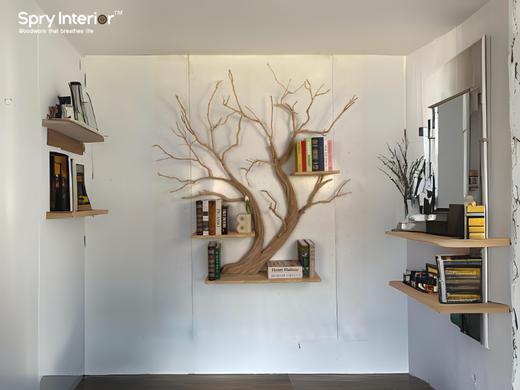
Are you staring at an empty wall, wondering how to turn it into a stylish, organized space? Arranging shelves on a wall might seem simple, but doing it right can transform your room completely.
When your shelves are placed perfectly, they not only hold your favorite items but also add personality and balance to your space. You’ll discover easy tips and tricks to arrange shelves that look great and work well. Keep reading, and you’ll learn how to create a wall display that feels just right for you.
Choosing The Right Shelves
Choosing the right shelves can make a big difference in how your wall looks and functions. The shelves you pick should fit your style, hold what you need, and work well with your space. Think about the materials, size, shape, and weight capacity before you start hanging anything.
Material Options
The material of your shelves affects both appearance and durability. Wood shelves offer a warm, classic look and can support heavy items, but they might need regular maintenance to avoid warping. Metal shelves are sleek and modern, perfect for minimalist spaces, and they handle weight well without bending.
Glass shelves can make a room feel open and light but are better for displaying small, light objects. If you want something budget-friendly, MDF or particleboard shelves are affordable but may not last as long under heavy use. What kind of look and feel do you want your shelves to give your room?
Size And Shape
Think about where you want to place your shelves and how much stuff you plan to put on them. Long, wide shelves can display many items but may overwhelm a small wall. Smaller, staggered shelves add interest and let you create a unique arrangement that suits your space.
Corner shelves are great if you want to use every inch of your wall, especially in tight rooms. Also, consider shelf depth—too shallow, and you can’t fit bigger items; too deep, and the shelf might stick out awkwardly. How will the shelf size and shape fit into your daily use and room flow?
Weight Considerations
Never overlook how much weight your shelves need to hold. Heavy books, plants, or appliances require sturdy shelves and strong wall anchors. Lighter shelves can hold decor or picture frames but won’t support heavy loads without risk of sagging or falling.
Check the manufacturer’s weight limit and match it to your needs. If you’re unsure, go for shelves with a higher weight rating to be safe. Remember, safety and stability matter more than style when it comes to holding your belongings securely.
Planning Shelf Placement
Planning shelf placement is key to making your wall both useful and attractive. It helps avoid clutter and ensures each shelf fits well in the space. Proper planning makes the wall look balanced and organized.
Measuring Your Wall Space
Start by measuring the width and height of the wall. Note any obstacles like windows, doors, or light switches. Measure the distance from the floor to where you want the shelves. Write down all these numbers to guide your shelf layout.
Creating A Layout
Draw a simple sketch of your wall on paper. Mark the measurements and obstacles clearly. Plan where each shelf will go, keeping enough space between them. Use a ruler to keep lines straight and shelves even. Think about how you want to use each shelf.
Balancing Symmetry And Asymmetry
Symmetry means shelves are evenly spaced and balanced on both sides. It creates a calm and neat look. Asymmetry places shelves at different heights or positions. It adds interest and feels more casual. Choose the style that fits your room and personal taste.
Mounting Techniques
Mounting shelves on a wall can transform a room’s look and function. To ensure your shelves stay secure, use the right mounting techniques. This section will guide you through finding studs, using wall anchors, and leveling shelves. Let’s dive into these essential steps.
Finding Studs
Finding studs ensures shelves are stable and secure. Use a stud finder for accurate results. Move the device along the wall until it indicates a stud. Mark the spot with a pencil. Repeat to find the stud’s edges. This helps you know where to drill for maximum support.
Using Wall Anchors
Wall anchors provide support when studs aren’t available. Choose the right anchor for your wall type. Plastic anchors work for drywall, while toggle bolts suit heavier loads. Drill a hole slightly smaller than the anchor. Insert the anchor until it’s flush with the wall. Then, screw the bracket into the anchor.
Leveling Shelves
Leveling shelves is crucial for a neat appearance. Use a spirit level for accuracy. Place the level on the shelf and adjust until the bubble centers. Mark the correct position with a pencil. Secure brackets or mounts at these marks to ensure your shelves are perfectly level.
Credit: www.christeneholderhome.com
Styling Your Shelves
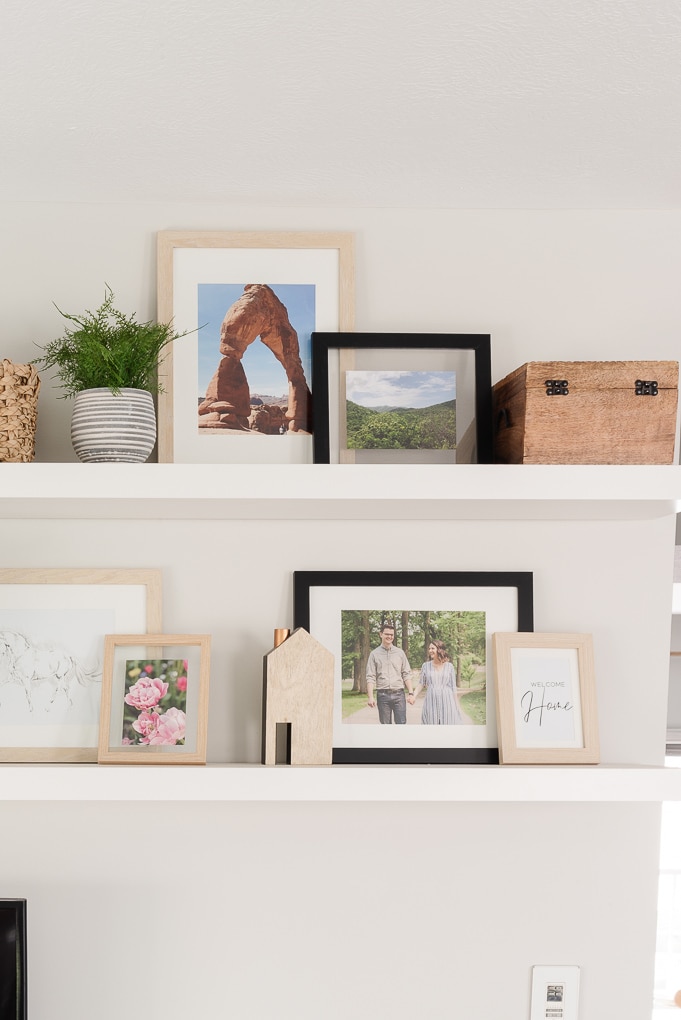
Styling your shelves is where functionality meets personality. It’s not just about placing items; it’s about creating a visual story that reflects your taste and lifestyle. How you arrange each piece can transform a plain wall into a captivating display that draws attention and sparks conversation.
Mixing Decorative Items
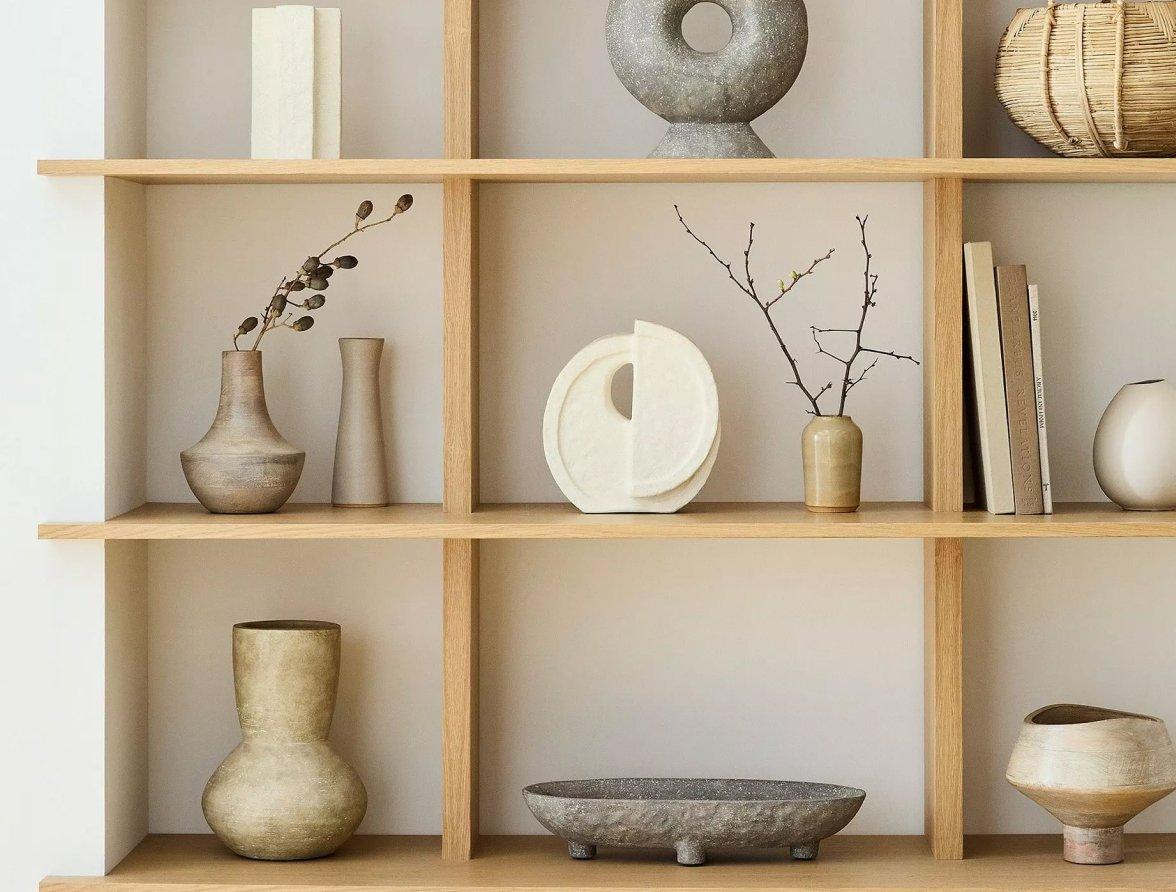
Combine different shapes, sizes, and textures to keep your shelves interesting. Use a mix of vases, candles, and artwork alongside smaller trinkets. This contrast adds depth and prevents your display from looking flat or predictable.
Think about balance: if one side feels heavy with tall objects, balance it out with several smaller pieces on the other. Try rotating your items occasionally to keep the look fresh and surprising.
Incorporating Books And Plants
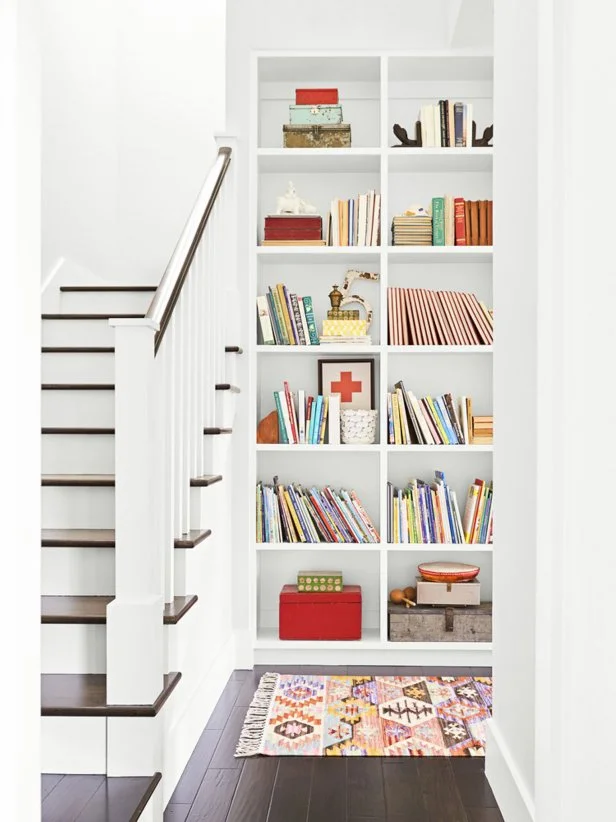
Books aren’t just for reading—they bring color and structure to your shelves. Arrange them both vertically and horizontally to create visual variety.
Plants add life and freshness. Place small pots next to stacks of books or hang trailing plants to soften the edges. What types of plants would thrive in your space’s light and temperature?
Layering And Grouping
Layering means placing items in front of each other to add dimension. Start with larger pieces at the back and smaller ones in front. This technique draws the eye deeper into the display.
Group similar items in odd numbers, such as three or five, to make the arrangement feel natural and engaging. How can you cluster your objects to tell a story or highlight your favorite pieces?
Maintaining Shelf Displays
Maintaining shelf displays keeps your space fresh and inviting. It helps your items stay visible and your shelves organized. Regular care extends the life of your decorations and prevents clutter. Simple habits can make a big difference in how your shelves look every day.
Regular Dusting
Dust gathers quickly on shelves and items. Use a soft cloth or microfiber duster to clean gently. Dusting once a week helps keep surfaces clear and bright. Avoid harsh cleaners that might damage delicate objects. A clean shelf makes your display stand out more.
Rearranging Tips
Change the look by moving items around. Group similar colors or shapes together for balance. Leave some space between objects to avoid overcrowding. Rotate items from different shelves to create new focus points. Small changes can refresh the entire wall display.
Seasonal Refresh Ideas
Update shelves to match seasons or holidays. Swap out colors and decorations for a new theme. Use natural elements like pine cones in winter or flowers in spring. Keep some favorite pieces but add a few new touches. Seasonal updates keep your shelves interesting year-round.
Credit: www.hgtv.com
Credit: www.johnlewis.com
Frequently Asked Questions
How Do I Choose The Right Wall For Shelves?
Select a wall with enough space and good visibility. Avoid walls with heavy traffic or uneven surfaces. Consider natural light and room function for optimal shelf placement.
What Tools Are Needed To Install Wall Shelves?
You need a drill, level, screws, anchors, measuring tape, and a stud finder. These tools ensure shelves are secure and perfectly aligned on the wall.
How To Arrange Shelves For Maximum Storage?
Group items by size and use baskets or bins for small items. Keep frequently used items at eye level for easy access and maintain a balanced look.
Can I Install Shelves On Drywall Without Studs?
Yes, use heavy-duty wall anchors rated for your shelf weight. Avoid overloading shelves to prevent damage and ensure safety.
Conclusion
Arranging shelves on a wall can change any room’s look. Choose the right height and spacing for balance. Use strong brackets to keep shelves steady. Mix different shelf sizes for visual interest. Don’t overcrowd; leave space to breathe. Add personal items to make shelves feel warm.
Keep things simple and neat to avoid clutter. With these tips, anyone can create a stylish wall display. Try different ideas until it feels just right. Shelves bring both function and beauty to your space. Easy and fun to do!



