
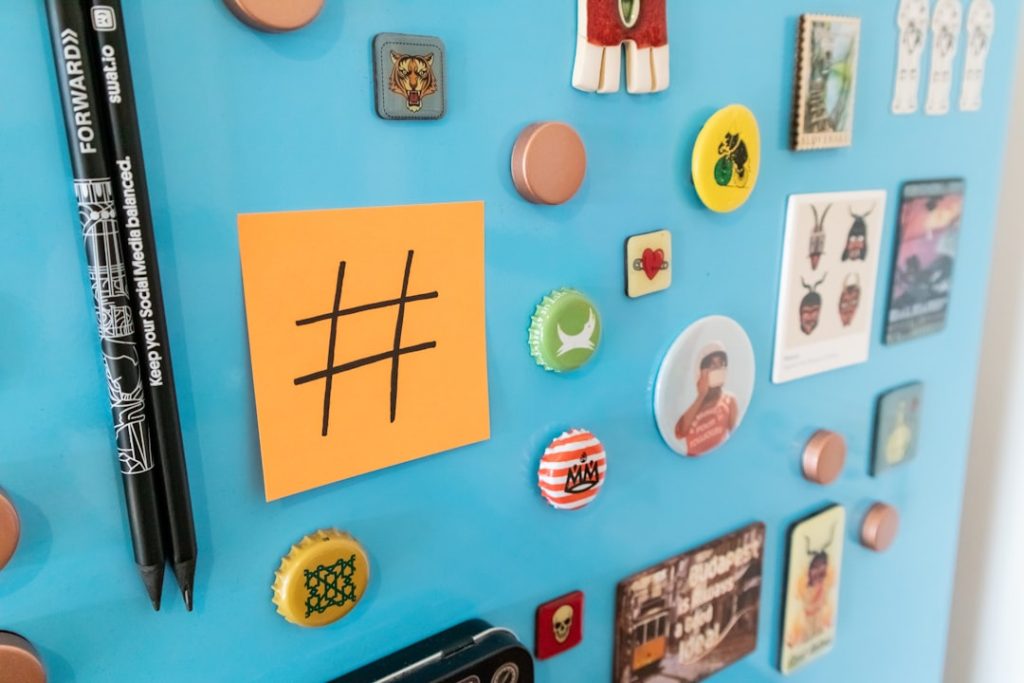
Are you thinking about adding some personality to your room without the hassle of painting or wallpaper? You might be wondering, “Can I put stickers on my wall?” It sounds simple, but there are a few things you should know before you start peeling and sticking.
What if the stickers damage your paint? Or what if they don’t look as good as you imagined? Keep reading, because we’ll help you make the best choice for your walls—and show you how to do it right so your space feels just the way you want.

Credit: www.threads.com
Types Of Wall Stickers
Choosing the right type of wall sticker can change the entire vibe of your space. Different materials and designs serve different purposes, so knowing your options helps you pick what fits your style and walls best. Let’s look at some popular wall sticker types to guide your choice.
Vinyl Decals
Vinyl decals are a favorite because they are durable and easy to apply. They come in various designs—from simple shapes to intricate art—and often have a glossy finish that makes colors pop. If you want something that can handle kitchen splashes or bathroom humidity, vinyl is a solid pick.
One time, I used vinyl decals to add a fun geometric pattern to my living room wall. It was quick to apply and just as easy to remove when I wanted a new look. Have you tried vinyl decals before? They might surprise you with how much they can elevate a plain wall.
Peel-and-stick Wallpaper
Peel-and-stick wallpaper offers a larger design impact compared to small decals. It’s perfect for creating accent walls without the mess of traditional wallpaper glue. Many brands offer trendy patterns that you can reposition during installation, which is great if you’re not sure about placement.
Think about using peel-and-stick wallpaper in a bedroom or office where you want a bold statement. It’s especially useful for renters since it doesn’t damage walls when removed. What pattern would you pick to transform your space instantly?
Fabric Stickers
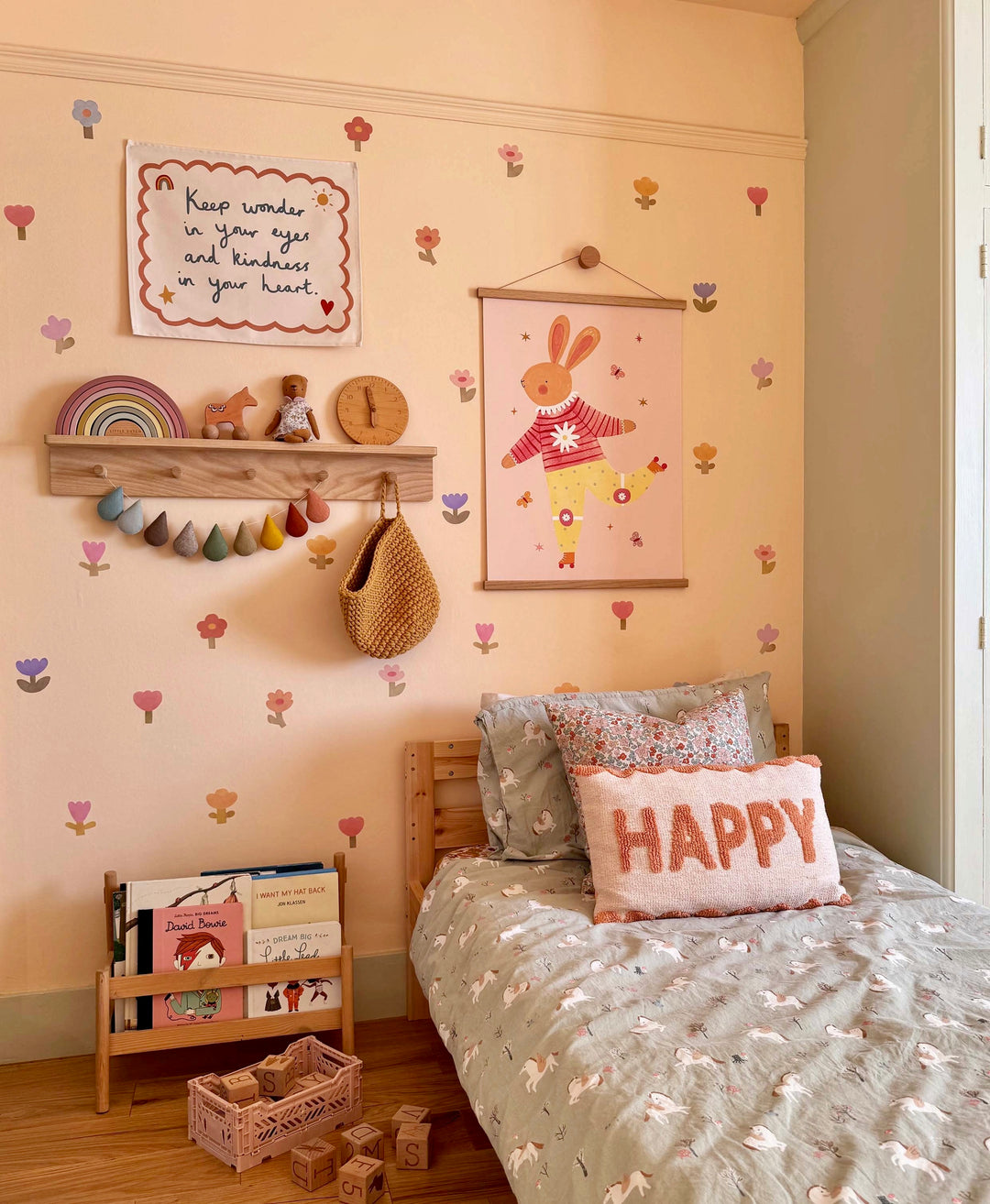
Fabric stickers are softer and have a textured look that vinyl or paper can’t match. They stick well to smooth surfaces but are gentle enough to peel off without peeling paint. This makes them ideal for delicate walls or kids’ rooms.
I added fabric stickers in a nursery to create a cozy, tactile environment. The soft feel made the room more inviting, and the stickers stayed put through playful hands. Would fabric stickers work in your home to add warmth along with style?
Removable Vs. Permanent
Deciding between removable and permanent wall stickers depends on how long you want the design to last. Removable stickers are great for temporary decoration or if you like changing your decor often. They peel off without leaving residue or damaging the wall.
Permanent stickers stick firmly and are less likely to peel or fade over time. They suit long-term designs but require careful removal if you ever want to change your wall. Ask yourself: Are you decorating for the short term or planning a lasting look?
Credit: www.kidofthevillage.co.uk
Choosing The Right Wall Surface
Choosing the right wall surface is key before putting stickers on your wall. Different surfaces hold stickers differently. Some surfaces may cause stickers to peel or leave marks. Understanding your wall type helps pick the best sticker and placement.
Painted Walls
Painted walls are usually smooth and easy for stickers to stick on. Flat or satin finishes work best. Glossy paint can make stickers slip or peel off. Avoid walls with fresh paint. Stickers may damage the paint if applied too soon.
Wallpapered Walls
Wallpaper can be tricky for stickers. Textured or patterned wallpaper may not hold stickers well. Some wallpapers peel easily and stickers can pull them off. Test a small area first. Use removable stickers to avoid damage.
Textured Surfaces
Textured walls have bumps or ridges. Stickers may not stick smoothly here. Edges can lift and peel quickly. Choose stickers with strong adhesive. Press firmly and hold longer for better grip.
Drywall And Plaster
Drywall is common and works well for stickers. It has a smooth surface but can be porous. Use stickers designed for indoor use. Plaster walls may be rough or cracked. Be gentle when applying stickers to avoid damage.
Creative Placement Ideas
Walls can be decorated with stickers, but choosing the right type is important to avoid damage. Peel-and-stick decals work well on smooth surfaces and come off easily. Experiment with placement ideas to create a unique look without harming your walls.
Creative placement of stickers on walls can transform any space. They offer a simple way to enhance your home’s aesthetic. With thoughtful placement, stickers can create dynamic visual effects. Here are some creative ideas to inspire you.Accent Walls
Choose a single wall to be the focal point. Cover it with stickers for a bold statement. This can bring attention to an otherwise plain wall. Use large stickers or a collection of smaller ones. Align them creatively for a cohesive look.Borders And Frames
Use stickers to create borders around doors or windows. This adds definition and style to the space. Frame a mirror or artwork with stickers. It enhances the piece and draws the eye.Furniture And Fixtures
Extend the use of stickers beyond walls. Apply them on furniture surfaces like dressers or shelves. Stickers on light fixtures can add a touch of whimsy. Ensure they are placed where they won’t be damaged.Mixing Patterns And Colors
Combine different patterns and colors for a lively effect. Mix and match floral and geometric designs. Use contrasting colors for a vibrant look. Balance is key; avoid overwhelming the space. By using these ideas, you can easily refresh your space. Stickers can add personality and charm to any room.Application Tips For Best Results
Applying stickers on your wall needs care to look great and last long. Small efforts before and during application make a big difference. Follow these tips to get the best results and enjoy your wall art.
Cleaning And Preparing The Surface
Start with a clean wall. Dust and dirt stop stickers from sticking well. Use a damp cloth or mild cleaner to wipe the area. Let the wall dry completely before applying stickers. Avoid rough or peeling paint surfaces. Smooth walls work best for sticker adhesion.
Tools For Smooth Application
Gather simple tools to help place stickers nicely. A soft cloth or squeegee can smooth out air bubbles. Use a ruler or level to check alignment. A pair of scissors helps trim edges if needed. These tools make the process easier and cleaner.
Avoiding Bubbles And Wrinkles
Peel the sticker backing slowly. Stick one edge first, then press gently outward. Use a cloth or squeegee to push air bubbles to the edges. Do not rush. Small bubbles can pop with a pin, then smooth again. Wrinkles form if the sticker folds; apply carefully to avoid creases.
Positioning And Alignment
Plan the sticker placement before sticking. Mark light pencil dots as guides. Use a level to keep stickers straight. Step back and check the look. Adjust position before pressing firmly. Correct placement ensures a neat and attractive wall design.
Removing Stickers Without Damage
Removing stickers from your wall without causing damage might feel tricky, but it’s totally doable with the right approach. Rushing can tear paint or leave sticky marks behind, which nobody wants. Let’s look at some gentle yet effective ways to get those stickers off cleanly and keep your walls looking fresh.
Slow Peeling Techniques
Start by peeling the sticker slowly from one corner. Pull it back gently at a low angle instead of yanking it straight off. This reduces the risk of peeling paint or damaging wallpaper.
If the sticker resists, don’t force it. Give it time to loosen naturally. Sometimes, just a bit of patience can save a lot of repair work later.
Using Heat Or Solvents
Heat softens the adhesive, making stickers easier to remove. You can use a hairdryer on low to warm the sticker for 30 seconds, then try peeling again.
For stubborn stickers, apply a small amount of rubbing alcohol or a commercial adhesive remover on a cloth. Test it on a hidden spot first to make sure it won’t harm your wall’s paint or finish.
Cleaning Residue
After peeling off the sticker, you might see sticky residue left behind. Use warm, soapy water with a soft cloth to gently rub the area.
If soap and water don’t work, try a mixture of baking soda and water or a little bit of vinegar. Avoid harsh scrubbing, as it can damage your wall’s surface.
Repairing Wall Marks
If your wall shows marks or slight damage after sticker removal, don’t panic. Lightly sanding the spot with fine-grit sandpaper can smooth rough areas.
Touch up with matching paint or a primer if needed. Have you ever noticed a tiny wall blemish and thought it was impossible to fix? Sometimes, a little repair goes a long way toward restoring your wall’s look.
Design Trends With Wall Stickers
Wall stickers have become a popular way to refresh your space without the hassle of paint or wallpaper. They offer a quick style boost and let you express your personality easily. Understanding current design trends can help you choose stickers that truly enhance your walls.
Nature And Botanical Themes
Nature-inspired wall stickers bring calm and freshness to any room. Think leafy vines, tropical plants, or delicate flowers that add life without overwhelming your space. I once added a simple fern design to my living room wall, and it instantly made the area feel more inviting and peaceful.
These themes work well in living rooms, bedrooms, and even bathrooms. You can create a mini indoor garden vibe without the maintenance.
Geometric Patterns
Geometric shapes offer a modern and clean look that fits many styles. Triangles, hexagons, or abstract lines can create eye-catching walls with minimal effort. I experimented with a set of black and white triangles in my home office, and the result was a stylish yet professional backdrop for video calls.
Geometric stickers can serve as a focal point or complement existing decor. They’re especially good if you want a bold but simple statement.
Inspirational Quotes
Words have power, and wall stickers with quotes can motivate or comfort you daily. Choose phrases that resonate with your goals or mindset. I placed a favorite motivational quote above my desk, and it keeps me focused and positive during long workdays.
These stickers are great for home offices, gyms, or bedrooms. They add personality and meaning without clutter.
Kids’ Room Designs
Wall stickers for kids often feature playful characters, animals, or educational themes. They can make a child’s room vibrant and fun while encouraging learning. I added colorful alphabet stickers in my nephew’s room, and he started recognizing letters faster than I expected.
These designs are easy to update as your child grows or their interests change. Plus, they’re perfect for renters since they’re removable and don’t damage walls.
Safety And Longevity
Choosing to put stickers on your wall raises questions about safety and how long they last. It is important to pick stickers made from safe materials. Also, you want to avoid damage to your wall. The life of the sticker matters too. Lastly, think about how your choice affects the environment. Each factor plays a role in making your wall look good without harm.
Non-toxic Materials
Stickers made from non-toxic materials are safer for your home. They do not release harmful chemicals into the air. This is especially important in rooms where children or pets spend time. Look for labels that say “non-toxic” or “safe for indoor use.” Such stickers reduce health risks and keep your air clean.
Avoiding Wall Damage
Picking stickers that peel off easily helps protect your wall. Avoid those with very strong adhesives. They can strip paint or leave sticky marks. Test a small sticker on your wall first. Use stickers designed for walls or removable decals. These options reduce the chance of damage and save you time on cleanup.
Sticker Durability
Durability affects how long your sticker looks good. High-quality stickers resist fading and peeling. They hold up well to sunlight and humidity. Choose vinyl or laminated stickers for longer life. Durable stickers stay fresh and keep your wall attractive for months or years.
Environmental Considerations
Eco-friendly stickers reduce harm to the planet. Biodegradable or recyclable stickers break down naturally. They create less waste and pollution. Using such stickers supports a cleaner environment. Always check if the product mentions eco-friendly or sustainable materials.

Credit: www.designcafe.com
Frequently Asked Questions
Can I Put Stickers On Any Wall Type?
Yes, stickers work best on smooth, clean walls like painted drywall or glass. Avoid textured or rough surfaces to prevent peeling and damage.
Will Wall Stickers Damage My Paint?
Most high-quality wall stickers are designed to be removable and cause minimal paint damage. Always test a small area first to be safe.
How Do I Remove Wall Stickers Without Residue?
Peel slowly from one corner and use heat, like a hairdryer, to soften adhesive. Clean any leftover residue with mild soap and water.
Are Wall Stickers Reusable After Removal?
Generally, wall stickers lose adhesive strength after removal and are not reusable. Some vinyl decals may be repositioned carefully once or twice.
Conclusion
Stickers can brighten up any wall with ease. They offer a quick and fun way to change your room’s look. Just pick stickers that suit your style and space. Remember to check your wall’s surface before applying. Removing stickers can be simple if done carefully.
This small change can make a big difference in your home. Enjoy decorating with stickers and express yourself freely. Your walls can tell your story without much effort. Give your room a fresh, personal touch today.



