
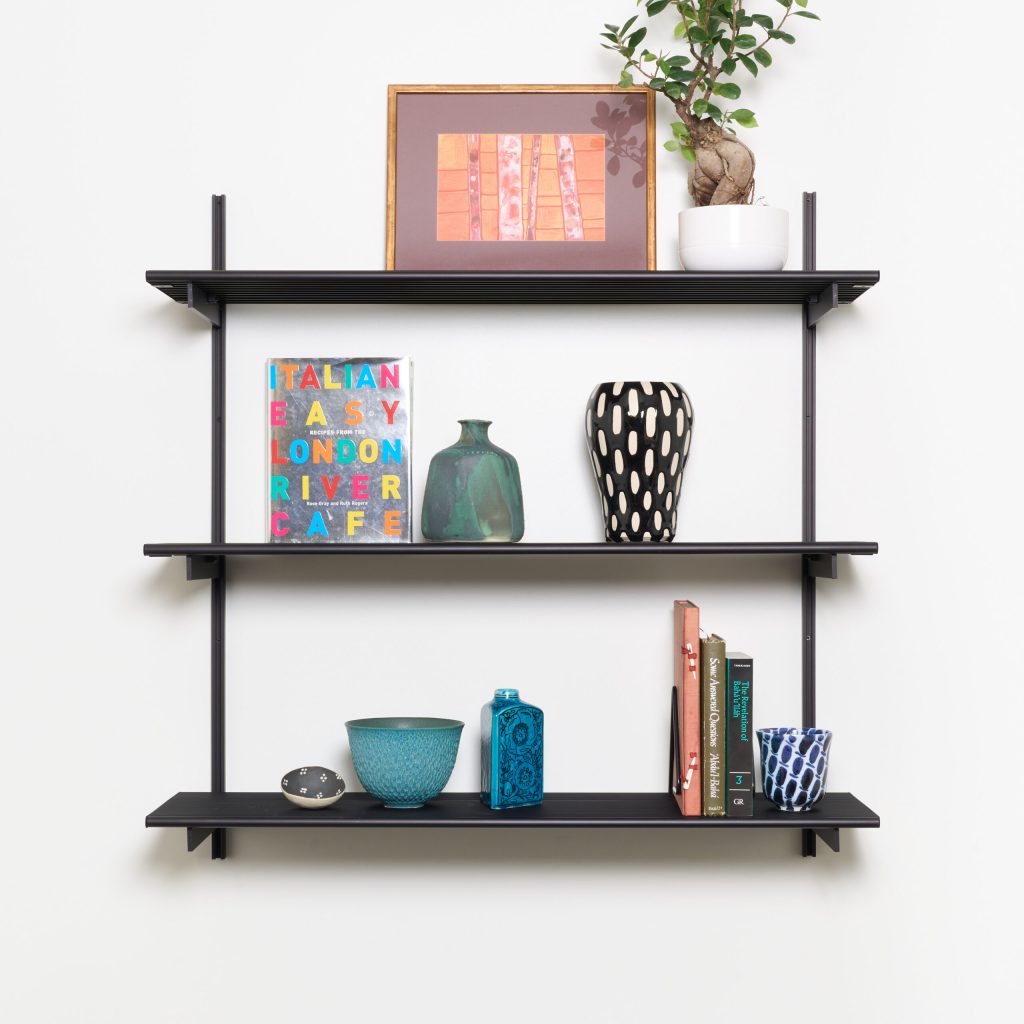
Are you struggling to figure out how to arrange 3 shelves on a wall in a way that looks great and feels just right? You’re not alone.
Getting the perfect balance between style and function can be tricky. But imagine turning that empty wall into a stunning display that showcases your favorite items and keeps your space organized. In this guide, you’ll discover simple, smart tips that make arranging shelves easy and enjoyable.
Keep reading, and you’ll learn how to create a wall setup that not only fits your needs but also makes your room feel more inviting.
Choosing The Right Wall
Choosing the right wall is the first step to making your shelving project a success. It’s more than just picking any blank space; it’s about finding a spot that supports both the function and the aesthetics of your shelves. The right wall will highlight your items and make the entire room feel more organized and welcoming.
Assessing Wall Space
Look carefully at the available wall space before you start. Measure the width and height to ensure the three shelves will fit comfortably without overcrowding the area. Think about how much room you want between each shelf—too close, and it feels cramped; too far, and you waste space.
Also, consider the wall’s visibility. Is it a focal point in the room? Placing shelves on a wall that everyone faces can make your display stand out. Have you noticed how some walls just seem to attract the eye more naturally?
Considering Room Function
What will you use the shelves for? The room’s purpose affects which wall you should choose. Shelves in a kitchen might hold spices and cookbooks, so placing them near the counter or stove makes sense.
In a living room, you might want to show off decor or books on a wall that’s easy to reach from your favorite seating spot. Ask yourself: who will use these shelves most, and what do they need quick access to?
Checking Wall Material
Not all walls can hold heavy shelves. Drywall, brick, plaster—each needs different anchors and screws. Before you decide, tap the wall or use a stud finder to check for studs, which provide the best support.
If your wall is made of concrete or brick, you’ll need special tools and anchors. Can your wall safely hold the weight of the shelves plus the items you plan to display? Knowing this upfront saves you from future damage and frustration.
Selecting Shelf Styles
Selecting the right shelf style sets the tone for your room’s look. It affects both function and design. Choosing shelves that match your space helps keep things neat. It also highlights your items in the best way.
Consider shelf size, wall space, and the items you want to display. Some shelves offer a modern feel, while others add a classic touch. Think about how much support your shelves need too.
Floating Shelves
Floating shelves appear to hang without support. They attach directly to the wall with hidden brackets. This creates a clean, minimal look that fits small spaces well. Use floating shelves to display light decor or books.
They work great in living rooms and bedrooms. Choose wood, glass, or metal to match your style. Floating shelves keep walls uncluttered and look very modern.
Bracket Shelves
Bracket shelves use visible supports under the shelf. These brackets can be simple or decorative. They add strength and can hold heavier items like plants or kitchenware.
Bracket shelves suit traditional or rustic interiors. Metal or wooden brackets come in many shapes and sizes. They make a bold statement while keeping shelves sturdy.
Corner Shelves
Corner shelves fit into wall corners, using space that often goes unused. They help organize small rooms without crowding the area. Perfect for plants, candles, or small storage boxes.
These shelves come in floating or bracket styles. Corner shelves add interest and maximize space efficiently. They work well in bathrooms, kitchens, or offices.
Arranging Shelves Horizontally
Arrange three shelves evenly spaced in a horizontal line for a balanced look. Measure carefully to keep the shelves level and aligned. This simple layout creates a clean, organized wall display.
Arranging shelves horizontally on a wall is a simple yet effective way to enhance the aesthetic appeal of any room. Horizontal arrangements offer clean lines and a sense of order, making them a popular choice for modern interiors. They can create a stunning visual impact, especially when designed with careful thought to spacing, balance, and decoration.Even Spacing Tips
Proper spacing is crucial to achieve a harmonious look. Consider measuring the wall and dividing it into equal sections for each shelf. Use a level to ensure each shelf is perfectly aligned, both horizontally and vertically. Don’t forget to account for the items you’ll be placing on the shelves, ensuring there’s enough room without cluttering the space.Balancing Shelf Lengths
The length of your shelves can drastically affect the overall look. Choose uniform lengths for a symmetrical appearance or vary them for a more dynamic, artistic flair. Ensure that the shelves are not too long for the wall, which could overwhelm the space. Think about the weight distribution on each shelf to avoid any drooping or warping over time.Adding Decorative Items
Decorating your shelves can bring personality and charm to the arrangement. Consider a mix of books, plants, and art pieces for a well-rounded look. Use items of varying heights and textures to create visual interest. Ask yourself if each item adds value to the display or if it’s merely adding clutter.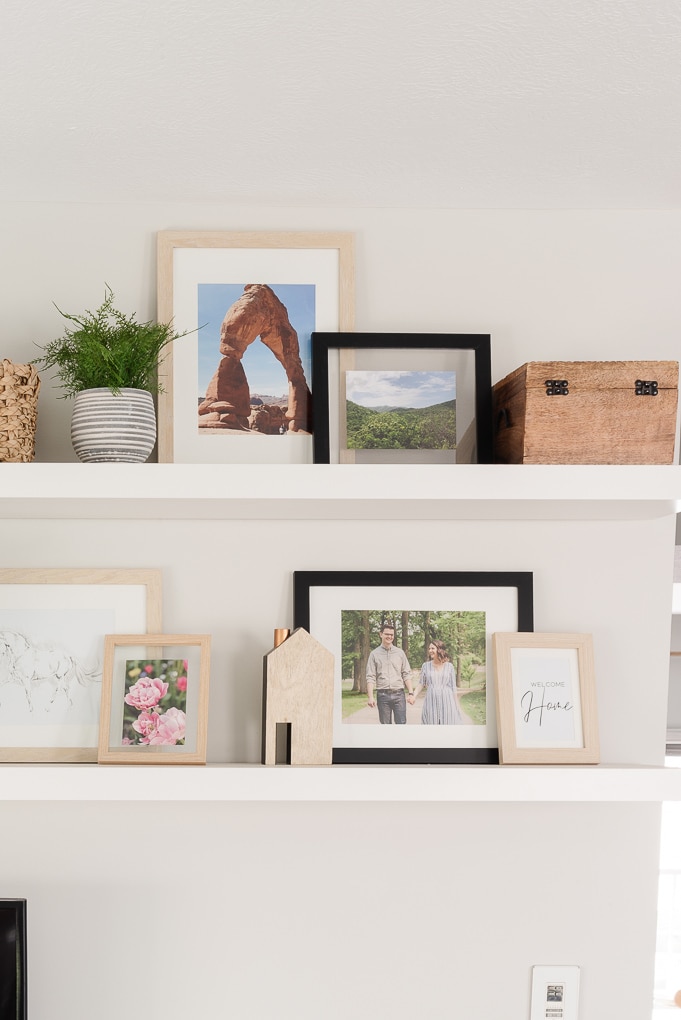
Credit: www.christeneholderhome.com
Stacking Shelves Vertically
Stacking shelves vertically is a smart way to maximize wall space without making your room feel cluttered. This arrangement draws the eye upward, creating a sense of height and openness. It’s perfect for displaying books, plants, or decorative items, and it keeps your essentials within easy reach.
Optimal Height Placement
Start by deciding the height of your lowest shelf. It should be comfortable to access without bending too much—typically around eye level or slightly lower works well.
Space the shelves evenly, but don’t be afraid to adjust the gaps based on what you plan to put on them. Taller items need more room, while small décor can fit in tighter spaces.
Think about your daily routine. Are you grabbing a book or a mug often? Place those shelves where your hands naturally fall.
Creating A Visual Flow
Arrange your shelves so your eyes move smoothly from one to the next. Avoid placing all shelves at the exact same distance; slight variations can add interest.
Use a mix of colors and textures on the shelves to guide the viewer’s gaze upward. For example, a bright vase on the middle shelf paired with a stack of books on the top creates a natural flow.
Ask yourself: does the arrangement feel balanced or top-heavy? Adjust items or shelf spacing until the wall feels harmonious.
Mixing Shelf Sizes
Try using different shelf lengths or depths to add dimension to the vertical stack. A narrow shelf above a wider one can make your display more dynamic.
Place larger shelves lower on the wall to anchor the arrangement, and smaller shelves higher up to lighten the look.
This variation helps break monotony and gives you more options for displaying items of different sizes. Have you ever noticed how a varied setup keeps you interested longer?
Creative Triangular Arrangements
Creative triangular arrangements bring a dynamic feel to your wall shelves. They break away from the ordinary straight lines and add movement to your space. This style encourages you to think beyond symmetry and balance shelves in unexpected ways.
Asymmetrical Placement
Place the shelves at different heights and distances to form an off-center triangle. This creates visual interest and makes your wall look alive. Try positioning one shelf higher on one side, another lower but further away, and the third somewhere in between.
Don’t stress about perfect measurements. The goal is to keep the eye moving. You might find that the irregular spacing feels more natural and inviting than a rigid setup.
Using Negative Space
Think about the empty areas around your shelves as part of the design. Negative space helps define the triangle shape and gives your items room to breathe.
Leave some gaps intentionally wide and others tight. This contrast sharpens the triangular layout and prevents clutter. Have you noticed how a little breathing room can make your display more striking?
Incorporating Wall Art
Blend your shelves with wall art to complete the triangular design. Place a small piece of art near one shelf or hang a framed photo between two shelves.
This mix adds layers to your wall, making it feel more curated. You can even use art to guide the eye along the triangle’s points, enhancing the overall flow.
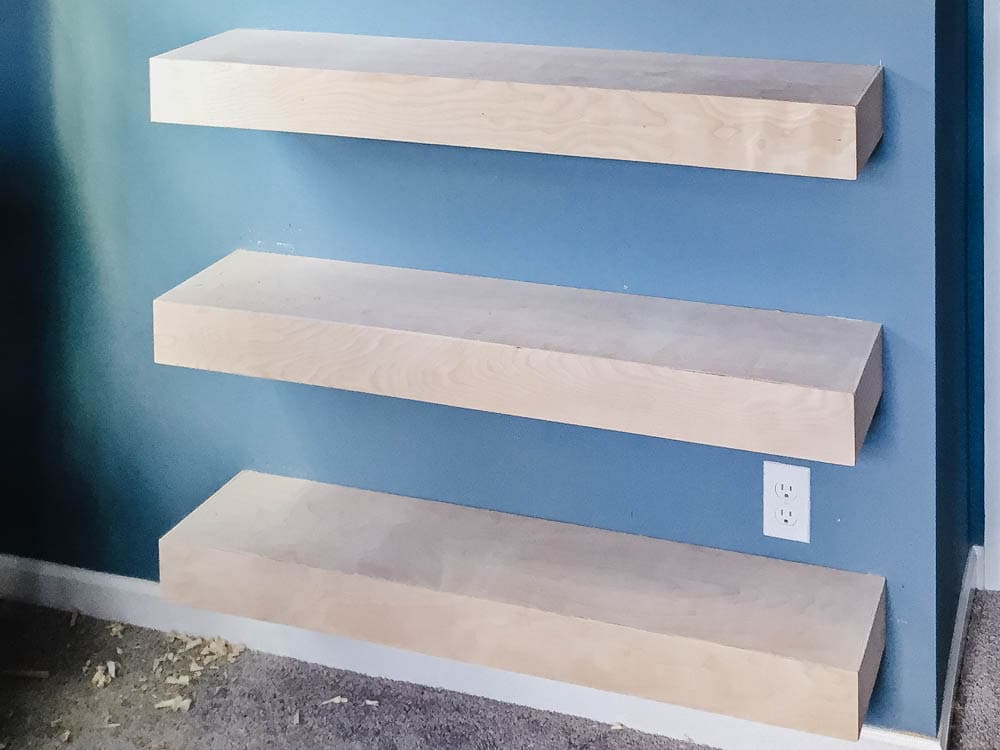
Credit: www.christeneholderhome.com
Maximizing Functionality
Maximizing functionality when arranging three shelves on a wall means making sure each shelf serves a clear purpose without overcrowding the space. You want to create a setup that feels balanced and useful, not just decorative. It’s about blending practicality with style so your shelves become a part of your daily life rather than just wall art.
Storage Vs Display Balance
Think about what you really need on your shelves: Are they primarily for storing items or showing off pieces you love? Mixing storage and display keeps your shelves interesting and functional. You might place books or files on the lower shelf for easy access and use the top shelves for decorative items like plants or photos.
Ask yourself: Which items do you reach for every day? Those should be the easiest to grab. Less-used items can go higher or in the back. This way, your shelves work for you, not against you.
Using Baskets And Boxes
Baskets and boxes are lifesavers for keeping clutter out of sight. They create a neat look and help you categorize items quickly. Choose containers that fit the size of your shelves and complement your room’s style.
- Use woven baskets for a cozy, natural vibe.
- Opt for clear boxes if you want to easily see what’s inside.
- Label boxes to save time searching for things.
From personal experience, adding a few matching baskets transformed my chaotic shelf into an organized haven. It’s a simple step that makes a big difference.
Lighting The Shelves
Good lighting highlights your shelves and makes them more functional. Consider small LED strip lights or puck lights installed underneath each shelf to brighten your items. This not only adds ambiance but helps you find things in dim corners.
Think about the mood you want to create. Soft, warm lights can make your space cozy, while bright white lights are great for work areas. Don’t overlook lighting—sometimes it’s what turns a basic shelf into a focal point.
Diy Installation Tips
Installing shelves by yourself can feel overwhelming, but with the right approach, it becomes a manageable and even enjoyable task. Paying close attention to details like measuring, choosing anchors, and safety makes your shelves sturdy and your wall damage-free. Let’s dive into some practical tips to help you get those shelves up perfectly and safely.
Measuring And Leveling
Accurate measuring is the foundation of a successful shelf installation. Use a tape measure to mark the exact height where each shelf will go, and double-check your marks before drilling.
A spirit level is your best friend here. It ensures shelves are perfectly horizontal, which not only looks better but also prevents items from sliding off. Try marking the wall with a pencil and use painter’s tape to create straight guide lines—this makes adjustments easier without damaging paint.
Choosing Proper Anchors
Not all anchors are created equal. The type you pick depends on your wall material and the shelf’s weight capacity.
- Drywall anchorsare ideal for light to medium loads and easy to install.
- Molly boltsprovide extra strength for heavier shelves.
- Toggle boltsare perfect if you’re hanging very heavy items on drywall.
If you have studs behind your wall, always try to screw directly into them for the best support. I once overlooked this and ended up with a shelf that sagged—so trust me, checking for studs saves you a lot of trouble.
Safety Precautions
Safety should never be an afterthought. Always wear safety goggles to protect your eyes from dust and debris during drilling.
Use a stud finder to avoid drilling into electrical wires or plumbing behind the wall. It might be tempting to rush, but taking a moment to scan your wall can prevent dangerous accidents.
Finally, secure your ladder or step stool properly if you need extra height. I learned this the hard way when my ladder slipped, so always ensure it’s stable before climbing.

Credit: www.spryinterior.com
Frequently Asked Questions
How High Should I Place 3 Shelves On A Wall?
Place shelves at eye level, about 57-60 inches from the floor. Space each shelf evenly, typically 12-18 inches apart, depending on the items you want to display or store. This height ensures easy access and a balanced look.
What Tools Are Needed To Arrange 3 Wall Shelves?
You need a drill, level, measuring tape, pencil, wall anchors, and screws. These tools ensure shelves are securely mounted and perfectly aligned for both safety and aesthetics.
How To Choose The Right Spacing Between 3 Shelves?
Consider the size and height of items to be placed. Generally, 12-18 inches between shelves works well. Adjust spacing based on your storage needs and the wall’s overall design.
Can I Arrange 3 Shelves On Uneven Walls?
Yes, use a level and shims to adjust each shelf. Anchors and brackets can also compensate for uneven surfaces, ensuring shelves stay stable and visually aligned.
Conclusion
Arranging three shelves on a wall can change any room’s look. Choose the right height and space for balance. Keep shelves level and secure for safety. Use these tips to create a neat, useful display. Small changes bring big improvements.
Try different layouts until it feels right. Enjoy your organized and stylish wall space every day.



