
Have you ever admired a beautiful tapestry and wondered how to showcase it perfectly on your wall? Framing a tapestry is more than just a way to protect it—it transforms your artwork into a stunning centerpiece that draws attention and adds warmth to any room.
But where do you start? How do you make sure your tapestry looks its best without damaging it? In this guide, you’ll discover simple, effective steps to frame your tapestry with confidence. By the end, you’ll know exactly how to turn your fabric masterpiece into a framed work of art that you’ll be proud to display.
Ready to bring your tapestry to life? Let’s dive in.
Choosing The Right Frame
Choosing the right frame for your tapestry is more than just picking a border. It enhances the artwork, protects the fabric, and ties the piece into your space. The right frame can make your tapestry stand out or blend seamlessly with your room.
Frame Materials And Styles
Frames come in various materials like wood, metal, and acrylic. Wood offers warmth and classic appeal, while metal frames provide a sleek, modern look. Acrylic frames keep the focus on the tapestry with a minimalist touch.
Consider the style too—ornate frames add a vintage charm, whereas simple frames highlight the tapestry’s texture. Think about whether you want the frame to be a statement or a subtle complement.
Matching Frame To Tapestry
Look closely at your tapestry’s colors and patterns before selecting a frame. If your tapestry has bold, rich colors, a neutral frame can balance it out. For subtle or monochrome tapestries, a colorful or textured frame can add interest.
Also, match the frame size to the tapestry. A narrow frame might get lost on a large tapestry, while an overly wide frame can overpower a small piece. Ask yourself: does the frame highlight the tapestry’s details or distract from them?
Considering Room Decor
Your room’s style should guide your frame choice. In a modern room, a sleek metal or simple wooden frame works well. For rustic or traditional rooms, a distressed wood frame complements the overall vibe.
Think about the other art and furniture in the space. Does the frame echo the tones and textures around it? Your tapestry’s frame should feel like part of the room, not an afterthought.
Preparing The Tapestry
Preparing a tapestry before framing is a key step to ensure it looks its best and lasts long. Proper preparation protects the fabric and highlights its design. This process involves cleaning, repairing, flattening, and measuring. Taking time here saves effort later and improves the final display.
Cleaning And Repairing
Start by gently dusting the tapestry with a soft brush. Remove loose dirt carefully to avoid damage. If needed, spot clean with a mild detergent and cold water. Test a small area first to check colorfastness. Repair any small tears or loose threads using a needle and matching thread. Avoid harsh chemicals or rough handling to keep the fibers strong.
Flattening Wrinkles
Wrinkles can distract from the tapestry’s beauty. Lay the fabric flat on a clean surface. Use light weights at the edges to hold it down. Do not iron directly. Instead, place a clean cloth over the tapestry and use a low heat iron or steam from a distance. This smooths out creases without harming the material.
Measuring Dimensions
Measure the tapestry carefully to fit the frame perfectly. Use a soft measuring tape for accuracy. Note the width and height in inches or centimeters. Add a small margin for mounting space if necessary. Double-check measurements before buying or cutting the frame. Correct sizing ensures a neat and secure fit.
Mounting Techniques
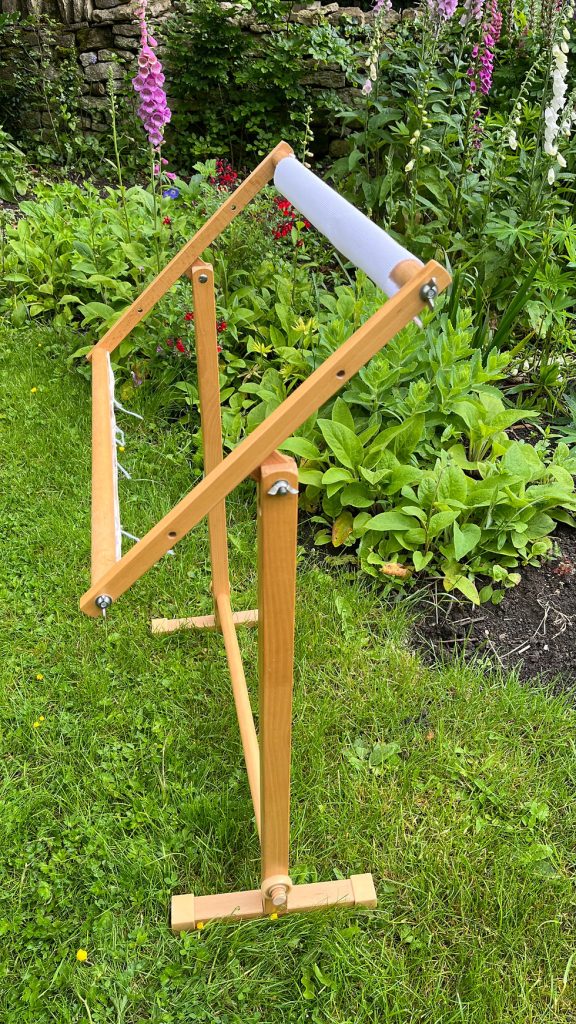
Stretch the tapestry gently to keep it flat and smooth. Use a wooden frame or a rod to hold it securely. Attach the fabric with sewing, clips, or adhesive strips for a neat, lasting display.
Mounting a tapestry is an art form in itself, requiring precision and creativity to bring the best out of the piece. Whether your tapestry is a family heirloom or a new addition to your decor, how you frame it can elevate its presence in any room. Let’s dive into some effective mounting techniques to ensure your tapestry looks stunning on your wall.Using Acid-free Backing
Using an acid-free backing is crucial in preserving the integrity of your tapestry. This backing prevents the fabric from coming into contact with harmful chemicals that could degrade it over time. You might wonder if this is necessary, but consider this: a small investment in quality materials can protect your piece for years to come. Select a sturdy, acid-free board that supports the tapestry’s weight without bending. If you’ve ever had a favorite photo fade over time, you’ll appreciate how important this step is in preserving color and texture. Secure the tapestry with acid-free tape or adhesives, ensuring that it lays flat and smooth against the backing.Stretching Vs. Loose Mounting
Deciding between stretching your tapestry or opting for a looser mount can significantly impact its appearance. Stretching involves pulling the fabric taut over a frame, creating a clean, polished look. However, if you prefer a more relaxed appearance, loose mounting allows the tapestry to drape naturally. Consider the tapestry’s design and the room’s decor when making this choice. A tightly stretched tapestry can emphasize detailed patterns, making them pop. On the other hand, a loose mount can add a touch of whimsy and softness to your space.Sewing And Pinning Methods
Sewing and pinning are traditional methods that give you control over how your tapestry is displayed. Sewing involves stitching the tapestry onto a backing or directly onto a frame, ensuring it stays in place. If you’re handy with a needle, this could be a rewarding DIY project. Alternatively, pinning offers a less permanent solution, allowing you to adjust and reposition the tapestry as needed. Use rust-proof pins to avoid any marks or stains on the fabric. This method is perfect if you love to refresh your decor regularly without committing to a single look. Which technique resonates with your style? The choice is yours, and each method offers a unique way to showcase your cherished tapestry.
Credit: www.reddit.com
Selecting The Right Glass
Selecting the right glass is a key part of framing a tapestry. Glass protects the fabric from dust, dirt, and damage. It also affects how the tapestry looks once framed. Choosing glass that suits your needs keeps your tapestry safe and beautiful for years.
Different types of glass offer various benefits. Consider how light will hit your tapestry and the environment where it will hang. The right glass helps reduce glare, block harmful UV rays, and show your tapestry clearly.
Glare Reduction Options
Glare can make it hard to see your tapestry clearly. Anti-reflective glass helps reduce bright spots and reflections. This glass lets more light through without shining back at you. It works well in rooms with strong natural or artificial light.
Another choice is non-glare glass, which has a matte finish. This glass scatters light and cuts down glare even more. It can soften the look of your tapestry but may slightly blur fine details.
Uv Protection Benefits
UV rays from sunlight can fade tapestry colors over time. Glass with UV protection blocks most harmful rays. It slows down fading and keeps colors bright longer. This feature is important if your tapestry hangs near windows or in sunny rooms.
Look for glass that blocks at least 70% to 99% of UV light. Some UV-protective glass also reduces heat, which protects delicate fibers inside the tapestry.
Matte Vs. Clear Glass
Clear glass offers sharp, true colors but can cause glare. It works well in low-light areas or where glare is not a problem. Clear glass shows all the tapestry details clearly.
Matte glass reduces glare by diffusing light. It creates a soft look but can hide some fine details. Matte glass is good for bright rooms or spaces with many light sources.
Choosing between matte and clear depends on your lighting and display needs. Each type balances clarity and glare reduction differently.
Hanging And Display Tips
Hanging and displaying your tapestry properly can transform any room. The way you position and light it affects not just visibility but also the vibe of your space. Let’s dive into some practical tips that make your tapestry stand out beautifully on your walls.
Optimal Placement
Think about the size of your tapestry and the wall space available. A large tapestry looks best on a wide, empty wall where it can be the focal point. Smaller tapestries work well above furniture like a sofa or bed, adding color without overwhelming the room.
Consider the height at which you hang it. Eye level is usually best—around 57 to 60 inches from the floor to the center of the tapestry. This ensures you and your guests can appreciate the details comfortably.
Lighting Considerations
Natural light can make your tapestry’s colors pop, but too much direct sunlight might fade the fabric over time. Position your tapestry where it gets indirect light or use UV-protective window films to prevent damage.
If natural light is limited, add soft artificial lighting. A couple of well-placed spotlights or a picture light can highlight the texture and patterns without harsh glare. Have you tried adjustable lighting? It lets you change the mood and focus depending on the time of day.
Securing The Frame
When framing your tapestry, stability is key to prevent sagging or damage. Use a sturdy frame that fits the tapestry snugly but doesn’t squeeze it tight. Stretching the fabric slightly before framing helps keep it smooth and flat.
For hanging, secure the frame with strong hooks or anchors suitable for your wall type. Avoid nails alone for heavier pieces; wall anchors or toggle bolts offer extra support. If you want to change displays often, consider a rail hanging system for easy swapping without wall damage.

Credit: www.pippinkits.com
Maintaining Your Framed Tapestry
Maintaining your framed tapestry keeps it beautiful and preserves its value. Proper care prevents damage and extends its life. A few simple habits protect your tapestry from dust, sunlight, and wear. These steps help your tapestry stay vibrant and strong for years.
Regular Cleaning
Dust your tapestry gently using a soft brush or cloth. Avoid vacuuming directly to prevent pulling threads. Clean the frame regularly to stop dirt buildup. Use a dry or slightly damp cloth for the frame only. Keep your tapestry away from strong cleaning chemicals.
Avoiding Sun Damage
Place your tapestry away from direct sunlight. UV rays fade colors and weaken fibers over time. Use curtains or UV-protective window films to reduce exposure. Rotate the tapestry occasionally if light hits one spot. This helps maintain even color and fabric strength.
Inspecting For Wear
Check your tapestry and frame for signs of damage often. Look for loose threads, tears, or fraying edges. Examine the frame for cracks or weakness. Repair small issues early to avoid bigger problems. Keep an eye on hanging hardware to ensure the tapestry stays secure.
Credit: www.tfgframes.com
Frequently Asked Questions
How Do You Prepare A Tapestry For Framing?
First, clean and flatten the tapestry. Use a gentle vacuum or soft brush. Ensure it’s dry and wrinkle-free before framing.
What Materials Are Needed To Frame A Tapestry?
You need a frame, backing board, acid-free mat, hanging hardware, and pins or adhesive. Choose materials that protect the fabric.
Can You Frame A Tapestry Without Glass?
Yes, you can frame a tapestry without glass to preserve texture and prevent glare. Use UV-protective coatings if needed.
How Do You Mount A Tapestry Inside A Frame?
Attach the tapestry to a backing board using pins or sewing. Stretch evenly to avoid wrinkles. Secure it firmly before framing.
Conclusion
Framing a tapestry adds beauty and protects the fabric. Choose a frame that fits your style and space. Stretch the tapestry evenly to avoid wrinkles. Use simple tools and take your time. A well-framed tapestry can last for years. It also makes your artwork stand out.
Enjoy the process and show off your work proudly. Now, your tapestry is ready to hang and impress.



