
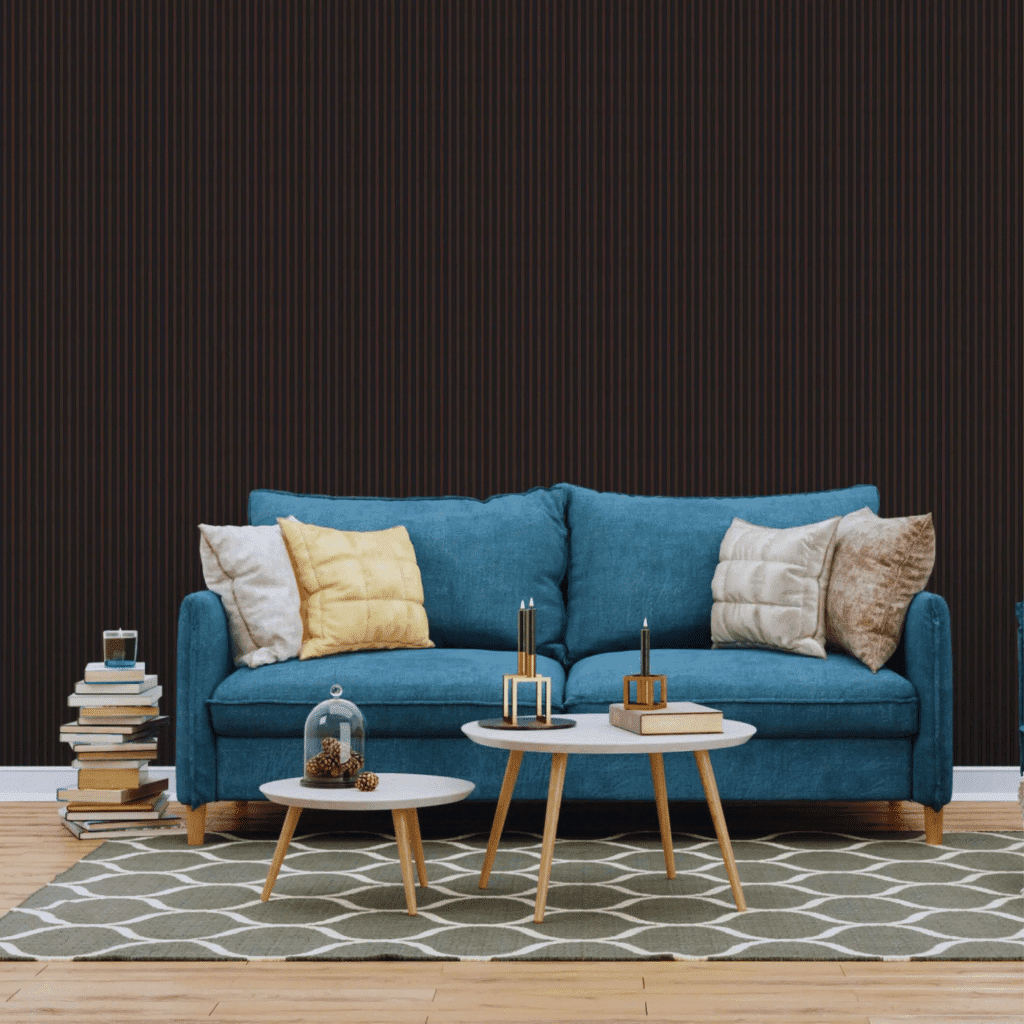
Are you looking to transform your walls and give your space a fresh, modern look? Hanging 3D wall panels is an easy and stylish way to add depth and texture to any room.
You might be wondering how to get started or if it’s something you can do yourself. Don’t worry—this guide will walk you through every step, making the process simple and stress-free. By the end, you’ll have the confidence to create a stunning feature wall that impresses everyone who walks in.
Keep reading, and let’s bring your walls to life!
Choosing The Right Panels
Choosing the right 3D wall panels is key to creating a stunning wall design. The panels must match your room’s style and needs. Consider the material, size, and color carefully. These factors affect both appearance and installation ease. Taking time to select the right panels ensures a smooth hanging process and a beautiful result.
Materials And Designs
3D wall panels come in many materials. Common options include PVC, wood, bamboo, and gypsum. Each material offers a different look and feel. PVC panels are lightweight and moisture-resistant. Wood panels add warmth and natural texture. Bamboo is eco-friendly and durable. Gypsum panels offer intricate patterns and a smooth finish. Designs vary from geometric shapes to organic patterns. Choose a design that fits your room’s style and mood.
Size And Thickness
Panel size affects how much wall space each piece covers. Larger panels cover more space quickly but may be harder to handle. Smaller panels offer more design flexibility and detail. Thickness impacts durability and depth of the 3D effect. Thicker panels create stronger shadows and texture. Thinner panels are easier to cut and install. Match the panel thickness to your wall type and installation skill level.
Color And Finish Options
Colors range from bright whites to deep browns and bold hues. Neutral colors suit most rooms and styles. Bold colors create a strong statement and focal point. Finishes include matte, glossy, and textured. Matte finishes reduce glare and look soft. Glossy finishes reflect light and add shine. Textured finishes enhance the 3D effect. Pick colors and finishes that complement your decor and lighting.
Preparing Your Wall
Preparing your wall is a crucial first step before hanging 3D wall panels. A clean, smooth surface helps the panels stick better and look great. Taking time to prepare ensures a longer-lasting and professional finish. Here’s how to get your wall ready.
Cleaning And Smoothing
Start by removing dust, dirt, and grease from the wall. Use a damp cloth or mild detergent for cleaning. Let the wall dry completely. Fill any holes or cracks with spackle or filler. Sand the patched areas until smooth. A flat surface helps panels stick evenly and prevents bumps.
Measuring And Marking
Measure the height and width of the wall accurately. Mark vertical and horizontal lines with a pencil. These lines guide panel placement and keep them straight. Use a level to ensure lines are perfectly horizontal or vertical. Proper marking avoids uneven gaps and crooked panels.
Tools And Supplies Needed
- Measuring tape
- Level
- Pencil
- Spackle or filler
- Sandpaper
- Cloth or sponge
- Cleaning solution
Having the right tools ready speeds up the process. It also helps achieve a neat, professional look.
Installing 3d Wall Panels
Installing 3D wall panels can transform any room from ordinary to extraordinary. The process may seem daunting, but with the right approach, you can achieve a professional look yourself. Let’s dive into the steps that will help you hang those panels with precision and ease.
Applying Adhesive
First things first, choosing the right adhesive is crucial. Look for a strong, quick-setting option that works well with your wall type. Apply the adhesive generously on the back of the panel, focusing on the edges and center to ensure a strong hold.
Once, I made the mistake of skimping on adhesive, and the panels began to sag over time. A lesson learned! Make sure you cover the surface evenly to prevent any future mishaps.
Aligning And Pressing Panels
Next, the alignment of your panels is key to a seamless look. Start from the center of your wall and work your way outwards. This technique helps create a balanced visual effect.
Use a level to check each panel’s alignment as you go. Press each panel firmly against the wall to secure it in place. Feel the satisfaction as the pieces fit together perfectly, like the final touches on a masterpiece.
Handling Corners And Edges
Corners and edges can be tricky, but they’re where you can showcase your attention to detail. Cut panels to fit snugly in these areas, ensuring they align with the rest of your installation.
Consider using corner trims for a polished finish. They not only enhance aesthetics but also protect the edges from damage. How often do we neglect the corners, only to realize they hold the entire look together?
Remember, the beauty of 3D wall panels lies in their texture and depth, so handle each piece with care. Ready to change your space into a visual delight? Your walls are waiting!

Credit: dundeedeco.com
Finishing Touches
Adding 3D wall panels transforms any room, but the final look depends heavily on the finishing touches. These steps ensure your installation looks polished and lasts longer. Small details like filling gaps, painting, and regular cleaning can make a big difference in the overall appearance and durability.
Filling Gaps And Seams
Even the best installations can have tiny gaps or seams between panels. Filling these spaces with a flexible caulk or spackling compound helps create a seamless surface. Choose a filler that matches the panel material to avoid cracking or peeling later.
Apply the filler with a putty knife, then smooth it out for a clean finish. After it dries, lightly sand the area to blend it with the panel surface. This step not only improves the look but also prevents dust and moisture from settling in the gaps.
Painting And Sealing
Once the filler is dry, paint your panels to match your room’s style. Use paint designed for the panel material, whether it’s wood, PVC, or gypsum. This helps the paint adhere better and prevents peeling over time.
Consider applying a clear sealant after painting to protect the panels from stains and moisture. A matte or satin finish often works best to keep the texture visible without too much shine. Have you tried testing a small area first? It can save you from surprises later.
Cleaning And Maintenance Tips
Keeping your 3D wall panels clean ensures they stay attractive and last longer. Dust them regularly with a soft brush or microfiber cloth to avoid buildup in the grooves. For tougher stains, use a mild soap solution and a damp cloth.
Avoid harsh chemicals or abrasive tools that could damage the panel surface. Regularly inspect your panels for any signs of damage or wear and touch them up as needed. How often you clean depends on your environment, but a monthly check usually keeps panels looking fresh.
Common Mistakes To Avoid
Installing 3D wall panels can transform any room. Avoiding common mistakes makes the process smooth. Small errors can cause panels to look uneven or fall off. Focus on precision and preparation for the best results.
Incorrect Measurements
Measuring wrong leads to uneven panels and wasted materials. Always double-check measurements before cutting or fixing panels. Use a level tool to ensure alignment. Mark the wall lightly with a pencil for guidance.
Using The Wrong Adhesive
Not all adhesives work with 3D wall panels. Choose an adhesive that suits the panel material and wall type. Using the wrong glue can cause panels to loosen or damage the wall. Follow manufacturer recommendations for the best hold.
Neglecting Wall Preparation
Dirty or rough walls prevent panels from sticking properly. Clean the wall surface to remove dust, grease, or loose paint. Fill holes and smooth uneven areas. A clean, smooth surface ensures strong adhesion and long-lasting results.

Credit: dundeedeco.com

Credit: loneoakdesignco.com
Frequently Asked Questions
What Tools Are Needed To Hang 3d Wall Panels?
You need a measuring tape, level, adhesive, caulk gun, utility knife, and a pencil. These tools ensure precise and secure installation.
How Do You Prepare The Wall For 3d Panels?
Clean the wall surface thoroughly. Remove dust, grease, and loose paint. A smooth, dry wall improves panel adhesion and durability.
Can I Install 3d Panels On Uneven Walls?
Yes, but minor wall imperfections should be patched first. For large uneven areas, use a backer board before panel installation.
How Long Does It Take To Hang 3d Wall Panels?
Installation usually takes 2 to 4 hours for an average room. Time varies based on wall size and panel complexity.
Conclusion
Hanging 3D wall panels can change your room’s look quickly. Follow each step with care and take your time. Choose the right tools and materials for best results. Clean your wall before starting to ensure panels stick well. Measure twice, cut once to avoid mistakes.
Enjoy the new texture and depth your walls gain. Small effort brings big style changes. Try different patterns to match your space and taste. Start your project today and see the difference.



