
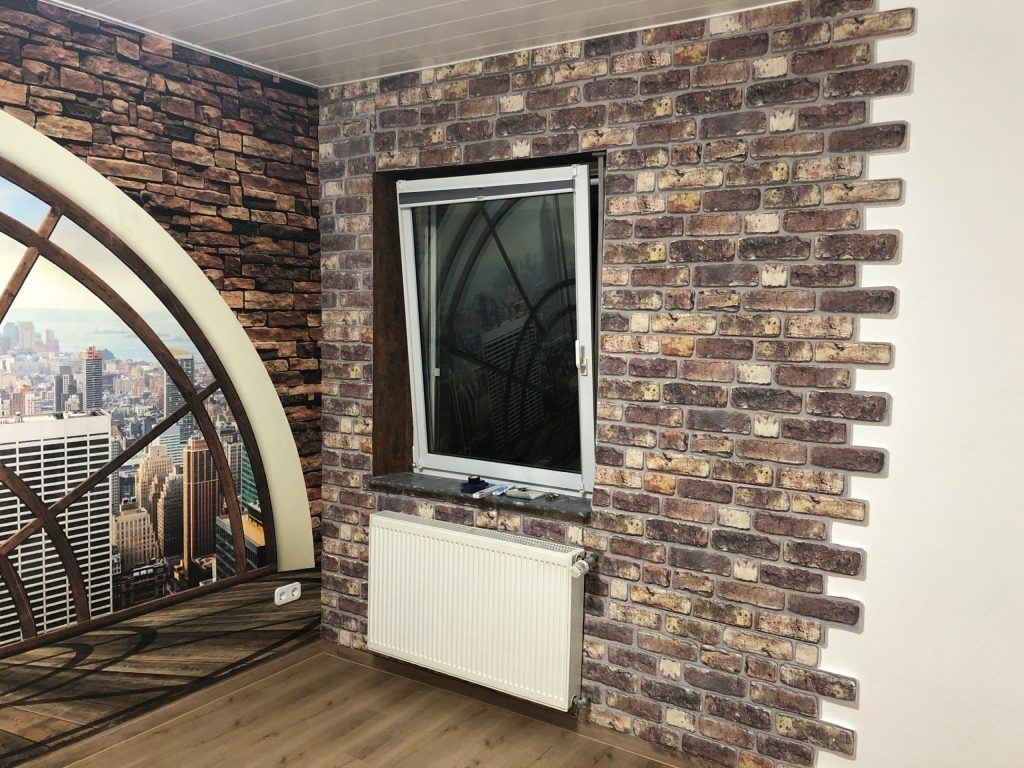
Are you ready to transform your walls with stunning 3D panels but unsure which glue will hold them perfectly? Choosing the right adhesive isn’t just about sticking things together—it’s about making sure your walls look flawless and stay that way for years.
Using the wrong glue can lead to peeling, damage, or a messy cleanup. You’ll discover the best glues for different types of 3D wall panels, how to apply them correctly, and tips to get a lasting, professional finish. Keep reading to make your wall makeover easy and worry-free!

Credit: www.amazon.com
Types Of 3d Wall Panels
Choosing the right glue for 3D wall panels depends heavily on the type of panels you have. These panels come in various styles and materials, each with unique characteristics that affect how you should attach them to your wall. Understanding these differences helps you pick an adhesive that ensures a strong, lasting bond without damaging the panels or your walls.
Materials And Surfaces
3D wall panels are made from materials like PVC, wood, MDF, gypsum, and even fabric. Each material reacts differently to adhesives. For example, PVC panels often need a strong, flexible glue that can handle slight movement, while wooden panels require an adhesive that bonds well with porous surfaces.
Your wall’s surface also matters. Smooth surfaces like drywall or plasterboard usually work well with most glues. However, rough or textured walls may require a stronger adhesive or additional preparation to ensure the panels stick properly. Have you checked if your wall is clean and dry before starting? It makes a big difference.
Panel Weight And Size
Heavier and larger panels demand more powerful adhesives to prevent falling or shifting over time. Lightweight foam or PVC panels might only need a simple construction adhesive, but thicker gypsum or wooden panels often require a combination of glue and mechanical fasteners like nails or screws.
Think about the size too. Small panels are easier to handle and usually need less glue, but large panels can be tricky. Applying adhesive evenly and supporting the panel during drying is crucial to avoid gaps or sagging. Have you prepared a plan for holding your panels in place while the glue sets?
Criteria For Choosing Adhesive
Choosing the right adhesive for 3D wall panels can make or break your project. The perfect glue not only holds the panels securely but also ensures they last without damage to your walls. To pick the best adhesive, you need to focus on a few key factors that affect performance and ease of use.
Surface Compatibility
Check what surface your wall panels will stick to—drywall, concrete, wood, or tile. Some adhesives work better on porous surfaces, while others are designed for smooth or painted walls. Using the wrong glue can cause peeling or damage, so always match the adhesive to your wall’s material.
Strength And Durability
Your glue should create a strong, lasting bond that can hold the weight of the panels. Panels made of heavier materials like MDF or PVC need stronger adhesives than lightweight foam panels. Think about where you’re placing the panels—high-traffic areas or rooms with humidity require adhesives that won’t weaken over time.
Drying Time
How quickly the adhesive dries affects your installation pace. Fast-drying glue lets you finish the job sooner but may give you less time to adjust the panels. If you’re new to DIY, you might prefer adhesives with a longer open time to position panels perfectly before they set.
Ease Of Application
Consider how easy the adhesive is to apply, especially if you’re working alone. Some glues come in tubes with nozzles for precise placement, while others require mixing or special tools. Choose a product that fits your comfort level and the complexity of your project to avoid frustration.
Popular Adhesive Options
Strong construction adhesive and liquid nails work well for 3D wall panels. For lighter panels, double-sided tape or silicone glue offers easy application. Choosing the right glue ensures panels stay secure and last long.
When installing 3D wall panels, choosing the right glue is crucial. The correct adhesive ensures a firm hold and long-lasting results. Several popular options cater to different materials and surfaces. Below, we explore these adhesive options.Construction Adhesives
Construction adhesives provide strong bonds for heavy panels. They work well on wood, concrete, and metal surfaces. These adhesives are available in cartridges for easy application. They dry quickly and hold under pressure. Suitable for large panels needing solid support.Liquid Nails
Liquid Nails is versatile for many surfaces. It offers excellent bonding for wood, plaster, and drywall. It comes in a tube for easy use. Liquid Nails provides a durable bond that resists moisture. Ideal for indoor and outdoor panel installations.Epoxy Glue
Epoxy glue is famous for its strong bonding capabilities. It consists of two parts: resin and hardener. When mixed, it creates a sturdy adhesive. Epoxy works well on glass, metal, and plastic surfaces. It provides a waterproof seal, perfect for humid areas.Hot Glue
Hot glue is best for lightweight panels. It is easy to apply with a glue gun. Hot glue sets quickly, making it ideal for quick projects. It bonds well to paper, fabric, and foam surfaces. Not suitable for heavy or large panels.Silicone Adhesive
Silicone adhesive is flexible and waterproof. It is perfect for bathrooms and kitchens. This adhesive bonds well with glass, metal, and tiles. It remains flexible after drying, allowing for expansion. Silicone adhesive is also resistant to temperature changes.
Credit: design-milk.com
Adhesive Recommendations By Panel Type
Choosing the right adhesive for your 3D wall panels is key to ensuring they stay firmly in place and look great for years. Different panel materials need different types of glue to bond properly without damage or mess. Understanding which adhesive works best with each panel type helps you avoid common mistakes and achieve a flawless finish.
Pvc Panels
PVC panels are lightweight and waterproof, making them popular for kitchens and bathrooms. A strong construction adhesive or a specialized PVC glue works best here. Look for adhesives labeled as suitable for plastic or vinyl; these provide a secure bond without causing the panels to warp or discolor.
Many DIYers find success with polyurethane-based adhesives because they fill gaps well and resist moisture. Have you checked if your adhesive is flexible enough? PVC panels can expand slightly, so the glue should accommodate that movement.
Mdf Panels
MDF panels have a smooth, dense surface that needs a glue with excellent adhesion and quick drying time. Wood glue or PVA glue is commonly used because it soaks into the fibers and creates a strong bond. Avoid water-based glues that can cause the MDF to swell or soften.
Applying glue evenly and pressing the panels firmly is crucial. Sometimes, clamps or temporary supports help while the glue sets. Have you thought about sealing the edges of MDF panels before gluing to reduce moisture absorption?
Gypsum Panels
Gypsum panels are fragile and require gentle but effective adhesives. A drywall adhesive or a heavy-duty panel adhesive designed for plaster works best. These adhesives spread easily and hold the panels without cracking or breaking them.
Since gypsum is porous, avoid overly watery glues that could weaken the material. You might also want to test a small patch first to ensure no discoloration or damage occurs. What’s your plan for ensuring the adhesive bonds well on uneven wall surfaces?
Wood Panels
Wood panels call for strong, wood-specific adhesives like carpenter’s glue or polyurethane glue. These provide a durable bond that can handle the wood’s natural expansion and contraction. Avoid using generic glues that might not hold under stress or temperature changes.
Applying glue to both surfaces and clamping the panels ensures the best results. If you’re installing panels in a humid area, consider waterproof wood glue to prevent future issues. How do you prepare your wood panels before applying glue to get the cleanest finish?
Step-by-step Application Tips
Applying glue correctly is key to attaching 3D wall panels securely. Follow simple steps to ensure strong and lasting adhesion. Proper technique prevents damage and keeps panels looking great.
Surface Preparation
Clean the wall surface thoroughly. Remove dust, dirt, and grease with a damp cloth. Ensure the wall is dry before starting. Repair any cracks or holes for a smooth base. A flat surface helps the glue stick better.
Applying The Adhesive
Choose a suitable adhesive designed for 3D wall panels. Use a notched trowel or glue gun to apply the adhesive evenly. Spread the glue in small sections to avoid drying out. Apply enough glue to cover the back of the panel fully.
Panel Installation
Press the panel firmly against the wall immediately after applying glue. Hold the panel in place for a few seconds to secure it. Use a level to check alignment. Continue this process for each panel, leaving no gaps between them.
Curing And Finishing
Allow the adhesive to cure as per the manufacturer’s instructions. Avoid touching or moving the panels during this time. Clean any excess glue from the edges with a damp cloth. Finish by painting or sealing the panels if needed.
Common Mistakes To Avoid
Choosing the right glue for 3D wall panels is crucial, but even more important is avoiding common mistakes that can ruin your project. Many people rush through the process or pick the wrong adhesive, leading to weak bonds and panels falling off. Knowing what pitfalls to watch for can save you time, money, and frustration.
Using Wrong Glue
Not all glues are made equal when it comes to 3D wall panels. Using a general-purpose glue might seem convenient, but it often lacks the strength or flexibility needed for the panels to stick properly over time.
Have you ever noticed your panels peeling off a few days after installation? This usually happens because the glue wasn’t designed to handle wall materials or the panel’s weight. Always check the glue’s specifications and ensure it works well with your panel material—whether it’s PVC, MDF, or gypsum.
Insufficient Drying Time
Patience is key when applying glue. Rushing to attach the panels before the adhesive has had enough time to set can weaken the bond.
Even if the glue feels sticky quickly, skipping the recommended drying period often results in panels that don’t hold. It’s better to wait the full drying time indicated on the glue packaging, sometimes up to 24 hours, to ensure a solid attachment.
Poor Surface Preparation
Ignoring surface preparation is a critical mistake that many make. Dirt, dust, grease, or uneven surfaces prevent glue from gripping properly.
Before applying glue, clean the wall thoroughly and repair any cracks or holes. Sanding glossy or uneven surfaces lightly can also improve adhesion. Your wall’s condition directly affects how well the panels stick, so don’t overlook this step.
Maintenance And Repair
Maintaining and repairing 3D wall panels ensures they stay beautiful and last longer. Proper care avoids damage and keeps panels secure on the wall. Small repairs can prevent bigger problems later. Regular cleaning and fixing loose panels help maintain a fresh look.
Fixing Loose Panels
Loose panels can fall or cause damage. Use a strong, flexible adhesive designed for wall panels. Clean the surface before gluing to ensure good contact. Press the panel firmly and hold it in place until the glue sets. Allow enough drying time as per the glue instructions.
Check panels periodically to catch any looseness early. Reapply glue if needed to keep panels secure. Avoid heavy impacts on the wall to prevent panels from loosening again.
Cleaning Adhesive Residue
Adhesive residue can spoil the look of 3D wall panels. Use a soft cloth dampened with warm, soapy water to gently clean the area. Avoid harsh chemicals that may damage the panel surface.
For stubborn glue spots, use a small amount of rubbing alcohol on a cloth. Test in an unseen spot first to avoid discoloration. Clean residue carefully without rubbing too hard to protect panel texture.

Credit: dundeedeco.com
Frequently Asked Questions
What Is The Best Glue For 3d Wall Panels?
The best glue for 3D wall panels is a strong, fast-drying adhesive like construction adhesive or liquid nails. These provide a durable bond suitable for various panel materials such as PVC, wood, or foam. Always check compatibility with your panel type.
Can I Use Hot Glue On 3d Wall Panels?
Hot glue is not recommended for 3D wall panels as it may not create a strong, lasting bond. It can also melt or deform some materials. Instead, use specialized adhesives designed for heavy-duty wall applications.
How Do I Apply Glue To 3d Wall Panels?
Apply glue evenly on the back of the panel using a caulking gun or spreader. Press the panel firmly against the wall and hold for a few seconds. Follow the adhesive’s drying time for best results.
Is Construction Adhesive Safe For 3d Wall Panels?
Yes, construction adhesive is safe and effective for most 3D wall panels. It offers a strong, permanent bond and resists moisture and temperature changes, making it ideal for interior walls.
Conclusion
Choosing the right glue makes 3D wall panel installation easier. Strong adhesives like construction glue or panel adhesive work best. Avoid weak glues that may not hold the panels well. Always follow the glue instructions carefully for safe use. Proper glue helps panels stay in place longer.
This saves time and avoids repairs later. Clean surfaces before applying glue for better bonding. Now, your walls can look stylish and neat with confidence. Simple steps lead to great results every time.



