
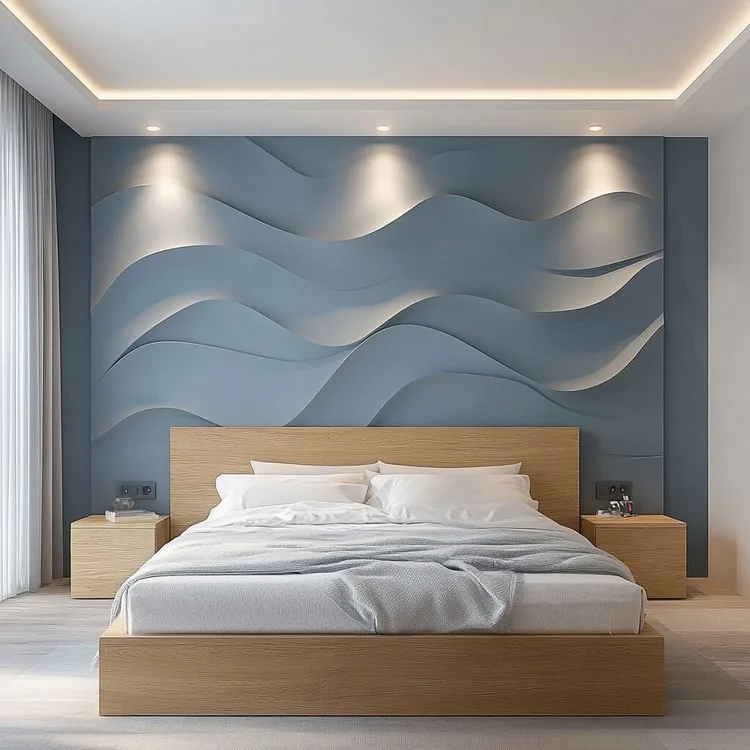
Are you ready to transform your walls with stunning 3D wall panels but unsure which paint will bring out their full beauty? Choosing the right type of paint can make all the difference in how your panels look and last over time.
You’ll discover exactly what paint works best for 3D wall panels, so you can achieve that perfect finish without any guesswork. Keep reading to find out how to make your walls pop with color and texture that truly stands out.
Choosing Paint For 3d Panels
Choosing paint for 3D wall panels requires careful thought. The paint must suit the panel material and highlight its texture. The right paint improves durability and enhances the visual appeal. Selecting paint that works well with your 3D panels is key for a long-lasting finish.
Material Compatibility
3D wall panels come in materials like PVC, wood, gypsum, and MDF. Each material absorbs paint differently. Acrylic paints work well on most surfaces because they dry fast and stick tightly. For wooden panels, use paint that prevents moisture damage. Avoid oil-based paints on plastic panels as they can cause damage.
Test a small area before painting the entire panel. This prevents any unwanted reactions or peeling. Use a primer suited for the panel material to improve paint adhesion. Primers also help the color appear more vibrant and even.
Surface Texture Impact
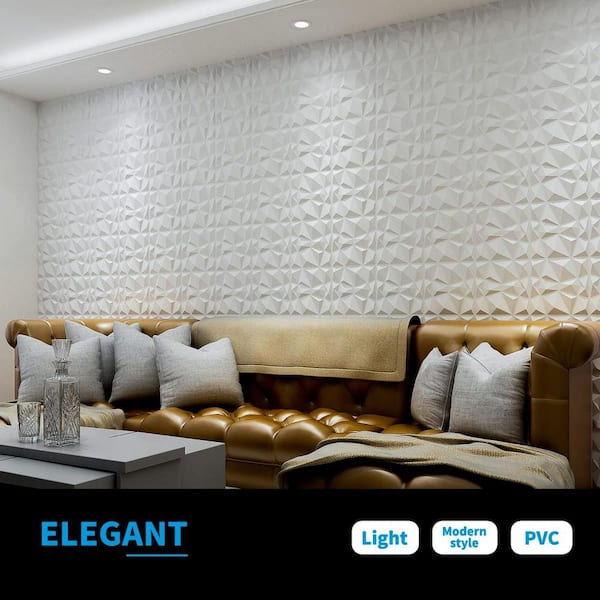
3D panels have raised patterns that create shadows and highlights. Paint finish affects how these textures show. Matte or eggshell finishes reduce glare and highlight depth softly. Glossy paints reflect light and make textures more noticeable.
Thicker paints fill in fine details and reduce texture sharpness. Thin paints keep texture crisp and clear. Use a spray paint or brush carefully to avoid pooling in crevices. Multiple thin coats work better than one thick coat for an even look.
Credit: www.homedepot.com
Types Of Paints Suitable
Choosing the right paint for 3D wall panels is key to enhancing their look and durability. Different paints work best depending on the panel material and the desired finish. Some paints offer better coverage and flexibility, while others provide a glossy or matte effect. Understanding each paint type helps in making the best choice for your space.
Latex Paint
Latex paint is water-based and easy to apply. It dries quickly and cleans up with soap and water. This paint is flexible, which helps prevent cracking on 3D panels. It comes in many colors and finishes like matte, satin, and semi-gloss. Latex paint is a popular choice for indoor 3D wall panels.
Acrylic Paint
Acrylic paint is also water-based but has a stronger hold than latex. It resists fading and peeling over time. Acrylic paint is great for textured surfaces like 3D panels because it adheres well. It offers vibrant colors and is durable against moisture and heat. This paint type is excellent for long-lasting wall art.
Spray Paint
Spray paint provides an even and smooth finish on 3D panels. It is fast to apply and reaches hard-to-paint areas. Spray paint comes in many colors and finishes, including metallic and matte. Use spray paint for quick coverage and a modern look. Make sure to use it in a well-ventilated area for safety.
Oil-based Paint
Oil-based paint offers a hard and durable surface. It takes longer to dry than water-based paints. This paint type resists moisture and stains well. Oil-based paint gives a glossy and rich finish. It is ideal for 3D panels in high-traffic or humid areas. Clean brushes with mineral spirits after use.
Finish Options Explained
Choosing the right paint for 3D wall panels ensures a smooth and lasting finish. Matte or satin paints work best, highlighting textures without glare. Avoid thick or glossy paints that can hide the panel’s details.
When choosing the perfect paint for your 3D wall panels, understanding the finish options can make a world of difference in the final look and feel. Each finish brings its own unique characteristics and can dramatically change the vibe of your space. Let’s dive into the various finish options and see which one might be right for your project.Matte Finish
A matte finish offers a non-reflective, velvety look that can add depth and sophistication to your 3D wall panels. It’s perfect for hiding imperfections, making it an ideal choice for older walls or surfaces that might not be perfectly smooth. Imagine your living room adorned with these stylish panels, providing a cozy and understated elegance without the distraction of glare.Satin Finish
The satin finish strikes a balance between matte and glossy, offering a subtle sheen that can enhance the texture of your 3D wall panels. This finish is durable and easy to clean, making it suitable for high-traffic areas like hallways or kitchens. Picture a hallway where your panels not only add visual interest but also withstand the hustle and bustle of daily life.Glossy Finish
For those who love a bit of drama, a glossy finish can add a striking shine to your 3D panels, creating a bold statement. While it can highlight imperfections, it also makes colors pop and can be a great choice for modern, contemporary spaces. Consider using it in a room where you want to showcase your panels as a centerpiece, capturing light and attention. Choosing the right finish can transform your space, but which one speaks to you?Preparation Steps
Getting your 3D wall panels ready for paint is crucial for a smooth and lasting finish. Skipping proper preparation can lead to peeling, uneven color, or a dull appearance. Let’s look at how cleaning, priming, and sanding set the stage for a professional look you’ll be proud of.
Cleaning The Panels
Before you paint, make sure your panels are free from dust, dirt, and grease. Use a soft cloth or sponge with mild soap and warm water to wipe down the surface gently. Avoid harsh chemicals that might damage the material or leave residues affecting paint adhesion.
Have you noticed how even a little dust can ruin a paint job? Taking the time to clean thoroughly will save you from touch-ups later.
Priming Techniques
Applying a primer is essential for 3D panels, especially if they are made of materials like MDF or PVC. Choose a primer that matches your paint type—latex primer for water-based paint or an oil-based primer for oil paints.
Use a brush for grooves and a roller for flat areas to ensure even coverage. This step improves paint adhesion and enhances the final color, making it pop.
Sanding Tips
Light sanding smooths out any rough spots and helps the primer and paint stick better. Use fine-grit sandpaper, around 220 grit, to avoid scratching the panel surface.
Be gentle and sand in circular motions, focusing on edges and raised areas. After sanding, wipe the panels again with a tack cloth to remove dust before painting.
Application Methods
Choosing the right application method for painting 3D wall panels can make a huge difference in the final look and durability of your project. Each technique offers unique advantages and challenges that affect coverage, texture, and finish quality. Understanding these methods helps you decide which one fits your skill level, time, and desired outcome best.
Brush Painting
Brush painting gives you precise control, especially around edges and detailed areas of 3D panels. It allows you to work paint into grooves and crevices, ensuring full coverage.
If you have a small area or intricate design, a brush is often the easiest way to avoid missing spots. However, it can be time-consuming for large surfaces and may leave visible brush strokes if not done carefully.
Roller Painting
Rollers cover large areas quickly, making them ideal for broad, flat sections of 3D panels. They create a smooth, even finish and reduce the effort compared to brushing.
Keep in mind, rollers may struggle to reach deep recesses in complex panel designs. Using a roller with a thicker nap can help, but you might still need to touch up with a brush afterward.
Spray Painting
Spray painting offers a fast, uniform coat with minimal brush marks, perfect for intricate 3D surfaces. It can evenly coat hard-to-reach spots and curves effortlessly.
One thing to watch out for is overspray, which means you’ll need to mask surrounding areas carefully. Also, spray painting requires proper ventilation and protective gear to keep the process safe and clean.
Drying And Curing
Understanding the drying and curing process is crucial when choosing paint for your 3D wall panels. The way paint dries affects not only the finish but also the durability of the panels. Knowing how different paints behave can save you from common pitfalls like peeling or uneven texture.
Drying Times By Paint Type
Different types of paint have distinct drying times, which impact how soon you can handle or install your 3D wall panels after painting.
- Latex Paint:Dries to the touch within 1 hour but requires about 4 hours before you can recoat. Full curing can take up to 2 weeks.
- Oil-Based Paint:Takes longer to dry, typically 6-8 hours to touch dry, with 24 hours needed between coats. Full curing can extend up to 7 days.
- Acrylic Paint:Usually dries within 30 minutes to 1 hour. It cures faster than oil-based paint, often within 24-48 hours.
- Spray Paint:Dries to the touch in 10-30 minutes, but curing can take up to 24 hours depending on the formula.
Knowing these times helps you plan your project efficiently. Rushing before full curing can cause damage, especially on textured surfaces like 3D panels.
Environmental Factors
Temperature, humidity, and airflow significantly affect how paint dries and cures on your 3D wall panels.
- Temperature:Paint dries faster in warm conditions but may not cure properly if too hot. Aim for a room temperature between 65-75°F (18-24°C).
- Humidity:High humidity slows drying and can cause paint to remain tacky longer, leading to a sticky or uneven finish.
- Airflow:Good ventilation speeds up drying and helps solvents evaporate. However, direct drafts can cause paint to dry too fast, leading to cracking.
When I painted my living room panels, a sudden increase in humidity caused the paint to stay tacky for days. Adjusting the air circulation made a noticeable difference in the finish quality.
Have you checked your room’s conditions before painting? Small adjustments can improve drying times and the overall look of your 3D wall panels.
Common Mistakes To Avoid
Painting 3D wall panels can transform a plain surface into a stunning focal point. However, mistakes during the painting process can ruin the look and cause you unnecessary frustration. Knowing what to avoid helps you achieve a smooth, lasting finish that highlights the texture and depth of your panels.
Overpainting Issues
Applying too many coats of paint can fill in the intricate details of 3D panels, making them look flat. It’s tempting to add extra layers for richer color, but this often hides the panel’s texture. Try to use a paint that provides good coverage in fewer coats, and always test on a small area first.
Have you ever noticed your panels losing their sharp edges after painting? That’s a sign of overpainting. Let each coat dry fully before applying the next, and avoid heavy brush strokes that can smooth out the raised patterns.
Ignoring Primer
Skipping primer might save time, but it usually leads to poor paint adhesion and uneven color. Primer creates a base that helps paint stick better and prevents it from soaking unevenly into the panel material. Without it, expect blotchy results or peeling paint after a short time.
Choosing the right primer for your panel material is just as important as the paint itself. For instance, MDF panels need a different primer than PVC or gypsum. Ask yourself: have you matched your primer to the panel type?
Improper Surface Prep
Surface preparation is the foundation of a great paint job. Dust, grease, or residues left on the panels block paint from sticking properly. Clean the panels thoroughly with a mild detergent and allow them to dry completely before painting.
Sometimes, sanding is necessary to create a rough surface that helps paint grip better. But be careful not to damage the 3D patterns. Have you inspected your panels closely to ensure they are perfectly clean and ready for paint?

Credit: articture.com
Maintenance Tips
Maintaining the paint on 3D wall panels keeps them looking fresh and vibrant longer. Proper care prevents damage and preserves the texture and color. Regular cleaning and simple touch-ups help avoid costly repainting or repairs. Follow these tips to maintain the beauty of your painted 3D wall panels.
Cleaning Painted Panels
Dust the panels gently with a soft cloth or feather duster. Avoid abrasive materials that may scratch the paint surface. For deeper cleaning, use a damp cloth with mild soap and water. Wipe softly in circular motions to remove dirt without damaging the paint. Avoid soaking the panels or using harsh chemicals that can peel or fade paint.
Touch-up Techniques
Keep leftover paint for quick repairs. Match the original paint color exactly for seamless touch-ups. Use a small brush to apply paint only on chipped or scratched areas. Dab gently and blend the edges to avoid visible marks. Allow the paint to dry completely before touching or cleaning the area again.

Credit: www.amazon.ca
Frequently Asked Questions
What Type Of Paint Works Best On 3d Wall Panels?
Water-based acrylic paints work best on 3D wall panels. They offer good adhesion, vibrant colors, and quick drying time. Acrylic paint is flexible, preventing cracking on textured surfaces. It also resists fading and moisture, making it ideal for indoor panels.
Can I Use Spray Paint On 3d Wall Panels?
Yes, spray paint can be used on 3D wall panels. It provides an even coat and reaches intricate textures easily. Use spray paint designed for indoor surfaces and ensure proper ventilation during application for best results.
Should I Prime 3d Wall Panels Before Painting?
Priming 3D wall panels is recommended for better paint adhesion. Primer seals porous surfaces and evens out texture differences. This step helps paint last longer and reduces the number of coats needed for full coverage.
Is Oil-based Paint Suitable For 3d Wall Panels?
Oil-based paint is not ideal for 3D wall panels. It takes longer to dry and can crack on flexible surfaces. Water-based paints offer better durability and flexibility for textured wall panels.
Conclusion
Choosing the right paint for 3D wall panels makes a big difference. Water-based paints work well and dry fast. They keep the panels looking fresh and clean. Avoid thick or oil-based paints that can damage the texture. Always test a small area first to see how it looks.
A good paint job brings out the design and style of your walls. Take your time and pick the paint that suits your space best. Simple steps lead to great results.



